
Reviewed · HOP-ON HOP-OFF BUS TOURS
Copenhagen: Hop-On Hop-Off Bus Tour with Boat Tour Option
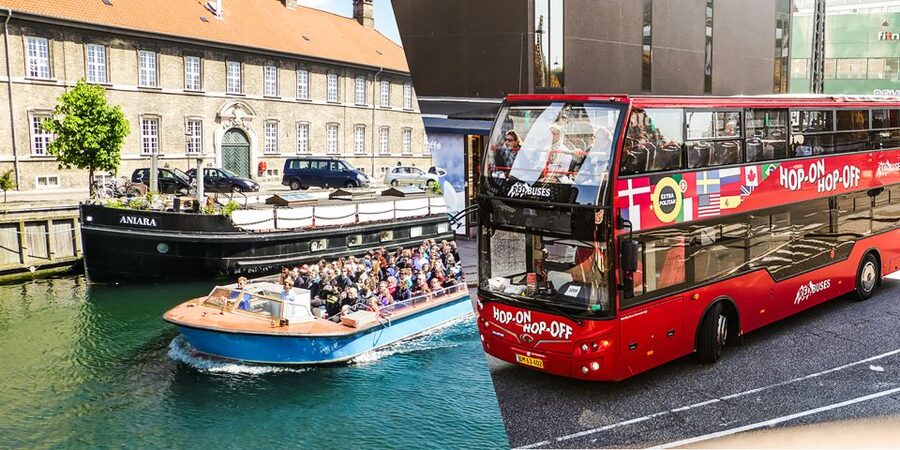
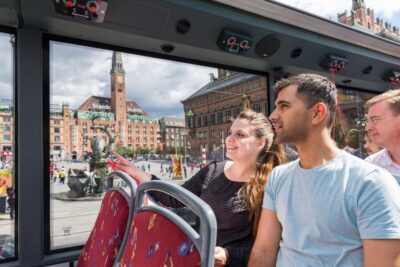
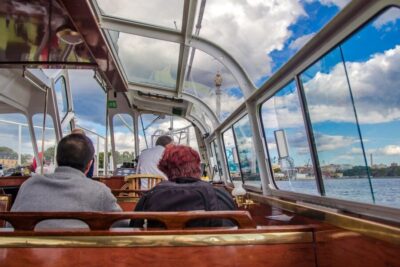
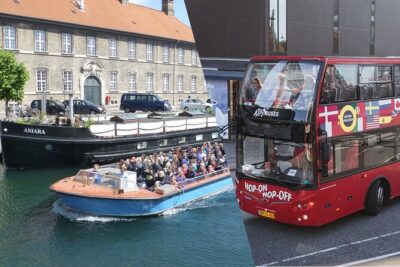
Copenhagen’s canals tell a different story from its streets, so I’d choose the bus and boat combination if your schedule allows. The open-air double-decker covers the city’s main sights, while the one-hour cruise from Nyhavn brings you past colorful waterfront buildings, Christianshavn, and the Little Mermaid from the water.
I like the freedom to get off when something catches your eye, and I like the practical reach of the route, especially for cruise passengers at Oceankaj. The main drawback is finding the correct RED Sightseeing stop, since the buses use ordinary public stops with small sightseeing signs. The boat option can also cost extra if you select a bus-only ticket by mistake.
In This Review
- Key points at a glance
- Why the bus and boat pairing works in Copenhagen
- Starting points, public stops, and the RED Sightseeing problem
- Central Station, Tivoli, and Copenhagen’s city center
- Islands Brygge and the harbor edge
- Christianshavn and Christiansborg Palace
- Nyhavn is the natural switch to the boat
- Amalienborg, the royal quarter, and the Little Mermaid
- Langelinie, Indiakaj, and Oceankaj Cruise Terminal
- Rosenborg Castle and the return through central Copenhagen
- How to choose 24 or 48 hours
- Who should book this Copenhagen tour?
- Final verdict: book the boat option if you can
- FAQ
- How long does the Copenhagen bus tour ticket last?
- What are the bus operating hours?
- How often do the buses depart?
- Where does the boat tour leave from?
- How long is the boat ride?
- Is the boat tour included in every ticket?
- Which languages are available for the audio guide?
- Do children need a bus ticket?
- How can I find the correct bus stop?
Key points at a glance

- A useful first-day orientation: See Copenhagen’s main sights before deciding where to spend more time on foot, by bicycle, or on local transport.
- The canal cruise is worth considering: The one-hour boat trip from Nyhavn gives you views that a city bus cannot.
- Twenty-two stops cover the essentials: Tivoli, Christiansborg, Nyhavn, Amalienborg, Rosenborg Castle, and the Little Mermaid are all built into the route.
- Stop signs need close attention: Look for the generic Sightseeing sign at public bus stops, and use the RED Sightseeing app to track vehicles.
- Commentary is flexible: Recorded information comes in 10 languages, while some boat and bus staff add live remarks in English.
- Best value depends on your pace: A 24-hour pass suits a quick visit, while 48 hours gives you more time to split sightseeing across two days.
Why the bus and boat pairing works in Copenhagen
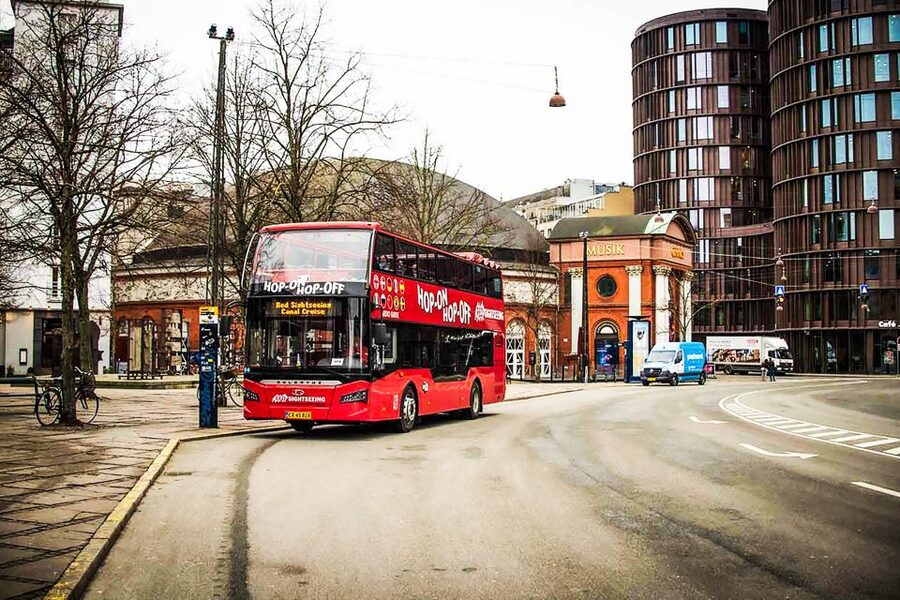
Copenhagen is compact enough for walking, yet its sights spread across several districts and waterfront areas. The bus helps you cover long stretches without wearing out your feet, and the boat shows you the city from its canals and harbor.
I’d use the bus first as a moving map. Stay aboard for a full circuit if you want the broad picture, then ride again and get off at the places that appeal to you. This works well on a half-day visit, a first morning in town, or a port stop when you want a reliable route back toward your ship.
The recorded commentary is available in English, Spanish, Swedish, Chinese, Danish, French, German, Italian, Portuguese, and Russian. You receive earphones, and buses have free WiFi. Some departures also feature a live-speaking driver or guide. Peter L is singled out in the tour information as a friendly driver, and boat guide Torrs is known for adding humor to the canal ride.
The audio system is not perfect every time. Some passengers have found the recording jumps or the boat announcements are hard to understand. Still, the mix of route information, history, and landmark descriptions gives you useful context while you ride.
More Hop-On Hop-Off Bus Tours in Copenhagen
- City Sightseeing Copenhagen Hop-On Hop-Off Bus Tour
★ 3.5 · 800 reviews - Copenhagen: City Sightseeing Hop-On Hop-Off Bus Tour
★ 4.3 · 709 reviews - Copenhagen Hop-on Hop-Off Bus with Boat Option
★ 3.5 · 541 reviews
Starting points, public stops, and the RED Sightseeing problem
You can begin from several points, including Copoke, Islands Brygge, and Vesterbrogade. Copenhagen Central Station and the Tivoli area are especially practical for visitors staying near the center.
The route also reaches Oceankaj Cruise Terminal, which can save a costly or time-consuming transfer into town. Some cruise passengers have been able to board near the port and later use a shuttle back to the terminal. Check the exact departure details for your date, since port service can differ from the central city schedule.
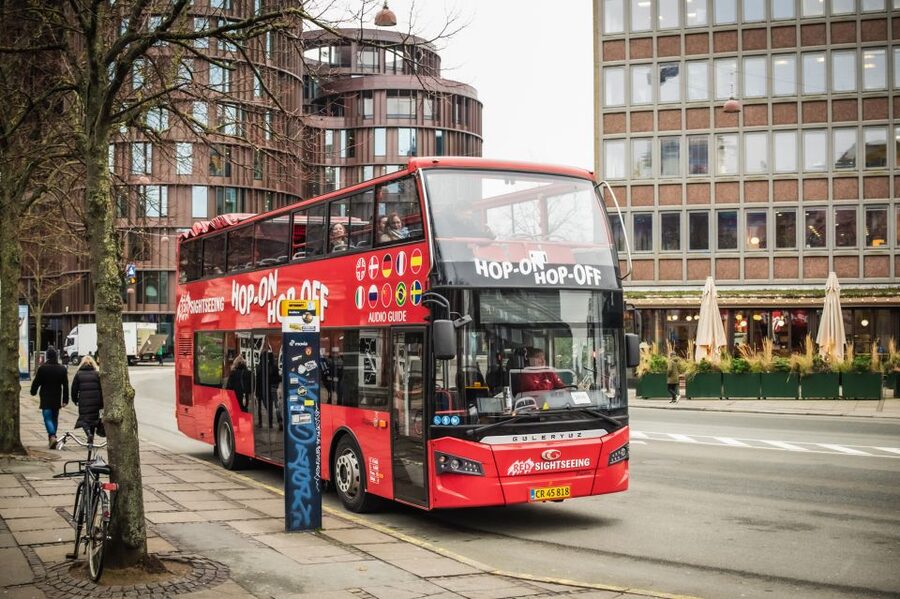
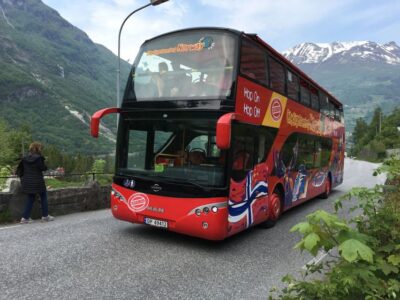
The buses use public bus stops because of local rules. Look for the small generic Sightseeing sign rather than assuming every red bus belongs to the same company. Several red sightseeing operators use Copenhagen streets, and the correct vehicle is the RED Sightseeing bus.
This is the biggest practical weakness of the outing. The starting point is simple to use, but joining at a later stop can take patience. I’d open the official RED Sightseeing app before setting out, locate the stop, and check the bus position in real time. The app also tracks boats.
The last departure from Central Station or Tivoli is at 4 PM. Buses operate daily from 9 AM, with departures every 30 to 60 minutes. Service can be more frequent at times, but you should not plan a tight connection around an assumed 20-minute interval.
Central Station, Tivoli, and Copenhagen’s city center
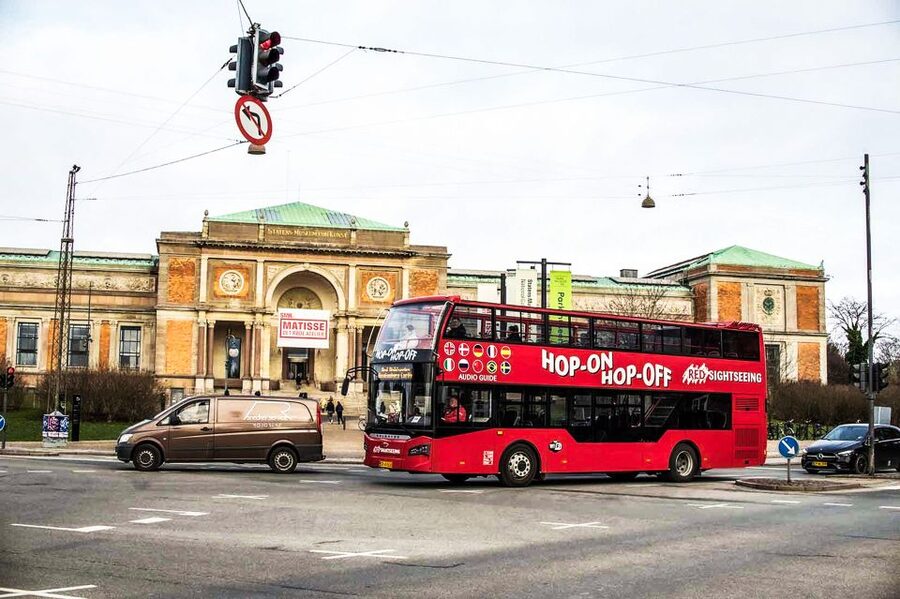
Copenhagen Central Station is a useful launch point because it sits beside Tivoli Gardens and close to the main shopping streets. Tivoli is the second-oldest amusement park in the world, and even a pass-by gives you a sense of how closely the park is tied to the city center.
The stop near Rådhuspladsen, Copenhagen’s City Hall Square, puts you in the heart of central Copenhagen. This is a good place to leave the bus and walk around, especially if you want to combine the tour with nearby streets and squares.
Palads, the colorful cinema beside the station area, is another central landmark on the route. Ny Carlsberg Glyptotek, near Tivoli, is the stop to remember if you want an art museum break. The bus only passes these sights, so you’ll need to get off and make your own visit.
The city-center section is easy to walk, which means the bus is not always the best tool here. I’d save your rides for longer hops between the center, the harbor, Christianshavn, and the Little Mermaid area.
Islands Brygge and the harbor edge

Islands Brygge gives you a look at Copenhagen’s modern waterfront. It is also one of the listed starting points, so it can be convenient if you are staying or walking on that side of the harbor.
The route passes the Copenhagen Marriott Hotel and Wakeup Copenhagen, both useful reference points for visitors near the waterfront. These stops matter less as sightseeing destinations than as practical markers for hotels, harbor access, and connections between the central streets and the water.
This section helps you see how Copenhagen shifts quickly from historic center to newer waterfront development. I’d treat it as a connecting stretch rather than a place to spend your whole sightseeing day, unless you already have a reason to be in Islands Brygge.
Same fjord country, a very different day out:
- Copenhagen: Canal Cruise with Guide
★ 4.6 · 9,115 reviews - Private Walking Grand Tour of Copenhagen
★ 5.0 · 3,953 reviews - From Copenhagen: Lund and Malmö 2-Country Tour
★ 4.7 · 2,772 reviews - Copenhagen Highlights Walking Tour
★ 5.0 · 2,324 reviews
Christianshavn and Christiansborg Palace

Christianshavns Torv brings you into Christianshavn, a district shaped by canals and narrow streets. From the bus, you get a quick introduction. From the boat, you see the district in a more natural way, with water-level views of its waterfront buildings and canal edges.
Christiansborg Palace is one of the strongest stops on the bus route. It is used for important government functions and is one of Copenhagen’s key royal and civic landmarks. The bus passes it, so get off if you want time to explore rather than simply take a photograph through the window.
This is also a smart area for combining transport modes. You can leave the bus near Christiansborg, walk around the central area, then continue toward Nyhavn for the boat. Since the boat leaves near bus stop number 8 at Nyhavn, keep an eye on the stop numbers and do not rely only on spoken announcements.
Nyhavn is the natural switch to the boat
Nyhavn is the clearest meeting point between the two parts of the experience. Its brightly painted waterfront buildings and packed line of historic vessels make it one of Copenhagen’s most recognizable views.
The boat departs from Nyhavn and takes about one hour. It passes the colorful harbor front, Christianshavn, and the Little Mermaid. You also get a calmer view of the city’s bridges, waterfront buildings, and canal routes than you can from the upper deck of a bus.
The cruise can be busy. At times, you may wait around 40 minutes, although the boats hold many people and departures are listed at roughly 30-minute intervals. I’d avoid leaving the boat until the last part of a tight sightseeing plan, especially if you need to return to a cruise ship.
The boat commentary can be amusing and informative. Torrs is one guide associated with the experience, and his humor adds life to the ride. Sound quality can vary, so sit where you can hear clearly and keep your expectations sensible: this is a city sightseeing cruise, not a private guided harbor tour.
Amalienborg, the royal quarter, and the Little Mermaid
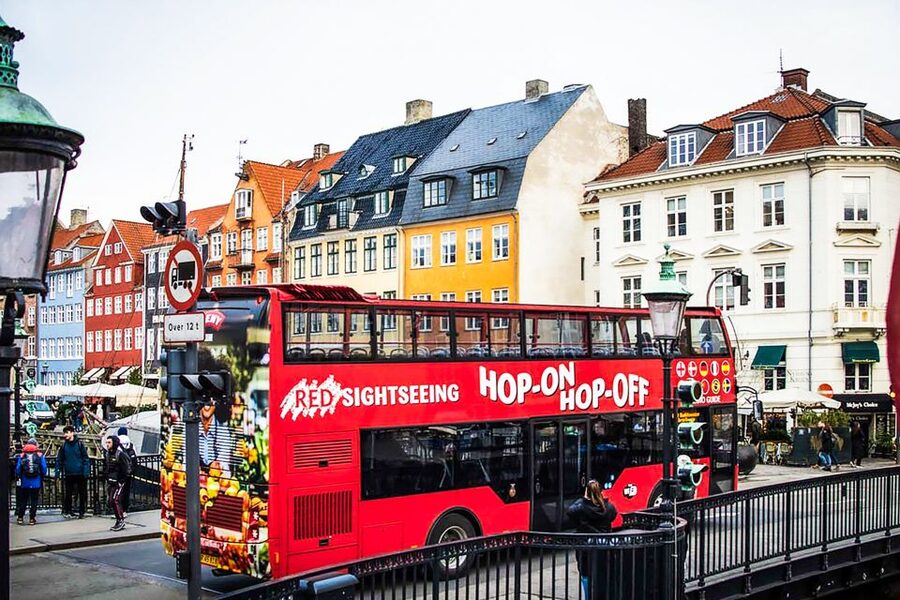
The bus passes Amalienborg Palace, the winter home of the Danish royal family. The palace area is one of the route’s major stops, and it pairs well with Nyhavn because the two are close enough to connect on foot.
The route continues past Gefion Fountain and Svenska Gustafskyrkan, the Swedish church. These are useful landmarks on the way toward the harbor, though they may not deserve a separate stop on a short visit unless you have a particular interest in them.
The Little Mermaid is the most talked-about photo stop. The bus makes a longer pause here, allowing you to get off, take pictures, and return. That pause is handy, but it creates a small compromise: if you are not interested in the statue, you may have to sit on the stationary bus while others visit.
The statue itself is modest, so expect a short photo stop rather than a major attraction visit. The surrounding waterfront and the approach through Langelinie add more to the experience than the statue alone. On a busy day, the area can feel crowded, and the allotted pause may seem brief.
The boat gives you another chance to see the Little Mermaid, this time from the water. That view is often more satisfying because it places the statue within Copenhagen’s harbor setting.
Langelinie, Indiakaj, and Oceankaj Cruise Terminal

Langelinie and Indiakaj extend the route along the harbor. These sections are especially useful for cruise passengers and anyone staying near the water, since they connect the central sights with the port area.
Oceankaj Cruise Terminal is far from the central city, so a bus that reaches the terminal can have real practical value. It turns sightseeing into transport, rather than forcing you to pay for a separate trip into town before your tour even begins.
If your ship has a firm departure time, plan conservatively. The bus operates on a timetable, traffic can slow the ride, and the final central departure is at 4 PM. I’d use the service early in the day and leave a generous buffer before returning to the port.
This port connection is one of the best reasons to consider the tour even if you normally walk or cycle in cities. It may not be the fastest option at every moment, but it can simplify a day that begins and ends at the terminal.
Rosenborg Castle and the return through central Copenhagen
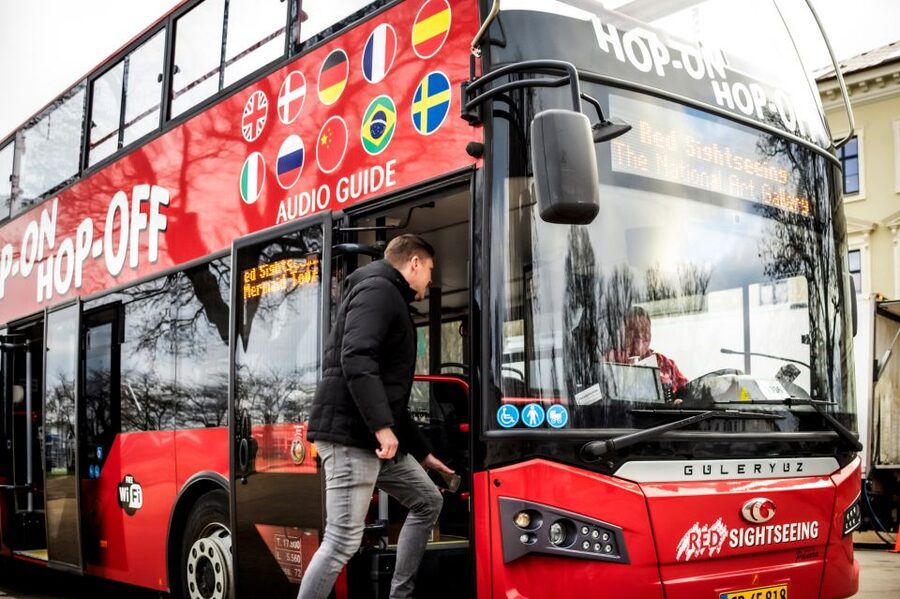
Rosenborg Castle is another major landmark on the route. The castle gives you a chance to shift from Copenhagen’s royal waterfront to a more park-centered setting. As with Amalienborg, the bus passes the sight, so you should get off if you want a proper visit.
The route then returns toward Rådhuspladsen and Palads. This closing section is useful for getting back to the station, Tivoli, or the central hotel area after exploring the outer stops.
I would not spend a full day riding without getting off. The real value comes from using the bus to connect places that are too far apart for a comfortable walk, then exploring each chosen area at ground level.
How to choose 24 or 48 hours
The price is about $35 per person, with the exact choice depending on the ticket option. A 24-hour pass is usually the sensible pick for a half-day or one-day visit, especially if you like walking, cycling, or using local transport once you understand the city.
A 48-hour pass makes more sense if you want to spread sightseeing across two days. You can use the first day for a full orientation, then return to the bus for specific outlying stops. That said, you may not use the pass constantly. Copenhagen is easy to explore on foot in the center, and one passenger found the second day unnecessary after switching to walking and a bike.
The strongest value comes from combining several rides with the boat. A single bus circuit gives you an overview, but repeated hop-on access plus the canal cruise makes the price easier to justify.
The ticket information describes choices lasting from one to three days, while the included ticket details specify 24 or 48 hours. Check the option shown for your selected date before paying, particularly if a longer validity period matters to your plans.
Who should book this Copenhagen tour?
I’d recommend it to first-time visitors, cruise passengers, people with limited mobility, families, and anyone who wants a gentle first look at Copenhagen. It also suits you if jet lag makes a long walking day unappealing.
The bus is useful for visitors who want commentary without arranging a private guide. The 10-language audio option helps mixed-language groups, while the live remarks from some drivers and boat guides can make the ride feel less mechanical.
I’d be less enthusiastic if you have several full days in Copenhagen and prefer cycling or public transport. You may find the fixed route limiting, especially on the 48-hour option. The bus also does not replace proper time inside Tivoli, Christiansborg, Amalienborg, Rosenborg, or the city’s museums.
Bring a little patience for stop signs, queues, and the 4 PM final departure. The open upper deck is pleasant in good weather, but the enclosed lower level matters on rainy or cold days. Some buses are warm inside, and the service can still work well in poor weather, but Copenhagen’s wind and rain are not part of the ticket price.
Final verdict: book the boat option if you can
I would book this tour for a first day in Copenhagen, a short port visit, or a two-day plan that mixes bus rides with walking. The bus gives you a useful city outline, and the boat adds the most distinctive views.
Choose the 24-hour ticket if you want orientation and a few targeted stops. Choose 48 hours only if you plan to use the bus across two days. Most important, confirm that your booking includes the boat tour. Bus-only and combination options are easy to confuse, and the canal cruise is the part I would least want to miss.
FAQ
How long does the Copenhagen bus tour ticket last?
The available ticket details specify a 24-hour or 48-hour hop-on hop-off ticket, depending on the option selected. The activity information also refers to durations from one to three days, so check the exact option offered for your booking date.
What are the bus operating hours?
The bus operates daily from 9 AM. The last departure from Central Station or Tivoli Gardens is at 4 PM, both in summer and winter.
How often do the buses depart?
Departures are scheduled every 30 to 60 minutes. Actual frequency can vary by stop and date.
Where does the boat tour leave from?
The boat departs from Nyhavn, near bus stop number 8.
How long is the boat ride?
The canal and harbor boat tour lasts one hour.
Is the boat tour included in every ticket?
No. The boat tour is included only if you choose the bus and boat option. Confirm your selected ticket carefully before booking.
Which languages are available for the audio guide?
The recorded audio guide is available in Spanish, Swedish, Chinese, Danish, English, French, German, Italian, Portuguese, and Russian.
Do children need a bus ticket?
Children from 0 to 2 years old travel free on the bus when accompanied by a paying adult. A maximum of two children in that age range may travel free per adult.
How can I find the correct bus stop?
The buses use public bus stops. Look for the generic Sightseeing sign, and use the official RED Sightseeing app to locate stops and track buses and boats in real time.
Just added around Copenhagen
- a day at North Zealand Castle Tour★ 4.5 · 19 reviews
- The Hunt For The Six Forgotten Giants★ 5.0 · 45 reviews
- Copenhagen Walking Tour with Food Testing (smorrebrod dish & snap)★ 4.5 · 10 reviews
- walking tour – Copenhagen and Christiansborg 3 hours★ 4.0 · 7 reviews
- The Philosopher’s Last Walk: An audio tour on the life of Søren Kierkegaard★ 4.5 · 5 reviews
- The Six Forgotten Giants Trolls Hunt with Minibus★ 4.5 · 27 reviews
- Malmö Full Day Private Trip, Sightseeing Tour & Lunch Option★ 5.0 · 93 reviews
- The Forgotten Giants Private Tour★ 5.0 · 3 reviews
Hop-On Hop-Off Bus Tours, compared.

24 or 48-Hour Hop-On Hop-Off Sightseeing Bus Ticket
Read our review →
City Sightseeing Copenhagen Hop-On Hop-Off Bus Tour
Read our review →

Browse the lists this tour appears in