
Reviewed · FISHING
From Svolvaer: Lofoten Fishing Boat Cruise
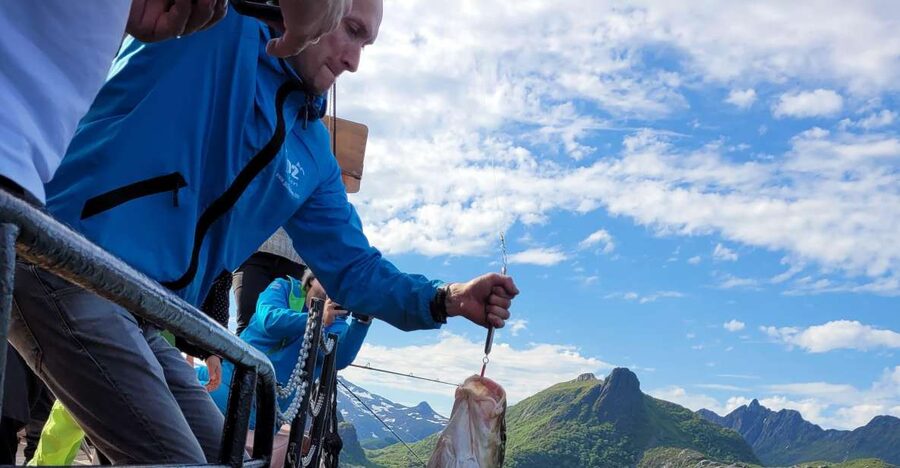
A big Atlantic cod coming over the rail, its silver body flashing against the dark Lofoten Sea, is the prize here. You fish from a working-style boat, not a sightseeing vessel with fishing added as an afterthought. The crew takes you to several spots, explains how to handle the gear, and helps you deal with your catch.
I like two things especially: beginners get patient, practical help, and you can usually take fish home for dinner. The local stories from guides including Bor, Jonas, and Captain Bard add a human side to the outing. The main drawback is simple: this is a real fishing trip, so luck matters. Some boats catch loads, while others find smaller fish or none at all, and cold wind can make four hours feel long.
In This Review
- Key points to know before you book
- Leaving Svolvaer for the Lofoten Sea
- Finding the right fishing spot
- What fishing feels like for a first-timer
- Cold, wind, and the practical clothing question
- Cleaning the catch and taking fish home
- Feeding seabirds on the return to Svolvaer
- Is $135 a fair price?
- Who should book this four-hour cruise?
- Should you book the Svolvaer fishing cruise?
- FAQ
- Where does the fishing cruise depart from?
- How long is the activity?
- How much does the fishing trip cost?
- What fish might I catch?
- Is fishing equipment included?
- Do I need previous fishing experience?
- Can I take home the fish I catch?
- Will the crew fillet my fish?
- Is food or drink included?
- What languages are spoken on the tour?
- Can I cancel the booking?
Key points to know before you book
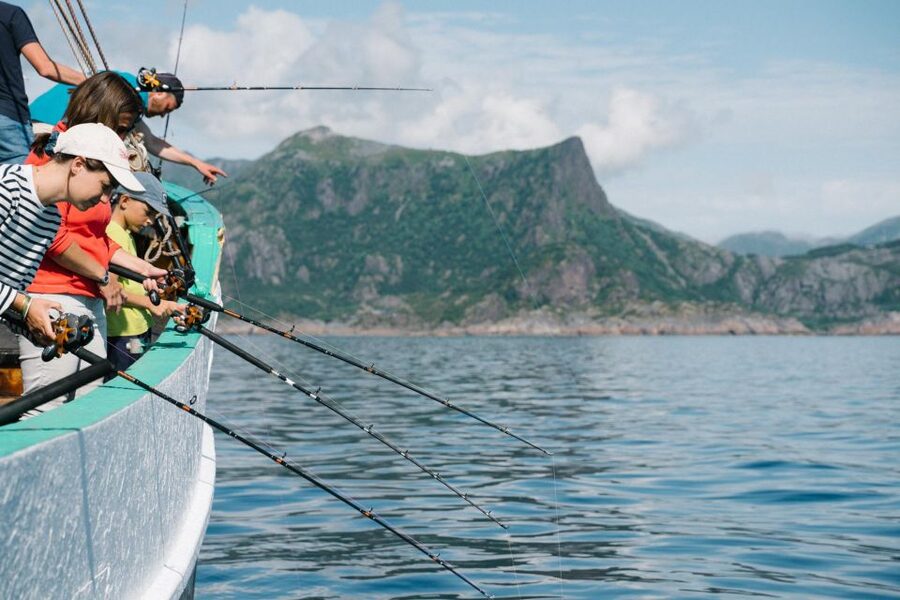
- Fish for cod, pollock, haddock, and mackerel in the waters around Lofoten.
- Guides teach the basics clearly, making this a good first sea-fishing experience.
- Your catch may become dinner, with help available for gutting, cleaning, and packing.
- Warm clothing matters, even when rain suits and other outer layers are supplied.
- The boat can feel crowded at busy times, with several people fishing from one side.
- Seabirds may get the fish remains on the ride back, a memorable end to the trip.
Leaving Svolvaer for the Lofoten Sea
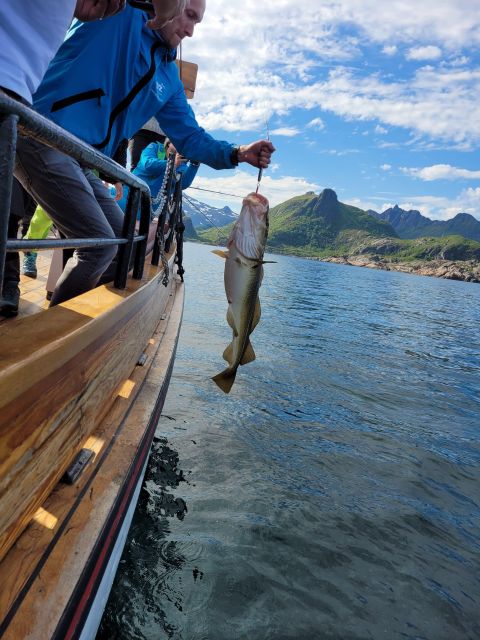
You meet the crew at Sjømannsgata 5 in Svolvær about 15 minutes before departure. That early arrival is for registration and getting ready, so do not cut it close if you need to find the dock.
The four-hour outing begins with a safety briefing and an introduction to the fishing equipment. You receive a rod and gear, plus a life vest and rain clothing. The crew explains how to hold the rod, lower the line, feel for a bite, and bring a fish up without tangling with someone nearby.
I like this opening because it does not assume you already know what you are doing. First-time fishers have caught several fish, including large cod, after a short lesson. Guides such as Bor, Jonas, and Bard are praised for giving people room to try while stepping in when a catch becomes heavy or awkward.
As the boat leaves Svolvær, the crew talks about coastal culture, fishing work, and daily life in northern Norway. These stories give the trip a purpose beyond waiting for a bite. You are learning why the sea matters here, not simply passing time with a rod in your hand.
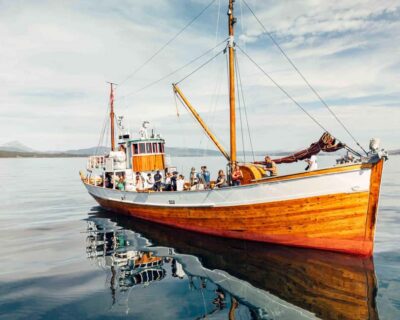
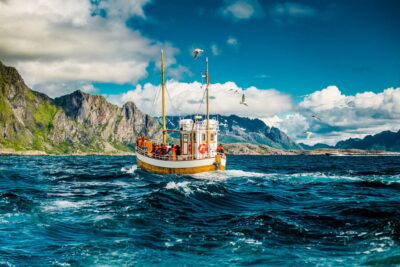
The boat itself has received praise for being well kept and comfortable, with one particularly favorable mention of a beautiful vintage boat. The exact boat experience can vary, but you should expect a practical fishing setup rather than a luxury cruise. Bring a steady stomach if you are prone to seasickness. One person found the trip worthwhile despite feeling queasy.
A few more Svolvaer trips to weigh up
- Lofoten: Traditional Fishing Trip
★ 4.4 · 167 reviews - Svolvær: Fishing Trip on the Lofoten Sea
★ 4.5 · 106 reviews - Tromsø’s Top-Rated Fjord & Fishing Cruise – All-Inclusive
★ 4.7 · 4,017 reviews
Finding the right fishing spot
The captain moves between several fishing areas rather than relying on one fixed point. That is important because fish do not follow a timetable. The crew may try one place, watch the results, and then shift to another in search of cod or pollock.
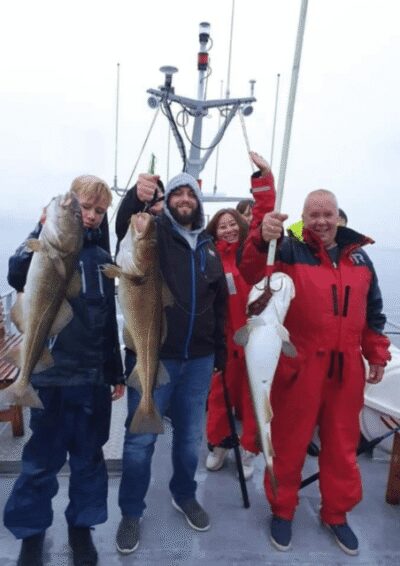
When the fish are active, the action can be quick. A single outing has produced more than a dozen fish at one spot. Another group of two caught five fish in April, and one beginner reported seven fish. Large Atlantic cod have also been brought aboard, including a catch weighing 7.4 kilograms.
Those figures are possibilities, not promises. Fishing remains dependent on conditions, timing, and luck. You might catch enough for two meals, as one outing did, or you might spend a long stretch waiting. One person found the boat’s fishing arrangement cramped, with 11 people working from one side and rods occasionally differing in performance.
That uneven rhythm is worth understanding before you pay. This is not a private fishing charter where you control the route and have constant access to the rail. At busy times, you may need to wait while another person lands a fish or while the crew resets gear. If you mainly want open-water scenery and a taste of local fishing, that may not bother you. If you want nonstop casting, it could.
The guides help reduce the frustration. They can check your line, show you how to position the rod, and help pull up a heavy fish. One captain patiently hauled in what turned out to be a large rock, then kept the mood light. That sort of good humor matters when the sea gives you something other than dinner.
What fishing feels like for a first-timer
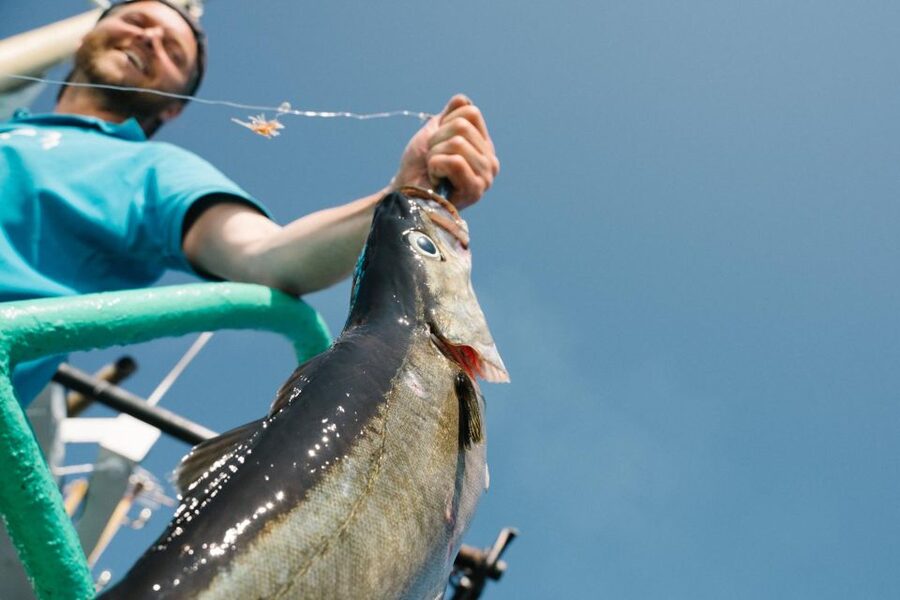
You do not need previous fishing experience. The equipment is provided, and the crew explains the basic techniques before you begin. You will handle the rod yourself, but you are not left to guess what to do when a fish bites.
The most exciting moment is often the first pull on the line. Cod and pollock can feel surprisingly heavy, especially when the line is deep. The crew can help you bring the fish to the boat, then show you how to unhook it safely.
I would book this for someone who wants an active outing but does not identify as a fisher. The guides are friendly and patient, and the trip has a social feel without requiring you to be an expert. Solo visitors can fit in well, too. One person traveling alone described the activity as a particularly good introduction to sea fishing.
Still, you should be ready for some waiting. Fishing is a stop-and-start activity. You may spend time watching the water, listening to stories, and waiting for the next bite. That is part of the experience, but it is less appealing if you expect four hours of constant action.
The setting helps. Even when the fishing slows, you are out among the islands and open water of Lofoten. In poor weather, the captain may work closer to the port where the sea is calmer. That can protect the experience from rougher conditions, though it may mean less time in wide-open water.
Cold, wind, and the practical clothing question
Lofoten’s sea air can be cold in every season. Winter outings have been described as extremely cold, especially when the wind picks up. November conditions can be chilly even with calm water, while a late-May trip brought high waves, strong wind, cold temperatures, and rain.
The operator supplies rain gear, and several outings also provided warm suits, jackets, trousers, and gloves. These layers are useful for warmth and for keeping your own clothes clean around bait, fish, and water. Take advantage of them rather than treating them as an emergency backup.
I would still wear warm layers underneath. Use waterproof shoes if you have them, and avoid cotton as your only base layer. The supplied equipment helps, but it cannot make a cold day feel mild. One winter participant found the final hour difficult despite wearing many layers.
The boat has a sheltered, relaxing side to the experience. Coffee, biscuits, and a non-alcoholic hot toddy are included. These are small touches, but a hot drink can make a real difference after standing in wind while waiting for a bite.
Weather does not automatically ruin the trip. A rainy day can be a good time for this activity, especially if poor visibility has already cancelled a mountain walk. The key is to accept that the sea determines the mood. Calm weather may bring easy fishing, while rougher conditions can limit comfort and alter the route.
Same fjord country, a very different day out:
- From Svolvær: Lofoten Islands Silent Trollfjord Cruise
★ 4.8 · 2,979 reviews - From Svolvær: Lofoten RIB Sea Eagle Safari Trollfjord Cruise
★ 4.9 · 591 reviews - Lofoten Island: Silent Trollfjord Cruise from Svolvær
★ 5.0 · 389 reviews - From Svolvaer: Trollfjorden Wildlife RIB Cruise
★ 4.8 · 355 reviews
Cleaning the catch and taking fish home
The catch is part of what gives this cruise its local character. If you catch fish, the crew can help with gutting and preparing it for transport. Some guides demonstrate filleting, and some have filleted cod for people to take home.
You should clarify the exact level of help on the day. The general arrangement is assistance with cleaning and packing, but the practical service may range from a demonstration to hands-on filleting. One person expected the crew to fillet every fish and was disappointed to receive a demonstration and equipment instead.
That distinction matters if you are staying in a hotel or apartment and do not know how to handle a fish. Ask the crew what they will prepare for you before you leave the boat. If you are comfortable learning, the demonstration is useful. You may return with a fresh meal and a new skill, not just a photograph.
The fish can be excellent cooked the same day. Cod and mackerel have been grilled or prepared for dinner after the cruise, with enough catch for several meals on some outings. The crew may also explain how to handle fresh fish and offer cooking suggestions.
There is one important point to keep in mind: keeping the catch is described as part of the experience, but local handling decisions can affect what you take home. One outing included the release of all cod, and smaller fish may be returned to the sea or used as food for birds. If taking home fish is your main reason for booking, ask about current catch rules and the expected handling before departure.
Feeding seabirds on the return to Svolvaer
The ride back includes an unusual final scene. Fish remains and guts from the day’s catch can be used to feed seabirds. Eagles have been spotted during this part of the outing, and smaller fish may be put to practical use rather than wasted.
This is not a separate wildlife cruise, so you should not book it as a guaranteed eagle-watching trip. But the bird feeding adds a memorable close to the fishing experience. After working with the catch, you see another part of the coastal food chain at close range.
The return also gives the crew time to answer questions, show how fish are cleaned, and talk more about life at sea. If fishing has been slow, this part can still make the trip feel worthwhile. If the catch has been strong, it is a chance to sort out what you are taking home.
Is $135 a fair price?
At $135 per person, this is not a cheap way to spend an afternoon. The value depends on what you want from Lofoten.
The price includes the boat cruise, crew, fishing gear, rain gear, and life vest. You also receive instruction, local stories, and access to the crew’s help with your catch. Coffee, biscuits, and a non-alcoholic hot toddy are included as well.
I think the price is fair if you value a hands-on activity with local character. You are not only paying for transport on the water. You are paying for a crew that knows how to find fish, explain the equipment, manage safety, and help beginners land a catch. If you bring home enough fish for dinner, the outing feels even better value.
The price is harder to justify if you mainly want a scenic boat ride. The cruise is built around fishing, and the scenery is an added benefit. You can have a beautiful day and still catch little. You also may wait your turn if the boat is busy.
Compared with other paid activities in Lofoten, this offers a useful combination of scenery, stories, and participation. It is not polished entertainment, and that is part of its appeal. You get a taste of a working coastal tradition, with the chance to eat what you catch.
Who should book this four-hour cruise?
I would recommend it to:
- First-time sea fishers who want clear instruction.
- Families or friends who enjoy a shared activity with a little suspense.
- Solo visitors looking for a friendly, guided outing.
- People who want to learn about northern Norwegian fishing culture.
- Anyone with a free day when rain or low visibility has spoiled a mountain plan.
- Food-minded travelers who like the idea of preparing a fresh catch.
I would think twice if you dislike cold, wind, motion, or long periods of waiting. The tour is not suitable for people with mobility impairments. You need to board a boat, stand or move around while fishing, and handle wet gear and equipment.
I would also avoid making this your only Lofoten plan if you have a strict schedule. Weather can shape the route, and fishing luck is unpredictable. Keep your expectations flexible, dress warmly, and treat the catch as a bonus rather than a guarantee.
For the best chance of enjoying it, arrive early, wear several warm layers, use the supplied waterproof clothing, and ask about fish preparation before you start. If you are sharing a rod or standing near several other fishers, patience will serve you better than competitive energy.
Should you book the Svolvaer fishing cruise?
Yes, if you want more than a view from the deck. The strongest part of this experience is the combination of patient guides, real fishing, local stories, and the possibility of taking fresh cod or pollock home. Guides such as Bor, Jonas, and Bard have made a lasting impression by teaching without rushing people.
Book it with realistic expectations. You may catch a large cod, several smaller fish, or nothing worth keeping. You may enjoy calm water or spend four hours fighting cold wind. For an authentic, good-humored look at coastal life in Lofoten, $135 is a sensible use of an afternoon, especially when you are happy to learn and let the sea set the pace.
FAQ
Where does the fishing cruise depart from?
The meeting point is Sjømannsgata 5 in Svolvær, Norway.
How long is the activity?
The cruise lasts four hours.
How much does the fishing trip cost?
The listed price is $135 per person.
What fish might I catch?
You may catch cod, pollock, haddock, and other local fish. Mackerel has also been caught on the trip.
Is fishing equipment included?
Yes. Fishing equipment, the boat cruise, crew, rain gear, and a life vest are included.
Do I need previous fishing experience?
No. The crew explains fishing techniques and how to handle the equipment, so beginners can take part.
Can I take home the fish I catch?
The activity includes help preparing and packing your catch for transport. Ask the crew about current handling rules, since fish may sometimes be released or used to feed seabirds.
Will the crew fillet my fish?
The crew can assist with gutting and cleaning, and a filleting demonstration may be provided. The exact amount of hands-on filleting help can vary, so ask the crew on the day.
Is food or drink included?
Coffee, biscuits, and a non-alcoholic hot toddy are included.
What languages are spoken on the tour?
The live guide service is available in Norwegian and English.
Can I cancel the booking?
You can cancel up to 24 hours before departure for a full refund. A reserve-now, pay-later option is also available.
Just added around Svolvaer
- From Svolvær: Whale Watching Day Trip to Andenes★ 3.8 · 27 reviews
- Lofoten Highlights Photo Tour – Henningsvær & Haukland★ 5.0 · 14 reviews
- Lofoten VIP PRIVATE tour from Svolvaer★ 5.0 · 13 reviews
- Small Group Luxury Cruise to Trollfjord on a 33m Classic Yacht★ 5.0 · 29 reviews
- Lofoten RIB Sea Eagle Safari and Trollfjord Cruise★ 5.0 · 69 reviews
- Private Full Day Sightseeing Tour from Svolvær to Å★ 5.0 · 12 reviews
- Sea Eagle Safari from Svolvær to Trollfjorden★ 5.0 · 124 reviews
- Lofoten Winter Panoramic Tour★ 5.0 · 31 reviews
Fishing, compared.
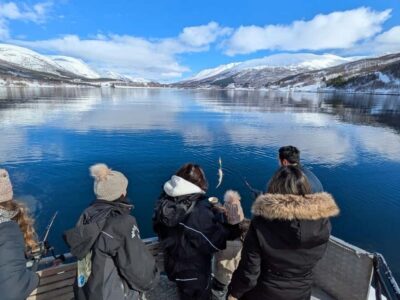
Tromsø’s Top-Rated Fjord & Fishing Cruise – All-Inclusive
Read our review →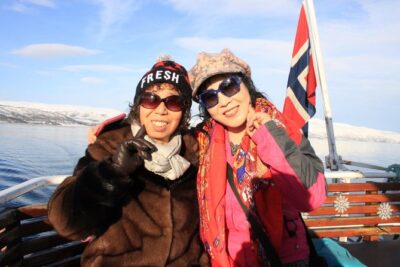

Molde: Atlantic Ocean Road and Tour of Bud Fishing Village
Read our review →
Browse the lists this tour appears in