
Reviewed · WALKING TOURS
2-Hour Walking Introduction to Copenhagen and its Main Sights
Copenhagen reveals itself best on foot, and this two-hour introduction gives you a brisk route through the city’s political center, royal quarter, old harbor, and main squares. You’ll hear how Copenhagen began, why the harbor mattered, and how the monarchy, Parliament, courts, and ministries still shape the city today.
I like the small group limit of 10 and the practical finish. You get a map, a headset if needed, and advice on what to see next, from Nyhavn and Amalienborg to sights farther afield. Guides such as Jens and Rasmus have been praised for clear English, personal stories, humor, and useful food suggestions.
The main trade-off is pace. Two hours covers a lot of ground, but you do not enter the castles or museums, and the walk may feel quick if you want long visits at each stop. Wear comfortable shoes, and confirm where the guide is waiting at City Hall Square, since one participant found the meeting point harder to spot.
In This Review
- Key points at a glance
- Starting at City Hall Square
- From the medieval city to Christiansborg Palace
- Christian IV’s harbor and the old stock exchange
- Holmens Kirke and the royal route
- Nyhavn and Amalienborg
- Why the guide makes the difference
- What the two-hour pace means for you
- What you receive for $40.41
- Who will get the most from this walk
- Meeting point, finish, and practical details
- Should you book the Copenhagen walking introduction?
- FAQ
- How long does the Copenhagen walking tour last?
- Where does the tour start?
- Where does the tour finish?
- Is the tour conducted in English?
- Does the tour include palace or museum admission?
- How many people can join the walk?
- What is included in the tour price?
- Can I cancel for a full refund?
Key points at a glance
- City history in motion: Learn how Copenhagen grew from a medieval settlement into Denmark’s capital while walking between its major landmarks.
- A compact route: Cover City Hall Square, Christiansborg, the old harbor, Holmens Kirke, Kongens Nytorv, Nyhavn, and Amalienborg.
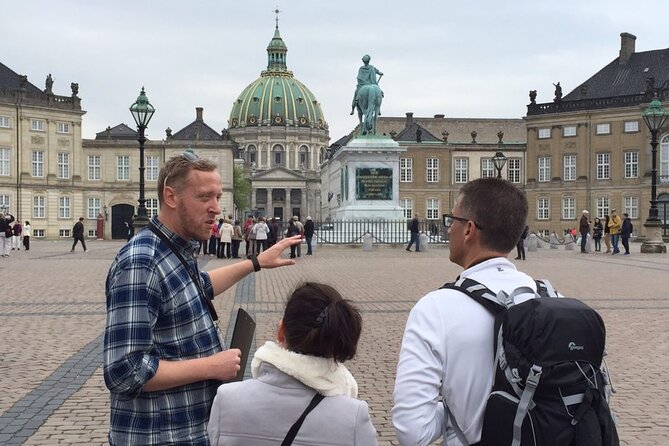
- Small groups matter: The maximum of 10 people makes it easier to hear the guide and ask questions.
- Personal local insight: Guides including Jens and Rasmus have added family stories, Danish customs, food tips, and ideas for the rest of your visit.
- A useful orientation: The walk ends with suggestions for continuing toward Nyhavn, the royal palace, and the Little Mermaid.
- Outdoor sightseeing: Entry to castles and museums is not included, so you spend your paid time walking and listening rather than waiting indoors.
Starting at City Hall Square
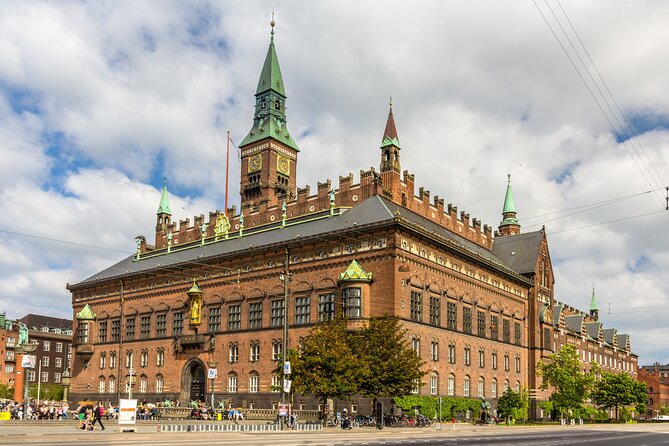
The walk begins beside the statue of Andersen at City Hall Square, or Rådhuspladsen, in central Copenhagen. This is a sensible meeting point because it is easy to reach by public transportation and puts you right in the middle of the city.
The square is more than a traffic junction. It is the place where Danes gather in huge numbers for major national celebrations, including big sporting victories. Your guide sets the scene here before turning to the impressive City Hall, built in 1905 and still used for the city administration.
This opening works well for first-time visitors. You quickly learn where the old center lies, how the main streets connect, and which sights deserve more of your own time later. The guide also introduces Copenhagen’s long shopping street, described as the world’s longest pedestrian shopping street, and points out the equestrian statue of the bishop linked to the city’s founding in 1189.
You should allow a few minutes to locate the guide. The meeting point is near the Andersen statue, but the guide may not be dressed in a highly distinctive outfit. A lanyard can help, yet it is wise to arrive early and keep your booking details handy.
A few more Copenhagen trips to weigh up
- Private Walking Grand Tour of Copenhagen
★ 5.0 · 3,953 reviews - Copenhagen Highlights Walking Tour
★ 5.0 · 2,324 reviews - Politically Incorrect Private Highlights Walking Tour
★ 5.0 · 1,244 reviews
From the medieval city to Christiansborg Palace
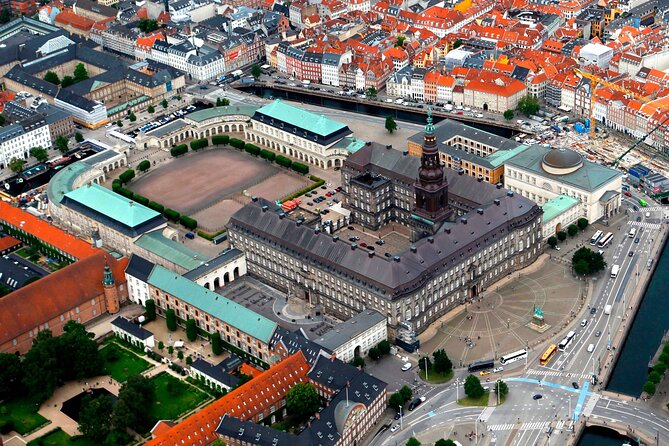
From City Hall Square, the walk moves into the older center and toward Christiansborg Slot. This huge palace is one of the most useful stops on the route because Denmark’s Parliament, Supreme Court, and Prime Minister’s Office are all connected with the complex.
You do not go inside the palace, but the exterior gives the guide plenty to explain. From here, you can also be shown the ministries, the central bank, and other important government buildings. This turns a palace visit into a lesson in how Denmark is governed today.
The location also carries the city’s earliest story. Copenhagen was founded here, and your guide explains how the settlement developed around this central site. That link between the medieval town and the modern government district is one of the tour’s strongest features.
Expect roughly 10 minutes at Christiansborg. That is enough for an explanation and photographs, but not enough for a detailed architectural study. If you want to visit the palace interiors, you will need to return on your own and pay for that separately.
Christian IV’s harbor and the old stock exchange
The route then reaches Christian IV’s Brewhouse, a massive brick building on the harbor dating from 1618. This stop shifts the focus from royal power to Copenhagen’s maritime past.
The building helps explain how the harbor worked as a naval base during the Renaissance. You get a sense of why water was so important to the city’s growth and defense. The stop is mainly about the setting and the story, not an interior visit, and admission is not included.
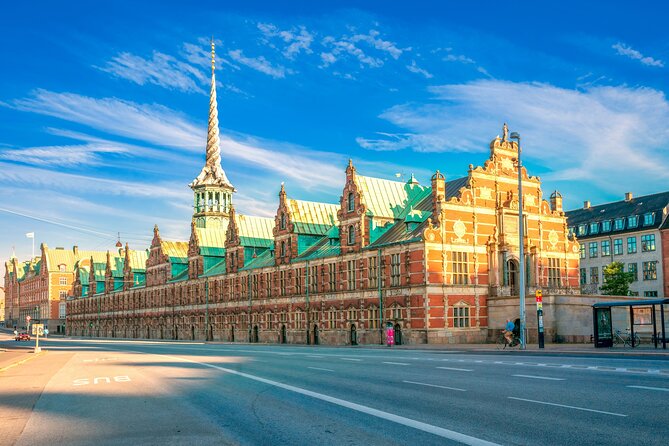
Nearby, the old stock exchange provides one of Copenhagen’s most memorable exterior details. Its tower is formed by the tails of three dragons, a fine example of the playful architectural touches that reward walking rather than rushing between major attractions.
These harbor stops are brief, about 10 minutes each in the listed schedule. That makes them good orientation points, but not full visits. I would note the buildings you want to see again, then return later with more time for photographs and a slower look.
Holmens Kirke and the royal route
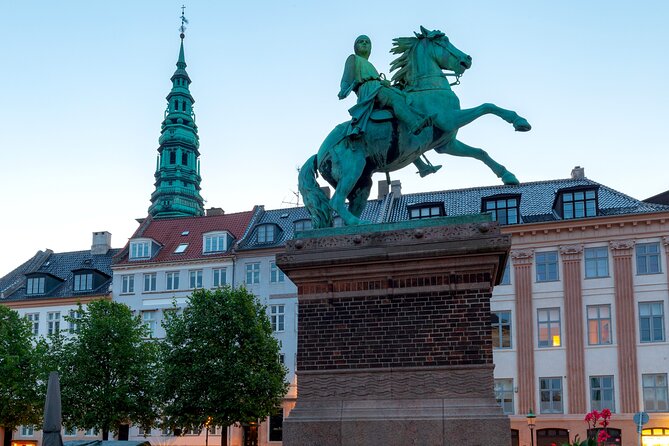
Holmens Kirke is a small but important pause on the route. The church dates from the 1500s and is associated with royal weddings and the burial of prime ministers.
The guide enters if the church is open, though access depends on church activities. The planned stop is only about six minutes, so treat this as a chance to see the interior when circumstances allow, not as a guaranteed church tour.
This uncertainty is worth understanding before you book. Copenhagen’s churches remain active places of worship, and ceremonies or other events can change access. Even if you only see the outside, the guide gives the building a clear place in the story of Danish public life.
The walk continues to Kongens Nytorv, or King’s New Square. Built in the Renaissance and surrounded by impressive 1700s buildings, it is a fine place to pause and understand the transition from old Copenhagen into the royal quarter.
Same fjord country, a very different day out:
- Copenhagen: Canal Cruise with Guide
★ 4.6 · 9,115 reviews - Copenhagen: Hop-On Hop-Off Bus Tour with Boat Tour Option
★ 3.9 · 4,122 reviews - From Copenhagen: Lund and Malmö 2-Country Tour
★ 4.7 · 2,772 reviews - Copenhagen: Highlights 3 Hour Bike Tour with a Local Guide
★ 4.8 · 2,312 reviews
Nyhavn and Amalienborg
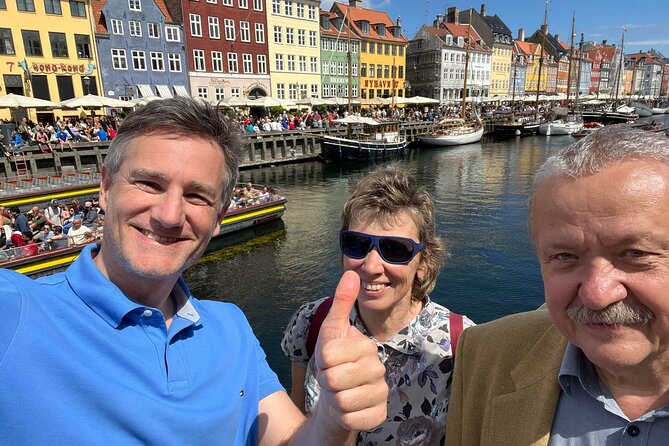
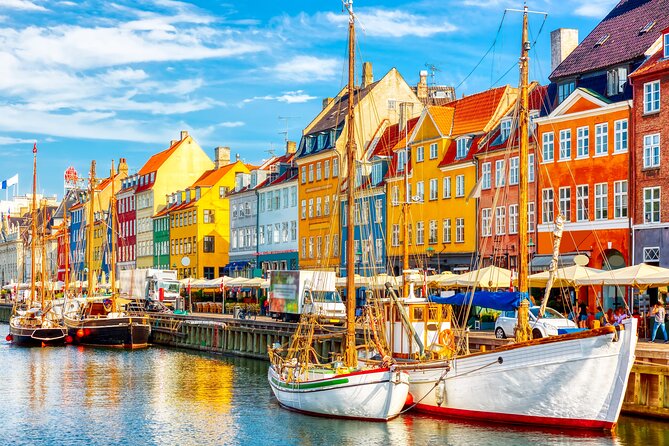
Nyhavn is the city’s postcard view, with rows of colorful houses along the old canal. The name means New Harbour, and the channel was dug in the 1600s by Swedish prisoners of war. Your guide uses this bright, familiar scene to add a harder historical edge to the picture.
The schedule allows around 10 minutes at Nyhavn. That is enough to see the canal, take photographs, and hear the basic story. It is not enough for a long café stop, so plan to return later if you want a relaxed meal or drink by the water.
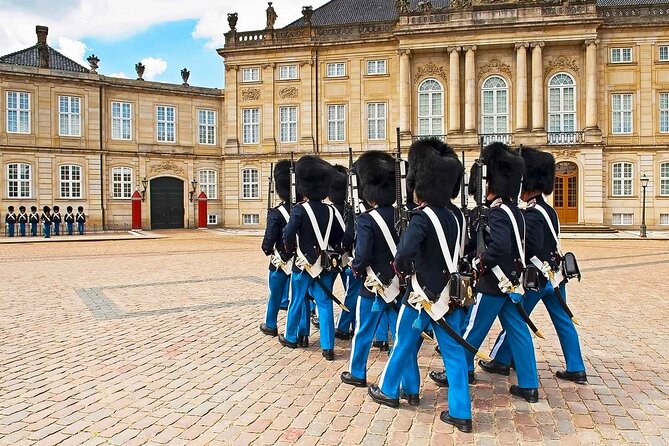
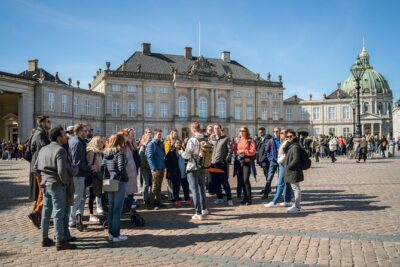
The route continues toward Amalienborg Palace, the royal residence made up of four large mansions from the mid-1700s. The square is one of Copenhagen’s grandest public spaces, and the guide explains the palace’s role in modern Denmark. Dramatic fighting also took place here during World War II, adding a wartime chapter to the royal setting.
The visit to the palace grounds is outside only. Entry to the interiors is not included, so you can decide later if the museum and palace rooms fit your schedule. The stated stop is about 15 minutes.
Timing can sometimes work in your favor. The walk has ended with the chance to see the changing of the guards, and one tour participant also happened to see the King drive past on the way to the opening of Parliament. These events are not guaranteed, but a guide who understands the city’s daily rhythm may help you notice them when they occur.
Why the guide makes the difference
This is a history-focused walk, but it is not meant to feel like a lecture. The strongest guide feedback centers on lively storytelling, clear English, humor, and the ability to answer questions without losing the group.
Jens has been singled out for his history of Denmark, local customs, and personal connection to Copenhagen. One account describes him as having family roots in the city reaching back to the 15th century. That kind of local perspective can add texture to places that might otherwise look like attractive stone buildings.
Rasmus has also been praised for an easy-going approach and for helping shape the rest of a visitor’s stay with suggestions for food and sights. Nick has been noted for adding a personal point of view and helping with an alternative plan when a participant wanted to reach a location outside the easy walking route.
Other named guides include George and Thomas. The exact guide depends on the date, so you should not book on the assumption that one particular person will lead your walk. The consistent aim is a local, English-speaking guide who can explain the city and point you toward the next useful stop.
The headset is a practical touch. You can hear the guide while walking, even when the group spreads out a little. It is not mandatory to use, but I would take it on a busy street or in a larger open square.
What the two-hour pace means for you
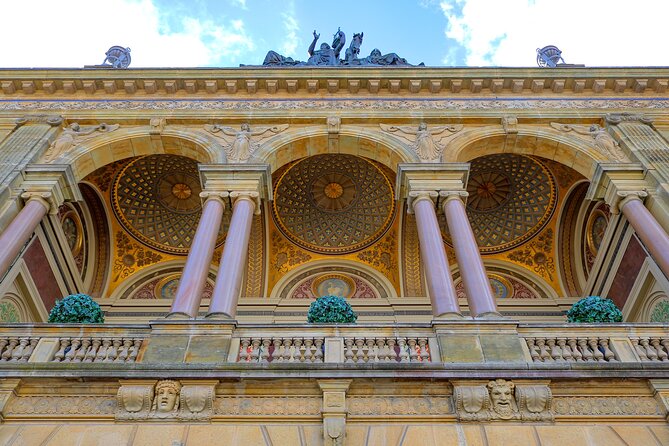
The tour is advertised at approximately two hours, and the route covers a good stretch of central Copenhagen. It is not a gentle wander with long breaks. You move from square to palace, then across the harbor area and into the royal district.
That pace is useful if you have just arrived and want a mental map quickly. You learn the city’s basic layout, see the major central sights, and finish near places you can explore independently.
The same pace may feel demanding if you prefer extended photographs, indoor visits, or café time. There is no listed pastry or drink stop, although you can ask for recommendations. A participant received a good bakery suggestion for Hart, while another ended the afternoon at La Glacé for cakes and hot chocolate. Those stops are not part of the tour, but they show the sort of local guidance you can request.
The walk includes some standing and steady movement. Most people can take part, and the tour is near public transportation, but comfortable footwear remains a smart choice. In hot weather, carrying water is sensible. One guide made a quick cold-drink rest possible during a hot walk, though you should not count on a formal break every time.
What you receive for $40.41
At $40.41 per person, the price is fair if you use the walk as a first-day orientation rather than a substitute for museum admission. Your fee covers a small guided group, an English-speaking local guide, the headset, a small city map, and advice for continuing on your own.
The value comes from the connections between sights. A map can show you City Hall, Christiansborg, Nyhavn, and Amalienborg, but it will not explain how Copenhagen’s founding, navy, monarchy, government, and harbor fit together.
You do not pay for entry to the castles or museums, which keeps the tour focused and lets you choose later visits based on your interests. On the other hand, you should budget separately if you want to enter Christiansborg or Amalienborg.
The tour is often booked well ahead, with an average booking time of about 32 days. That suggests planning early is sensible, especially if your Copenhagen dates are fixed. The group limit of 10 helps justify the price more than a large city walk would.
Who will get the most from this walk
I would choose this tour for a first visit, especially if you arrive with only a loose idea of Copenhagen. It gives you a quick grasp of the center and leaves you near several places worth revisiting.
It also suits anyone who enjoys history through stories rather than long museum panels. The guide can move from a medieval bishop to Renaissance naval planning, royal ceremonies, World War II, and present-day government in one compact route.
Families and mixed-age groups may appreciate the humor and movement. The tour avoids a long indoor presentation, though younger children still need to manage a two-hour city walk.
You may want a different experience if you have already explored central Copenhagen or if your main goal is palace interiors. This walk does not enter the castles and museums, and the short stops leave little time for detailed photography or architecture.
Solo visitors and couples can benefit from the question time. You can ask what to see next, how to reach it, and where to eat. The small group makes those questions easier than they would be on a large coach tour.
Meeting point, finish, and practical details
The starting point is the Andersen statue at Rådhuspladsen, City Hall Square, 1553 København V. The stated finish is Amalienborg Palace at Amalienborg Slotsplads, 1257 København K.
The route information also says the walk ends at Kongens Nytorv, where the guide explains how to continue toward Nyhavn, Amalienborg, and the Little Mermaid. In practice, confirm the exact finishing point and route details with your booking information, since the listed stops extend through the royal district.
A small city map is included, which is useful after the guide leaves. You can mark the places you want to revisit and use the advice to plan the rest of your day.
Free cancellation is available up to 24 hours before the start time. Changes or cancellations inside that period are not accepted for a refund. The walk requires good weather, and if poor weather causes cancellation, you are offered another date or a full refund.
The experience is offered in English only. Confirmation arrives at booking, and the activity is near public transportation. Tips for the guide are not included, so carry a little extra if you feel the service earned it.
Should you book the Copenhagen walking introduction?
I would book it if this is your first day in Copenhagen and you want history, orientation, and local advice in one short outing. The route covers the city’s main central sights without wasting time on transfers, and the guides appear to add the most value through stories, questions, and personal recommendations.
I would skip it if you want substantial time inside palaces, museums, or churches. You will see those places from the outside, with only a possible brief church visit, then need to return on your own.
At $40.41, the tour makes the best sense when you treat it as a smart starting point. Take notes, ask where to eat, listen for the guide’s tips, and use the rest of your stay to explore the places that caught your eye.
FAQ
How long does the Copenhagen walking tour last?
The tour lasts approximately two hours, including travel time along the walking route.
Where does the tour start?
It starts at the Andersen statue in City Hall Square, Rådhuspladsen, Copenhagen.
Where does the tour finish?
The stated end point is Amalienborg Palace at Amalienborg Slotsplads. The route information also identifies Kongens Nytorv as an important ending point before continuing toward Nyhavn and the royal district, so check your confirmation for the exact meeting details.
Is the tour conducted in English?
Yes. The tour is offered in English and includes a local English-speaking guide.
Does the tour include palace or museum admission?
No. The walk does not go inside the castles and museums. Any admission costs for those visits are separate.
How many people can join the walk?
The maximum group size is 10 travelers.
What is included in the tour price?
The price includes the guided small-group walk, an English-speaking local guide, a headset you may use to hear the guide, a small city map, and suggestions for further sightseeing. Tips are not included.
Can I cancel for a full refund?
Yes, if you cancel at least 24 hours before the experience start time. Poor weather may lead to a different date or a full refund.
Just added around Copenhagen
- a day at North Zealand Castle Tour★ 4.5 · 19 reviews
- The Hunt For The Six Forgotten Giants★ 5.0 · 45 reviews
- Copenhagen Walking Tour with Food Testing (smorrebrod dish & snap)★ 4.5 · 10 reviews
- walking tour – Copenhagen and Christiansborg 3 hours★ 4.0 · 7 reviews
- The Philosopher’s Last Walk: An audio tour on the life of Søren Kierkegaard★ 4.5 · 5 reviews
- The Six Forgotten Giants Trolls Hunt with Minibus★ 4.5 · 27 reviews
- Malmö Full Day Private Trip, Sightseeing Tour & Lunch Option★ 5.0 · 93 reviews
- The Forgotten Giants Private Tour★ 5.0 · 3 reviews
Walking Tours, compared.
Past & Present Small Group Guided Walking Tour
Read our review →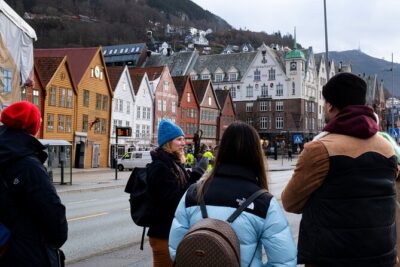
Walking Tour in Bergen of the Past and Present
Read our review →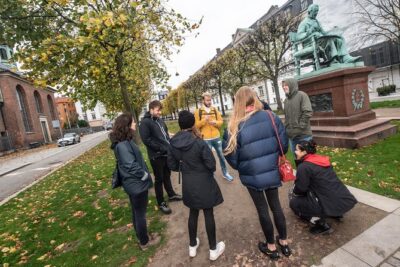
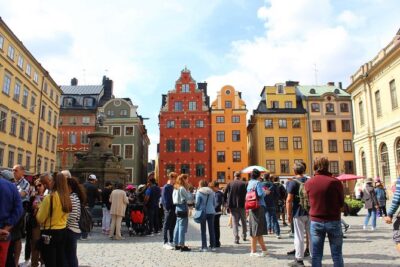
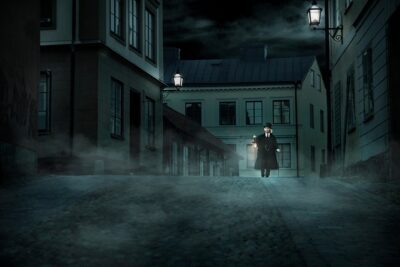
The Original Stockholm Ghost Walk and Historical Tour – Gamla Stan
Read our review →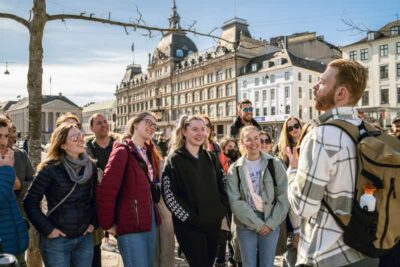
Group Walking Tour – City Highlights – 2 Hours
Read our review →Browse the lists this tour appears in