
Reviewed · PRIVATE WALKING TOURS
Copenhagen: Harbor Architecture Private Walking Tour
Copenhagen’s harbor is a living lesson in how an old port can make room for bold new buildings without erasing its past. This private two-hour walk links colorful Nyhavn with Operaen, Circle Bridge, the Royal Library, and the Danish Architecture Centre, giving you a quick look at why Copenhagen was named World Capital of Architecture in 2023.
I like the private format, since you can ask questions and set the pace instead of trailing behind a large group. I also like the mix of old and new: 17th-century harbor houses, a former paper mill site, a striking opera house, and bridges designed as public art.
The main drawback is the price, $394 for up to two people, which makes this a costly walking tour for solo visitors or couples. It is also a rain-or-shine walk with no wheelchair access, so good shoes and a sensible weather plan matter.
In This Review
- Key points to know before you book
- Why Copenhagen’s harbor makes such a good walking tour
- Starting beside Ofelia Plads
- Nyhavn, where color meets port history
- Krøyers Plads and the modern harbor edge
- Operaen, Copenhagen’s bold cultural marker
- Circle Bridge and the art of crossing water
- A photo stop at the Royal Library of Denmark
- Danish Architecture Centre, the final major stop
- What the private guide adds
- Is $394 good value for two people?
- Practical advice for the two-hour route
- Who will enjoy this harbor walk most?
- Should you book the Copenhagen Harbor Architecture tour?
- FAQ
- How long is the Copenhagen Harbor Architecture Private Walking Tour?
- Where does the tour begin?
- Where does the tour finish?
- Which languages are available?
- Is this a private tour?
- What is included in the price?
- Is the tour suitable for wheelchair users?
Key points to know before you book
- A private harbor walk for up to two people: The $394 group price works best for couples or companions who want personal attention.
- A strong old-meets-new route: You move from Nyhavn’s historic facades to modern harbor projects, the opera house, Circle Bridge, and the Danish Architecture Centre.
- A guide-led architecture lesson: Expect context about design, urban planning, port history, and Copenhagen’s recent building projects.
- Two language choices: Live guiding is available in English or Spanish.
- A point-to-point route: You begin by Ofelia Plads and finish at Islands Brygge, so you do not return to the starting point.
- A weather-dependent walk: Bring water and wear comfortable clothing. The tour runs in rain or sunshine.
Why Copenhagen’s harbor makes such a good walking tour
You do not need to be an architect to enjoy this experience. The harbor gives your guide a clear story to tell: Copenhagen has kept its historic waterfront character while adding new public spaces, cultural buildings, bridges, and neighborhoods.
The route is also easy to understand on foot. Instead of stopping at isolated buildings across the city, you follow the water from one project to the next. That makes the tour useful early in your stay, when you want to get your bearings and understand how Copenhagen’s central harbor fits together.
The focus is not just on pretty facades. You hear about how places were used, how former industrial areas changed, and how new buildings relate to the water around them. That practical context is what turns a sightseeing walk into something more worthwhile.
The tour lasts two hours, so expect a brisk overview rather than a full architectural study. Each listed stop receives about 15 minutes of guided attention, with walking between them. You will have time for photographs, but not an hour inside each building.
More Private Walking Tours in Copenhagen
- Private Walking Grand Tour of Copenhagen
★ 5.0 · 3,953 reviews - Copenhagen Highlights Walking Tour
★ 5.0 · 2,324 reviews - Politically Incorrect Private Highlights Walking Tour
★ 5.0 · 1,244 reviews
Starting beside Ofelia Plads
The meeting point is in front of the Scandic Hotel on Ofelia Plads, listed as Sankt Annæ Plads 21. This puts you close to Nyhavn and directly beside the harbor, a useful location for beginning a waterfront walk.
Ofelia Plads is a public space near the Royal Danish Playhouse and the water. On this tour, it works as more than a meeting point. It introduces you to Copenhagen’s habit of treating the harbor as a place for people, culture, and public life rather than simply a working port.
Your guide begins with about 15 minutes here. That opening gives you a chance to settle into the subject and hear how the waterfront has changed. If architecture is new territory for you, this is a good moment to ask your guide to explain design terms in plain language.
The meeting arrangement is simple, but make sure you allow enough time to find the hotel and plaza. Since this is a walking route, arrive ready to start. There is no hotel pickup or drop-off, and food and drinks are not included.
Nyhavn, where color meets port history
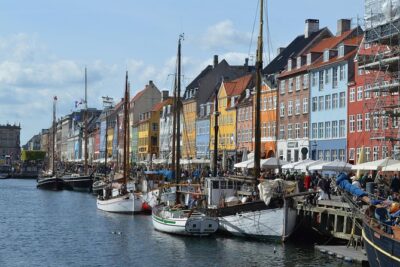
Nyhavn is the familiar Copenhagen scene: narrow waterfront buildings in bright colors, old ships, canal-side restaurants, and a long line of visitors taking photographs. It can feel postcard-perfect, but it also has a clear working history.
The district began as a 17th-century port area. Sailors, merchants, and ships once made this canal a busy part of city life. Your guide explains that background while pointing out the buildings and telling stories connected with artists and writers who lived in the area.
You receive about 15 minutes of guided time at Nyhavn. That is enough for a focused introduction, though not enough for an extensive visit to every house or a detailed literary tour. If you already know the canal from photographs, the useful part will be hearing how the old waterfront functioned and how it fits into the city’s wider development.
Nyhavn is also a good place to notice the contrast that drives the rest of the tour. The historic buildings are intimate and narrow. Across the water, Copenhagen’s newer projects use larger forms and more open spaces. Your guide helps connect those two visual worlds.
Krøyers Plads and the modern harbor edge
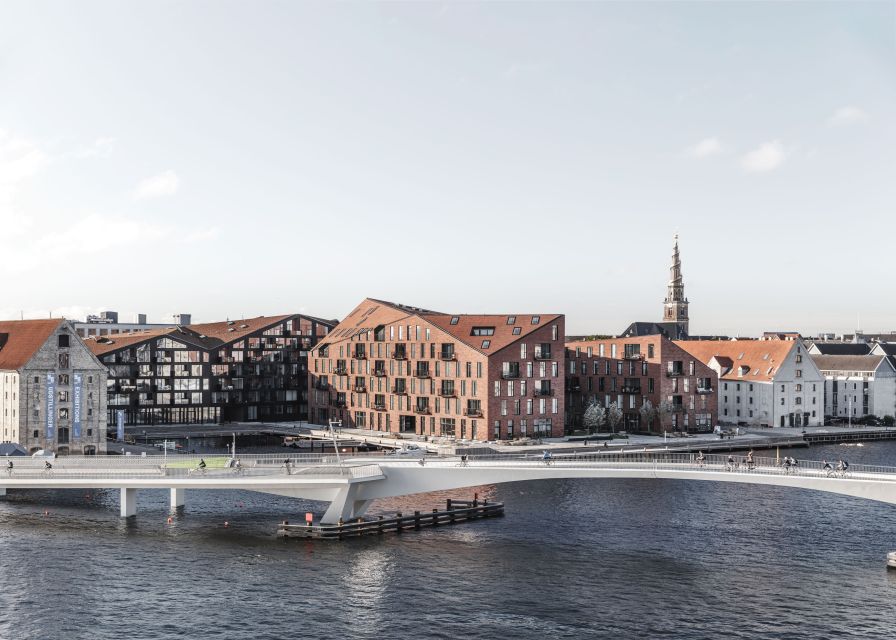
From Nyhavn, the walk continues toward Krøyers Plads. This stop adds another example of how Copenhagen has used the harbor for new buildings and public space.
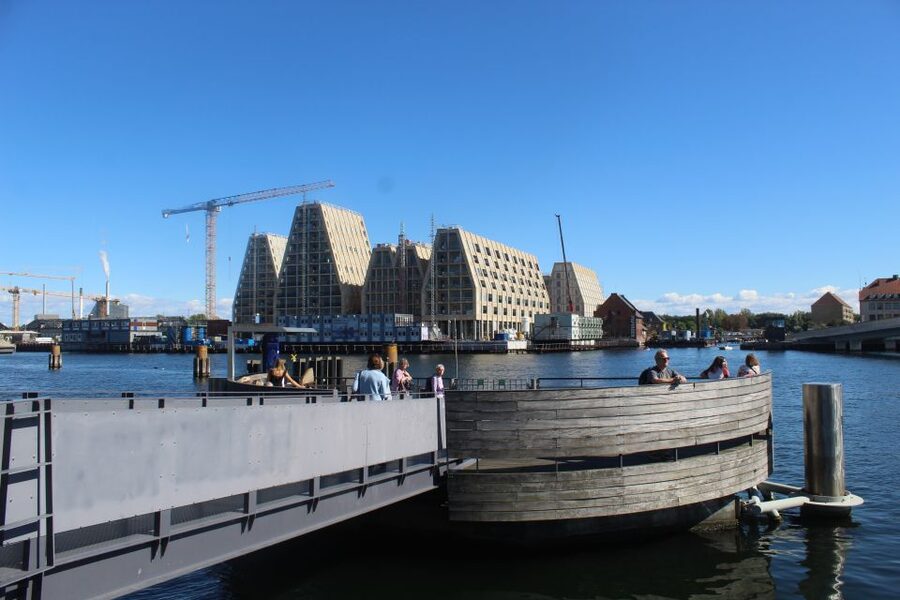
The tour description places Krøyers Plads within the modern waterfront story, alongside the former paper mill area of Papiroen and views toward the opera house. The point is not simply to admire a new development. You look at how a harbor site can support daily city life while keeping a visible link to its industrial past.
Papiroen was once a paper mill and has since been transformed into a popular urban area. Its buildings and harbor setting show how old working sites can be adapted for new uses. Your guide discusses the effort to retain signs of that earlier identity while creating a modern place for people to gather.
This is one of the more interesting parts of the route for anyone curious about city planning. A waterfront can be attractive, but it also needs a reason for people to visit and use it. The discussion here helps you consider that difference.
Keep your expectations in check. The supplied details do not promise entry into Papiroen or specific food stops, so treat this as an outdoor architecture and urban-design visit. Food and drinks are not included.
Same fjord country, a very different day out:
- Copenhagen: Canal Cruise with Guide
★ 4.6 · 9,115 reviews - Copenhagen: Hop-On Hop-Off Bus Tour with Boat Tour Option
★ 3.9 · 4,122 reviews - From Copenhagen: Lund and Malmö 2-Country Tour
★ 4.7 · 2,772 reviews - Copenhagen: Highlights 3 Hour Bike Tour with a Local Guide
★ 4.8 · 2,312 reviews
Operaen, Copenhagen’s bold cultural marker
You then get a view of Operaen, Copenhagen’s opera house on the waterfront. Completed in 2005, it has become a major cultural landmark and one of the most recognizable modern buildings along the harbor.
The building’s design is tied to the water and to Denmark’s cultural identity. Your guide explains how the opera house relates to its setting, rather than presenting it as an object that could have been placed anywhere.
This is a particularly useful stop if you enjoy the relationship between a building and its surroundings. From the harbor, you can consider the opera house as part of a larger composition that includes water, open space, and historic Copenhagen across the channel.
The tour does not include an opera performance or an interior visit. You are looking at the building from the outside and learning about its design. That makes the stop best for people who want context and photographs, not a full performing-arts experience.
Circle Bridge and the art of crossing water
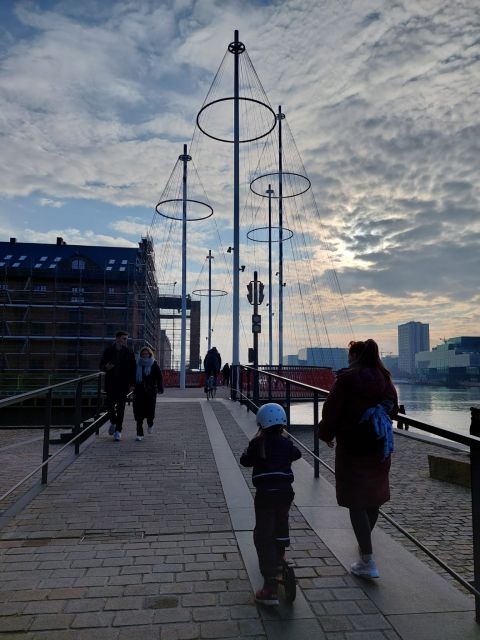
Circle Bridge is one of the route’s most memorable pieces of design. It is a pedestrian bridge with a circular concept inspired by the circles of life.
The bridge does a practical job by connecting two sides of the harbor, but it is meant to be experienced as more than a simple crossing. Its unusual form slows you down and makes an everyday act, walking from one side to another, feel more deliberate.
Your guide spends about 15 minutes here. That is enough to explain the idea behind the bridge and point out how its shape affects the experience of crossing. You also get another strong photo stop, with the harbor providing the setting.
Circle Bridge shows why this tour is not only about grand cultural buildings. Copenhagen’s architecture also appears in modest public structures that shape how people move through the city. If you like bridges, public art, or design that changes ordinary routines, pay close attention here.
A photo stop at the Royal Library of Denmark
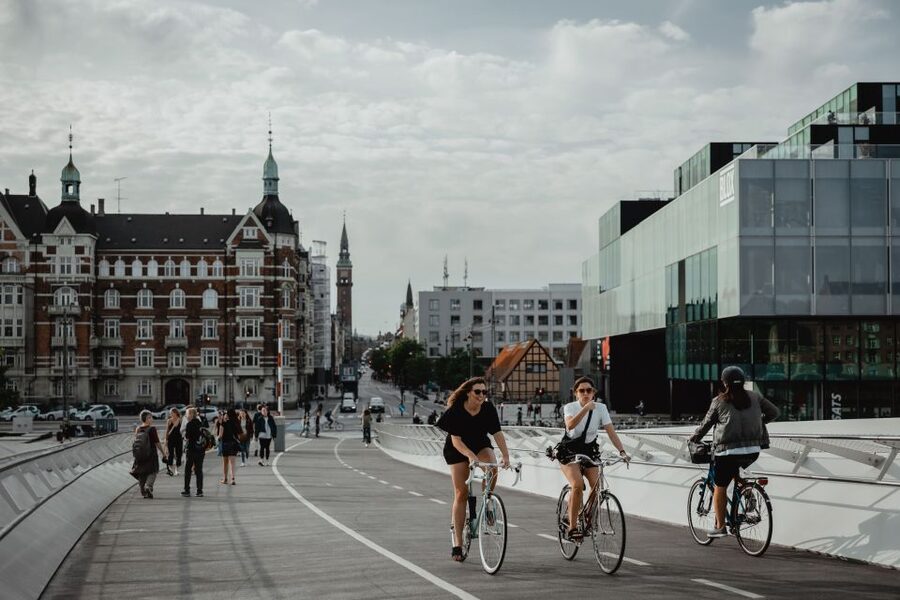
The route next reaches the Royal Library of Denmark. This is listed as a 15-minute photo stop rather than a full guided visit.
That distinction matters. You should expect time to see and photograph the building from outside, but not a detailed indoor tour or extended explanation of its collections. The library is part of Copenhagen’s broader harbor redevelopment, where cultural institutions sit beside public walkways and water views.
Use this pause to take photographs and catch your breath. The route covers several locations in two hours, so a short stop at the library helps keep the schedule moving.
If you are especially interested in the library’s interiors, collections, or exhibitions, you will need to plan a separate visit. This tour uses the building as one piece of the harbor’s architectural story.
Danish Architecture Centre, the final major stop
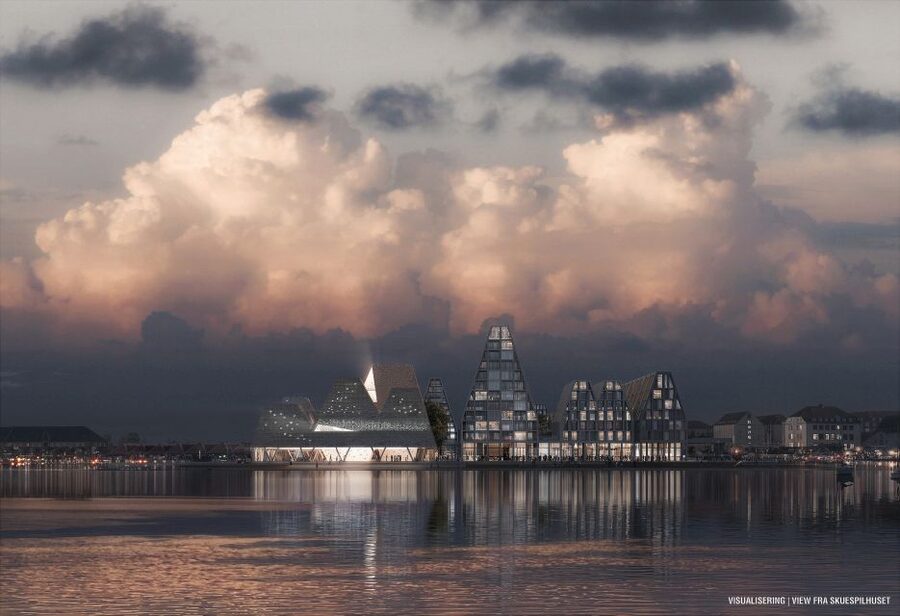
The Danish Architecture Centre, often called DAC, provides the most direct connection to Copenhagen’s design culture. Here, the tour focuses on architecture as an active part of city life, not just a collection of attractive buildings.
The available information describes this as a guided tour stop, with about 15 minutes allotted. It does not specify admission to exhibitions or an extended indoor program, so you should think of the visit as a guided introduction rather than a complete museum visit.
That short visit can still be useful. After seeing Nyhavn, the opera house, Circle Bridge, and the harbor developments, you have a set of real examples to place in context. The Danish Architecture Centre helps tie those examples together and gives the tour a fitting finish.
The route ends at Islands Brygge 4, 2300 København, rather than back at Ofelia Plads. Islands Brygge is another harbor-side area, so you finish with the water still close by. Plan your next activity from the ending point, not the meeting point.
What the private guide adds
The guide is the main reason to choose this experience instead of walking the harbor on your own. You can read about Nyhavn and photograph Circle Bridge independently, but a guide can explain why the sites belong in the same story.
The group is private, limited to the booking party, with a maximum of two people at the listed price. That setup gives you room to ask about buildings that catch your eye and to request more detail on the subjects you care about.
Guiding is available in English and Spanish. Dalit is specifically associated with the tour, and the feedback supplied for the experience points to her enthusiasm and ability to make Copenhagen’s architecture engaging. Another booking praised the guide’s strong command of the subject and called the harbor route an excellent way to learn about the city.
Those comments match what you should seek from this kind of walk: not a lecture full of technical terms, but a guide who links design to stories, daily life, and the city’s past. Since the tour is private, you can say if you prefer more history, more modern architecture, or more time for photographs.
Is $394 good value for two people?
At $394 per group, the tour costs $197 per person if two people share it. That is expensive for a two-hour walk, especially when you compare it with a regular group sightseeing tour or a self-guided route.
The price makes more sense if you value privacy and personal discussion. You are paying for a dedicated guide, an architecture-centered route, and the freedom to ask questions without a large group competing for attention.
For a couple with a serious interest in architecture, urban planning, or Copenhagen’s harbor redevelopment, the private format may be worth it. It can also suit two people with limited time who want a focused introduction instead of spending half a day finding the major sites themselves.
For a solo visitor, the value is harder to justify. You pay the same group rate, and the walk does not include meals, transportation, hotel pickup, or a clearly stated interior admission. If the price feels too high, you might prefer to visit the harbor independently and reserve paid guiding for a longer museum or specialist experience.
Practical advice for the two-hour route
Wear comfortable clothing and shoes. The tour is entirely on foot, and the route moves from Ofelia Plads to Islands Brygge rather than returning to the start.
Bring water. There is no included food or drink, and two hours of walking beside the harbor can feel longer in wind or rain.
The tour runs rain or shine. Check the forecast and bring suitable outerwear, but do not assume poor weather will cancel the walk. Copenhagen’s waterfront is exposed, so a wet or windy day can affect comfort even when the architecture remains worth seeing.
This walk is not suitable for people with mobility impairments or wheelchair users. The route includes ordinary city streets, harbor paths, and a pedestrian bridge, but no further accessibility details are provided. If access is important for you, contact the provider before booking.
Free cancellation is available up to 24 hours before the scheduled start, and you can reserve now and pay later. Those options help if your plans are still shifting, but they do not change the need to arrive at the stated meeting place.
Who will enjoy this harbor walk most?
I would choose this tour for:
- Couples who want a private introduction to Copenhagen’s newer architecture
- Visitors who enjoy buildings, bridges, public spaces, and city planning
- First-time visitors who want to connect Nyhavn with the wider harbor
- People who prefer a guide’s explanation over reading plaques or guidebooks
- Travelers with only two hours for a focused waterfront experience
- English- or Spanish-speaking visitors looking for a private guide
I would think twice if you want a relaxed food tour, a long museum visit, a boat trip, or a deep look inside Copenhagen’s cultural buildings. This is an outdoor walking tour, and its value rests on the guide’s explanations and the range of harbor views.
Should you book the Copenhagen Harbor Architecture tour?
Book it if you want a short, private lesson in Copenhagen’s old and new waterfront and are happy to pay for a dedicated guide. The route covers a lot in two hours, from Nyhavn’s port origins to Operaen, Circle Bridge, the Royal Library, and the Danish Architecture Centre.
I especially like the combination of historic streets and newer public projects. The praise for Dalit’s enthusiasm also matters, since a good guide can make architectural details feel human instead of dry.
Skip it if $394 feels steep for two hours, if you need wheelchair access, or if you want entry into the opera house, library, or architecture centre. For the right audience, though, this is an efficient way to see how Copenhagen has reshaped its harbor while keeping the city’s older character in view.
FAQ
How long is the Copenhagen Harbor Architecture Private Walking Tour?
The tour lasts two hours.
Where does the tour begin?
It begins in front of the Scandic Hotel on Ofelia Plads, at Sankt Annæ Plads 21.
Where does the tour finish?
The route finishes at Islands Brygge 4, 2300 København, Denmark.
Which languages are available?
Live guiding is available in English and Spanish.
Is this a private tour?
Yes. It is offered as a private group experience for up to two people at the listed group price.
What is included in the price?
A guide and the walking tour are included. Hotel pickup and drop-off, food, and drinks are not included.
Is the tour suitable for wheelchair users?
No. The experience is not suitable for wheelchair users or people with mobility impairments.
More Walking Tours in Copenhagen
- Copenhagen: Group Walking Tour – City Highlights – 2 Hours
★ 4.7 · 1,088 reviews - 3h walking tour, small group max 10 people Copenhagen
★ 5.0 · 686 reviews - Walk & Canal Tour: Copenhagen Highlights + Changing of the Guards
★ 5.0 · 580 reviews - Copenhagen: Hygge and Happiness Culture Walking Tour
★ 4.9 · 539 reviews
Just added around Copenhagen
- a day at North Zealand Castle Tour★ 4.5 · 19 reviews
- The Hunt For The Six Forgotten Giants★ 5.0 · 45 reviews
- Copenhagen Walking Tour with Food Testing (smorrebrod dish & snap)★ 4.5 · 10 reviews
- walking tour – Copenhagen and Christiansborg 3 hours★ 4.0 · 7 reviews
- The Philosopher’s Last Walk: An audio tour on the life of Søren Kierkegaard★ 4.5 · 5 reviews
- The Six Forgotten Giants Trolls Hunt with Minibus★ 4.5 · 27 reviews
- Malmö Full Day Private Trip, Sightseeing Tour & Lunch Option★ 5.0 · 93 reviews
- The Forgotten Giants Private Tour★ 5.0 · 3 reviews
Private Walking Tours, compared.
Past & Present Small Group Guided Walking Tour
Read our review →
Walking Tour in Bergen of the Past and Present
Read our review →
Group Walking Tour – City Highlights – 2 Hours
Read our review →
3h walking tour, small group max 10 people Copenhagen
Read our review →Browse the lists this tour appears in