
Reviewed · KAYAKING TRIPS
Færvik: Raet National Park Sea Kayaking Trip
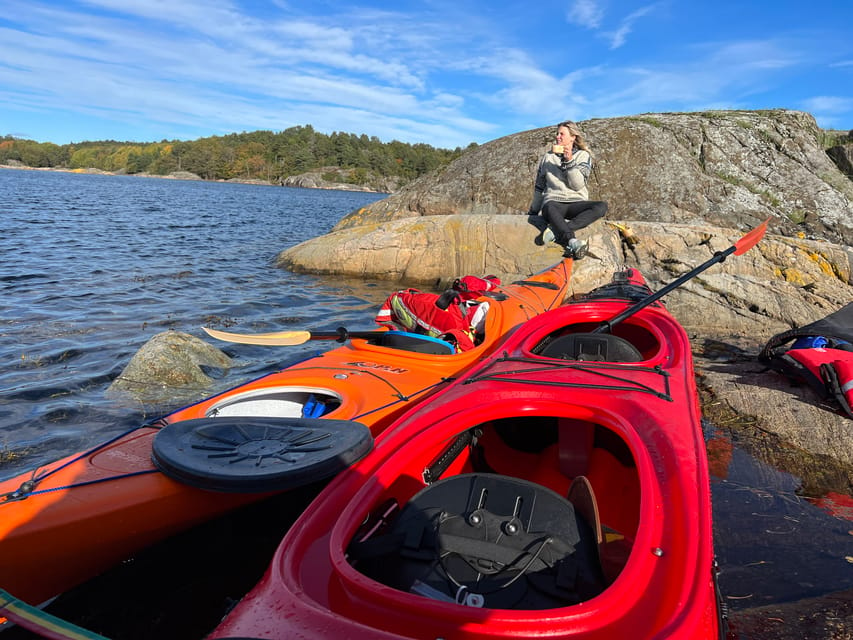
Raet National Park is mostly underwater, so a kayak is the right way to see it. From Hove, you paddle through the Norwegian skerries, past islands shaped by a glacier more than 12,000 years ago, with clear water and maritime life close at hand. I like the beginner-friendly instruction and the route’s mix of natural beauty and old sea roads. I also like that your guide takes photos, so you can focus on paddling instead of protecting your phone.
The main catch is physical: you will paddle for two to three hours in open water. Rain is possible, wind can change plans, and the tour is not suitable for non-swimmers, children under 12, pregnant women, or anyone over 110 kilograms. Guides such as Pat have adapted the outing to the weather and the people in the kayaks, but this is still an active trip, not a gentle boat ride.
In This Review
- Key points about the Hove sea kayak trip
- Why Raet National Park works so well from a kayak
- Starting at Hove on Tromøya
- The first paddle through the sheltered skerries
- Gjessøya and the old coastal routes
- Merdø, history, and a possible shore break
- Lille Brattholmen and the changing view
- Sandy Gjessholmen and the longer return paddle
- Weather, equipment, and what the $125 price covers
- Who should book this three-hour outing
- Should you book the Raet kayak tour?
- FAQ
- Where does the Raet National Park sea kayak tour start?
- How long does the kayaking experience last?
- Is the tour suitable for beginners?
- What languages does the guide speak?
- What equipment is included?
- What should I bring?
- Who cannot take part?
- Can weather change or cancel the tour?
Key points about the Hove sea kayak trip
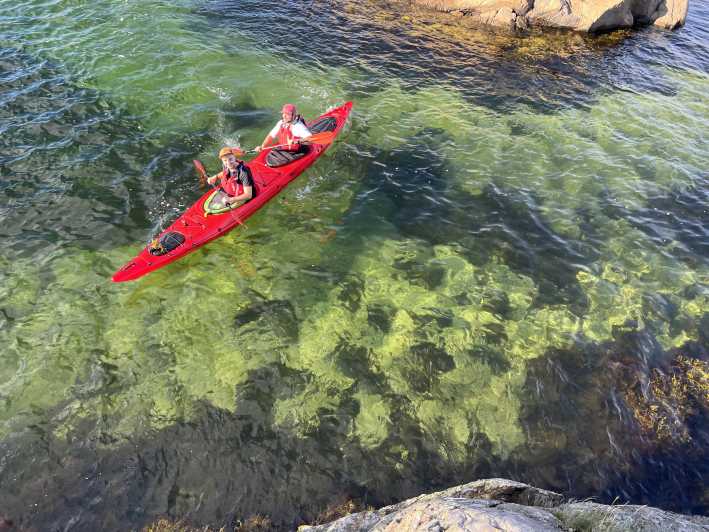
- Raet National Park from water level: About 98 percent of the park lies below the sea, making kayaking a natural way to see its marine side.
- A route through old sea passages: The islands around Hove have been part of coastal travel routes since the 1500s.
- Glacial scenery: Smooth rock, low islands, and skerries reflect ice movement from more than 12,000 years ago.
- A good first sea kayak outing: You receive a safety briefing, paddle instruction, and practice time before setting off.
- Merdø adds a cultural option: Depending on conditions, the route can include historic Merdø, with time for lunch or a museum visit.
- Useful inclusions: Water equipment, training, local history, and guide-taken photos are included in the $125 price.
Why Raet National Park works so well from a kayak
At first glance, the Raet coast can look like a collection of small islands scattered off southern Norway. From a kayak, the area makes more sense. You move at the pace of the water, slipping between skerries instead of viewing them from a distant shoreline.
The park is unusual because so much of it is underwater. That fact changes the trip. You are not simply looking at a protected area from the edge. You are traveling across the marine section itself, with the islands, channels, and shallow coastal waters forming the scenery around you.
The route also connects nature with human history. These waters formed part of sea routes used since the 1500s. Your guide points out places of interest and explains the history of the islands as you paddle. That short local context helps turn a pleasant kayak outing into a clearer picture of how people moved, worked, and lived along this coast.
The setting is also shaped by ice. The skerries and low islands were left behind by a glacier more than 12,000 years ago. You do not need a geology lesson to enjoy the result, but it is worth noticing the simple forms around you: exposed rock, open water, sandy bays, and islands with little modern development.
More kayaking trips in Norway:
- Tromsø: Winter Sea Kayaking Tour with Wildlife Sightings
★ 4.9 · 333 reviews - Eggum: Lofoten Islands Midnight Sun Kayak Tour
★ 4.9 · 322 reviews - 1-Day Small-Group Stockholm Archipelago Kayak Tour
★ 5.0 · 266 reviews
Starting at Hove on Tromøya
You meet at the Beach house at Hove, at Hoveveien 108 on Tromøya. The activity begins with equipment and preparation rather than an immediate launch, which is good news if this is your first sea kayak trip.
You receive the required water equipment and protective clothing, then listen to a safety briefing and an explanation of the route. The briefing takes about 20 minutes. It covers what to expect and gives the guide a chance to explain how the group will travel through the skerries.
The guide then demonstrates paddle technique. You have time to practice before the trip begins, so you can get a feel for steering and forward strokes while still close to shore. This is one of the most useful parts of the experience. Sea kayaking feels less awkward once you understand how the paddle controls the boat.
The guides speak Norwegian and English. Pat led at least some departures and was described as well prepared, helpful, and engaging. Another useful detail is the guide’s ability to adjust the outing to the people present and the weather. That matters on a coastal trip, where conditions may be more important than a fixed route.
The first paddle through the sheltered skerries
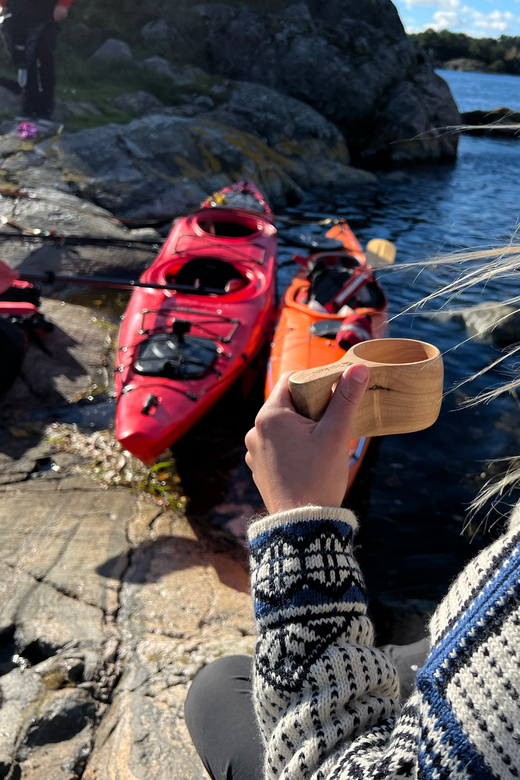
Once you leave Hove, the group enters the archipelago and heads southwest. The water is described as sheltered, but you are still paddling in open water. You should expect steady physical effort, not a short photo stop in a kayak.
The first major stretches of paddling take about 30 minutes at a time. That gives you enough time to settle into a rhythm and look around without feeling rushed. At the same time, you should not expect to sit still for long. The listed route includes roughly two to three hours of paddling once the briefing and preparation are counted.
Sheltered water makes the route suitable for beginners, but it does not remove every challenge. You need to follow instructions, keep control of your kayak, and be comfortable being on the sea. You must also be able to swim and be in good physical health.
The guide provides help as you learn. That support is especially valuable if you have never used a sea kayak before. You can concentrate on the basic movements while the guide handles navigation, points out features, and keeps the group moving together.
Gjessøya and the old coastal routes
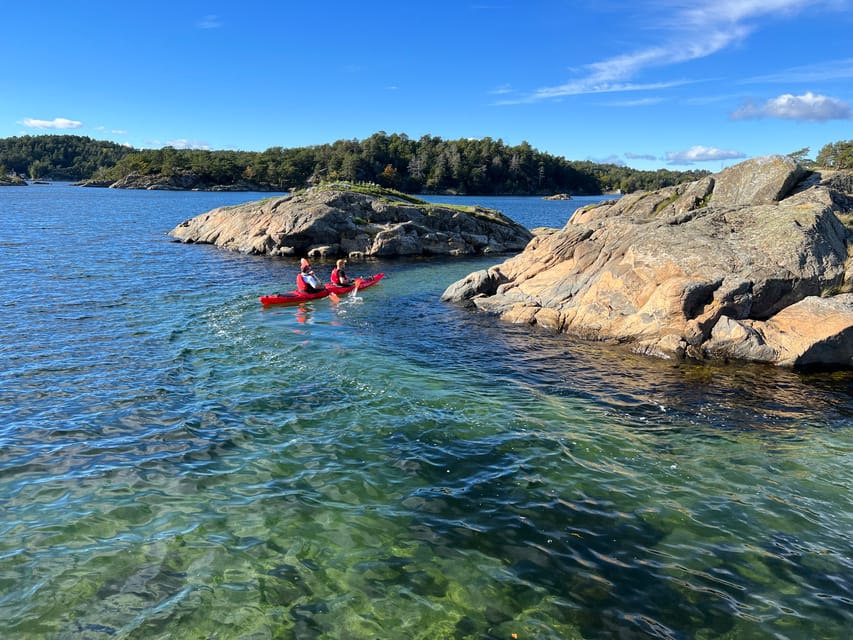
The route passes Gjessøya, one of the first island areas named in the outing. The pass-by portion is listed at about 10 minutes, so this is not a long shore visit. You will see the island from the water while the guide explains the area and its place in the local story.
This is where the scale of the skerries becomes clear. Small islands can look close together on a map but feel more varied from a kayak. Channels open and narrow, rocky edges change shape as you move, and the view keeps shifting with each paddle stroke.
I like this part because it shows why the route is about more than scenery. These were working waters, not just pretty corners of the coast. The guide’s local history gives the islands a human connection without turning the trip into a formal lecture.
You should also keep your expectations realistic. The itinerary says pass by, not land and explore Gjessøya. If you want a longer break on shore, Merdø offers the stronger possibility, depending on weather, timing, and the guide’s decision.
A few more Norway trips to weigh up
- Stavanger: Guided Kayaking in Lysefjord
★ 4.9 · 200 reviews - Stockholm City Kayak Tour
★ 5.0 · 194 reviews - Bergen: Øygarden Islets Guided Kayaking Tour
★ 4.8 · 190 reviews - Stockholm: Guided Kayak City Tour & Optional Midsummer Meal
★ 4.6 · 170 reviews
Merdø, history, and a possible shore break
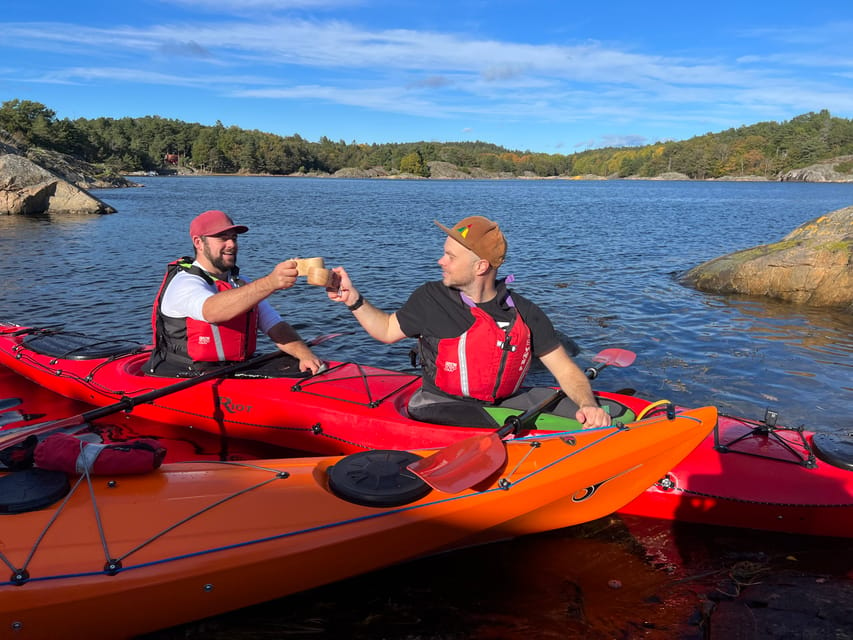
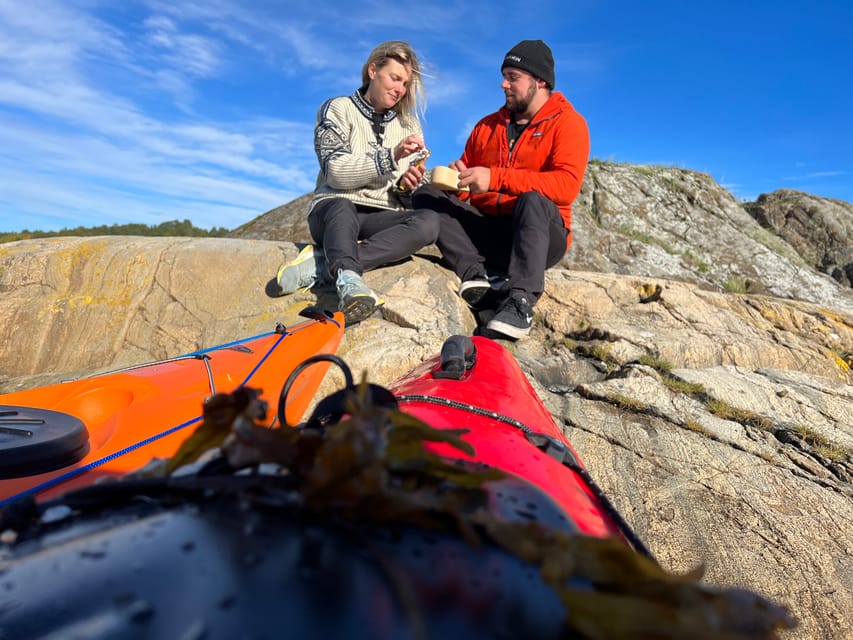
Merdø is one of the most interesting parts of the route because it can add time on land. The kayaking section around Merdø is listed at about 30 minutes, and the trip may continue to historic Merdø for lunch or a museum visit.
The wording matters: this option is not guaranteed as a fixed stop. Sea conditions, the group’s pace, and the day’s plan can affect what is possible. You should treat Merdø as a potential highlight rather than a promised long shore excursion.
If the route does include time there, Merdø gives the trip a useful change of pace. After paddling through the marine park, you can connect the water route with the island’s past. A lunch stop also breaks up the physical effort, though you should bring only what the operator permits and follow the guide’s instructions about equipment.
Merdø is also a reason to ask about the route before setting out if visiting the museum is important to you. The tour description allows for a visit, but the experience is built around kayaking, not a guaranteed museum tour.
Lille Brattholmen and the changing view
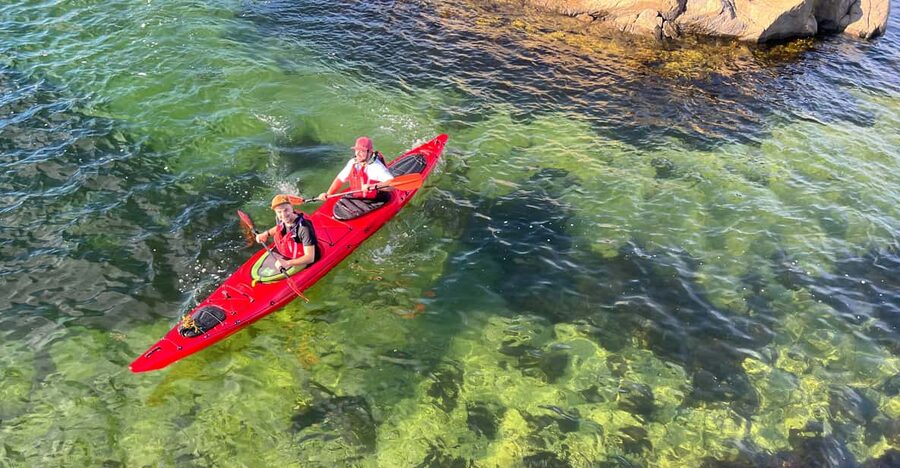
The route continues by Lille Brattholmen, with another 30-minute kayaking section. This is not described as a landing, so expect to pass the island from the water.
The value here is the steady sequence of coastal views. You are not spending the whole trip at one famous landmark. Instead, the experience comes from moving through several small places, each giving you a different angle on the park.
The guide’s photos are helpful during these sections. Sea kayaking demands both hands, and wet conditions make phones risky to handle. Having the guide take pictures means you can pay attention to your balance, paddle work, and the scenery.
You may also see maritime life in the clear water around the skerries. The information provided does not promise specific animals, so I would not book this as a wildlife-spotting trip. Think of marine life as part of the setting, with nature and clean water providing the main appeal.
Sandy Gjessholmen and the longer return paddle
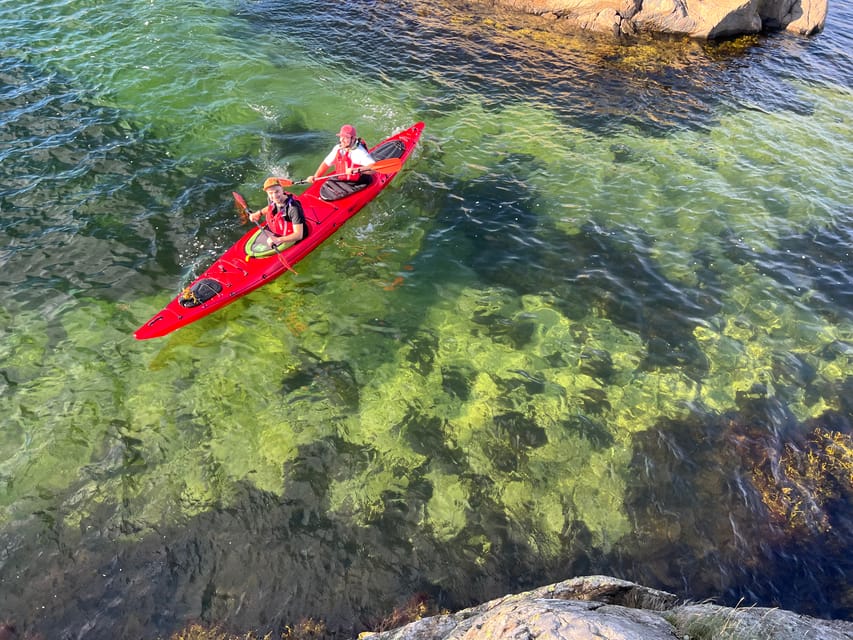
The route reaches the sandy bay at Gjessholmen after passing St Helena island and Badeholmen. The bay is one of the prettiest places on the trip, offering a change from the rocky skerries and open channels.
A sandy shore gives you a visual marker and a calmer-looking destination within the route. It also shows the variety packed into a three-hour outing. You see low rocky islands, sheltered passages, and a small sandy bay without needing a full-day expedition.
The section around Torjusholmen is listed at about 40 minutes, making it the longest named kayaking stretch in the itinerary. By this point, you will have had time to learn the basic paddle movement, but you may also begin to feel the work in your shoulders and arms.
That is why clothing and pacing matter. Bring comfortable shoes, warm clothing, a swimsuit, a towel, and a change of clothes. Wool underclothes are recommended in the supplied information, which is sensible for a cool or wet day. The operator also asks you to bring jogging shoes, so avoid arriving in footwear you do not want exposed to water.
Weather, equipment, and what the $125 price covers
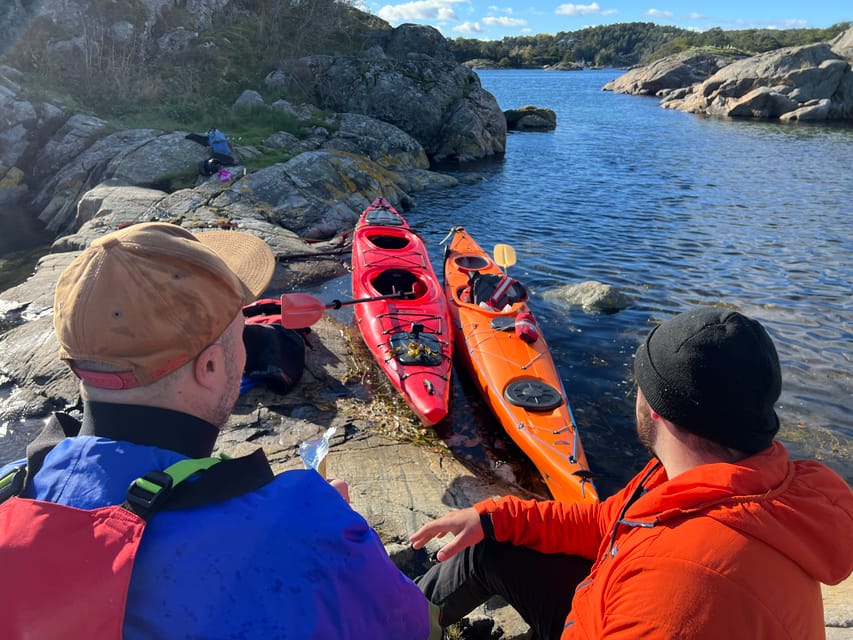
The price is $125 per person for three hours. That is fair value if you want a guided introduction to the Raet coast and do not own sea kayaking equipment. The fee includes all water equipment, protective clothing, paddle training, local history, and photos taken by the guide.
Those inclusions reduce the usual hassle. You do not need to arrange a kayak, paddle, or safety equipment separately. You still need to bring personal items, especially warm layers, a towel, and dry clothes for afterward.
Weather is the main variable. The operator can move or cancel an activity because of bad weather. That is not a flaw in this kind of outing. Safe sea kayaking depends on conditions, and a responsible guide should change the plan when the water or wind makes the original route unsuitable.
Rain does not automatically ruin the experience. A departure in rainy weather was still described as well prepared and worthwhile, with the guide adapting to the conditions. You should pack for wet weather rather than assuming a clear Norwegian summer day.
Smoking, drones, intoxication, alcohol, drugs, chewing gum, and bare feet are not allowed. These rules are practical on a guided water trip. Follow the clothing guidance closely, and arrive ready to spend several hours actively paddling.
You can cancel up to 24 hours ahead for a full refund, and you can reserve now and pay later. Those policies are useful when weather may affect your plans, though you should still check the available starting time before booking.
Who should book this three-hour outing
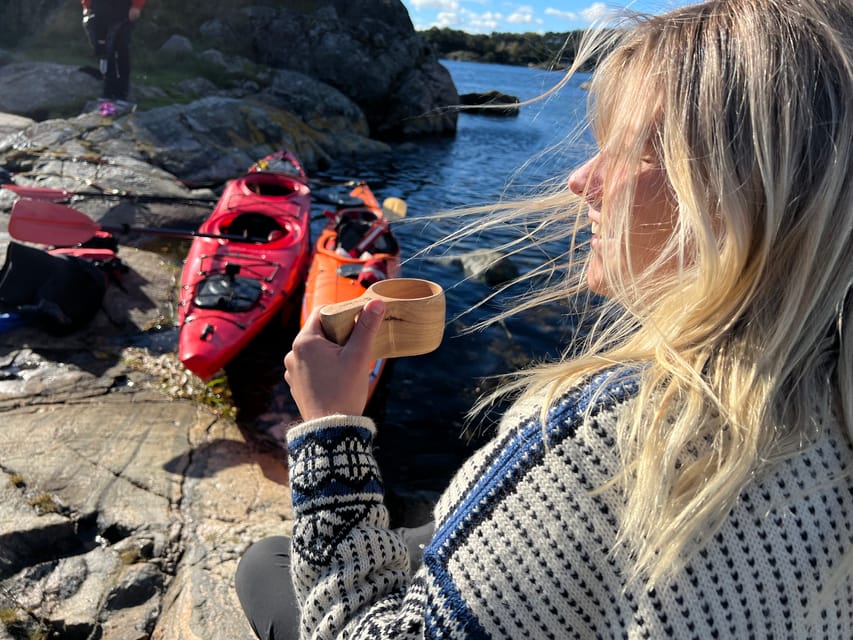
I would choose this trip if you want a short, guided introduction to sea kayaking in southern Norway. Beginners receive instruction before launching, and the route stays in sheltered archipelago waters as much as conditions allow.
It suits adults and older teenagers aged 12 and above who can swim and maintain reasonable physical effort for several hours. It is a better match for someone who wants an active outdoor experience than for someone seeking a passive sightseeing cruise.
You should think twice if you dislike cold water, wet clothing, or repetitive paddling. You should also skip it if you are not a swimmer, are pregnant, weigh more than 110 kilograms, or have a health issue that makes two to three hours of paddling unsafe.
The trip may appeal to history-minded visitors as well as nature lovers. The 1500s sea routes, island stories, and possible Merdø museum visit add substance to the scenery. Still, the activity remains primarily a kayak tour, so do not book it mainly for a long museum visit or a guaranteed lunch stop.
Should you book the Raet kayak tour?
Book it if you want to see Raet National Park from the water, prefer a small-scale outdoor activity, and are comfortable with a little weather uncertainty. The combination of instruction, equipment, guide-taken photos, local history, and a three-hour route gives the $125 price solid value.
I would be especially happy to recommend it to a first-time sea kayaker who wants a structured outing rather than renting a boat alone. Pat and the other guides appear to put real attention into preparation and adapting the tour to the group.
Skip it if your idea of sightseeing means staying dry and sitting still. This is a physical trip in open water, and conditions can change the route. For the right person, though, paddling past Gjessøya, Merdø, St Helena, Badeholmen, Lille Brattholmen, and Gjessholmen offers one of the most direct ways to experience the skerries around Hove.
FAQ
Where does the Raet National Park sea kayak tour start?
The tour starts at the Beach house at Hove, at Hoveveien 108 on Tromøya in Agder County, Norway.
How long does the kayaking experience last?
The full activity lasts three hours. This includes preparation, a 20-minute safety briefing, paddle instruction, practice, and roughly two to three hours of kayaking.
Is the tour suitable for beginners?
Yes. You receive a safety talk, a route explanation, a demonstration of paddle techniques, and time to practice before the trip begins.
What languages does the guide speak?
The guides speak Norwegian and English.
What equipment is included?
All water equipment and protective clothing are included. Paddle training, local history, and photos taken by the guide are also part of the experience.
What should I bring?
Bring comfortable or jogging shoes, a swimsuit, warm clothing, wool underclothes, a towel, and a change of clothes.
Who cannot take part?
The tour is not suitable for children under 12, pregnant women, non-swimmers, or people weighing more than 110 kilograms. You should also be in good physical health because sea kayaking requires sustained paddling.
Can weather change or cancel the tour?
Yes. The operator may move or cancel the activity because of bad weather. You can cancel up to 24 hours in advance for a full refund.
More National Parks in Norway
- Dovrefjell National Park: Hiking Tour and Musk Ox Safari
★ 4.8 · 88 reviews - Small Group Wilderness Husky Sledding 2h from Tromsø (car needed)
★ 5.0 · 77 reviews - From Bergen: Folgefonna National Park & Glacier Lake Tour
★ 4.9 · 589 reviews - Musk ox Safari in Dovrefjell National Park, Oppdal Safari
★ 5.0 · 524 reviews
Just added around Norway
- The Southern Norwegian Archipelago Experience★ 5.0 · 6 reviews
- The VIP North Cape Tour★ 4.5 · 45 reviews
- Small Group Wilderness Husky Sledding 2h from Tromsø (car needed)★ 5.0 · 77 reviews
- The North cape and the King crab★ 4.5 · 46 reviews
- The North Cape, Reindeer and Sami Families Tour★ 3.5 · 95 reviews
- 2-Hour Racing Toboggan at Dagali Fjellpark near Geilo in Norway★ 4.5 · 18 reviews
- White Water Rafting Adventure in Dagali – level 2★ 5.0 · 96 reviews
- North Cape Winter Tour★ 4.0 · 14 reviews
Kayaking Trips, compared.
Winter Sea Kayaking Tour with Wildlife Sightings
Read our review →
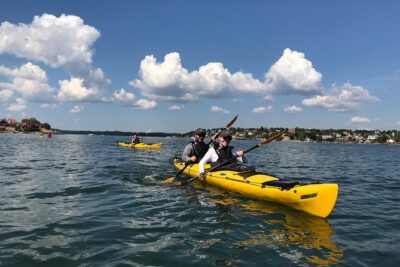
1-Day Small-Group Stockholm Archipelago Kayak Tour
Read our review →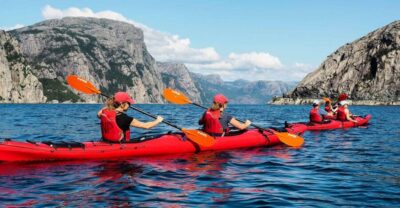
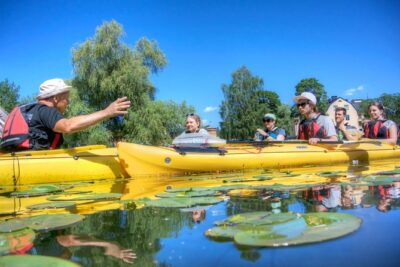
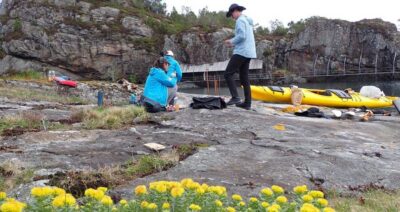
Guided Kayak City Tour & Optional Midsummer Meal
Read our review →
Winter Kayaking, Swedish Fika and hot Sauna Experience
Read our review →Browse the lists this tour appears in