
Reviewed · STOCKHOLM TOURS
From Stockholm: Uppsala and Sigtuna Viking Sites Tour
The best part of this nine-hour outing is its sense of historical progression. You begin with rune stones and Viking meeting places in the countryside, then follow Sweden’s shift from pagan power centers to Christian towns and medieval cathedrals. By the end, Uppsala feels less like a separate city visit and more like the final chapter of the story.
I like the small-group format, capped at 17 people, and the way the day links several sites instead of treating each as an isolated photo stop. I also like the human touches: hotel pickup when possible, a proper Swedish fika at Granby farm, and an interactive guide such as Urban, who is known for connecting local events to wider European history.
The main caution is the pace. You cover a lot of ground in one day, and the tour is academic in tone. You need to walk a few hundred meters, stand outdoors in changing weather, and follow English explanations for much of the day. Some stops can also feel brief, especially if you want museum time or a long wander in Old Uppsala.
In This Review
- Key points to know before you book
- Why this route tells Sweden’s story so well
- Leaving Stockholm for Jarlabanke Bridge
- Arkils Tingstad and the Viking assembly
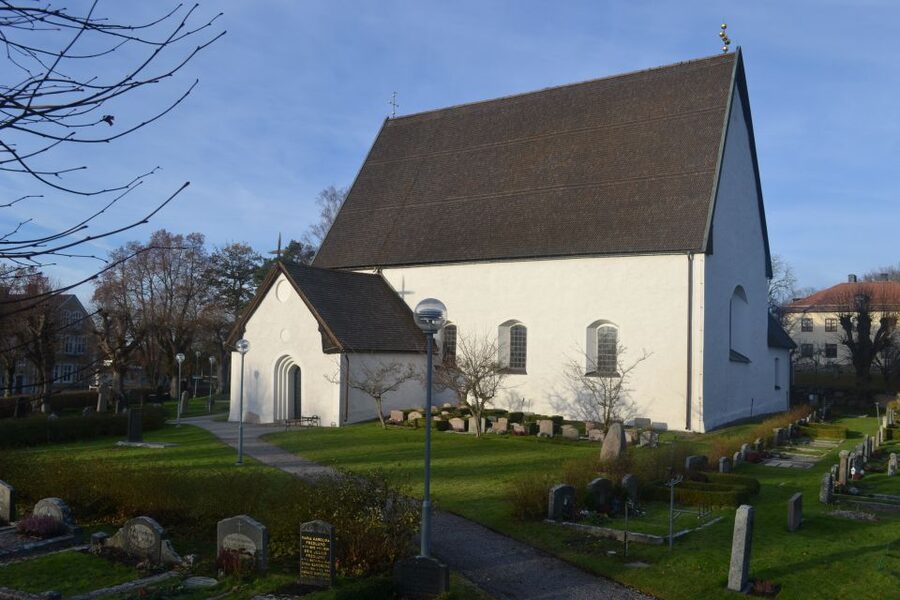
- Vallentuna Church and the Christian turn
- Granby farm, pastries, and a proper fika
- Sigtuna, Sweden’s late Viking town
- Gamla Uppsala and the burial mounds
- Uppsala Cathedral and the university quarter
- The guide and the small-group setup
- Is $235 a fair price?
- Who will enjoy this day most?
- Should you book it?
- FAQ
- How long is the tour from Stockholm?
- Is hotel pickup included?
- Where is the main meeting point?
- What language is the tour in?
- Is food included?
- How much walking is involved?
- Can I cancel or pay later?
Key points to know before you book
- See Runriket’s original Viking-era markers: Jarlabanke Bridge, Arkils Tingstad, and nearby rune sites give the day a strong archaeological start.
- Enjoy Swedish fika at Granby farm: Homemade pastries and coffee break up the history lessons in a relaxed rural setting.
- Spend an hour in Sigtuna: This late Viking-era town offers ruins, old streets, shops, and time for lunch at your own expense.
- Stand beside Gamla Uppsala’s burial mounds: The old royal and religious center helps explain pre-Christian Scandinavian society.
- Finish at Sweden’s main cathedral: Uppsala Cathedral brings the story into the medieval Christian period.
- Expect an involved guide, not a scripted ride: Questions and discussion are welcome, with English audio headsets used inside and outside the vehicle.
Why this route tells Sweden’s story so well
Many Viking excursions focus on one reconstructed site or a single museum. This one works differently. It uses several places across Stockholm County and Uppsala to show how power, belief, writing, and trade changed over time.
The opening stops deal with the Viking world through rune stones and assembly grounds. Sigtuna then introduces a settled town founded late in the Viking period. Gamla Uppsala takes you back to a major pagan center, while Uppsala Cathedral shows the later Christian order that replaced it.
That sequence matters. You are not simply collecting Viking photographs. You are learning how Sweden moved from local chiefs and religious gatherings toward a more centralized Christian kingdom. The guide spends time on influential figures, medieval art, and the difficult transition from paganism to Christianity.
I would choose this tour for someone who wants context as much as scenery. If you only want a quick look at a few stones and mounds, the day may feel too long. If you want to understand why these places matter, the full route earns its nine hours.
Other Stockholm days people book alongside this one:
- Stockholm: City Archipelago Sightseeing Cruise with Guide
★ 4.3 · 10,798 reviews - Stockholm: Skansen Open-Air Museum Admission Ticket
★ 4.5 · 3,427 reviews - Stockholm: Archipelago Boat Tour
★ 4.4 · 3,110 reviews
Leaving Stockholm for Jarlabanke Bridge
The day begins with pickup from a selection of central hotels, including Scandic Malmen, the Sheraton, Grand Hôtel, Hotel C Stockholm, and the Radisson Blu Waterfront. Pickup is arranged when possible. If your hotel is outside the central area, the usual meeting point is the Radisson Blu Waterfront, at the upper street on Klarabergsgatan by the hotel entrance.
The first drive takes about 30 minutes. This is useful time for your guide to set the stage, explain the day, and introduce the broad themes of Viking society. The small bus keeps the group together and avoids the stop-and-start feel of a large coach tour.
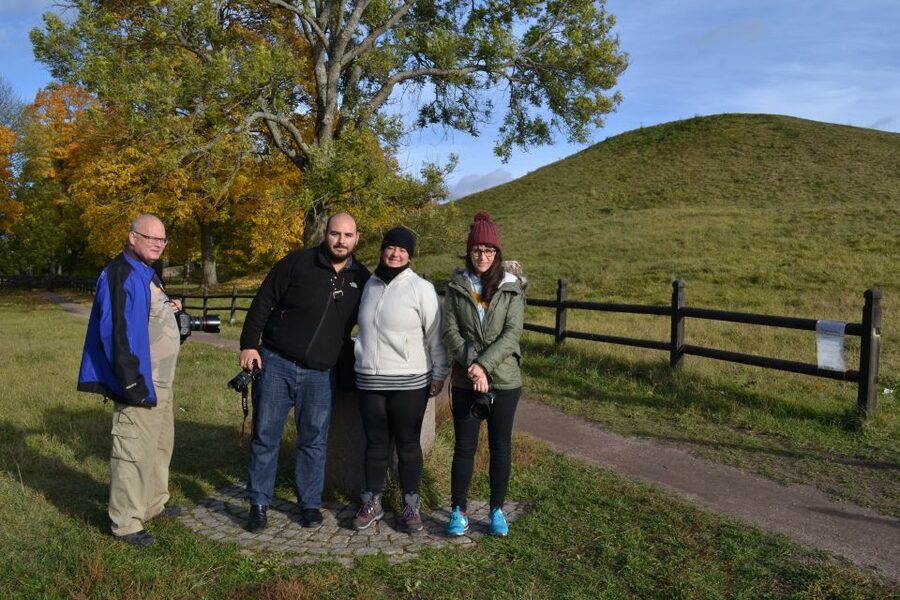
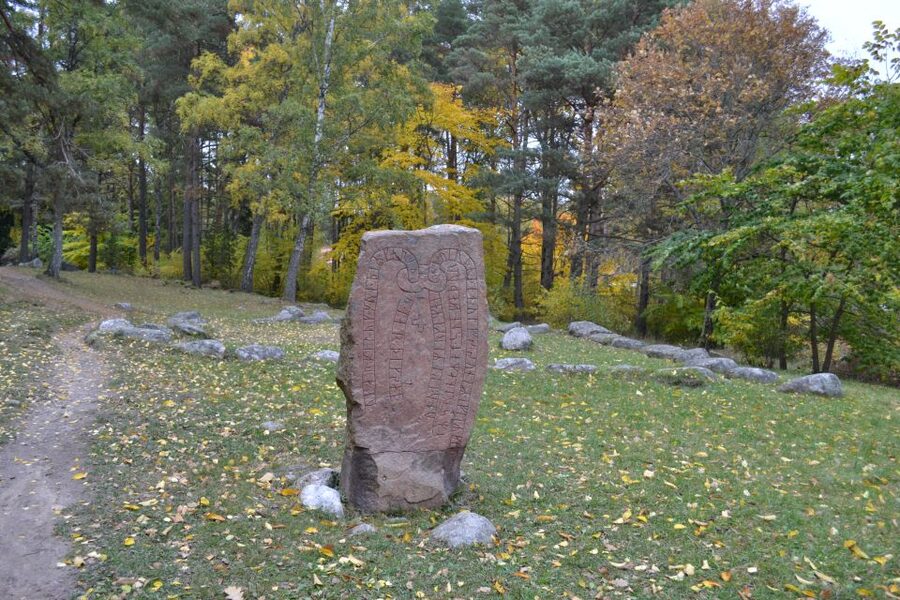
Jarlabanke Bridge is the first substantial stop, with about 30 minutes of guided time. The site is linked to Jarlabanke, a powerful Viking-era landowner known through rune inscriptions. Here, the guide helps you read the stones as political statements, not merely old carvings.
That is one of the tour’s strengths. Rune stones can look cryptic when you encounter them alone. With explanation, you begin to see how they recorded family ties, construction projects, faith, status, and claims to authority.
The stop is outdoors, so waterproof shoes and a weatherproof jacket are sensible. The site does not require hard exertion, but you should be comfortable walking a couple of hundred meters and standing while the guide speaks.
Arkils Tingstad and the Viking assembly
A short five-minute drive brings you to Arkils Tingstad. The guided visit lasts about 30 minutes.
A ting was an assembly where people gathered to settle disputes, make decisions, and deal with law and leadership. That makes this stop valuable because it widens the usual Viking picture. You are not just hearing about raids and ships. You are looking at a society with rules, public decisions, obligations, and competing interests.
The guide’s discussion format works especially well here. You can ask how the assembly may have functioned, what the inscriptions reveal, and how much of the site is certain rather than reconstructed from later evidence. The experience is presented at an academic level, so you should expect interpretation and historical debate rather than a simple legend-filled talk.
After another 10-minute drive, the route reaches Vallentuna Church.
Vallentuna Church and the Christian turn
Vallentuna Church receives about 30 minutes of guided attention. The original material describes the church as one of the medieval buildings used to show the religious changes that reshaped Sweden.
This is an important counterpoint to the earlier rune sites. Churches were not just places of worship. They marked new authority, new artistic traditions, and new links to the wider Christian world. Your guide connects the building to the shift from Norse pagan beliefs to Christianity, a change that did not happen overnight or without tension.
The church also gives you a chance to get indoors if the weather turns poor. That matters in Sweden, especially in the colder months. A January outing can still be worthwhile, but daylight is limited and some outdoor stops may be harder to appreciate. In wet weather, the guide may spend more time inside church buildings.
Same fjord country, a very different day out:
- Stockholm: Highlights Boat Tour
★ 4.3 · 2,542 reviews - Stockholm Pass: Save up to 50% – Includes Vasa Museum Ticket
★ 4.1 · 2,392 reviews - Stockholm: Ghost Walk and Historical Tour
★ 4.7 · 2,206 reviews - Walking Tour of Stockholm Old Town
★ 5.0 · 1,175 reviews
Granby farm, pastries, and a proper fika
The next drive takes about 15 minutes, followed by a 45-minute stop at Hökeriet at Granby farm. This is where the included Swedish fika fits into the day.
You receive coffee and homemade pastries, giving you a comfortable pause before the longer stretch toward Sigtuna. The break is more than a snack. Swedish coffee culture is a useful part of everyday life, and a farm setting makes the pause feel tied to the countryside rather than a standard roadside stop.
The relaxed setting also gives you time to ask follow-up questions. A strong guide can adjust the conversation here, moving from formal explanation to the subjects you found most interesting. Urban is repeatedly identified with the tour and is described as an engaging guide with wide knowledge of Scandinavian history. Other departures have been led by Olof, Carl, or Calle, so the exact guide may vary.
The fika is included, but lunch is not. Save your appetite and budget for Sigtuna, where you have free time to choose your own meal.
Sigtuna, Sweden’s late Viking town
A 30-minute drive brings you to Sigtuna, with about an hour of free time and a further 15-minute guided visit.
Sigtuna was founded in the late Viking era and offers a different experience from the rural rune sites. Here, the focus shifts toward town life, early Swedish state-building, and the arrival of Christianity. The town’s picturesque streets are pleasant for a short walk, and you can use the free hour for lunch, shopping, photographs, or simply a rest.
The route includes the ruins of Saint Olaf Church. Saint Olaf began as a Norwegian Viking warrior, later converted to Christianity, and eventually became a saint. His story captures the era’s contradictions: military power, political ambition, conversion, and the spread of a new faith were closely connected.
The one-hour break sounds generous, but it goes quickly. If lunch is your priority, choose promptly. If you want to browse shops and explore the streets, keep an eye on the meeting time. This is also the best place in the day for a little personal space, since the other stops are more tightly guided.
Gamla Uppsala and the burial mounds
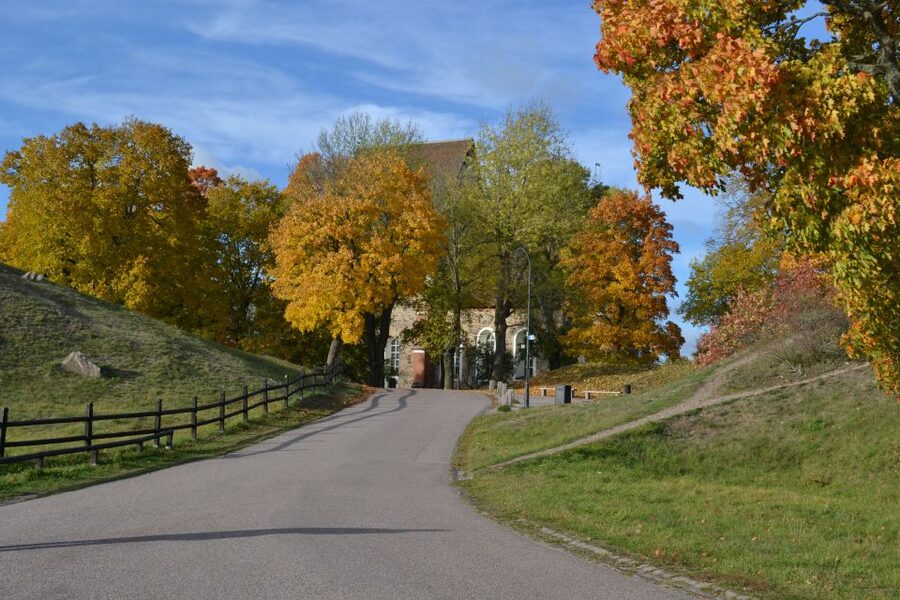
After about 40 minutes on the road, you reach Gamla Uppsala, or Old Uppsala. The guided visit lasts roughly 45 minutes.
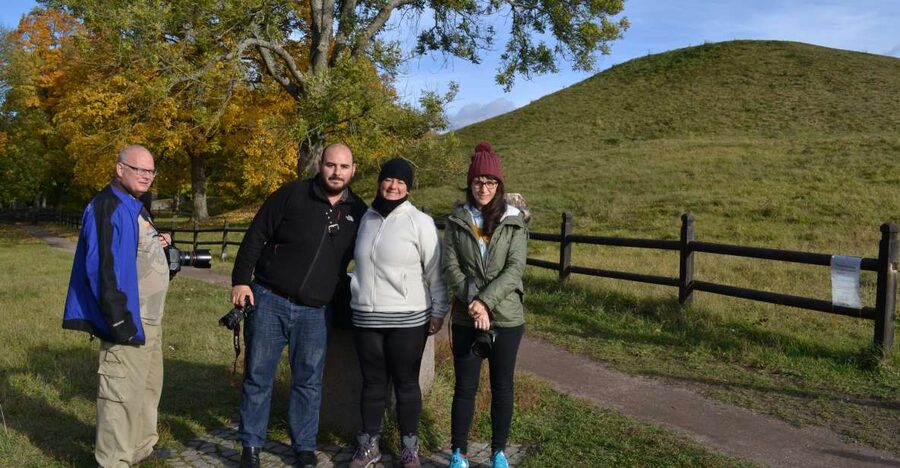
The large burial mounds are the visual highlight for many people. They date from the first centuries AD through the end of the Viking era, placing them within a much longer period of Scandinavian power. The mounds are not just dramatic earthworks. They point to ceremony, rank, memory, and the resources required to honor important people.
Gamla Uppsala was also a major spiritual center for the Viking world. Midwinter blot festivals were held here, with sacrifices and communal religious gatherings. Later tradition says the pagan temple was burned in 1087, and a church was built on the site. That church became the country’s main cathedral and the seat of Sweden’s first archbishop.
Your guide will help separate recorded history from legend. That distinction is useful at a place where later stories can be as powerful as the archaeology. The point is not to turn every tale into fact, but to understand why Gamla Uppsala mattered so strongly in Swedish memory.
You may want more time here. A July review specifically wished for longer independent exploration and a visit to the local museum. The schedule gives you a solid guided introduction, but it is not designed for a leisurely museum afternoon.
Uppsala Cathedral and the university quarter
The final major stop is Uppsala Cathedral, reached after a 15-minute drive from Gamla Uppsala. You spend about 40 minutes inside with the guide.
The cathedral is Sweden’s main cathedral today, and it provides a fitting ending. After rune inscriptions, assembly grounds, burial mounds, and early churches, you see the scale and permanence of medieval Christianity. The building also shows why a guide helps. The focus is not simply on entering a large church. It is on noticing historical details, artistic elements, and the people connected with the building.
One traveler described the cathedral as a surprise because the guided explanation made it much more than another church. That is exactly the value here. If you arrive alone, you might admire the size and architecture, then leave. With Urban or another strong guide, you can connect what you see to Sweden’s political and religious development.
As you leave Uppsala, the route includes a short guided look through the university areas. Uppsala is a university town, so this final glimpse gives the city a more modern identity after a day focused on early Sweden.
The return drive to Stockholm takes about an hour. You can keep asking questions or rest after a full day outdoors and on the road. Drop-off is offered at the listed central hotels, including Grand Hôtel, the Radisson Collection Strand, Scandic Continental, the Sheraton, and the Radisson Blu Waterfront.
The guide and the small-group setup
The guide is central to the value of this experience. The tour is not built around long periods of independent sightseeing. Much of your understanding comes from spoken explanation during drives and at the sites.
Urban is the guide most often associated with the tour, and his background includes more than 10 years of guiding. He is praised for clear storytelling, humor, and the ability to place Swedish events beside wider European history. Olof is also described as strong on Viking history and medieval art, while Carl and Calle have led other departures.
The exact style can vary by guide, but the format stays interactive. You are encouraged to ask questions and share your own ideas. English needs to be good enough for sustained historical discussion, not just basic directions.
The maximum group size is 17. In practice, some departures can be much smaller, even only a few people, which gives you more time to ask questions and makes hotel pickup easier. The bus uses an audio system with whisper headsets, useful when you are standing outside or moving through a church.
One small practical warning comes from a past departure: a headset was not fully reliable. It appears to be an isolated equipment issue, but check that yours is working early in the day.
Is $235 a fair price?
At $235 per person, this is not a cheap sightseeing bus ride. The price makes more sense when you count what it combines: hotel pickup and drop-off when possible, transport across Stockholm County and Uppsala, a full day with a specialist guide, several guided historical sites, cathedral entry time, and Swedish fika.
You are also paying for interpretation. The rune stones, burial mounds, and church ruins are far more useful when someone explains their setting and limits. Getting between these rural locations by public transport would take planning and would not provide the same continuous story.
The value is weaker if you want lots of free time, a museum visit, or a slow lunch. You pay for a guided route with many stops, not for a flexible private day. At nine hours, the tour can feel long, particularly in rain, darkness, or cold.
For someone with a real interest in Viking history or Swedish culture, I think the cost is defensible. For a casual sightseer, a shorter Sigtuna or Uppsala visit may offer better value.
Who will enjoy this day most?
I would choose this tour if you:
- Want Viking history explained through real places, not only displays
- Enjoy churches, rune stones, archaeology, and historical discussion
- Prefer a guide who welcomes questions
- Have one full day available from Stockholm
- Like seeing rural areas as well as towns
- Are comfortable following an English-language talk at an academic level
I would hesitate if you want to sleep late, shop extensively, or spend half a day inside a museum. Families and older people can manage the walking if they are comfortable standing and walking short distances, but the weather and length still matter.
Dress for the forecast and bring shoes suited to outdoor paths. Spring, summer, and autumn offer more daylight for the open-air sites. Winter has its own atmosphere, and the trip can still work, but early darkness may limit what you see.
Should you book it?
Book this tour if your idea of a good day is learning why a rune stone was raised, standing beside an ancient burial mound, and then seeing how Christianity reshaped the same region. The strongest features are the guide-led storytelling, the range of sites, the small group, and the thoughtful route from Viking-era beliefs to medieval Sweden.
Skip it if you mainly want independent time in Sigtuna or Uppsala. The day is tightly organized, and some stops may leave you wishing for another hour. For history-minded visitors with only a short stay in Stockholm, though, this is an efficient and unusually detailed way to reach Sweden’s Viking heartland.
FAQ
How long is the tour from Stockholm?
The experience lasts about nine hours. The return drive from Uppsala to Stockholm takes approximately one hour.
Is hotel pickup included?
Hotel pickup and drop-off are included when possible. Pickup is available from a list of central Stockholm hotels. If you stay outside the center, the meeting point is generally the Radisson Blu Waterfront Hotel.
Where is the main meeting point?
The meeting point at the Radisson Blu Waterfront is on the upper street, Klarabergsgatan, by the hotel entrance.
What language is the tour in?
The live tour and audio guide are in English. You need a reasonable level of English to follow the historical explanations and discussions.
Is food included?
Swedish fika, including coffee and homemade pastries, is included, normally at Granby farm. Lunch in Sigtuna is free time and is not listed as included.
How much walking is involved?
You should be able to walk a couple of hundred meters and stand for a while. The tour includes outdoor sites, so your physical condition does not need to be excellent, but comfortable footwear is sensible.
Can I cancel or pay later?
You can cancel up to 24 hours before departure for a full refund. A reserve-now, pay-later option is also available, subject to the booking conditions.
Just added around Stockholm
- Stockholm: Evening Wildlife Safari with Midsummer Meal★ 4.2 · 130 reviews
- World War II Stockholm Old Town Walking Tour and Army Museum★ 4.6 · 4 reviews
- Stockholm: Archipelago Guided Boat & Walking Tour of Vaxholm★ 3.1 · 23 reviews
- Stockholm: Archipelago Islands Kayak Tour and Outdoor Picnic★ 4.9 · 150 reviews
- Vaxholm & Stockholm Archipelago: Guided Excursion, Day Trip★ 4.8 · 41 reviews
- Stockholm: Underground Metro Art Ride with a Local Guide★ 4.6 · 39 reviews
- Scandinavian Art, Architecture and Design Tour in Stockholm★ 4.5 · 11 reviews
- Stockholm: Sunset Hike in Tyresta National Park with Meal★ 5.0 · 79 reviews
Stockholm Tours, compared.
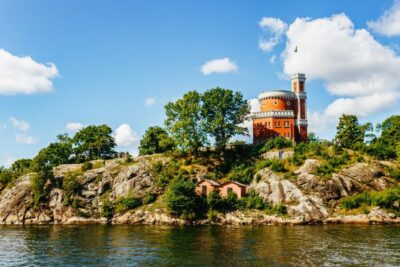
City Archipelago Sightseeing Cruise with Guide
Read our review →

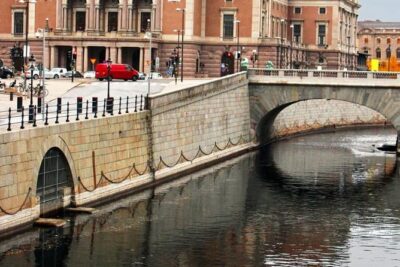
Stockholm Pass: Save up to 50% – Includes Vasa Museum Ticket
Read our review →
The Original Stockholm Ghost Walk and Historical Tour – Gamla Stan
Read our review →Browse the lists this tour appears in