
Reviewed · WALKING TOURS
Hygge Walk in Copenhagen with a Local
Copenhagen’s idea of hygge makes more sense when you see it in daily life: cake in a shop window, a quiet old lane, a canal-side pause, or a warm table in a food market. This walk uses those small pleasures to introduce the city, rather than treating hygge as a slogan printed on a souvenir mug.
I like the focus on local food stops and the route through several different parts of central Copenhagen. I also like the intimate group size, which gives you a better chance to ask questions and get practical advice. The main drawback is the price, $160.91 per person, for a roughly two-hour walk, especially since food and drinks are not included.
In This Review
- Key points to know before booking
- Why hygge works as a way to see Copenhagen
- Starting with Denmark’s oldest confectionery
- Old-town streets and the changing of the guard
- Underwater mermen beside the canal
- The Black Diamond and Copenhagen’s other mermaid
- A quiet pocket away from central streets
- Finding the appeal of Nyhavn
- Ending at a covered food market
- What the small group means in practice
- Is $160.91 a fair price?
- Who will enjoy this walk most?
- Should you book the Hygge Walk?
- FAQ
- How long does the Hygge Walk in Copenhagen last?
- Where does the tour begin?
- Where does the tour end?
- Are food and drinks included?
- How many people can join the tour?
- Can I cancel for a full refund?
Key points to know before booking
- The tour turns hygge into something you can see and taste, with confectionery, cakes, canals, quiet streets, and a food market.
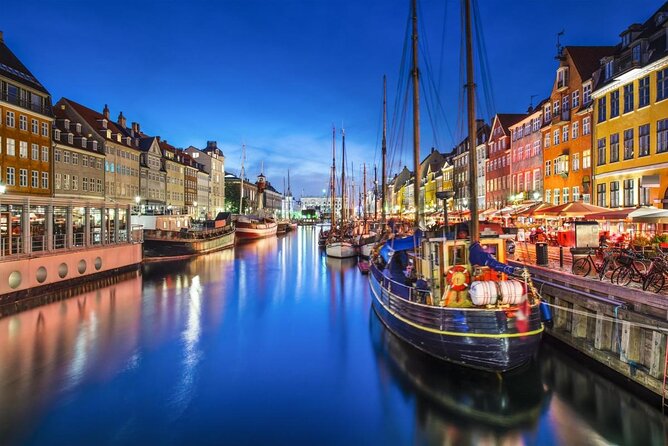
- The route covers central Copenhagen highlights including Nyhavn, the Black Diamond, the old town, and a canal with underwater mermen.
- A small group makes the walk more personal, though the supplied details vary between a limit of six and a maximum of eight people.
- The final stop is a covered food market, a useful place to continue eating or browsing after the guided walk ends.
- The two-hour length gives you a city introduction, not a full historical tour of Copenhagen.
- Food is tempting but extra, so bring money if you want cake, snacks, coffee, or a market treat.
Why hygge works as a way to see Copenhagen
Hygge is often translated as coziness, but that misses part of the point. It is also about comfort, company, simple pleasures, and making ordinary time feel good. This walk uses the idea as a thread connecting food, architecture, local habits, and public spaces.
That approach suits Copenhagen. The city is easy to cover on foot in its central districts, and a short walk can move from an old confectionery to a busy canal, then on to a modern cultural building and a covered market. You are not only being shown famous sights. You are being shown how people use the city.
The experience is not designed as a major museum tour or a long history lecture. Instead, the guide supplies a blend of Danish culture, background, and everyday recommendations. That balance is one of its strongest points. A past participant found the two-hour route gave a useful overview of Danish history and culture, while also including the changing of the guard, an atmospheric bookstore, and a food market.
The route can also be affected by the calendar. On Christmas Day, some city businesses may be closed, which can limit the food and indoor parts of the walk. If your visit falls on a major holiday, expect a quieter city and fewer open stops.
A few more Copenhagen trips to weigh up
- Private Walking Grand Tour of Copenhagen
★ 5.0 · 3,953 reviews - Copenhagen Highlights Walking Tour
★ 5.0 · 2,324 reviews - Politically Incorrect Private Highlights Walking Tour
★ 5.0 · 1,244 reviews
Starting with Denmark’s oldest confectionery
The walk begins at Skoubogade 3, in central Copenhagen, with the sweetest stop on the route. The shop is described as Denmark’s oldest confectionery, and its windows are filled with cakes and other treats. That makes an immediate connection between hygge and food.
This is not simply a photo stop. You can decide to buy something for later, perhaps to eat by the water. Personal expenses are not included, so you pay separately for anything you take with you. That is worth remembering if you are traveling on a fixed budget or have already planned several meals.
I like this opening because it gives the tour a clear sense of place. Danish food traditions can feel abstract when explained indoors, but a pastry display gives you an instant, concrete introduction. It also sets the tone for the rest of the walk: look closely, slow down, and notice the small details.
There is one practical limitation. The supplied information does not promise a tasting or a food item included in the price. Think of the confectionery as a recommended stop, not part of the admission. If you want to sample something, carry a payment method and allow for that extra cost.
Old-town streets and the changing of the guard
From the confectionery, the route moves through the old town of Copenhagen. This is where the walk helps you get your bearings. You will see the central streets from ground level, with the guide pointing out places that are easy to pass without noticing.
The old town is useful early in a Copenhagen visit because it gives you a practical sense of how the center fits together. You can start recognizing the lanes and public spaces you may want to revisit on your own. The guide can also connect the buildings and streets to Danish culture, rather than leaving you with a string of names and dates.
The changing of the guard has been part of the experience for at least one departure. It is a nice bonus if the timing works, though the tour details do not guarantee it on every walk. The same is true of the atmospheric bookstore mentioned as one of the stops. These details suggest a route with room for local texture, not only major postcard sights.
Because the walk lasts about two hours, the old-town portion cannot provide a full account of Copenhagen’s past. You will get an overview and selected stories. If you want royal interiors, major museums, or a detailed architectural tour, plan separate visits.
Underwater mermen beside the canal
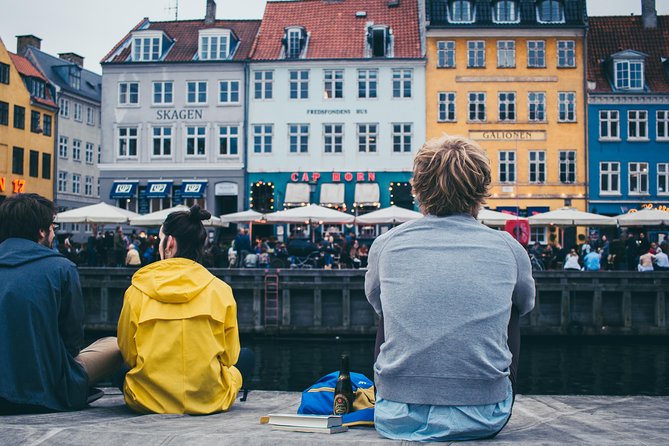
The route next reaches a lively canal where you can look for hidden underwater mermen. This is exactly the sort of detail that gives a city walk personality. It turns the canal into more than a scenic backdrop and gives you a specific thing to notice.
The stop also shows how the experience mixes the familiar with the unusual. Copenhagen’s canals are easy to photograph, but a local guide can point out art, folklore, or small features that you might miss when walking alone. The mermen create a playful moment in a tour that also touches on history and culture.
The canal section should appeal to families and to anyone who enjoys small surprises. It is less useful if you are expecting a formal list of landmark facts at every stop. The emphasis here is on observation and atmosphere.
The word lively matters. This is not presented as a silent, private stretch of water. You will be walking through an active part of the center, so the experience is about finding a comfortable pause within the city rather than escaping all city noise.
Same fjord country, a very different day out:
- Copenhagen: Canal Cruise with Guide
★ 4.6 · 9,115 reviews - Copenhagen: Hop-On Hop-Off Bus Tour with Boat Tour Option
★ 3.9 · 4,122 reviews - From Copenhagen: Lund and Malmö 2-Country Tour
★ 4.7 · 2,772 reviews - Copenhagen: Highlights 3 Hour Bike Tour with a Local Guide
★ 4.8 · 2,312 reviews
The Black Diamond and Copenhagen’s other mermaid
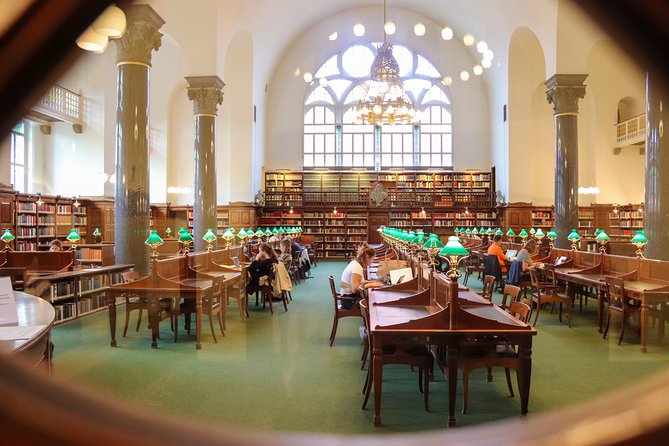
The walk continues toward the Black Diamond, the striking waterfront building associated with the Royal Danish Library. From here, you can take in the waterside setting and discover Copenhagen’s alternative mermaid.
The city’s famous Little Mermaid is not the only mermaid reference in town. This stop offers a different angle on a familiar theme and helps the tour move beyond the standard sightseeing checklist. It also gives you a chance to see how modern architecture and waterfront space sit alongside older parts of Copenhagen.
I like this section because it adds contrast. The old confectionery and narrow central streets create one mood, while the Black Diamond brings a more modern, open setting. That change keeps the route from feeling like a single repeated walk through historic lanes.
Do not expect an extended visit inside the library or a formal architectural presentation. The supplied details describe a waterside stop, not an interior tour. If the Black Diamond is high on your list, you may want to return independently with more time.
A quiet pocket away from central streets
The route then takes you into a picturesque area where you can step away from the city’s movement. The details do not name the area, so you should view this as a scenic pause rather than a promised attraction with a specific title.
This part of the walk is important to the hygge theme. Copenhagen is not only about grand buildings and busy waterfronts. It is also about finding a calmer corner, sitting comfortably, and enjoying a slower pace. The guide’s role is to show you how that feeling fits into the city rather than simply define it.
A quieter stop can also help break up the walking. You are on foot for around two hours, with several changes in setting. A pause in a picturesque district gives you time to take photographs and absorb the surroundings before the route heads toward Nyhavn.
The tradeoff is that picturesque areas can feel less essential if you have very little time in Copenhagen. If this is your only city visit and you want maximum landmark coverage, a conventional highlights tour may pack in more named sights. This experience is better for travelers who value mood, local tips, and context.
Finding the appeal of Nyhavn
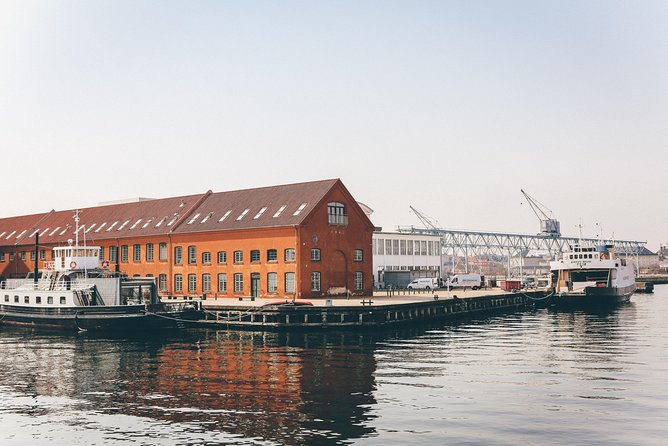
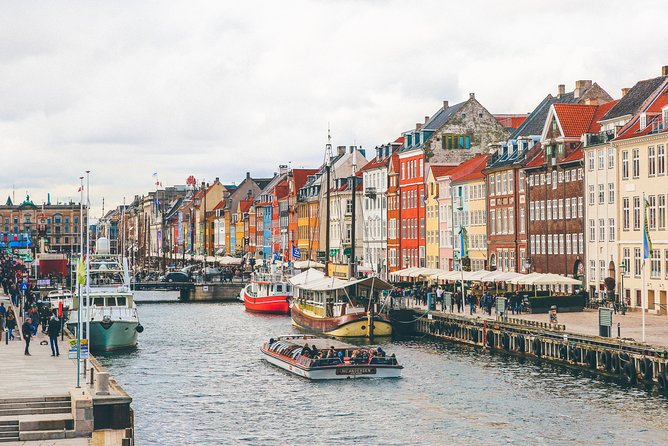
Nyhavn is one of Copenhagen’s most recognizable areas, with colorful buildings lining the canal. The tour promises to explain its secret appeal, which means the guide is expected to offer more than a quick photograph and a familiar view.
This is a useful stop because Nyhavn can be easy to treat as a postcard. A local perspective may help you notice how the canal works as a public space, how its businesses shape the atmosphere, and why it remains such a strong part of the city’s identity.
You should also keep your expectations practical. Nyhavn is a popular central sight, not a secluded local corner. The tour’s value here comes from the explanation and the way Nyhavn fits into the wider route, not from having the waterfront to yourself.
Since the walk is shared, the guide may need to keep the group together around a popular area. The smaller format should make that easier than a large coach-style outing. Still, this is a public part of Copenhagen, so expect other people and normal city activity.
Ending at a covered food market
The final stop is a covered marketplace at Frederiksborggade 21, where the route ends. The market has stalls selling local produce, gourmet food, drinks, and desserts. You can sit, watch people, and eat at your own expense.
This is a smart ending for a hygge-themed walk. You finish with choices instead of a rushed transfer to another sight. You can buy a snack, browse ingredients, or simply use the market as a place to rest after walking.
It is also practical. The food market gives you a chance to continue the experience on your own terms. If the guide recommends a Danish cake or snack earlier in the route, you may find another option here. If you are not hungry, you can still enjoy the setting and decide what to do next.
The market is not included as a meal. The price covers the local guide and walking experience, not food, drinks, or snacks. Budget for an extra purchase if the market is part of your plan.
The end point is also convenient for continuing around central Copenhagen, since it remains within the city center and is near public transportation. The tour does not provide a return transfer, so you should be ready to make your own way onward.
What the small group means in practice
The tour is promoted as a small-group experience, with one part of the information describing a limit of six people and another stating a maximum of eight. That is a minor inconsistency, but both figures point to a relatively intimate walk rather than a large group.
A small group matters on a tour built around conversation. You can ask about Danish customs, food, cafés, neighborhoods, and places to return later. The guide can also adjust the pace and explain a detail when someone wants more context.
The included service is simply a local who wants to show you the city. No guide name is provided, so you cannot choose a particular person in advance. The quality will depend on the individual guide and how well the conversation matches your interests.
I would book this format if you enjoy asking questions and getting recommendations. If you prefer to move independently, spend long stretches inside attractions, or avoid group pacing altogether, you may get better value from a self-guided walk.
Is $160.91 a fair price?
At $160.91 per person, this is not a cheap orientation walk. The duration is about two hours, and the cost does not include cake, snacks, drinks, or a meal. The price makes more sense if you place a high value on a personal local introduction and expect to use the recommendations for the rest of your stay.
The small group improves the value. A private guide for one or two people would usually cost more, while a large group might offer less time for questions. This experience sits between those formats, with a shared walk that aims to keep the group small.
The route also covers more than one type of Copenhagen experience: old-town streets, food culture, canals, waterfront architecture, Nyhavn, and a market. You are paying for the guide’s framing of those places, not for entry tickets or a long list of attractions.
For a first morning or afternoon in Copenhagen, that can be worthwhile. You get an overview and several ideas for later. For a short stop where you only want famous sights, the price may feel high compared with a basic city walk.
Group discounts are available, which may help if you are booking for several people. Free cancellation is allowed up to 24 hours before the start time for a full refund. Inside that window, the amount is not refunded, and changes are not accepted.
Who will enjoy this walk most?
I would recommend it to you if you want Copenhagen explained through daily life rather than only through monuments. It fits couples, friends, families, and solo visitors who enjoy food stops and conversation.
It is also a good first-day activity. The central route helps you get oriented, and the guide can point you toward places to eat or return to later. The end at the market gives you an easy next step.
The two-hour length suits a busy sightseeing schedule. You can fit it between other plans without giving up half a day. At the same time, the short format means you should not expect a full historical survey or extensive time at each stop.
Most people can participate, and the tour is near public transportation. Service animals are allowed. The walk takes place outdoors and includes city streets and waterside areas, but the supplied details do not provide a specific accessibility assessment for every surface or stop. If you need detailed mobility information, confirm it before booking.
Should you book the Hygge Walk?
Book this walk if you want a friendly introduction to Copenhagen’s everyday character, especially if cakes, canals, old streets, and food markets sound more appealing than a strict monument checklist. The strong 4.8 rating comes from only four ratings, so treat it as encouraging rather than conclusive.
I would choose it early in a Copenhagen stay, when local advice can shape the rest of your visit. I would skip it if $160.91 feels too steep for two hours, if you need included food, or if your priority is a detailed tour of major attractions.
The best reason to book is the combination of small-group conversation and varied central stops. The clearest caution is that the experience depends on the guide, the group size, and what is open that day. On Christmas Day or another holiday, expect fewer open businesses. Otherwise, this is a pleasant way to understand hygge as something practiced in the city, not merely explained in a definition.
FAQ
How long does the Hygge Walk in Copenhagen last?
The experience lasts approximately two hours.
Where does the tour begin?
It begins at Skoubogade 3, 1158 København, Denmark.
Where does the tour end?
The walk ends at Frederiksborggade 21, 1360 København, Denmark, at a covered food market.
Are food and drinks included?
No. Personal expenses, food, drinks, and snacks are not included. You can purchase items separately during the walk or at the final market stop.
How many people can join the tour?
The experience is designed for a small group. One description gives a limit of six people, while the additional information lists a maximum of eight travelers.
Can I cancel for a full refund?
Yes. You can cancel at least 24 hours before the local start time for a full refund. Cancellations or changes made less than 24 hours before the start time are not accepted for a refund.
Just added around Copenhagen
- a day at North Zealand Castle Tour★ 4.5 · 19 reviews
- The Hunt For The Six Forgotten Giants★ 5.0 · 45 reviews
- Copenhagen Walking Tour with Food Testing (smorrebrod dish & snap)★ 4.5 · 10 reviews
- walking tour – Copenhagen and Christiansborg 3 hours★ 4.0 · 7 reviews
- The Six Forgotten Giants Trolls Hunt with Minibus★ 4.5 · 27 reviews
- The Philosopher’s Last Walk: An audio tour on the life of Søren Kierkegaard★ 4.5 · 5 reviews
- Malmö Full Day Private Trip, Sightseeing Tour & Lunch Option★ 5.0 · 93 reviews
- The Forgotten Giants Private Tour★ 5.0 · 3 reviews
Walking Tours, compared.
Past & Present Small Group Guided Walking Tour
Read our review →
Walking Tour in Bergen of the Past and Present
Read our review →

The Original Stockholm Ghost Walk and Historical Tour – Gamla Stan
Read our review →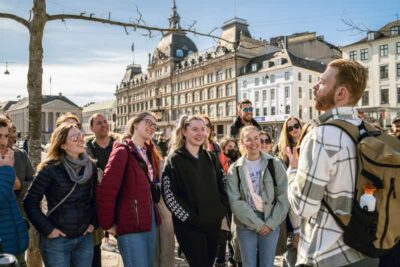
Group Walking Tour – City Highlights – 2 Hours
Read our review →Browse the lists this tour appears in