
Reviewed · SKIING
Luleå: Nordic Touring Skiing Adventure
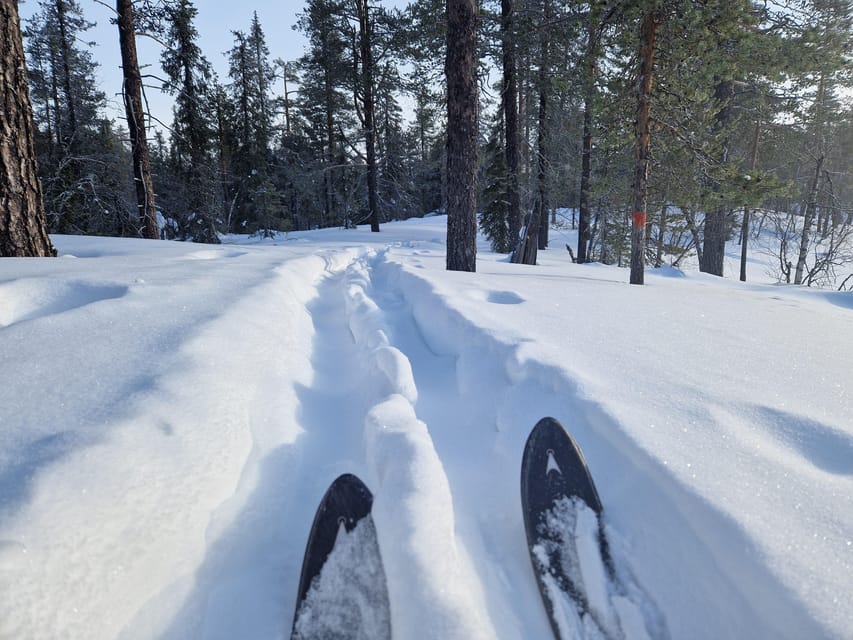
The unusual part of this Luleå outing is that your ski track may run across the frozen Bay of Bothnia, then turn into quiet woodland. These are not narrow racing skis for chasing speed. The wider Nordic touring skis give you a steadier platform as you learn to glide, climb, and manage gentle downhill sections.
I like the mix of outdoor skill and local flavor. You get useful instruction, modern equipment, and a warm break with coffee or another hot drink, sweet cake, and often hearty fare such as lentil soup. The drawback is simple: the tour depends heavily on ice and weather conditions, so a mild winter, storm, or extreme cold can force a change of plan or cancellation.
In This Review
- What makes this Luleå ski tour special
- From the smallboat harbour to the snow
- Learning Nordic touring without a race clock
- Across the frozen Bay of Bothnia
- Forest quiet and northern stories
- The fire break and Swedish fika
- Gear, clothing, and comfort in the cold
- What the $151 price includes
- Who should book this experience
- Practical booking advice for a four-hour outing
- Should you book the Luleå Nordic touring tour?
- FAQ
- Where does the Nordic touring ski tour begin?
- How long does the experience last?
- Is ski equipment included?
- What food and drinks are included?
- Can beginners join?
- What happens if the weather is unsafe?
What makes this Luleå ski tour special
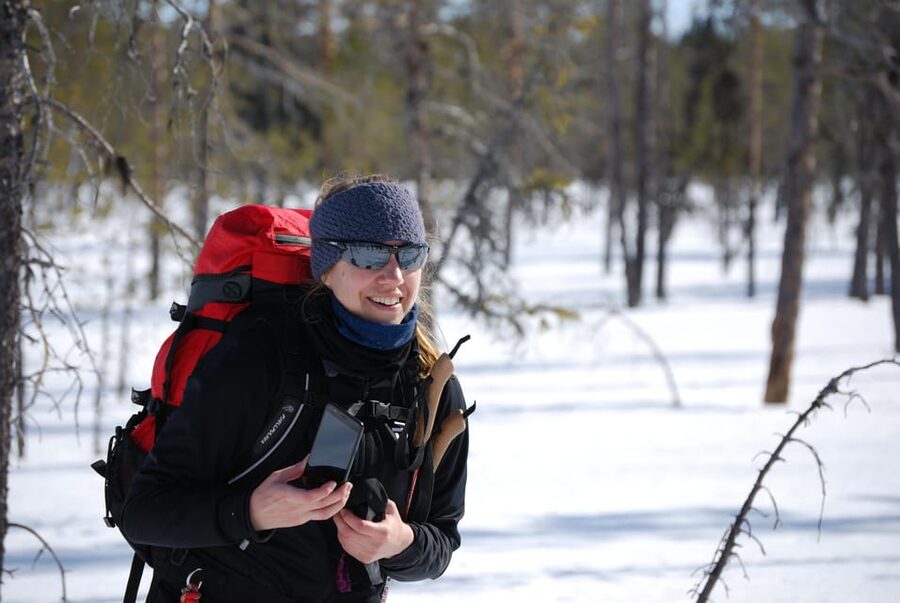
- Frozen sea skiing: Travel over the Bay of Bothnia as well as mainland forest, with no prepared ski tracks required.
- Stable touring equipment: Wider skis, supportive boots, and useful edges make this gentler for beginners than standard cross-country gear.
- Small group instruction: With no more than six participants, you should have room to ask questions and receive help with technique.
- Fire and Swedish fika: Break outdoors with warm drinks and local snacks, with food such as blueberry cake and lentil soup included in the experience.
- More than a workout: Henrik brings in stories about Sami people, local plants and animals, and outdoor life in northern Sweden.
- Weather matters: The route may be moved or the tour canceled if conditions become unsafe.
From the smallboat harbour to the snow
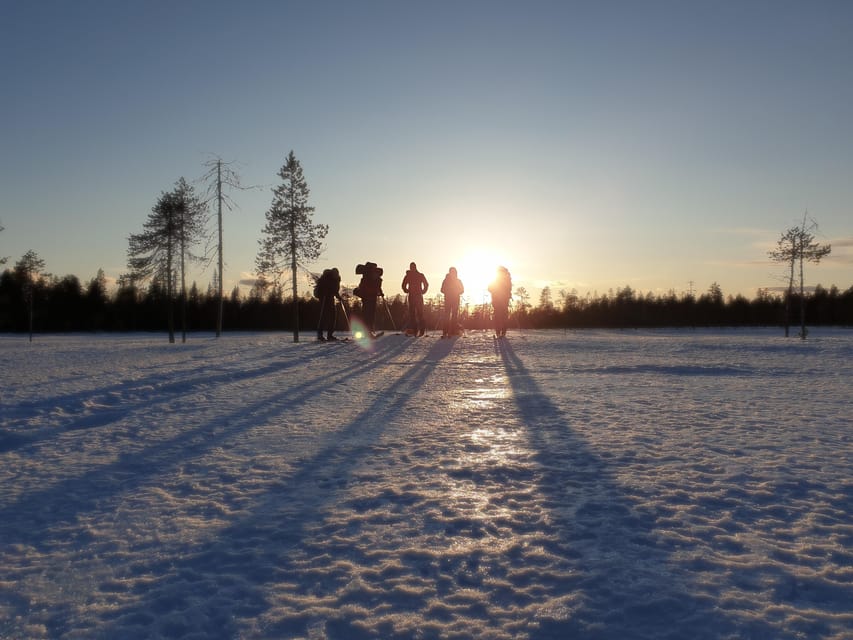
Your meeting point is at Hagahamnsvägen 381, where the guide meets you in the smallboat harbour. Transportation is not included, so you need to make your own way there. Check the exact meeting instructions and starting time when you reserve, since the activity offers several possible start times depending on availability.
The harbour is a fitting starting place. You are close to the water before you even put on your skis, and the whole point of the outing is to see the winter world from ground level rather than through a vehicle window. After introductions, the guide provides skis and boots, checks the basic fit, and explains how the equipment differs from ordinary cross-country skis.
Plan to bring a small backpack for water, snacks, and personal items. You also need to bring all your own winter clothing, including what you will wear during the fire break. The company supplies the ski equipment and boots, but not your coat, trousers, gloves, hat, or other cold-weather layers.
A few more Scandinavia trips to weigh up
- Tromso Aurora Hunt with Bonfire, Soup, Winter Gear & Transfers
★ 5.0 · 2,290 reviews - From Tromsø: Guided Husky Snowshoe Hike and Husky Camp Visit
★ 4.9 · 555 reviews - Tromsø: Cross Country Guided Skiing Course
★ 4.7 · 503 reviews
Learning Nordic touring without a race clock
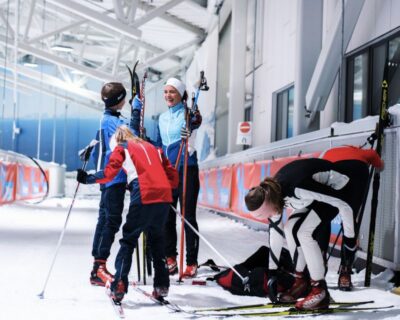
The first lesson is about control, not speed. Nordic touring skis are wider and thicker than regular cross-country skis, which gives you more stability on snow and uneven ground. Many pairs also have edges that help on downhill sections. The boots are warmer and more supportive than lightweight racing boots.
That design changes the feel of the outing. You are not expected to fit into a narrow track or maintain a fast rhythm. Instead, you learn how to move across open ground, adjust your balance, and make small changes in your stride when the surface shifts.
I like this format for first-time skiers because the equipment is built for comfort and steadiness. You still need to work out how to glide and stop, and you may wobble at first. But the tour is designed around exploring rather than measuring distance or pace.
The guide gives an introduction to the basics before the group sets off. You can expect tips on handling the skis and moving over different surfaces. More experienced skiers can still enjoy the outing because the route is about access to quiet winter country, not simply beginner drills.
The group limit of six is important here. Ski instruction becomes much less useful when a guide has to manage a large crowd. A small group should make it easier to pause, get a correction, and keep the pace comfortable for everyone.
Across the frozen Bay of Bothnia
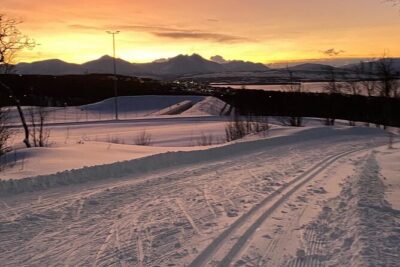
The sea crossing is the tour’s defining moment. In winter, the Bay of Bothnia can become a broad, white route between land and islands, giving you an entirely different view of the Luleå area. The exact condition of the ice and the route will depend on the weather, so you should treat the sea portion as a planned possibility rather than an absolute guarantee.
Skiing across frozen water can feel more open than skiing in the woods. There may be fewer trees to frame your view and a stronger sense of space around you. The quiet is part of the attraction. Instead of road noise and city activity, you hear the movement of your skis and the cold air around you.
The tour does not require prepared ski tracks. That is a major difference from traditional cross-country skiing, where the route often follows groomed parallel lines. Here, the guide takes the group over suitable snow and ice, letting you experience the area in a more flexible way.
This also means the surface may not feel perfectly smooth. Touring skis help, but they do not turn winter terrain into a paved path. If you want a fast, polished ski session with fixed grooming, choose a cross-country center instead. If you want a quieter outing with changing scenery, this format makes more sense.
Weather can affect the sea section in particular. A mild winter already led to a route change for one outing, but the tour was rescheduled rather than simply abandoned. That flexibility is reassuring, though you should keep some room in your schedule if skiing on the ice is a high priority.
Forest quiet and northern stories
The route combines the frozen bay with mainland forest. That contrast keeps the four hours from feeling repetitive. On the water, you get broad views and open space. In the woods, the surroundings become closer and more sheltered, with the route shaped by trees and snow.
The guide adds local context along the way. Henrik talks about Sami people, northern Swedish outdoor life, and local flora and fauna. This is a useful addition because it gives the setting meaning beyond its postcard appearance. You are not only learning how to move over snow. You are also hearing about the people and natural world connected to the region.
I especially like this balance of sport and culture. Many winter activities give you scenery but little sense of place. Here, the guide’s local knowledge can turn a quiet stretch of forest or frozen shoreline into part of a larger story.
The pace should suit people who want time to notice their surroundings. The activity lasts four hours, including the instruction and break, so it is not a quick introductory lesson. You should be ready to spend a substantial part of the day outdoors in cold conditions.
Same fjord country, a very different day out:
- Stockholm: City Archipelago Sightseeing Cruise with Guide
★ 4.3 · 10,798 reviews - Copenhagen: Canal Cruise with Guide
★ 4.6 · 9,115 reviews - From Bergen: The Original Fjord Cruise to Mostraumen
★ 4.7 · 8,440 reviews - Tromsø: Reindeer Sledding & Feeding with a Sami Guide
★ 4.8 · 6,417 reviews
The fire break and Swedish fika
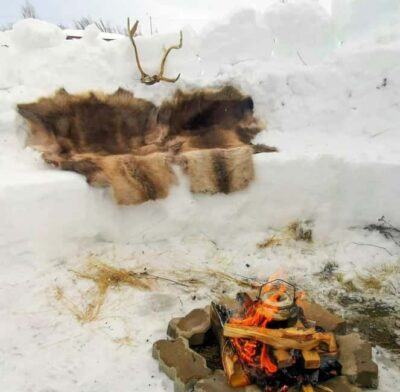
The warm-up stop is more than a short snack pause. A crackling open fire gives you a chance to thaw your hands, settle your breathing, and enjoy the surroundings without skis under your feet. The contrast between crisp air and fire warmth is one of the pleasures of a northern winter outing.
Included fika means a warm drink and a sweet snack. Blueberry cake has been served, and lentil soup has also been part of the food offering. The exact food may vary, but you can expect something intended to warm and refuel you rather than a full restaurant meal.
Bring your own water and extra snacks, especially if you know you eat often during exercise. The supplied fika is part of the tour, but it should not replace a proper meal before setting out. You will be outdoors for four hours, and cold weather can increase your appetite.
This break also helps make the tour social. A small group has time to talk with the guide and each other, and the fire creates a natural pause in the activity. Henrik also shares information about Swedish outdoor life, so this may be the best point to ask practical questions about winter customs and the local area.
Gear, clothing, and comfort in the cold
The supplied equipment includes Nordic touring skis and boots. The gear is described as modern and high quality, with the wider ski shape intended to make the experience more stable and comfortable. You do not need to bring your own skis.
Clothing is your responsibility. Dress in layers so you can adjust as your body warms during skiing and cools during the rest stop. You need warm outer clothing as well as gloves, a hat, and suitable winter footwear for time around the fire. The supplied boots cover the skiing portion, but personal clothing for the breaks is not included.
A small backpack is useful for water, snacks, and spare layers. Keep it compact so it does not interfere with balance. Smoking is not allowed during the activity.
I would not book this as a casual add-on if you dislike cold-weather exercise. The wider skis make the outing more approachable, but you still spend four hours outside and must be comfortable with winter conditions. The activity is not suitable for children under 12, pregnant women, or people with heart problems.
What the $151 price includes
At $151 per person, this is not a budget sightseeing trip. The price covers four hours with a live English-speaking guide, ski equipment, boots, basic instruction, the guided route, and Swedish fika. You are also paying for a small group limited to six participants, which can make a real difference during a technical outdoor activity.
The value depends on what you want from a winter experience. If you only want to try skis for 30 minutes, the price may feel high. If you want equipment, instruction, a guided route over both land and frozen sea, local stories, and a fire-side break, the package is easier to justify.
You also avoid the trouble of bringing or renting specialized touring gear on your own. The guide handles the route and adjusts plans when weather conditions require it. That matters in northern winter, where safety and suitable ice conditions cannot be treated as fixed details.
Transportation to the harbour is not included, and neither are your personal clothes, water, or extra food. Add those practical costs when comparing this with other winter activities in Luleå.
Who should book this experience
I would choose this tour if you want an active way to see Norrbotten and are open to learning a new skill. It suits beginners who want supportive equipment and experienced skiers who prefer quiet routes over groomed tracks.
It is also a strong choice if you care about local context. The Sami culture, local plants and animals, and northern outdoor traditions give the outing more substance than a simple equipment rental.
You may want to skip it if you need a guaranteed sea crossing, dislike schedule changes, or are looking for a high-speed ski workout. Mild weather can change the route, and severe cold or storms can lead to rescheduling or cancellation.
The English-language guiding is useful for international visitors. Since the group is small, the experience should feel more personal than a large winter excursion, though the exact amount of individual instruction will depend on the group’s ability and pace.
Practical booking advice for a four-hour outing
Allow time to reach the smallboat harbour before the stated start. The tour ends back at the same meeting point, so you do not need to arrange a separate pickup at the finish.
Keep your schedule flexible. You can cancel up to 24 hours before the activity for a full refund, and the reserve-now, pay-later option lets you hold a place without paying immediately. Weather-related changes remain the key planning issue, so avoid placing an important same-day connection too close to the end of the tour.
Check availability for the start time and current conditions. Bring warm clothing, water, snacks, and a small backpack. Layering is not just a comfort tip here. It lets you cool down while skiing and add warmth when sitting near the fire.
Should you book the Luleå Nordic touring tour?
Book it if you want a small, active winter experience that combines frozen sea, forest, practical ski instruction, and Swedish fika. The strongest reasons are the unusual route, stable touring gear, local stories from Henrik, and the chance to warm up beside an open fire with food such as blueberry cake or lentil soup.
Think twice if you need predictable conditions or do not enjoy spending several hours outdoors. The route can change, and the tour can be canceled in unsafe weather. For the right visitor, though, $151 buys more than a ski lesson. It gives you a guided way into the quiet winter world around Luleå, with equipment and local insight included.
FAQ
Where does the Nordic touring ski tour begin?
The guide meets you at the smallboat harbour at Hagahamnsvägen 381. The tour also ends back at the meeting point.
How long does the experience last?
The guided Nordic touring experience lasts four hours. Starting times depend on availability.
Is ski equipment included?
Yes. Nordic touring skis and boots are included, along with an introduction to the basic technique.
What food and drinks are included?
Swedish fika is included, consisting of a warm beverage and a sweet snack. Lentil soup and blueberry cake have been served during the experience.
Can beginners join?
Yes. The tour is suitable for beginners and more experienced skiers, and the guide teaches the basics of Nordic ski touring.
What happens if the weather is unsafe?
The tour may be rescheduled or canceled during a storm, extreme cold, or other unsafe conditions. You can cancel up to 24 hours in advance for a full refund.
More Snow in Scandinavia
- From Tromsø: Snowshoe Hike in the Arctic
★ 4.9 · 467 reviews - Svolvær: Snowshoe Nature Explorer
★ 4.7 · 113 reviews - Guided Snowshoe Walk on Tromsoya Island in Tromso
★ 4.5 · 103 reviews - Abisko: Wilderness Snowshoe Hike
★ 4.8 · 94 reviews
Just added around Scandinavia
- Stockholm: Evening Wildlife Safari with Midsummer Meal★ 4.2 · 130 reviews
- Wilderness Tour with Snowmobile & Ice Fishing★ 4.9 · 28 reviews
- World War II Stockholm Old Town Walking Tour and Army Museum★ 4.6 · 4 reviews
- West Sweden: Sea Kayak Delight in Nature Reserves★ 5.0 · 6 reviews
- From Svolvær: Whale Watching Day Trip to Andenes★ 3.8 · 27 reviews
- Vossevangen: Nærøyfjord Full-Day Guided Kayaking Trip★ 4.8 · 4 reviews
- Voss: Family Rafting on the Vosso River★ 4.7 · 23 reviews
- Voss: Thrilling Whitewater Rafting Guided Trip★ 4.6 · 56 reviews
Skiing, compared.
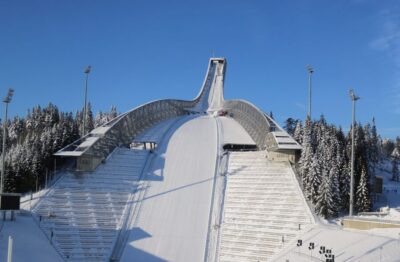
Sightseeing with Holmenkollen Ski Jump & Vigeland Park
Read our review →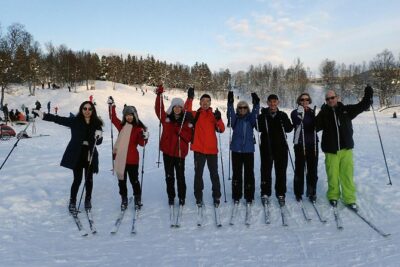
Cross-Country Ski Lesson for Beginners in Tromso
Read our review →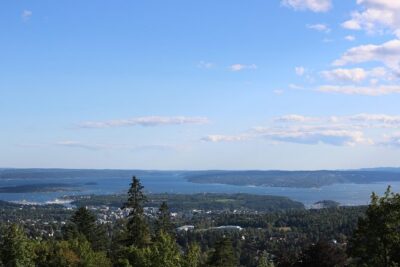
Oslo Panorama Tour with Holmenkollen Ski Jump and Vigeland Park
Read our review →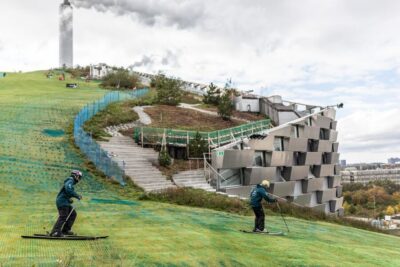
Snow Sledding, Mini Skiing, Lasso and Reindeer Hides
Read our review →Browse the lists this tour appears in