
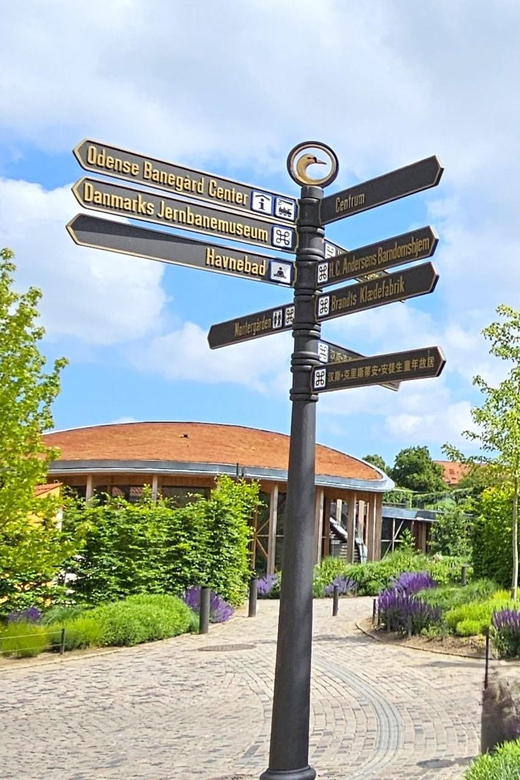
Reviewed · WALKING TOURS
Odense: City walk – The new green Odense – City development
Odense is not presented here as a pretty collection of old streets and H.C. Andersen landmarks. This two-hour city walk explains how the city is being rebuilt, from its industrial past to its stated goal of becoming a greener, more creative place to live. Guide Jørn Asmussen adds the useful local detail, including how changes affect housing, transport, education, and ordinary life.
I like the small-group format, since it leaves room for questions and a real conversation rather than a scripted march. I also like the route’s before-and-after story: you walk beside the harbor, through a former industrial zone, and across a new city district built where a six-lane road once cut through central Odense. The main consideration is that this is a thinking tour, not a greatest-hits sightseeing walk, and the full route covers about 4 kilometers.
In This Review
- Why this Odense walk is different
- Odense explained through its urban changes
- Starting at Overgade 3 in the old center
- Albani Torv and the first 30 minutes
- Walking toward the harbor with a wider view
- Donkey Republic and the role of everyday transport
- The Port of Odense and the city’s industrial past
- Storms Pakhus and a former industrial area
- H.C. Andersen Haven and the road that vanished
- What the guide adds to the experience
- Is $31 a fair price for two hours?
- Walking distance, pace, and practical planning
- Who should book this Odense experience?
- FAQ
- Where does the Odense city walk begin?
- Where does the tour finish?
- How long is the tour?
- How far do you walk?
- What languages are available?
- Is this a private tour?
- What does the tour focus on?
- Which places are included on the route?
- Is food included at Storms Pakhus?
- Can I cancel the booking?
- Should you book this city walk?
Why this Odense walk is different
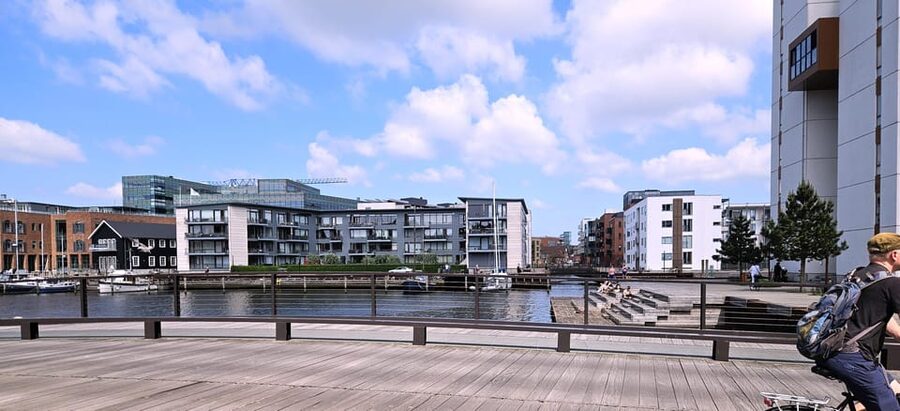
- Old city to new harbor: Follow Odense’s physical change from the historic center toward the waterfront.
- A former six-lane road transformed: See a completed urban area that replaced a major road through the center.
- Local insight from Jørn Asmussen: Ask about city planning, Danish society, and daily life in Odense.
- A 4-kilometer route: Plan for about 5,500 steps over two hours.
- Small groups: The format suits questions, discussion, and a more personal pace.
- English or German: The tour is available in both languages.
Odense explained through its urban changes
Many city walks help you spot the old town. This one helps you understand why the newer parts look the way they do. Odense is used as a case study in urban change, with the guide connecting streets, buildings, roads, harbor space, housing, and public planning.
That gives you a better way to read the city after the tour. A new pedestrian area is not just a pleasant place to stroll. It may be part of a decision to reduce traffic. A converted industrial site is not simply an attractive new district. It may show how Odense is trying to bring housing, work, culture, and recreation closer together.
The subject reaches beyond architecture. You’ll hear about the Danish education system, infrastructure, the economy, and daily routines in the city. The discussion can also stretch into wider questions about changing living conditions, including a small side discussion about life in Greenland if time and conversation allow.
I would choose this walk early in an Odense visit if you want a framework for the rest of your stay. Afterward, you’ll notice the city’s choices more clearly instead of seeing each new project as an isolated building site.
A few more Scandinavia trips to weigh up
- Private Walking Grand Tour of Copenhagen
★ 5.0 · 3,953 reviews - Copenhagen Highlights Walking Tour
★ 5.0 · 2,324 reviews - Stockholm: Ghost Walk and Historical Tour
★ 4.7 · 2,206 reviews
Starting at Overgade 3 in the old center
The meeting point is at Overgade 3, on the pedestrian street. Look for the small ruin in this compact area and a guide carrying a KnowledgeWalks sign. The location is intentionally easy to find, but allow a few minutes to locate the ruin rather than arriving at the last second.
Starting in the old part of Odense gives the walk a useful contrast. You begin with the familiar historic city, then move toward places shaped by industry, traffic planning, and recent redevelopment. The route returns to Overgade 3, so you do not need to arrange transport back to the center.
The walk is guided in English or German. If German is important to you, Jørn Asmussen has been praised for his fluent German and his ability to explain complicated changes in clear terms. English speakers can also take the tour, but check your selected language when booking.
Albani Torv and the first 30 minutes
The first substantial stop is Albani Torv, where the guide spends about 30 minutes. This is a good place to establish the basic story of Odense’s development before the route moves farther into the modern city.
Expect the guide to connect what you see around you with larger questions: How should a city make room for cars, bicycles, pedestrians, housing, and businesses? What happens when an older industrial city tries to attract younger residents while keeping the center practical and affordable?
The value here is not a list of dates. It is the explanation of cause and effect. You’ll get a clearer sense of why Odense has changed direction and how city planning can affect your everyday experience as a visitor.
This portion may feel less immediately scenic than a traditional old-town tour. That is also its point. You are being asked to observe the city as a place where people live, study, work, and travel, not only as a backdrop for photographs.
Walking toward the harbor with a wider view
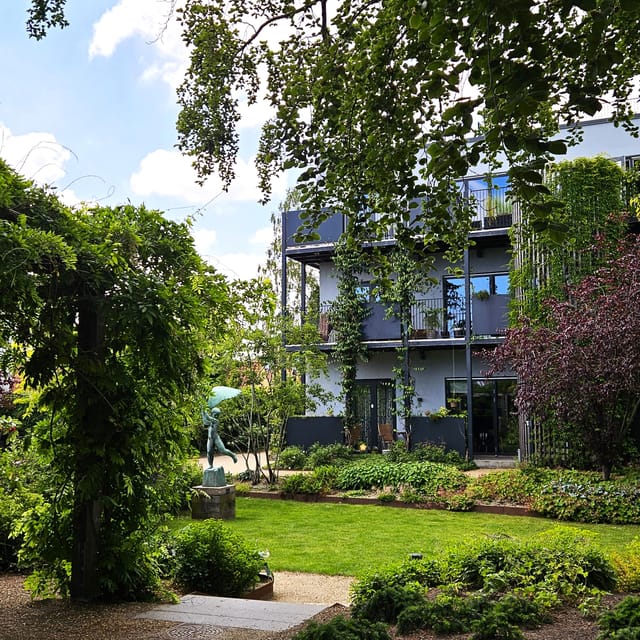
From the old center, the route heads toward the Port of Odense. This shift is central to the experience, because the harbor represents the city’s move away from its older industrial identity and toward new uses for urban space.
The guide’s job here is to show you how the waterfront fits into the larger plan. You may hear about the relationship between former industrial functions and newer districts, as well as the practical issues that come with redevelopment. A harbor can offer room for housing and public activity, but changing such an area also raises questions about access, cost, traffic, and the character of the city.
The walk makes this more meaningful than simply visiting a waterfront viewpoint. You can compare the physical spaces along the route and ask why certain areas were kept, changed, or rebuilt. Bring questions. The small group is one of the best reasons to book this experience, since the conversation can follow your interests.
Same fjord country, a very different day out:
- Stockholm: City Archipelago Sightseeing Cruise with Guide
★ 4.3 · 10,798 reviews - Copenhagen: Canal Cruise with Guide
★ 4.6 · 9,115 reviews - From Bergen: The Original Fjord Cruise to Mostraumen
★ 4.7 · 8,440 reviews - Tromsø: Reindeer Sledding & Feeding with a Sami Guide
★ 4.8 · 6,417 reviews
Donkey Republic and the role of everyday transport
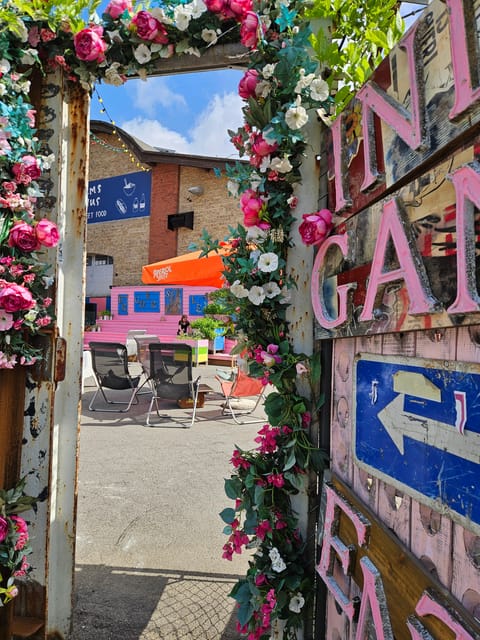
Donkey Republic is listed as a 30-minute guided stop. Its presence on the route points to the part of the tour that deals with mobility and city life rather than monuments.
Here, the discussion can help you think about how people move through Odense and how transport choices shape new neighborhoods. A city aiming to become greener needs more than attractive planting and new buildings. It also needs ways for residents to get around without allowing traffic to dominate every central street.
This section should appeal to anyone curious about practical urban policy. You can ask how transport connects to housing, access to the center, and the daily rhythm of residents. It also gives you a reason to pay attention to the route itself: pedestrian space, cycling arrangements, and the way streets link old and new districts.
Do not expect a separate attraction visit at this stop. It is best understood as an observation and discussion point within the walking route.
The Port of Odense and the city’s industrial past
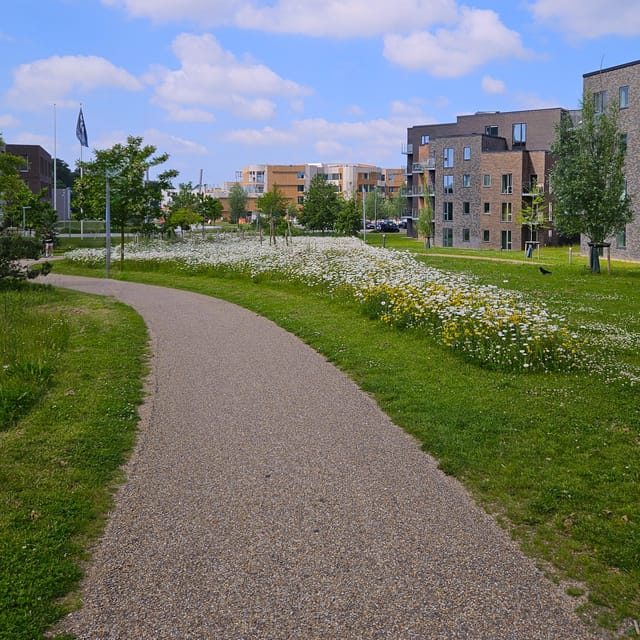
The Port of Odense receives another 30-minute guided segment. This is where the industrial-to-green-city story becomes easiest to picture.
The port symbolizes the old working city, while the surrounding changes show how urban land can be given new purposes. The guide explains the shift in a way that connects planning decisions to real life. The goal is not to pretend that redevelopment solves every problem. Instead, you get a closer look at what Odense is trying to do and why the city sees innovation, creativity, and environmental goals as part of its future.
If you enjoy architecture, this section gives you useful context for newer buildings and districts. If you care more about social questions, listen for the discussion of affordable housing in the center and the wish to keep young people in the city.
The harbor is also a natural point to pause and absorb the scale of the changes. You are not racing from sight to sight. The route gives the guide time to explain, and gives you time to compare what is old with what is being built.
Storms Pakhus and a former industrial area
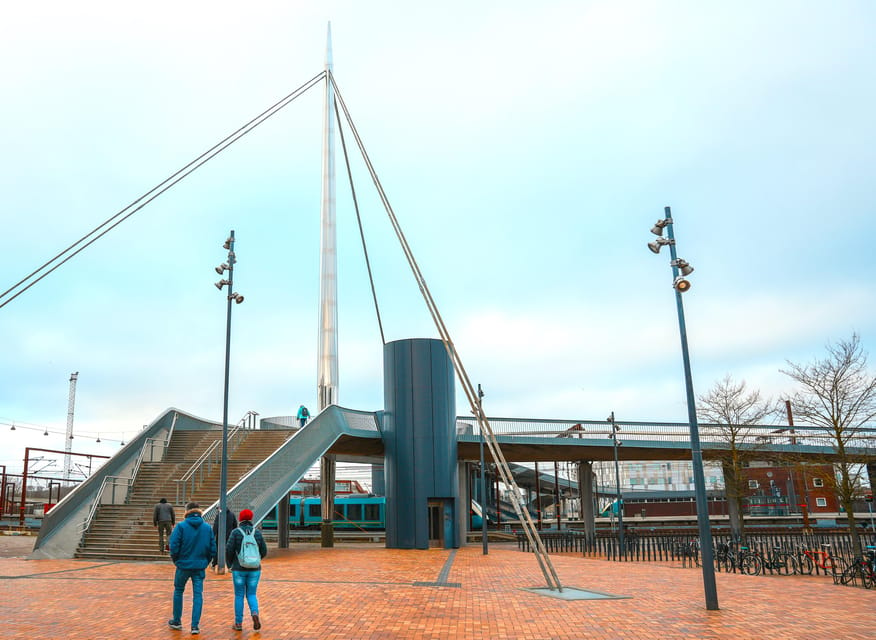
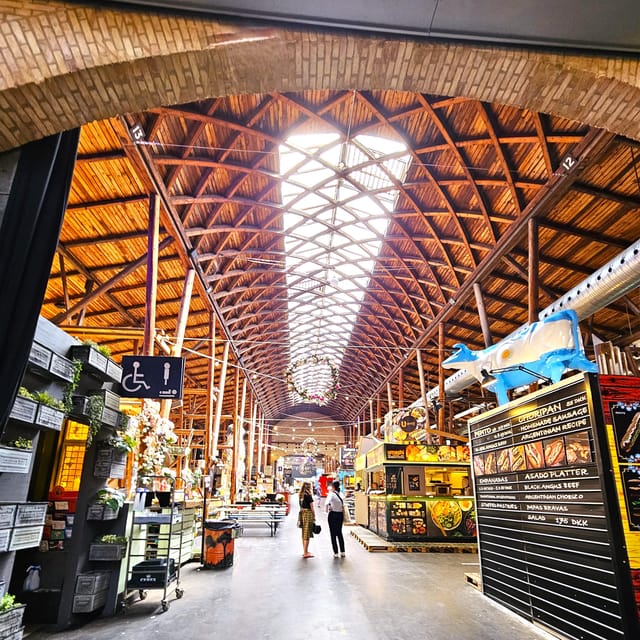
The route includes Storms Pakhus, known as Odense Street Food, for about 15 minutes. This stop brings a more social and informal use of urban space into the story.
A former industrial setting now supports food, meeting, and leisure activity. That makes it a useful example of how old structures or industrial areas can find new life rather than simply disappearing. You can connect the stop to the wider development of the district and consider how culture and food venues help make a new neighborhood feel lived-in.
The stop is short, so do not treat it as a full food tour or plan on a long meal there. If you want to eat, ask the guide how much time you have, but the main purpose is to understand the place as part of Odense’s changing city center.
I like this kind of stop because it keeps the tour from becoming too theoretical. You see a real place where redevelopment meets daily leisure.
H.C. Andersen Haven and the road that vanished
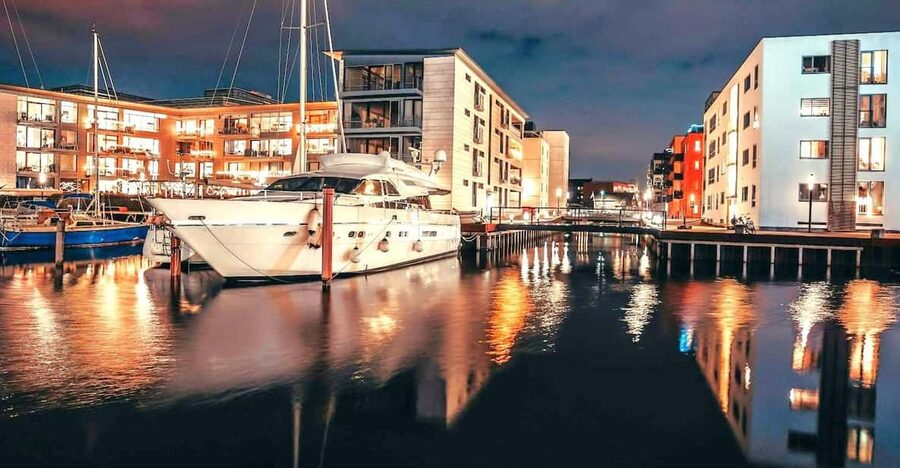
The final listed stop is H.C. Andersen Haven, with about 15 minutes of guided explanation. The garden brings the route back toward the familiar Odense associated with the famous author, but the focus remains on the city’s physical transformation.
One especially striking part of the route is the completed urban area built where a six-lane main road once ran through the center. That change gives you a concrete example of how a city can reclaim space from through-traffic and reshape it for people.
The garden is therefore more than a pleasant ending. It helps link the traditional image of Odense with the newer goals discussed throughout the walk. You return to the starting point with both sides of the city in view: the historic center and the modern planning effort around it.
Because the route is circular, you finish at Overgade 3 rather than ending in an unfamiliar district. That is convenient if you plan to continue exploring on foot.
What the guide adds to the experience
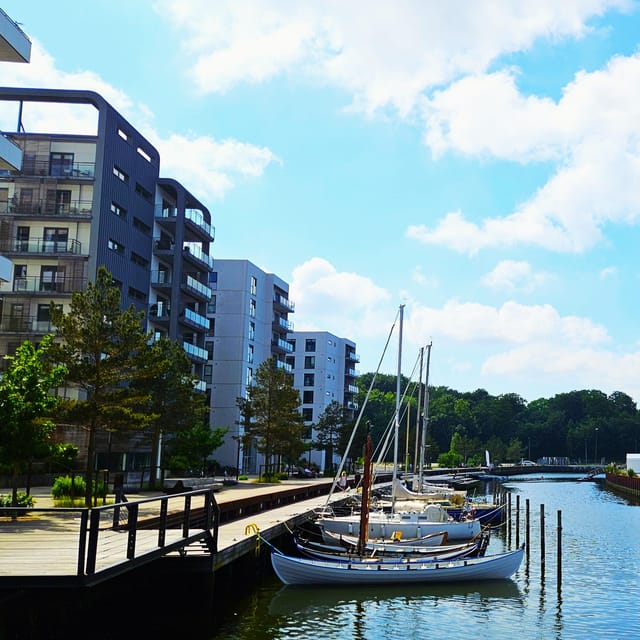
A tour about planning can become dry if the guide only repeats official goals. Jørn Asmussen’s role is especially important because the experience depends on conversation and explanation.
The strongest parts are the insider details that do not fit neatly into a standard tourist brochure. You can ask how changes are viewed locally, how Danish institutions approach shifting living conditions, and why certain choices matter for residents. The guide’s fluent German is a practical plus for German-speaking visitors, while English is also available.
The tone appears suited to people who want to ask questions rather than simply listen. One useful sign is the reported willingness to follow an unexpected topic, including a short discussion about Greenlandic life. That suggests the tour can adapt when the group has a particular interest.
Still, your experience will depend partly on your own curiosity. Come prepared to ask what you want to know. A small group gives you the chance to do that, and the guide can explain details at a level that a large group usually cannot.
Is $31 a fair price for two hours?
At $31 per person, this is more expensive than a basic self-guided walk and more specialized than a standard introductory city tour. The price makes the most sense if you value the guide’s interpretation and the chance to discuss Odense’s development in a small group.
You are paying for two hours, a route of about 4 kilometers, and access to local explanations about planning, transport, housing, education, infrastructure, and the economy. You are not paying for entry to attractions or a meal, so budget separately if you want to spend time at Storms Pakhus.
I consider it good value for a visitor who has already seen the old center or wants to understand why Odense feels different from a purely historic destination. It is less useful for someone who wants a quick list of monuments, photo stops, or H.C. Andersen facts.
The tour has a current rating of 5 out of 5 from 16 ratings. That is a small sample, so I would not treat the number as a guarantee. The repeated strengths are more useful: friendly guiding, strong German language ability, insider information, and clear explanations of how Odense changed.
Walking distance, pace, and practical planning
You should be comfortable walking 4 kilometers, or roughly 5,500 steps, over two hours. The route is not described as difficult, but the distance matters if you have limited stamina or prefer frequent seated stops.
Wear comfortable shoes and dress for Danish weather. That is simple advice, but this is a walking tour with outdoor movement between several districts, not a talk held in one indoor venue.
The small-group format should help keep the pace more personal, though the tour still has a planned route and timed stops. If you are traveling with children, consider their interest in city planning and long conversations before booking. The subject is aimed at people who want more knowledge, not at young children seeking constant activity.
You can cancel up to 24 hours ahead for a full refund, and the reserve-now, pay-later option keeps your plans flexible. Starting times vary, so check availability for the date you want.
Who should book this Odense experience?
I would recommend it to you if you like seeing how cities work. It is a strong match for students, architects, planners, educators, people interested in sustainability, and visitors who enjoy connecting physical places with social decisions.
It also suits anyone spending several days in Odense. After you have explored independently, this walk can complete the picture by explaining the parts you might otherwise pass without understanding. One thoughtful feature is the way the tour links city planning with broader Danish approaches to changing living conditions.
German-speaking visitors should give this experience serious consideration because Jørn Asmussen’s German is described as excellent. English speakers also have a dedicated tour option, and the small group allows direct conversation in either language.
I would skip it if your priority is a fast old-town orientation, a museum visit, or a tour centered mainly on H.C. Andersen. You will see the old city and the H.C. Andersen garden, but the real subject is the modern city around them.
FAQ
Where does the Odense city walk begin?
The tour begins at Overgade 3, 5000 Odense, on the pedestrian street. Meet by the small ruin and look for the guide carrying a KnowledgeWalks sign.
Where does the tour finish?
The route returns to Overgade 3, the same place where it begins.
How long is the tour?
The walking tour lasts two hours.
How far do you walk?
The route covers about 4 kilometers, or approximately 5,500 steps.
What languages are available?
The tour is offered in English and German.
Is this a private tour?
The experience is offered in a small-group format. The provided information does not state that every booking is private.
What does the tour focus on?
The main focus is Odense’s urban development and its change from an industrial city toward a greener city with creative and innovative goals.
Which places are included on the route?
The route includes Albani Torv, Donkey Republic, the Port of Odense, Storms Pakhus, H.C. Andersen Haven, and the starting point at Overgade 3.
Is food included at Storms Pakhus?
Food is not listed as included. Storms Pakhus is a guided stop on the walking route.
Can I cancel the booking?
You can cancel up to 24 hours in advance for a full refund. A reserve-now, pay-later option is also available.
Should you book this city walk?
Book it if you want Odense explained rather than merely displayed. The strongest reason to go is the combination of a manageable two-hour route, a small group, and a local guide who can connect roads, housing, industry, education, transport, and everyday Danish life.
I would place it near the start of a longer Odense stay if you want the city’s newer districts to make sense. If you have already explored independently, it can add the missing layer of context. At $31, the value depends on your interest in urban change, but for a curious visitor, the questions and local detail make this much more than a routine walk.
Just added around Scandinavia
- Stockholm: Evening Wildlife Safari with Midsummer Meal★ 4.2 · 130 reviews
- Wilderness Tour with Snowmobile & Ice Fishing★ 4.9 · 28 reviews
- World War II Stockholm Old Town Walking Tour and Army Museum★ 4.6 · 4 reviews
- Vossevangen: Nærøyfjord Full-Day Guided Kayaking Trip★ 4.8 · 4 reviews
- West Sweden: Sea Kayak Delight in Nature Reserves★ 5.0 · 6 reviews
- From Svolvær: Whale Watching Day Trip to Andenes★ 3.8 · 27 reviews
- Voss: Family Rafting on the Vosso River★ 4.7 · 23 reviews
- Voss: Thrilling Whitewater Rafting Guided Trip★ 4.6 · 56 reviews
Walking Tours, compared.
Past & Present Small Group Guided Walking Tour
Read our review →
Walking Tour in Bergen of the Past and Present
Read our review →

The Original Stockholm Ghost Walk and Historical Tour – Gamla Stan
Read our review →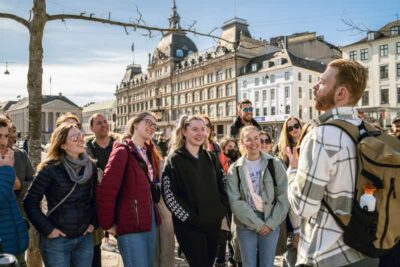
Group Walking Tour – City Highlights – 2 Hours
Read our review →Browse the lists this tour appears in