
Reviewed · TRAIN EXPERIENCES
Romsdalen: Rauma Railway Golden Train with Guide
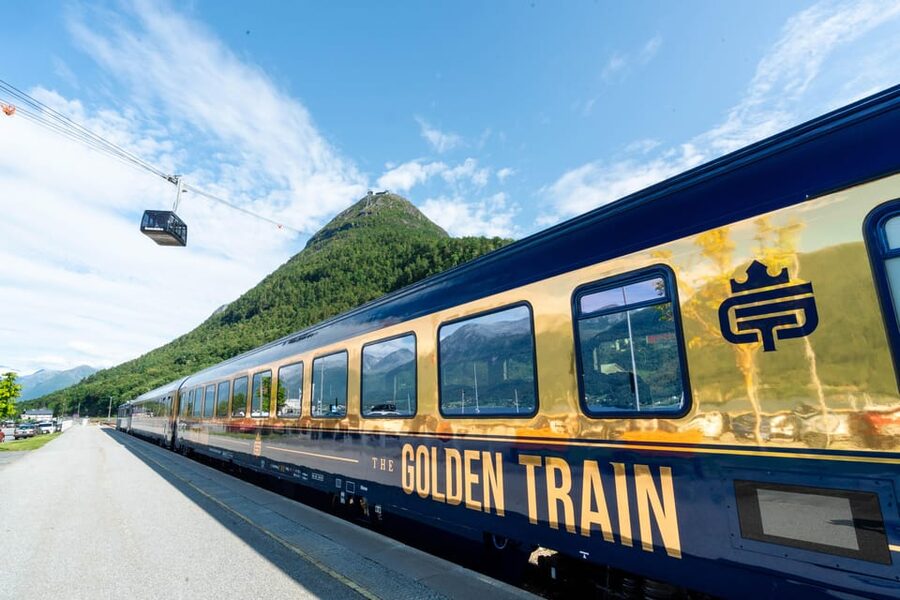
The most striking part of the Rauma Railway Golden Train is its slow passage through a narrow Norwegian valley framed by sheer rock walls, waterfalls, and an emerald river. From Åndalsnes to Bjorli, you get a moving front-row seat to some of Møre og Romsdal’s wildest scenery.
I like the unhurried pace, which gives you time to take photographs, and the English commentary, which adds stories about mountain life, the railway, and Norway’s WWII gold run. The train is clean, has clear windows, a toilet, and viewing spots where you can look out from more than one side.
The main consideration is seating. Arrive early if you want the best window position, since seats may not be allocated clearly. Freight trains can also delay the return, cutting the advertised 30-minute stop at Bjorli to a much shorter pause.
In This Review
- Key points to know before you go
- Why the Rauma Railway is worth your time
- Starting at Åndalsnes station
- The first hour through the Rauma valley
- Troll Wall and Verma Waterfall
- Kylling Bridge, the route’s finest engineering view
- Bjorli and the 30-minute pause
- The return to Åndalsnes
- Commentary, history, and the Golden Train name
- Weather, windows, and photography advice
- Who should book this train ride?
- Booking value and practical details
- Should you book the Golden Train?
- FAQ
- How long does the Rauma Railway Golden Train experience last?
- Where does the train journey begin and end?
- What sights will I see from the train?
- Is the commentary in English?
- What should I bring?
- Is there a toilet on the train?
- Can I cancel the booking?
Key points to know before you go
- Troll Wall and Kylling Bridge: The route brings you past Norway’s famous vertical rock face and its most photographed railway bridge.
- Two hours on the rails: The train spends about one hour traveling each way, with a short stop at Bjorli.
- English stories on board: Expect commentary about local mountain life, railway history, and the WWII gold operation.
- Best views from the right: The right side often gives the stronger outward view, but both sides have worthwhile scenery.
- Easy cruise-port outing: Åndalsnes station sits close to the quay, making this practical for a port day.
- Good value at $64: The price is notably lower than some cruise-line versions of the same trip.
Why the Rauma Railway is worth your time
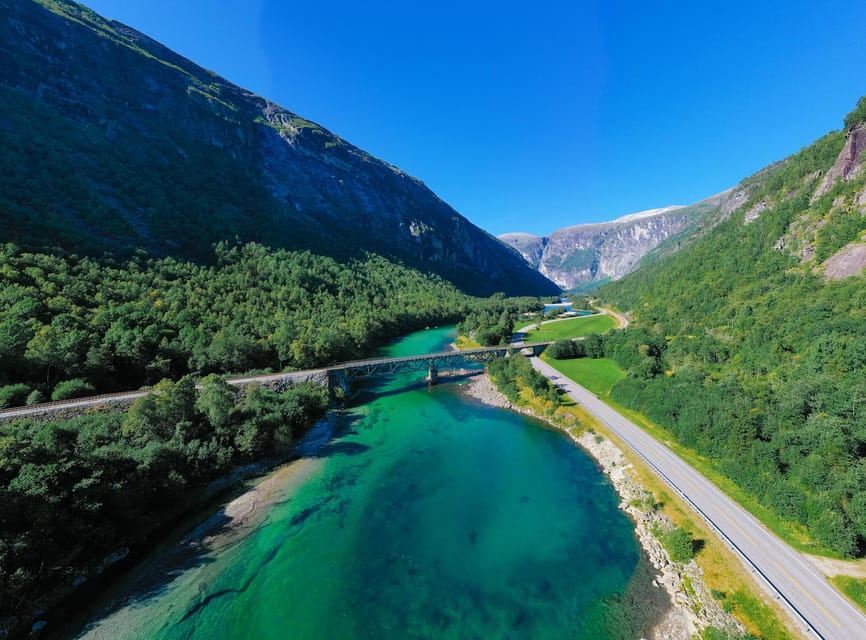
Norway has no shortage of pretty train rides. This one earns its reputation through contrast. The train leaves Åndalsnes and quickly enters a world of hard-edged rock, green water, sharp peaks, and open valley views. You are not simply looking at one famous attraction. The scenery keeps changing as the railway follows the Rauma River.
I especially like that the journey does not rush past the sights. The train moves slowly enough for you to frame a photograph, watch a waterfall, or shift seats when the view changes. You can enjoy the trip without the pressure of driving, finding parking, or keeping your eyes on a winding road.
The experience also has more substance than a picture-taking ride. The commentary explains how people lived among the mountains, depended on the river, and climbed the surrounding peaks. It also covers the Second World War and the events behind the name Golden Train. Those stories give the route a human scale.
The activity costs $64 per person. That is a fair price for a 2.5-hour round trip with a guide, a return rail ticket, and access to scenery that would be difficult to appreciate from a car. If you are arriving by cruise ship, the value looks even better. The station is close to the quay, and the same excursion can cost about twice as much when booked through a cruise company.
A few more Scandinavia trips to weigh up
- Bergen: Viking Village, Nærøyfjord Cruise & Flåm Railway
★ 4.8 · 1,047 reviews - From Narvik: Roundtrip Arctic Train Ride on Ofoten Railway
★ 4.4 · 407 reviews - Guided tour – Viking Village, Nærøyfjord Cruise and Flåm Railway
★ 4.5 · 371 reviews
Starting at Åndalsnes station
Your trip begins at Åndalsnes station, close to the waterfront and cruise terminal. That short distance matters on a port day. You do not need a long transfer before the train leaves, and you can return to the ship soon after the rail journey ends.
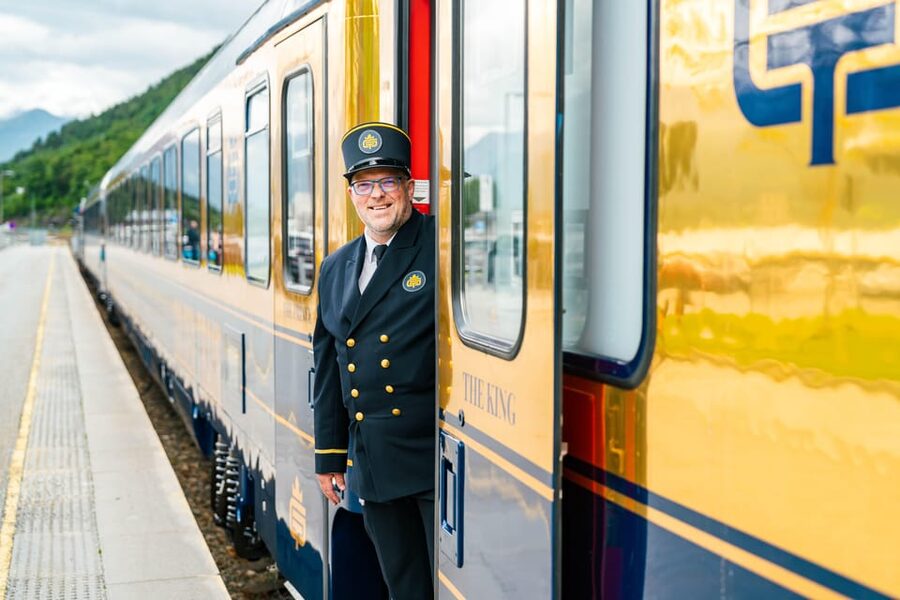
The train hosts welcome you aboard. The advertised setup includes an English audio guide on your own smartphone, so bring a charged phone and headphones. The activity also identifies an English live guide, and the onboard commentary described for this journey may be delivered by a person speaking to the carriage. In practice, prepare for guided commentary rather than a silent ride.
Arrive early if seating matters to you. The best practical advice is to claim a window seat before the train fills. One side often has a stronger view, with the right side generally recommended, but the left side still gives you plenty to see.
Some carriage sections have extra viewing windows where you can stand for photographs. There are also compartments seating six at the ends of some carriages, allowing you to see scenery on both sides. These spaces may be useful if you do not want to stay fixed beside one window for the whole trip.
The first hour through the Rauma valley
The outward journey to Bjorli takes about one hour. That is enough time to settle in, listen to the stories, and watch the valley close around the railway.
The route passes vertical mountain cliffs and jagged rock faces. The mountains do not appear as distant backdrops. They rise close to the tracks, making the train feel small beside them. When the weather is clear, high peaks and open stretches of green valley create the strongest views. In poor weather, mist and cloud can hide some of the higher rock faces, but the waterfalls, river, bridges, and railway itself still give the trip character.
The Rauma River is one of the route’s main visual threads. Its green water appears and disappears beside the train, with the color changing as the valley opens or tightens. You will also cross 32 bridges during the full route, each offering a slightly different angle on the river and surrounding rock.
The slow pace is a real advantage for photography. You have more time to prepare than you would from a passing car, though reflections and window pillars can still get in the way. Keep your phone ready, but do not spend the entire ride looking at a screen. Some of the best moments arrive between the named attractions.
Troll Wall and Verma Waterfall
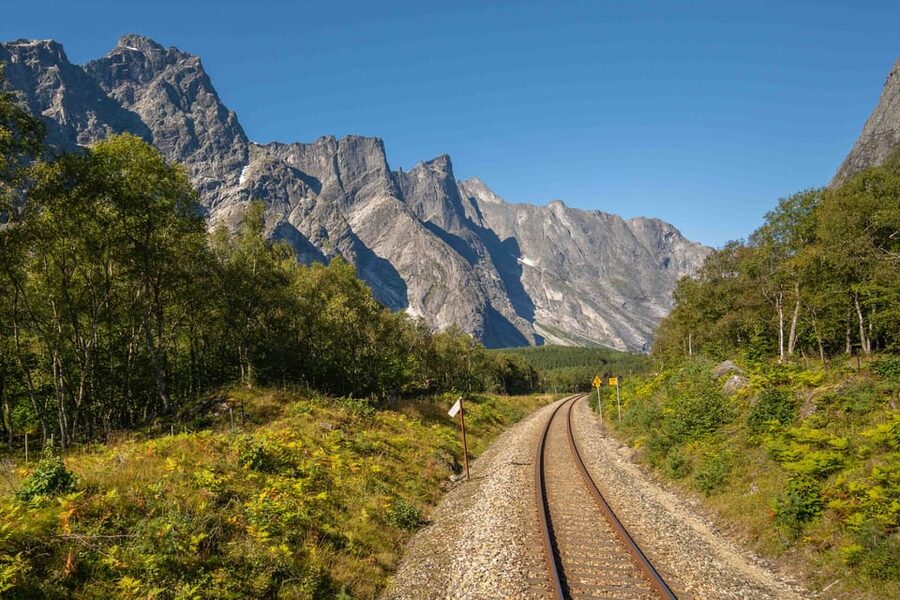
Troll Wall, or Trollveggen, is one of the route’s headline sights. Its huge rock face gives the journey a clear sense of scale. From the train, you see the wall as part of a larger mountain setting, with the railway moving through a valley shaped by steep cliffs and high peaks.
The view can vary greatly with the weather. On a bright day, the rock detail and height are easier to appreciate. Clouds may soften the upper sections, but they can also make the cliffs feel more dramatic. If your main reason for booking is a perfect view of Troll Wall, keep your expectations tied to the forecast.
Verma Waterfall is another key sight. Water drops through the mountain setting, adding movement to a scene otherwise made up of rock, forest, and river. Waterfalls can be especially impressive after wet weather, though the exact appearance will depend on conditions.
The guide’s commentary helps here. Instead of seeing a waterfall and moving on, you get context about the railway and the people who worked and lived in this demanding area. The stories make the scenery easier to remember after the train has returned to Åndalsnes.
Same fjord country, a very different day out:
- Stockholm: City Archipelago Sightseeing Cruise with Guide
★ 4.3 · 10,798 reviews - Copenhagen: Canal Cruise with Guide
★ 4.6 · 9,115 reviews - From Bergen: The Original Fjord Cruise to Mostraumen
★ 4.7 · 8,440 reviews - Tromsø: Reindeer Sledding & Feeding with a Sami Guide
★ 4.8 · 6,417 reviews
Kylling Bridge, the route’s finest engineering view
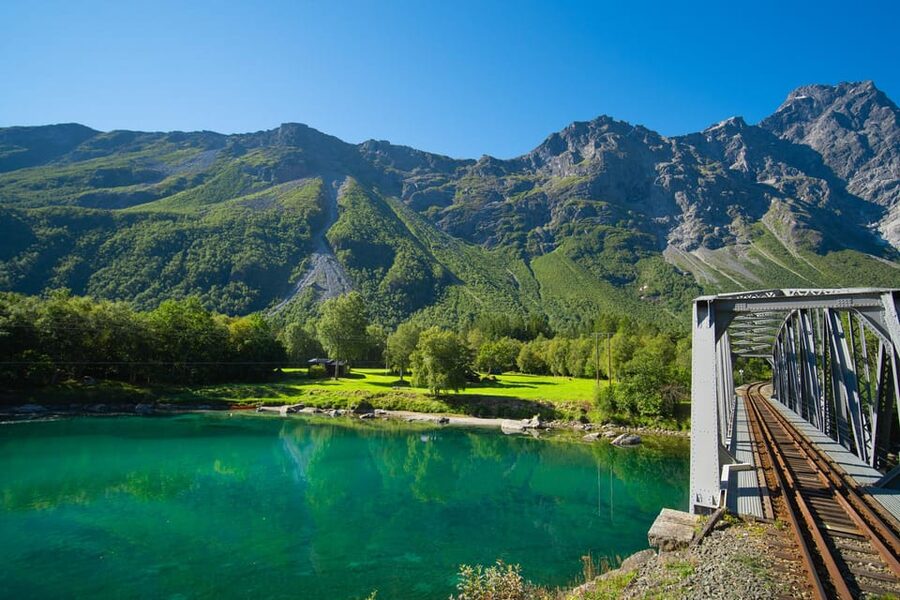
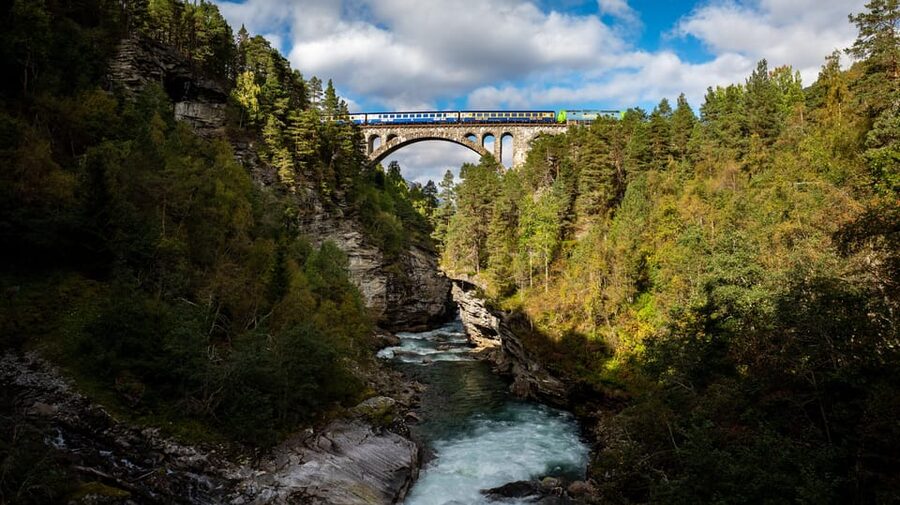
Kylling Bridge is the railway’s signature structure and the most photographed bridge on the route. It crosses a deep section of the valley and shows how the railway was built through difficult mountain country.
Have your camera ready before the train reaches it. The slow speed helps, but you still need to watch the windows and avoid waiting until the last moment. If you can move to one of the extra viewing areas, you may get a clearer angle without a pillar in the frame.
The bridge is worth noticing for more than its appearance. It connects the natural drama of the valley with the practical story of railway engineering. The train is not just passing through untouched scenery. It is following a carefully built line through steep terrain, across rivers, and over bridges that still shape the experience today.
Bjorli and the 30-minute pause
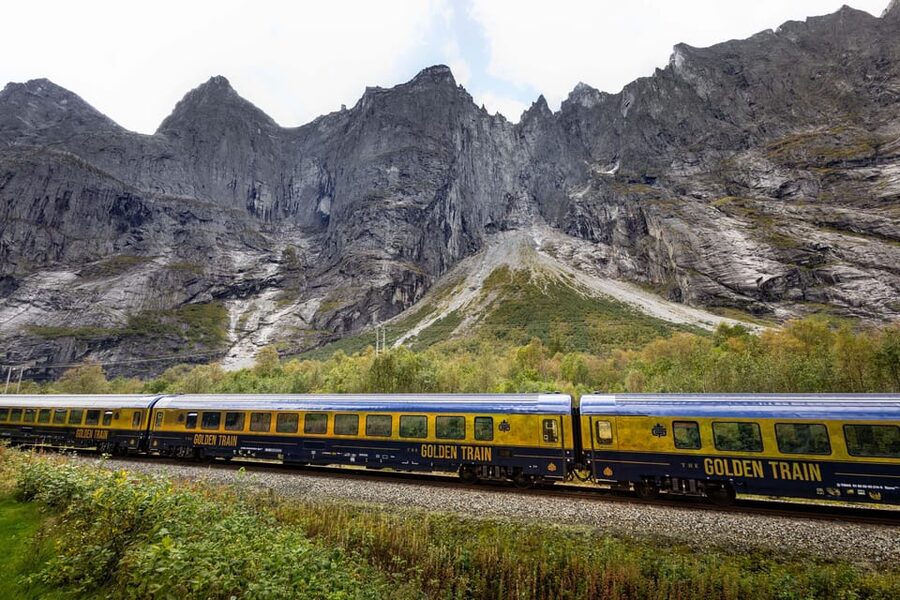
Bjorli is the final stop before the train turns back. The planned stop lasts about 30 minutes, giving you time to leave the carriage, stretch your legs, and take photographs outside.
Do not expect a full town tour or a long list of attractions at the station. The main purpose of the stop is to pause in the surrounding mountain setting and visit the small station collection. The memorabilia connected with Norway’s gold run during WWII adds an unusual historical note to what could otherwise be a simple turnaround.
The stop can be shorter than planned. Freight trains have caused delays on the route, and a late arrival may leave you with only about 10 minutes before the return journey. That is enough for a quick look at the station material and a few photographs, but not enough for a relaxed break.
For that reason, think of Bjorli as a useful pause, not the main destination. The train ride is the heart of the experience. If you have limited mobility or prefer not to rush, stay aware of the time and listen for instructions before wandering far from the train.
The return to Åndalsnes
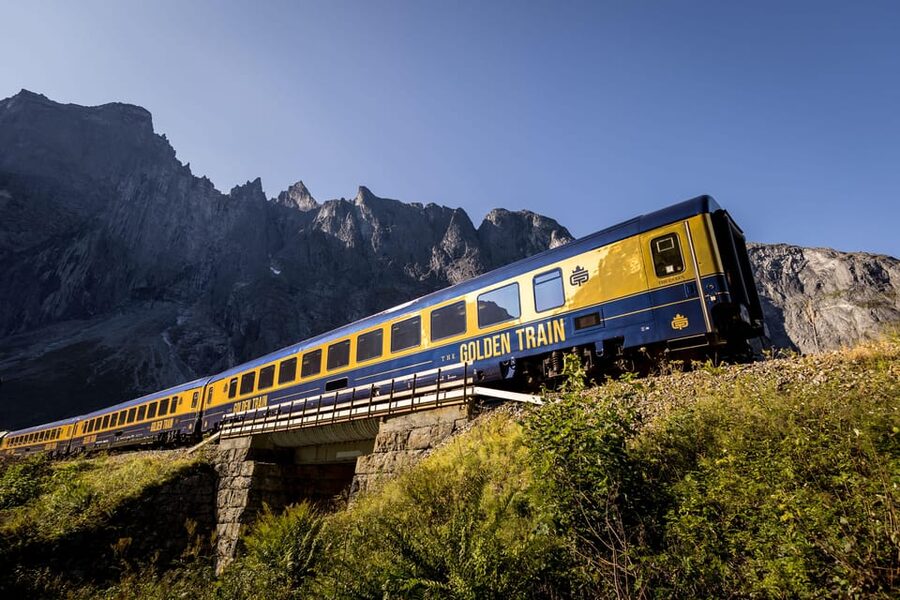
The return journey takes about one hour. You now see the route from a new angle, and this is where seat strategy helps. If everyone stays in the same place, one side of the train will have a better view of certain sights on the way back. It is worth changing seats when possible, as long as you do so politely and keep track of where you started.
The return also gives you a second chance at photographs missed on the outward leg. You may notice bridges, river bends, and rock formations that went by too quickly before. The slow train makes this a relaxed ride rather than a rushed transfer.
Onboard facilities make the trip comfortable. The train has a toilet, and accounts of the service describe hot and cold drinks and snacks being available. The central experience is still the scenery, so treat refreshments as a convenience rather than the reason to book.
Commentary, history, and the Golden Train name
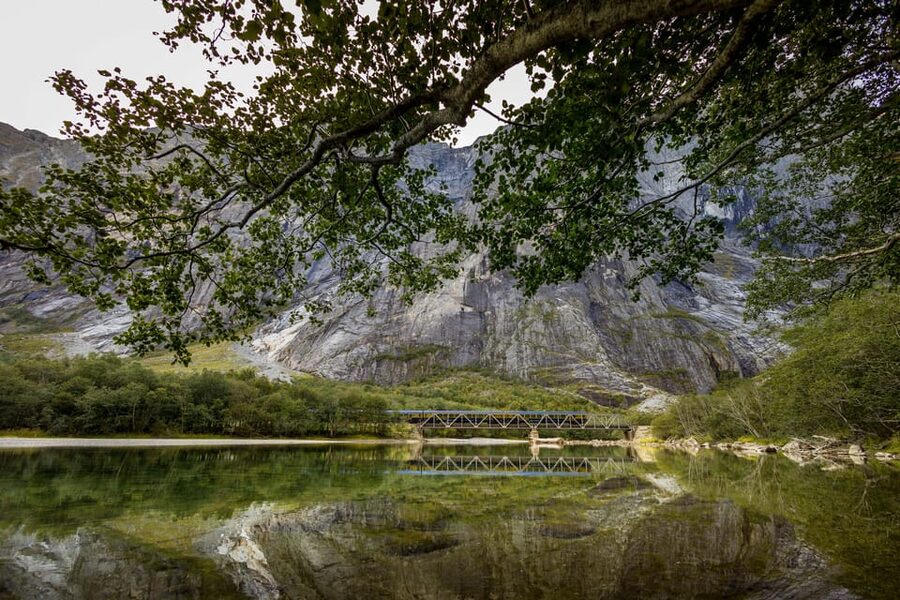
The spoken stories are an important part of the value. The commentary covers people who made a life among sharp peaks, relied on the river, and climbed the mountains. It also explains the railway’s place in local history and the WWII gold run that inspired the Golden Train name.
The delivery can be a major strength. The guide is described as offering a clear voice, funny details, and a steady stream of information during the trip. If you prefer silence, this may feel like a lot of talking over two hours. If you like to know what you are seeing, it gives the journey a stronger sense of purpose.
Bring headphones even if you expect a person to speak on board. The activity includes an audio guide on your own phone, and headphones are listed among the items to bring. A charged smartphone is essential for that format.
Weather, windows, and photography advice
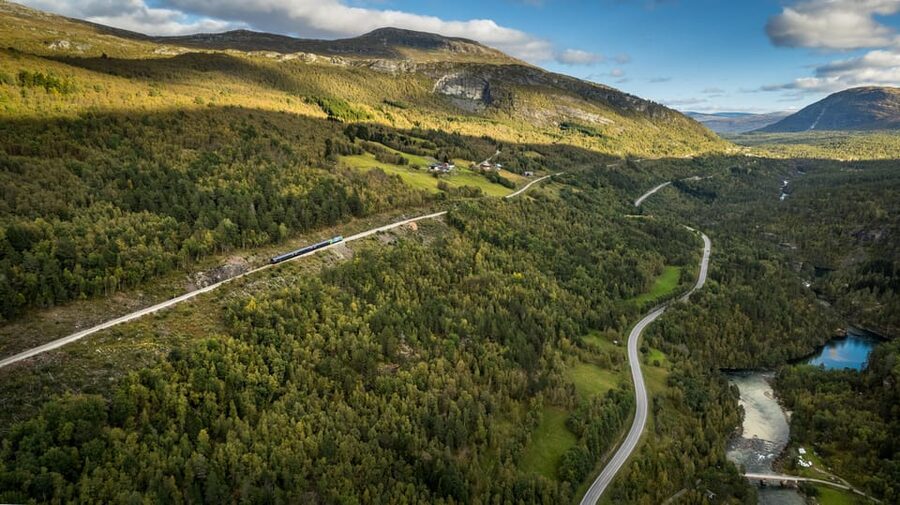
Clear weather gives you the best chance of seeing the high peaks and full height of the cliffs. Still, this is not an experience to discard automatically when clouds appear. Waterfalls, river views, bridges, and the railway itself remain worthwhile in mixed weather.
The train windows are reported to be clean, which helps with photographs. Reflections are still possible, especially when the carriage interior is bright. Hold your phone close to the glass without pressing it against the window, and use the extra viewing windows when available.
Arrive early for a better choice of seats. The right side is often preferred for outward views, but the left side is not wasted. The end compartments and standing areas can help you see both directions, and you can change position on the return if space allows.
Avoid treating the ride as a hunt for one perfect photograph. The best part is the steady sequence of views: a cliff, then river, then bridge, then waterfall, followed by a wider valley. You get more from the trip by watching the whole route.
Who should book this train ride?
I would recommend it to anyone who wants major Norwegian scenery without a strenuous walk. Families, older visitors, cruise passengers, photographers, and train enthusiasts can all find a good reason to take it.
It suits you especially well if you have only a few hours in Åndalsnes. The station’s position near the quay makes the timing simple, and the round trip keeps the experience self-contained.
You should think twice if your main goal is a long stop at Bjorli. There is little time there even under the normal schedule, and delays may reduce the break. The attraction is the railway journey, not an extended visit at the final station.
It may also be less suitable if you strongly dislike guided commentary or sharing window views. Seating can cause friction when people assume different rules apply, so arriving early and speaking with the hosts is wise.
Booking value and practical details
At $64, the trip offers a strong mix of scenery, transport, and interpretation. You receive a round-trip ticket and guided or audio commentary for roughly two and a half hours. For cruise passengers, the location and price can make it a more economical choice than booking the same excursion through the ship.
You can cancel up to 24 hours before departure for a full refund, and reserve now while paying later. Starting times vary, so check availability for your date before making other port plans.
The experience is offered in English. Bring a charged smartphone and headphones, even though the journey may also include live spoken commentary. The onboard toilet is useful, particularly since the train spends about an hour in each direction.
Should you book the Golden Train?
Book this tour if you want a comfortable, story-filled ride through Norway’s sharpest mountain scenery. The Troll Wall, Kylling Bridge, Verma Waterfall, emerald river, and 32 bridges give you plenty to watch, while the slow pace makes photography easy.
The two caveats are clear: seating may not be perfectly organized, and the Bjorli stop can shrink if the train is delayed. Neither issue changes the main value of the experience, since the train ride itself is the reason to go.
For a short visit to Åndalsnes, especially from a cruise ship, I would choose it. You get dramatic scenery, useful local history, a convenient station, and a price that compares well with cruise-line excursions.
FAQ
How long does the Rauma Railway Golden Train experience last?
The full experience lasts about 2.5 hours. The train ride takes about one hour each way, with a planned 30-minute stop at Bjorli.
Where does the train journey begin and end?
The journey begins at Åndalsnes station and returns to Åndalsnes station after the round trip.
What sights will I see from the train?
The route includes views of Troll Wall, Verma Waterfall, Kylling Bridge, high mountain peaks, jagged rock faces, the Rauma River, and 32 bridges.
Is the commentary in English?
Yes. The activity is offered in English and includes an English live guide. It also lists an audio guide used on your own smartphone.
What should I bring?
Bring headphones and a charged smartphone for the audio guide.
Is there a toilet on the train?
Yes. The train has a toilet onboard.
Can I cancel the booking?
Yes. You can cancel up to 24 hours in advance for a full refund. You can also reserve now and pay later.
Just added around Scandinavia
- Stockholm: Evening Wildlife Safari with Midsummer Meal★ 4.2 · 130 reviews
- Wilderness Tour with Snowmobile & Ice Fishing★ 4.9 · 28 reviews
- World War II Stockholm Old Town Walking Tour and Army Museum★ 4.6 · 4 reviews
- West Sweden: Sea Kayak Delight in Nature Reserves★ 5.0 · 6 reviews
- From Svolvær: Whale Watching Day Trip to Andenes★ 3.8 · 27 reviews
- Vossevangen: Nærøyfjord Full-Day Guided Kayaking Trip★ 4.8 · 4 reviews
- Voss: Family Rafting on the Vosso River★ 4.7 · 23 reviews
- Voss: Thrilling Whitewater Rafting Guided Trip★ 4.6 · 56 reviews
Train Experiences, compared.
Viking Village, Nærøyfjord Cruise & Flåm Railway
Read our review →
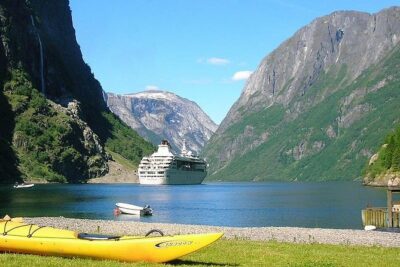
Guided tour – Viking Village, Nærøyfjord Cruise and Flåm Railway
Read our review →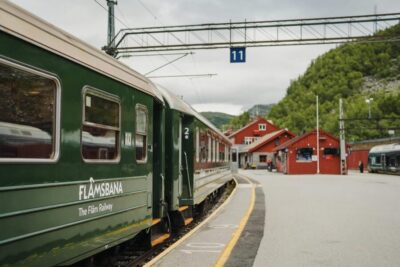
Viking Village, Nærøyfjorden Cruise and Flåm Railway
Read our review →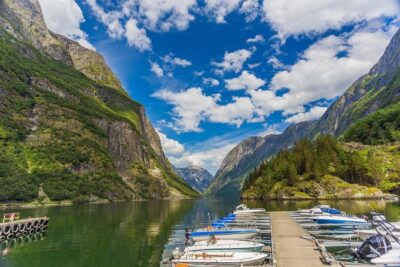
Oslo To Sognefjord Private Full Day Roundtrip Including Flam Railway
Read our review →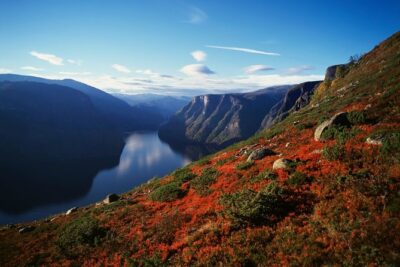
Oslo To Bergen Self-Guided Full Day Trip with Flåm Railway And Fjord Cruise
Read our review →
Private Full-Day Round Trip from Oslo to Sognefjord via Flåm Railway
Read our review →
Browse the lists this tour appears in