
Reviewed · WALKING TOURS
Uppsala Must See 2h city walk – 2h tour of all big attractions!
Uppsala’s best stories are packed into a small area, from Viking runestones beside the cathedral to castle murders, royal power, and the city’s old river trade. This two-hour walk links those pieces in a compact route, with an English-speaking guide and a 5:30 pm start.
I like the mix of famous sights and less comfortable history, especially the stop at Dekanhuset and the former Swedish race biology institute. I also like the flexible plan: if the university or Carolina Rediviva is open, you may go inside, but the tour still works when buildings are closed.
The main consideration is value. At $110.15 per person, this is a costly short walk, particularly since Uppsala Castle and Museum Gustavianum are viewed from outside and interior access depends on opening hours.
In This Review
- Key points at a glance
- Why this short Uppsala walk covers so much
- Uppsala Cathedral and the runestones
- Uppsala University and the main building
- Dekanhuset and Uppsala’s difficult scientific past
- Carolina Rediviva and the Silver Bible
- Botanical Garden at the castle hill
- Uppsala Castle and its murderous stories
- The main square, Dombron, and the river
- The old mill and Upplandsmuseet
- Gustavianum’s anatomical theatre
- Saint Erik’s spring and the final story
- What $110.15 per person buys you
- Timing, group size, and practical planning
- Who should book this Uppsala walking tour
- Should you book it?
- FAQ
- How long is the Uppsala Must See city walk?
- What time does the tour begin?
- Where does the tour start and finish?
- Is the tour offered in English?
- Are admission fees included?
- How many people can join the tour?
Key points at a glance
- Viking stones beside the cathedral: Start with visible traces of Uppsala’s pre-Christian past.
- A cathedral-to-castle route: Cover the city’s major sights without arranging several separate visits.
- Uncomfortable local history: Hear about the former race biology institute and murders linked to Uppsala Castle.
- Flexible interiors: The university main building, Carolina Rediviva, and botanical garden may be entered if open.
- A useful two-hour orientation: Finish where you began, at Riddartorget, after seeing central Uppsala on foot.
- Small-group setting: The group is capped at 20 people, with free cancellation up to 24 hours before departure.
Why this short Uppsala walk covers so much
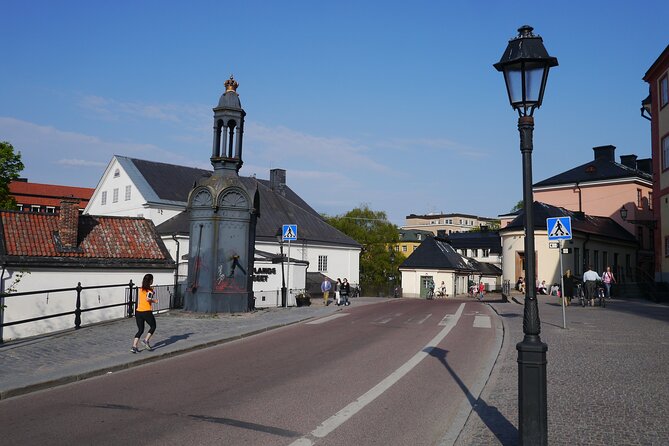
This is a city orientation with a strong history focus, not a museum-heavy tour. In roughly two hours, you move through Uppsala’s religious, academic, royal, scientific, and Viking-era past.
The route begins and ends at Riddartorget, also called Knights’ Square, on Biskopsgatan. That is practical if you are staying near central Uppsala or arriving by public transport. Since the tour begins at 5:30 pm, you should check the day’s opening hours before setting out. The later start may work well after a daytime visit elsewhere, but it also means some interiors may already be closed.
The pace should suit you if you can walk steadily for two hours. The group may include as many as 20 people, so this is not a private walk, but the size is still manageable for a central-city route. One useful sign of flexibility is that the guide has adjusted the pace and helped locate a guest who had trouble finding the starting point. Even so, allow extra time to reach Riddartorget.
A few more Scandinavia trips to weigh up
- Private Walking Grand Tour of Copenhagen
★ 5.0 · 3,953 reviews - Copenhagen Highlights Walking Tour
★ 5.0 · 2,324 reviews - Stockholm: Ghost Walk and Historical Tour
★ 4.7 · 2,206 reviews
Uppsala Cathedral and the runestones
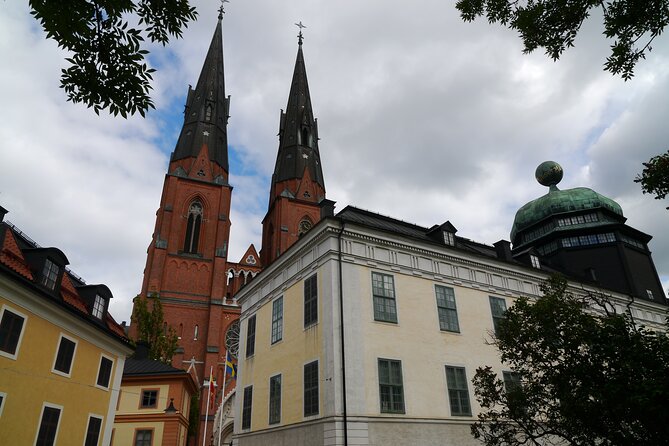
The cathedral is the visual anchor of the walk. You first experience Sweden’s biggest cathedral from the outside, then look at Viking Age runestones nearby.
That pairing gives you two very different views of Uppsala. The cathedral points to the city’s later Christian power, while the runestones connect you to an earlier Scandinavian world of local families, travel, belief, and status. You do not need to be an expert in Viking history to enjoy this stop. The stones make the past physical and easy to read as part of the modern city.
The cathedral visit is listed as an exterior experience, so do not book this walk expecting a full guided tour inside. That is a limitation, but the outside view still provides a strong opening point. The route uses the cathedral area to establish why Uppsala mattered before moving into the university quarter.
You receive about 20 minutes at the Viking site. That is enough time for an explanation and a close look, though not enough for a long archaeology lesson. If runestones are a priority for you, this is one of the more distinctive reasons to choose the walk.
Uppsala University and the main building
The next stop is Uppsala University’s main building, with about 10 minutes allowed. If the building is open, the guide will try to take you inside. If not, you see and discuss it from the outside.
The short timing tells you what to expect: this is an introduction, not a full university history tour. Still, the stop adds a useful layer to the city. Uppsala is not only a cathedral town and royal center. Its university has helped shape the city’s intellectual identity for centuries.
The open-or-closed arrangement is worth noting. Access is not guaranteed, so your experience can change with the day’s schedule. I like that the guide has a clear outdoor alternative instead of making the whole visit depend on one door being open.
Dekanhuset and Uppsala’s difficult scientific past
Dekanhuset is one of the tour’s most unusual stops. Here you hear about the Swedish race biology institute and its history from 1920 to 1958.
This subject gives the walk more weight than a standard sightseeing circuit. It also asks you to look at Uppsala critically. A city can be proud of its cathedral, university, and old buildings while still carrying a troubling scientific and political past. The stop is brief, around 10 minutes, but it introduces a darker chapter that many quick city walks leave out.
You should not expect a long specialist lecture in this short time. The value is in placing this history within the city center and connecting it to a real building. If you prefer tours that avoid difficult subjects, this stop may feel heavy. If you want a more honest account of Uppsala, it is an important part of the route.
Same fjord country, a very different day out:
- Stockholm: City Archipelago Sightseeing Cruise with Guide
★ 4.3 · 10,798 reviews - Copenhagen: Canal Cruise with Guide
★ 4.6 · 9,115 reviews - From Bergen: The Original Fjord Cruise to Mostraumen
★ 4.7 · 8,440 reviews - Tromsø: Reindeer Sledding & Feeding with a Sami Guide
★ 4.8 · 6,417 reviews
Carolina Rediviva and the Silver Bible
Carolina Rediviva is the university library, and the visit lasts about 20 minutes if it is open. Inside, you may see the historical museum and the famous Silver Bible, written in Gothic language.
This is potentially the strongest indoor stop on the walk. The library adds a direct link to books, scholarship, and the preservation of Europe’s past. The Silver Bible gives the visit a specific object to remember instead of only another grand building.
Again, entry is conditional. The wording of the tour makes clear that you may visit from outside if the library is not open. That matters when comparing this walk with a dedicated museum visit. You are paying for the guide’s route and interpretation, not a guaranteed extended viewing of the collection.
If Carolina Rediviva is open during your walk, the 20-minute allowance gives this stop enough space to feel meaningful without taking over the tour. If it is closed, you still hear why the library matters, but the experience becomes more architectural than museum-based.
Botanical Garden at the castle hill
The botanical garden, Botaniska Trädgården, receives about 10 minutes. It is described as one of the world’s oldest botanical gardens, and the guide may explore it with you if it is open.
This stop changes the mood. After religious power, Viking stones, university buildings, and difficult scientific history, the garden brings in plants and the natural world. It also shows that Uppsala’s identity is not limited to old stone buildings.
Ten minutes is a quick visit. You will not have time for an extensive garden tour or a slow look at every collection. Think of it as a guided introduction and a chance to see how the garden fits into the university setting.
Because access depends on opening hours, the stop may be partly or entirely an outdoor look. Wear shoes suitable for walking between paved streets and garden areas. The tour does not promise a long pause, so save detailed plant study for a separate visit if that is your main interest.
Uppsala Castle and its murderous stories
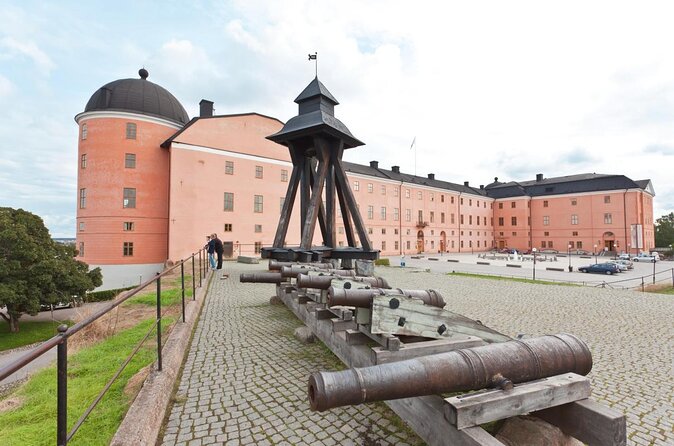
Uppsala Castle is approached through its courtyard, where you hear about murders connected with the castle. The castle itself is closed to visitors as part of this experience, and admission is not included.
The courtyard stop lasts about 20 minutes, making it one of the longer pauses. That gives the guide time to explain the violent events and the castle’s place in Swedish power struggles. The subject is a strong match for visitors who like political history with a darker edge.
It is important to set expectations. You are not touring the castle rooms, and you should not count on entering the building. The appeal comes from the setting and the story told there. I would treat this as a guided exterior visit, not a substitute for a castle admission ticket.
The castle also helps the route feel geographically complete. You begin around the cathedral and university area, then reach the royal side of Uppsala before returning toward the old center.
The main square, Dombron, and the river
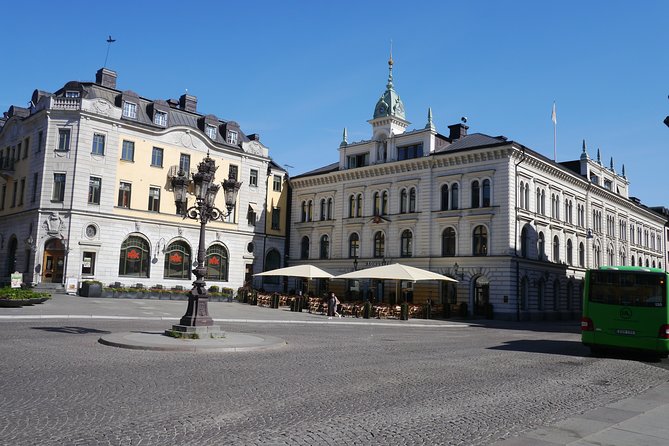
The route then reaches Uppsala’s old main square and Dombron, the bridge over the river. This stop lasts only about five minutes, but it connects the city’s buildings to commerce and movement.
You hear about the river, old merchants, and the way Uppsala developed around trade. That short explanation can help you read the city more clearly. Bridges and squares are not just places to take photographs. They show how goods, people, and power moved through the town.
The timing is brief, so expect a quick orientation rather than a long river walk. Still, this is a useful link between the grand institutions and everyday city life.
The old mill and Upplandsmuseet
The walk also passes the old mill that houses Upplandsmuseet. The stop is not described as a museum entry, so you should expect to see the building from the route rather than explore its galleries.
The mill setting adds another practical piece of Uppsala’s past. Unlike the cathedral and castle, it points toward work, production, and the river’s role in local life. Even a short look helps break up the sequence of institutional buildings.
If Upplandsmuseet interests you, note the location for a separate visit. The two-hour walk gives you a helpful preview, but it does not include a museum session.
Gustavianum’s anatomical theatre
At Museum Gustavianum, the guide walks by and views the anatomical theatre from the outside. Admission is not included.
This is another stop where the subject is more memorable than the amount of time. The anatomical theatre reflects the university’s scientific tradition, while the exterior visit keeps the tour moving. It pairs naturally with the stop about the race biology institute, though the two subjects should not be treated as the same thing.
You have about 10 minutes here. That is enough for context and a look at the building, but not enough to visit the museum displays. If you want to see the theatre itself, plan a separate museum visit and confirm opening details independently.
Saint Erik’s spring and the final story
The last named stop is Sankt Eriks Källa, or Saint Erik’s Spring. You spend about three minutes walking past the spring and hearing about Saint Erik’s battle and sainthood.
Three minutes is short, but the stop works as a final reminder that Uppsala’s history blends belief, conflict, and political power. It also brings the route back toward the religious stories introduced at the cathedral.
The tour then returns to Riddartorget, where it ends. Since the start and finish are the same, you do not need to arrange a second pickup or figure out where the walk leaves you.
What $110.15 per person buys you
At $110.15 per person, this is not a bargain city stroll. The price makes the most sense if you want one guide to connect many sites and explain the less familiar stories, especially the race biology institute, castle murders, Viking stones, and Saint Erik.
The listed price includes all fees and taxes, but gratuities are not included. Separate admission is also not included for the castle and Gustavianum, and the main buildings may only be visited inside if open. Most of the route is therefore an outdoor guided walk rather than a package of paid attractions.
For a first visit to Uppsala, the value comes from coverage and interpretation. You see the cathedral area, university quarter, botanical garden, castle, river, old mill, museum exterior, and spring in one outing. You also avoid spending time building your own route.
The price is harder to justify if you want guaranteed indoor access, a private guide, or a slow visit to each site. In that case, you may prefer to visit selected buildings on your own and pay only for the entrances you actually use.
Timing, group size, and practical planning
The tour is offered in English and begins at 5:30 pm. Confirmation is provided when you book, and the activity returns to the meeting point.
A mobile ticket makes the start simple, but Riddartorget can still take a little effort to locate if you do not know central Uppsala. Use the full address, Biskopsgatan, 753 10 Uppsala, and arrive early. The guide has shown flexibility when a guest was lost, but it is better not to rely on a last-minute rescue.
The group can contain up to 20 people. That is large enough for the walk to feel social and small enough for a guide to manage a central route. You should be prepared for normal city walking and a moderate level of physical fitness.
Service animals are allowed, and the meeting point is near public transportation. The supplied details do not promise wheelchair suitability or a fully step-free route, so ask the provider before booking if that is important for you.
Free cancellation is available until 24 hours before the local start time. A cancellation or change made inside that window is not refunded or accepted. The tour also requires a minimum number of participants, so if that minimum is not met, you receive a different date or experience, or a full refund.
Who should book this Uppsala walking tour
I would choose this walk if you have only one evening in Uppsala and want a fast, guided introduction to the city’s main stories. It suits history-minded visitors who like their sightseeing mixed with uncomfortable subjects, not only polished architecture.
It is also a good choice if you want help with orientation. The cathedral, university, library, gardens, castle, river, old mill, and museum area can feel like separate sights when seen alone. This route gives them a shared framework.
Families with older children may appreciate the Viking stones and castle murders, though the race biology stop is serious and may call for a little explanation. People who want a relaxed pace should tell the guide at the start. The guide has adjusted pacing before, and the experience is better when the group’s needs are clear.
I would be cautious about booking if your main goal is entering Uppsala Castle, spending a long time in Carolina Rediviva, or touring Gustavianum. Those interior experiences are not guaranteed here.
Should you book it?
Book this tour if you value wide coverage and strong historical storytelling more than guaranteed museum entry. The Viking runestones, cathedral, dark scientific past, castle murders, university traditions, and river trade make the route more varied than a basic photo walk.
Skip it if $110.15 feels high for two hours of mostly exterior sightseeing, or if you already know central Uppsala well. For a first visit, especially with limited time, the route earns its price through the number of places it connects and the guide’s ability to adjust the pace. Just arrive expecting a smart city walk, not an all-access pass.
FAQ
How long is the Uppsala Must See city walk?
The walk lasts approximately two hours.
What time does the tour begin?
The tour begins at 5:30 pm.
Where does the tour start and finish?
It starts at Riddartorget, also called Knights’ Square, on Biskopsgatan in Uppsala. It ends back at the same meeting point.
Is the tour offered in English?
Yes. The experience is offered in English and uses a mobile ticket.
Are admission fees included?
All fees and taxes are included, but gratuities are not. Admission is not included for the castle and Museum Gustavianum, and several interior visits depend on whether buildings are open.
How many people can join the tour?
The activity has a maximum of 20 participants. You should have a moderate level of physical fitness for the walking route.
Just added around Scandinavia
- Stockholm: Evening Wildlife Safari with Midsummer Meal★ 4.2 · 130 reviews
- Wilderness Tour with Snowmobile & Ice Fishing★ 4.9 · 28 reviews
- World War II Stockholm Old Town Walking Tour and Army Museum★ 4.6 · 4 reviews
- Vossevangen: Nærøyfjord Full-Day Guided Kayaking Trip★ 4.8 · 4 reviews
- West Sweden: Sea Kayak Delight in Nature Reserves★ 5.0 · 6 reviews
- From Svolvær: Whale Watching Day Trip to Andenes★ 3.8 · 27 reviews
- Voss: Family Rafting on the Vosso River★ 4.7 · 23 reviews
- Voss: Thrilling Whitewater Rafting Guided Trip★ 4.6 · 56 reviews
Walking Tours, compared.

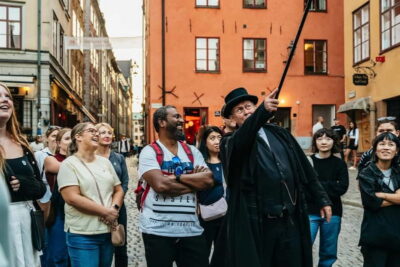
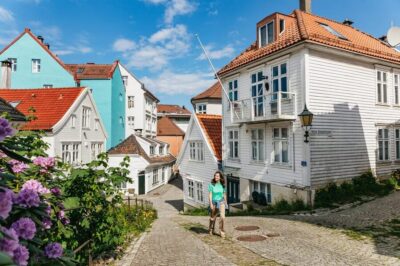
Past & Present Small Group Guided Walking Tour
Read our review →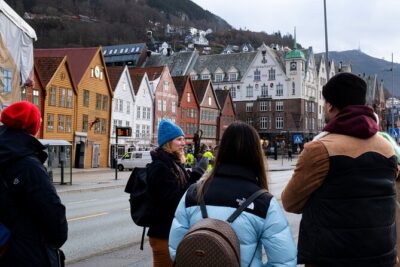
Walking Tour in Bergen of the Past and Present
Read our review →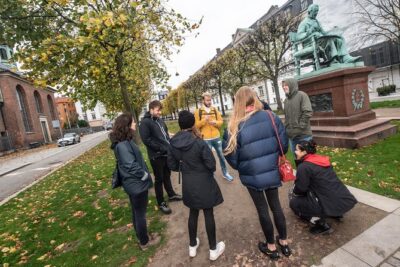
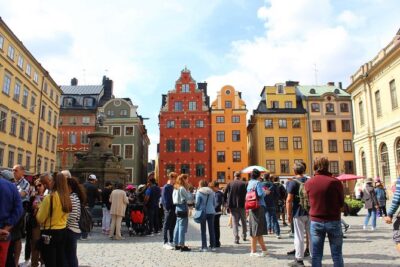

The Original Stockholm Ghost Walk and Historical Tour – Gamla Stan
Read our review →
Group Walking Tour – City Highlights – 2 Hours
Read our review →Browse the lists this tour appears in