
Reviewed · FJORD CRUISES
Exclusive Private Cruises on the Oslo Fjord
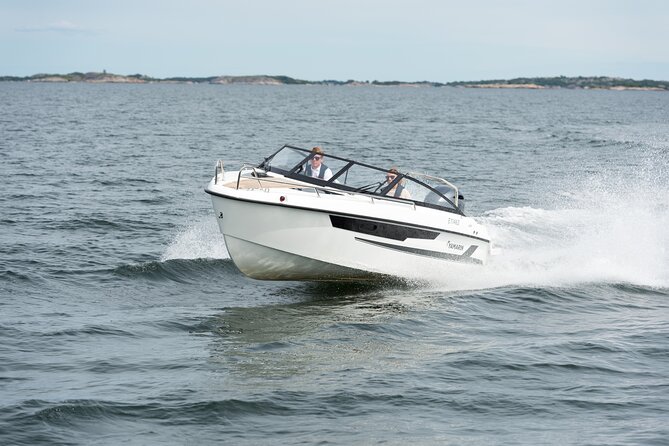
Oslo makes far more sense from the water. On this private powerboat cruise, you slip past islands, narrow inlets, swimming coves, and working waterfront views that are easy to miss from shore. The route also gives you fresh angles on the Opera House, Akershus Fortress, and the Barcode skyline.
I like the small private group, which keeps the outing personal and lets you shape the route around your interests. I also like the chance to see places tied to everyday Oslo summer life, especially Middagsbukta, where boats gather for swimming, music, picnics, and dancing. The main consideration is price: at $1,600.20 per group, it makes the most sense when seven people share the cost.
In This Review
- Key points to know before booking
- Why Oslo Fjord is best seen from a powerboat
- The central harbor: Opera House, fortress, and Barcode
- Hovedøya, Dyna Lighthouse, and the first island views
- Ormøya, Ormsund Bridge, and Oslo’s southern shore
- Bunnefjorden and the Skjælsholmene bird sanctuaries
- Middagsbukta: Oslo’s favorite summer gathering spot
- Historical islands at the mouth of the fjord
- What the three to six hours really means
- Is $1,600.20 a fair price?
- Practical details that affect your day
- Who will enjoy this private Oslo cruise most?
- Should you book the Oslo Fjord powerboat cruise?
- FAQ
- How long does the private Oslo Fjord cruise last?
- How many people can join the private cruise?
- What is the price of the experience?
- Is the cruise offered in English?
- Can the route be customized?
- What happens if the weather is poor?
- Can I cancel for a full refund?
Key points to know before booking
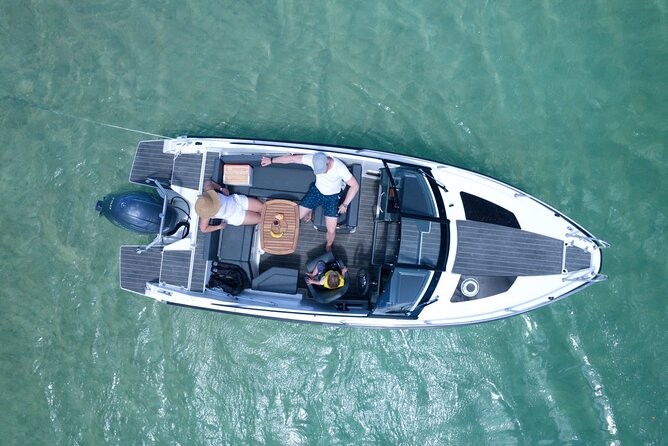
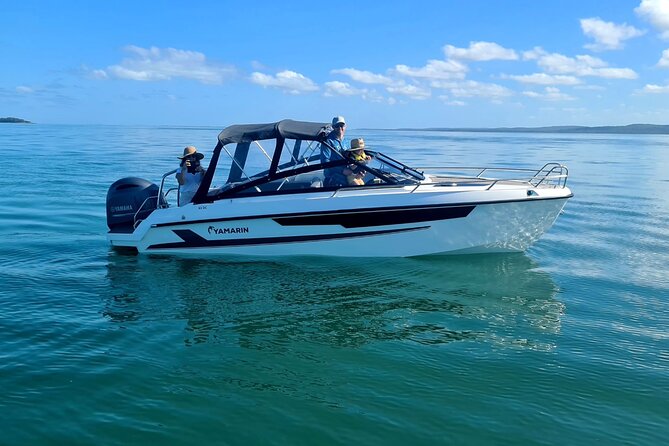
- Private powerboat for up to seven: Your group cruises alone, rather than joining a large sightseeing boat.
- A three-hour core route: The main sightseeing plan takes about three hours, while the overall experience may run from three to six hours depending on the arrangements.
- Oslo’s best water-level views: Look for the Opera House, Akershus Fortress, Barcode, Hovedøya, Dyna Lighthouse, and more.
- Local summer life at Middagsbukta: This popular anchoring and swimming area shows how Oslo residents use the fjord.
- A route that can be tailored: You can discuss particular wishes or ideas with the operator.
- Weather matters: Poor conditions can lead to a new date or a full refund.
Why Oslo Fjord is best seen from a powerboat
Oslo sits at the head of a long fjord, and the city quickly gives way to water, islands, wooded shores, and small bays. From land, you see only pieces of this setting. From a powerboat, the city becomes a series of changing views.
The boat is especially useful because the route is not limited to the broad central harbor. You can pass through tighter stretches, swing into sheltered bays, and head toward the islands and southern shore. That variety keeps the ride from becoming a simple loop around the main waterfront.
I also appreciate the speed. The boat can spend time near a landmark, then pick up pace when the route opens out. That lets you cover more of the fjord than you would on a slow harbor cruise, while still leaving room for photos and explanations from the captain.
The outing is offered in English, and the captain provides information about the fjord’s geography, local character, and past. The supplied experience details do not give the captain’s name, but the guiding style is clearly part of the appeal. You are not simply taken from one point to another. You get context as the views change.
More Fjord Cruises in Oslo
- Oslo: Scenic Fjord Cruise with Audio Guide Commentary
★ 4.5 · 5,375 reviews - Oslo: Fjord Evening Cruise with Shrimp Buffet
★ 4.5 · 1,956 reviews - Oslo: Guided Sightseeing Fjord Cruise on Premium Silent Boat
★ 4.7 · 1,390 reviews
The central harbor: Opera House, fortress, and Barcode
The cruise gives you a front-row view of Oslo’s most recognizable waterfront buildings. The Opera House is especially striking from the fjord, where its sloping white form reads as part of the shoreline rather than just another city building.
Akershus Fortress offers a different mood. Its position beside the harbor reflects Oslo’s older defensive role, and the water gives you a clear sense of why this spot mattered. From the boat, you can frame the fortress against the city and the open fjord in one photograph.
The Barcode skyline adds a modern counterpoint. Its tall, narrow buildings create a distinctive urban edge, and the view from the water is less familiar than the usual street-level picture. If you enjoy architecture, this early part of the cruise gives you three different sides of Oslo in a short span: contemporary design, medieval fortifications, and the city’s central waterfront.
This section can feel somewhat built-up, particularly if you are hoping for a purely natural outing. That is not a flaw, though. It helps you understand how compact Oslo is and how quickly its urban core gives way to open water.
Hovedøya, Dyna Lighthouse, and the first island views
As the boat moves beyond the central harbor, the scenery becomes quieter. Hovedøya is one of the islands you pass, and the route brings you into the island-filled character of the inner Oslo Fjord.
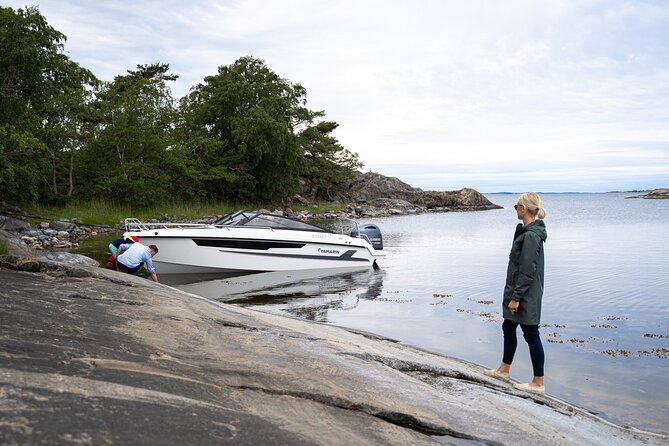
The islands are not presented as a series of formal shore visits. This is a cruise, not an island-hopping tour with scheduled walks. You see their shorelines, coves, and anchorages from the water, which suits anyone who wants broad views without spending the day getting on and off a boat.
Dyna Lighthouse is one of the most appealing targets on the route. The boat can get close to this small, picturesque marker, giving you a better view than a standard harbor boat usually allows. It is the kind of detail that rewards a camera, especially when the lighthouse is framed against open water.
There is also the possibility of stopping at a nearby restaurant accessible only by boat if you are hungry. The wording suggests this depends on the plan and timing, so treat it as an option to discuss rather than a guaranteed meal stop. Bring that preference up when arranging the cruise.
Ormøya, Ormsund Bridge, and Oslo’s southern shore
The route around Ormøya adds a different view of Oslo. You pass beneath Ormsund Bridge and enter Paddehavet, looking toward Nordstrand and Ulvøya. This stretch is less about famous monuments and more about how people live beside the fjord.
From the water, you see seaside homes and shoreline areas that are difficult to appreciate from a road. The cruise gives you a look at some of Oslo’s most desirable waterfront property, but the real value is the sense of scale. The city’s southern edge is not a separate resort world. It is part of the same fjord system used for homes, swimming, boating, and summer breaks.
Paddehavet and the surrounding coves also show why a private boat helps. The route can move into areas that are not part of a standard city sightseeing circuit. You may find the scenery more personal here, though it is less immediately dramatic than the fortress or lighthouse.
If your main goal is a checklist of monuments, this section may feel like a pause. If you want to understand Oslo’s relationship with the water, it is one of the more useful parts of the cruise.
Same fjord country, a very different day out:
- Oslo Nature Walks: Island Hopping Tour
★ 4.8 · 2,713 reviews - Oslo: 100% Electric Oslofjord Sightseeing Cruise
★ 4.4 · 2,041 reviews - Oslo: 3-Hour Highlights Bike Tour
★ 4.8 · 1,609 reviews - Oslo: 24 or 48-Hour Hop-On Hop-Off Sightseeing Bus Ticket
★ 4.1 · 1,470 reviews
Bunnefjorden and the Skjælsholmene bird sanctuaries
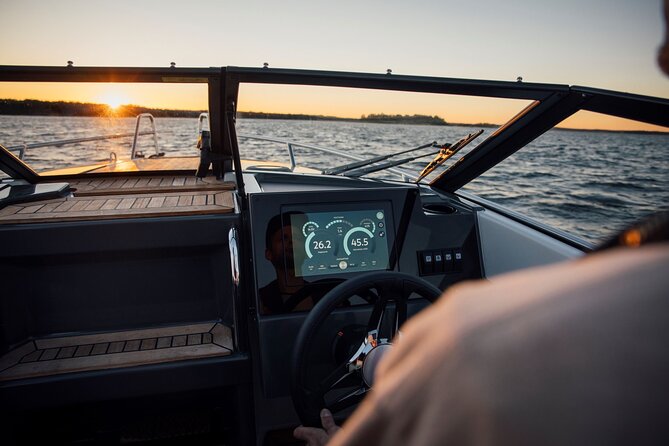
Near the entrance to Bunnefjorden, the cruise offers a chance to watch life around the Skjælsholmene bird sanctuaries. This is a quieter moment, and it depends partly on conditions and what is active around the islands when you pass.
The appeal is not a staged wildlife show. You are looking toward protected bird areas from the boat, with the captain pointing out the setting and its role in the fjord. Bring binoculars if you already have a pair, but the experience information does not promise a particular species or close animal encounter.
After this slower stretch, the boat can pick up speed as it heads back into the Oslo Fjord. That change in pace is part of the fun. You get calm coves and bird areas, followed by the feeling of moving freely across a wider section of water.
This is another reason to avoid thinking of the cruise as only a city tour. Oslo’s waterway is both an urban harbor and a living coastal area. The route shows both sides.
Middagsbukta: Oslo’s favorite summer gathering spot
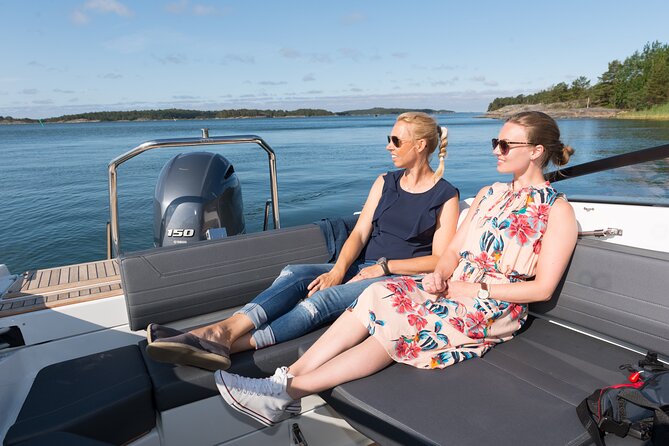
Middagsbukta is the clearest window into local life on the fjord. It is a popular anchoring and swimming area where people arrive in all kinds of boats to play music, dance, picnic, swim, and spend a warm day on the water.
The stop lasts about 40 minutes, and admission is free. You are not paying an entry fee or visiting a formal attraction. You are seeing a public summer meeting place as it is used.
The scene can vary with the weather and season. On a warm day, it may feel lively and social. On a cooler or quieter day, you will still see the shape of the place and understand why it attracts boaters, but it may not have the same energy.
For me, this is more memorable than another polished view of a city building. It shows what the fjord means to people who live in Oslo. You get a taste of the Norwegian habit of treating the water as a shared summer backyard.
Because this is a private cruise, you can ask about spending more or less time in a particular area. The exact flexibility should be confirmed when you book, but the operator specifically allows the route to be tailored.
Historical islands at the mouth of the fjord
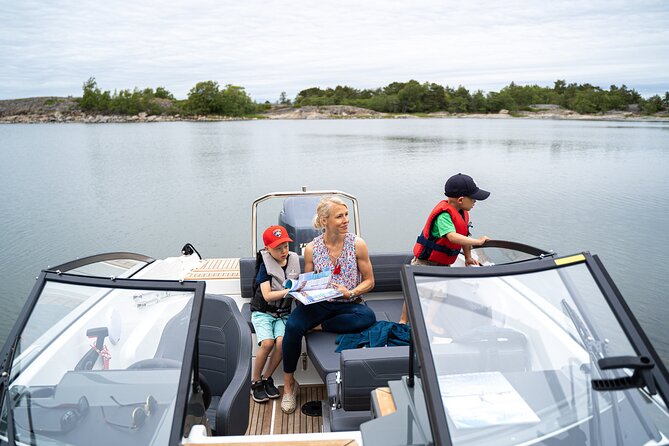
The islands at the entrance to Oslo Fjord carry a long past, and the guide provides historical background as you pass them. The supplied route description does not name every island or give a detailed list of events, so you should expect a general account rather than a full history lecture.
That is probably the right balance for a boat outing. The main pleasure is visual, with history adding meaning to the shorelines and old sites. You can listen while taking photos, rather than spending the whole cruise focused on dates.
These islands also help explain the strategic value of the fjord. The approach to Oslo was not simply a scenic water route. It was a passage into the capital, which is why fortifications and other historic sites appear around the harbor and outer islands.
If history is your main interest, ask the captain at the start what can be covered during your chosen route. The private format gives you a better chance to steer the conversation than a fixed public cruise.
What the three to six hours really means
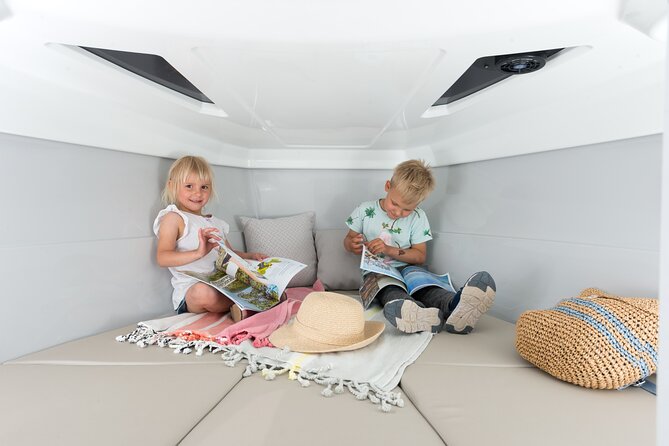
The main route is described as a three-hour cruise, while the overall duration is listed as approximately three to six hours. That difference matters when you plan the rest of your day.
Think of three hours as the basic sightseeing outing. It covers the central harbor, island scenery, southern shore, Bunnefjorden area, and a stop at Middagsbukta, with the route adjusted to conditions and your interests.
A longer plan may suit you if you want more time for photos, a restaurant stop, or a slower look at particular islands and coves. It may also make sense if your group wants to spend longer at a favorite area rather than keep moving.
Ask for the expected length when booking, especially if you have a museum reservation, train departure, or dinner planned. The private setup gives you flexibility, but it also means you should not assume every group receives exactly the same schedule.
Is $1,600.20 a fair price?
The price is $1,600.20 per group, with up to seven people included. At full capacity, that works out to about $228.60 per person. For a group of two, the same price becomes a major splurge.
The value comes from privacy and control. You are not paying for a basic ticket on a large boat. Your group has the powerboat to itself, and you can discuss the route, pace, sightseeing priorities, and possible food stop.
That makes the cruise a stronger choice for a family group, several friends, or a small celebration. Seven people sharing the fee can make the cost easier to justify, especially if everyone wants a private outing rather than separate tickets for several activities.
For one or two people on a tight budget, I would compare the cost with other Oslo sightseeing options before committing. The high price is not hidden, but the experience needs to be used well. Ask for the route you want, make the most of the private format, and consider the longer duration only if it adds something important for your group.
The fact that the experience is often booked about 46 days ahead also suggests that you should not leave a preferred date until the last minute. That is not a guarantee that every date sells out, but advance planning is sensible.
Practical details that affect your day
Confirmation is provided at booking, and the ticket is available on a mobile device. The experience is offered in English, so you should be comfortable following explanations in that language.
The meeting area is near public transportation, though the supplied details do not name a specific pier or station. Check the exact meeting instructions carefully after booking rather than guessing from a map of the harbor.
Service animals are allowed, and most people can participate. This is a private activity, so only your group takes part. That is useful if you prefer not to share a boat or want to keep the outing focused on your own pace.
Good weather is important. If poor conditions force a cancellation, you are offered another date or a full refund. You can also cancel for a full refund if you do so at least 24 hours before the start time. Cancellations or changes made less than 24 hours before the start time are not refunded or accepted.
I would build in a little weather flexibility if your Oslo schedule allows it. The fjord is the whole point of the outing, and a calm, clear day will make the islands, lighthouse, and distant shores far more rewarding than rough conditions.
Who will enjoy this private Oslo cruise most?
This cruise suits you if you want to see Oslo beyond the central streets and prefer an outing shaped around your group. It is particularly useful for people who have already seen the Opera House and fortress from land and want a different view.
Families may like the change of pace and private setting. Friends sharing the full boat can make the price more reasonable, and the route includes both sightseeing and relaxed summer spots.
It also suits photographers, architecture fans, and anyone curious about coastal life. You get city buildings, historic sites, private waterfront areas, islands, bird sanctuaries, and a social anchorage in one trip.
You may want to skip it if you dislike boats, need a very low-cost activity, or prefer a fixed schedule with guaranteed stops on land. This is not a walking tour, museum visit, or formal island excursion. Much of the pleasure comes from the changing view and the freedom of being on the water.
Should you book the Oslo Fjord powerboat cruise?
Book it if your group can share the cost and you want Oslo’s fjord to be the main event, not just a backdrop. The strongest reasons are the private boat, the adjustable route, close approach to Dyna Lighthouse, and the chance to see Middagsbukta as a real local summer gathering place.
Before paying, confirm the expected duration, meeting point, and any restaurant plan. If weather is uncertain, keep your schedule flexible. For seven people seeking a relaxed, personal look at Oslo from the water, this is a strong splurge. For one or two budget-minded people, the price is harder to defend.
FAQ
How long does the private Oslo Fjord cruise last?
The core sightseeing route takes about three hours. The experience may last approximately three to six hours, depending on the plan and any tailoring agreed with the operator.
How many people can join the private cruise?
The boat is available for one private group of up to seven people. Only your group participates.
What is the price of the experience?
The price is $1,600.20 per group of up to seven people. The cost is not listed per person.
Is the cruise offered in English?
Yes. The experience is offered in English.
Can the route be customized?
Yes. The operator can tailor the tour to your wishes or ideas. Confirm your preferred route and timing when arranging the cruise.
What happens if the weather is poor?
The experience requires good weather. If it is canceled because of poor conditions, you are offered a different date or a full refund.
Can I cancel for a full refund?
Yes. You must cancel at least 24 hours before the experience start time for a full refund. Changes or cancellations made less than 24 hours before the start time are not accepted or refunded.
Just added around Oslo
- 4 hours Best View of the Oslofjord Winter Edition★ 4.0 · 15 reviews
- Unknown war. Oslo and Norway during 1940-45★ 5.0 · 74 reviews
- Oslo Winter Highlights Bike Tour★ 5.0 · 36 reviews
- The Ultimate Norwegian Skiing Experience★ 5.0 · 16 reviews
- The Viking Planet Museum Ticket★ 4.0 · 197 reviews
- The Viking Planet Museum – Mini Group (4 adults)★ 4.0 · 16 reviews
- The Scenic Roadtrip, Oslo to Bergen via Flam & the Fjords★ 5.0 · 25 reviews
- Visit the Instaworthy Spots of Oslo’s Vigeland Park with a Local★ 5.0 · 4 reviews
Fjord Cruises, compared.
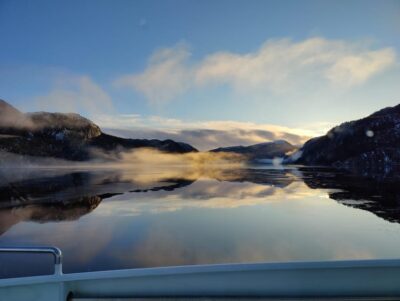
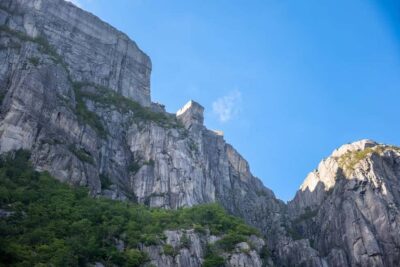
Scenic Fjord Cruise to Lysefjord and Preikestolen
Read our review →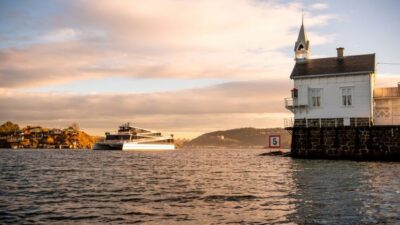
Scenic Fjord Cruise with Audio Guide Commentary
Read our review →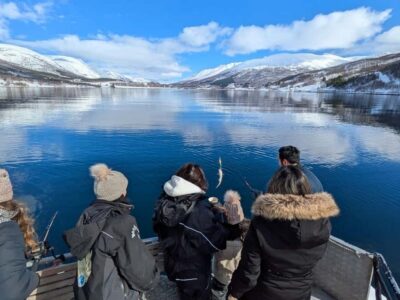
Tromsø’s Top-Rated Fjord & Fishing Cruise – All-Inclusive
Read our review →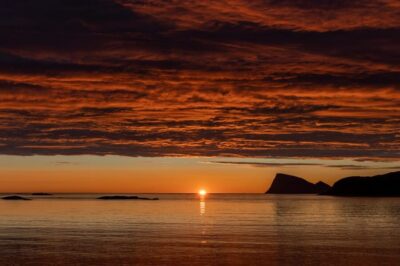
Fjords and Sommarøy Islands Tour with Salmon Picnic
Read our review →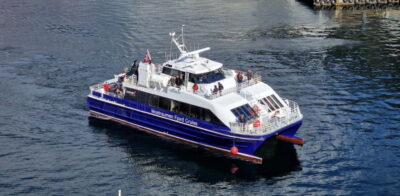
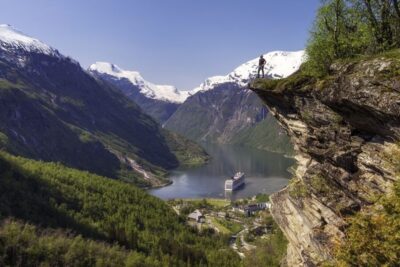
Dalsnibba, Flydalsjuvet, Eagle Bend & Fjords Tour
Read our review →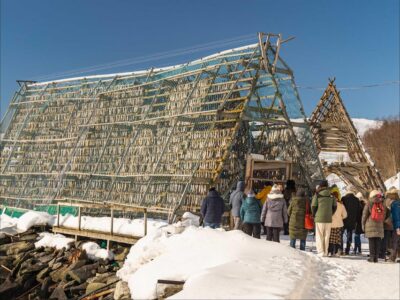
Arctic Fjord Cruise With Stop On Land At Fish Racks
Read our review →Browse the lists this tour appears in