
Reviewed · MUSEUMS
Millesgården Museum: sculpture park and art galllery
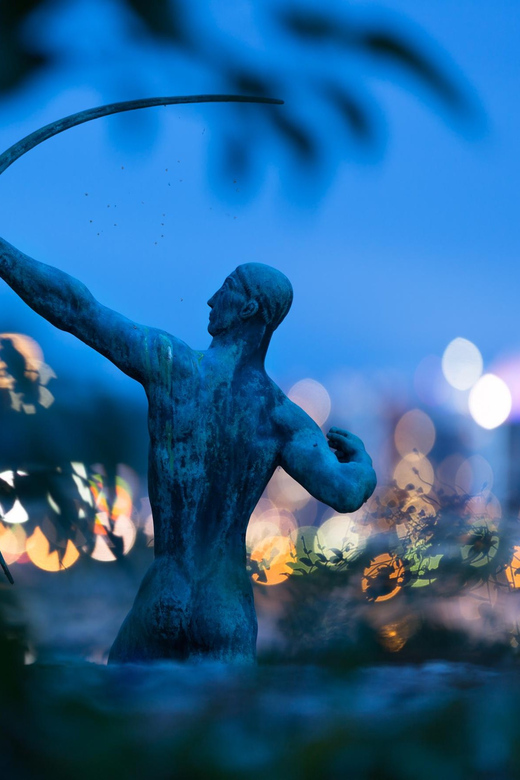
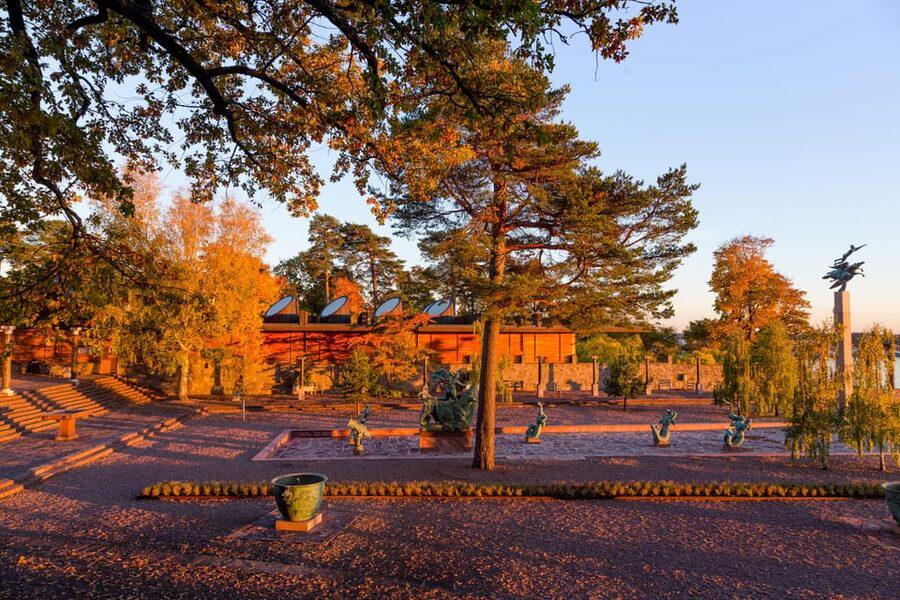
Millesgården turns a sculptor’s former home into an open-air work of art. On Lidingö, just outside central Stockholm, you can walk among about 100 Carl Milles sculptures, bubbling fountains, flowers, and terraces with views toward Stockholm. The setting feels calm and carefully composed, yet it is also a serious art museum.
I especially like the chance to see Carl Milles’s Large Studio, where his big sculptures were created, and Anne’s House, decorated by Estrid Ericson and Josef Frank of Svenskt Tenn. The main drawback is that the site needs time: if you rush through the garden, house, gallery, and café, you will miss much of what makes the visit worthwhile. An audio guide link may also take some hunting to find.
In This Review
- Key points to know before you go
- Why Millesgården feels different from a standard museum
- Walking the terraces among Carl Milles’s sculptures
- Inside the Artist’s Home and Large Studio
- Anne’s House and the Svenskt Tenn interior
- The Art Gallery and changing exhibitions
- Food, coffee, and the museum shop
- Getting to Millesgården from central Stockholm
- Timing, access, and how to plan the day
- Who will get the most from Millesgården
- Is the $19 admission good value?
- Should you book Millesgården?
- FAQ
- Where is Millesgården Museum?
- How long does it take to reach Millesgården from central Stockholm?
- How do I get to Millesgården by subway and bus?
- Can I take a tram to Millesgården?
- What does admission include?
- Is an audio guide included?
- When is Millesgården open?
- Is Millesgården wheelchair accessible?
- Can I pay with cash?
- Can I bring large luggage?
- Is parking available?
- Can I cancel my booking?
Key points to know before you go
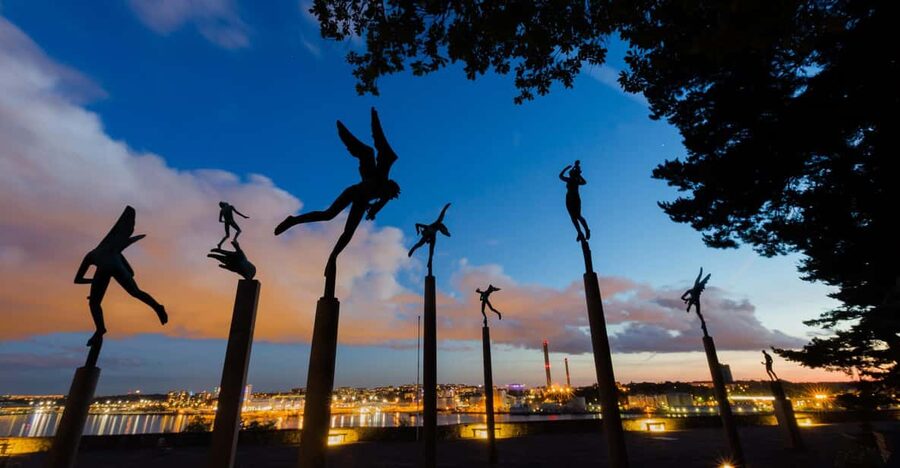
- About 100 sculptures outdoors: The garden includes roughly ten large fountain groups, all by Carl Milles.
- Carl and Olga Milles’s home: See the Large Studio, blue Dutch-tile breakfast room, Pompeii-inspired Gallery, and classical collection.
- Anne’s House by Svenskt Tenn: Estrid Ericson and Josef Frank created its distinctive interior.
- A peaceful view over Stockholm: The terraces combine sculpture, water, plants, and open views.
- Easy from central Stockholm: The journey takes about 20 minutes by public transport, with a short walk at the end.
- Plan around the opening hours: Millesgården is open Tuesday through Sunday from 11:00 to 17:00.
Why Millesgården feels different from a standard museum
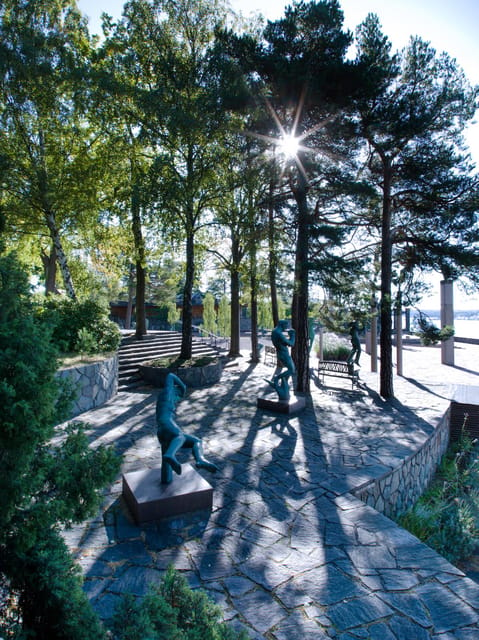
Many art museums ask you to move from room to room under artificial light. Millesgården gives you a different rhythm. You begin outdoors, where sculpture, water, plants, architecture, and distant views work together.
Carl Milles was a sculptor, and his work is not simply placed in the garden as decoration. The terraces and fountains were designed to frame it. A figure may appear at the end of a path, above a pool, or against the sky. That setting changes how you see the work.
I would not treat this as only a garden visit. The outdoor sculptures are the first major part of the museum, but the artist’s home and studios add the personal details that make the art easier to understand. You see the spaces where Carl worked, the objects he collected, and the rooms shared by Carl and Olga Milles.
The result suits several kinds of visitors. You can come for the views and flowers, for sculpture, for interior design, or simply for a quiet half-day away from Stockholm’s center. At $19 per person, the admission is reasonable if you use the full visit. It offers several connected experiences rather than one small gallery.
A few more Stockholm trips to weigh up
- Stockholm: Skansen Open-Air Museum Admission Ticket
★ 4.5 · 3,427 reviews - Stockholm Pass: Save up to 50% – Includes Vasa Museum Ticket
★ 4.1 · 2,392 reviews - Stockholm: Nobel Prize Museum and Exhibition Entry Ticket
★ 4.3 · 994 reviews
Walking the terraces among Carl Milles’s sculptures
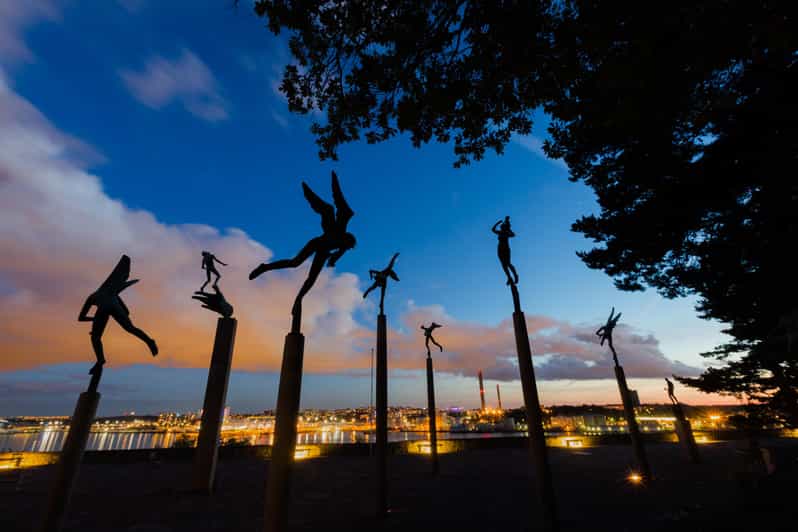
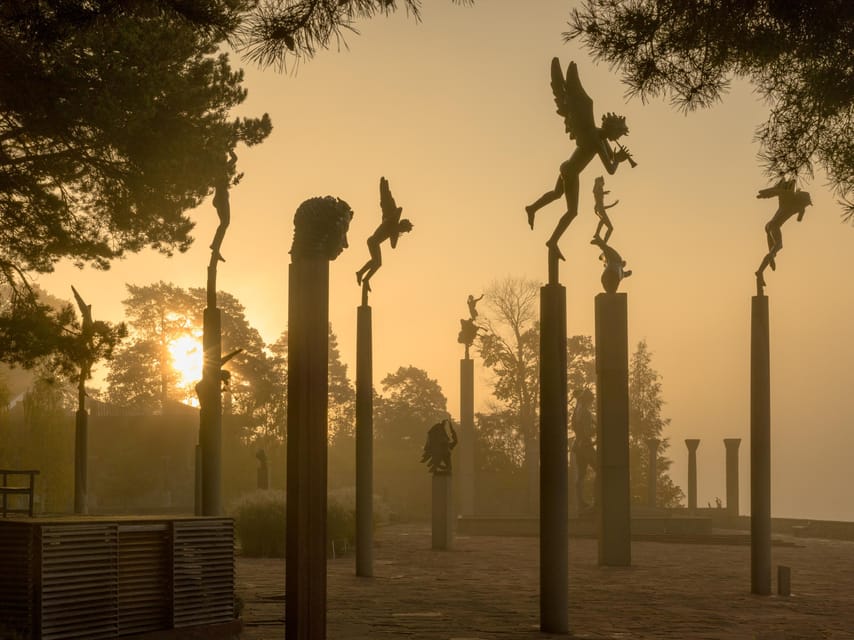
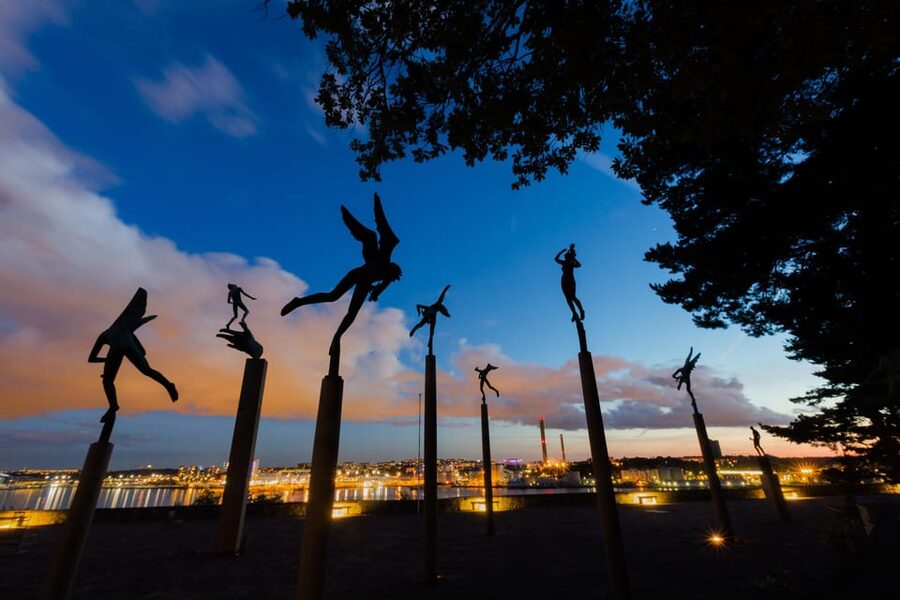
Start with the sculpture park. The garden contains around one hundred works by Carl Milles, including about ten larger fountain groups. That number gives you plenty to see, but it does not mean the grounds feel crowded with objects.
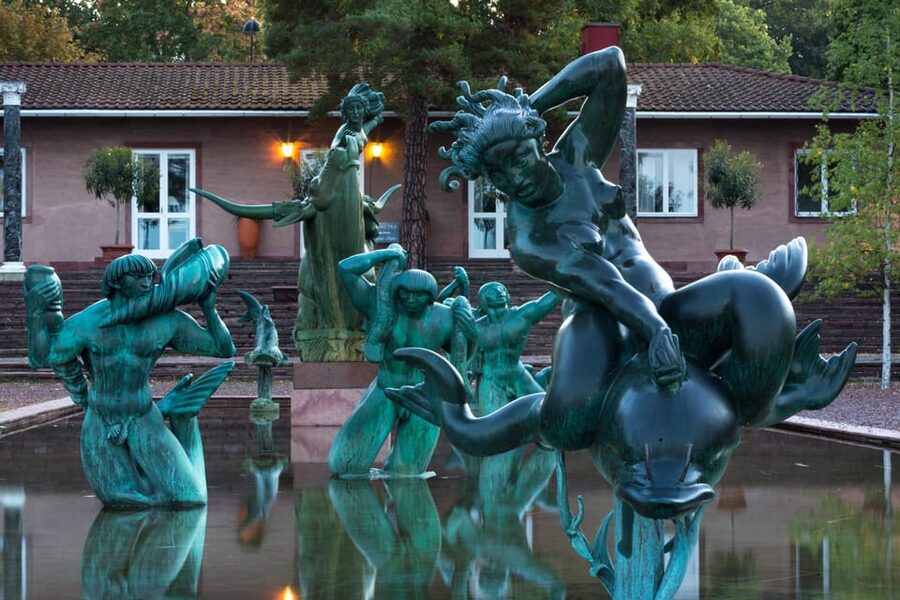
The sculptures are arranged across terraces, paths, and fountain areas. Water is a recurring part of the experience. The fountains give the garden movement and sound, while the flowers soften the stone and bronze forms. I like this combination because you are not just looking at isolated statues. You are seeing how Milles used the whole setting.
Take your time at the fountain groups. These larger works are among the most memorable parts of the grounds because they combine sculpture and water on a grand scale. A quick circuit will show you the main shapes, but a slower walk lets you notice how the works change as you move around them.
The garden is also the place for the best views toward Stockholm. Bring your camera, but do not spend the whole visit looking through it. The appeal lies in the contrast between the carefully arranged terraces and the wider view beyond the museum grounds.
The park may be especially rewarding in good weather, when you can pause beside a fountain or sit near the flower-adorned terraces. On a rainy day, the outdoor section will naturally feel less comfortable, so allow enough time to use the indoor areas as well.
Inside the Artist’s Home and Large Studio
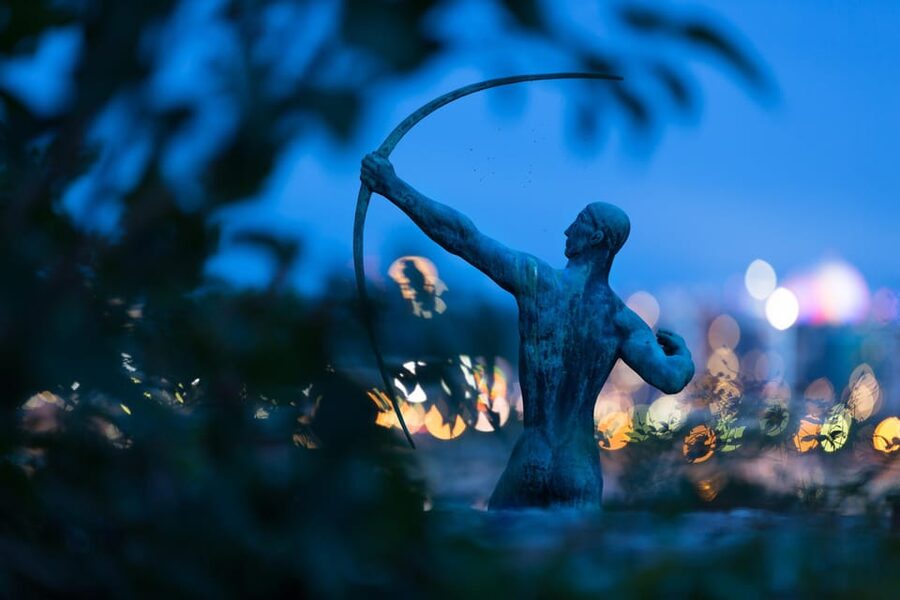
The Artist’s Home gives the visit a more intimate feel. Instead of seeing Carl Milles only through finished public sculptures, you enter the spaces connected with his daily life and work with Olga Milles.
The Large Studio is a major stop. This is where Carl created his large sculptures, and its scale helps explain the practical demands of his work. The room gives you a sense of the space needed to develop and handle monumental pieces.
The breakfast room is especially distinctive, with blue Dutch tiles covering the walls. It is a small detail, but it helps make the home feel personal rather than like a neutral museum display. The Pompeii-inspired Gallery adds another change of mood, bringing a classical influence into the house.
Carl’s collection of classical sculptures and objects is also included. This matters because it shows that Milles was not working in isolation. The antiques and classical pieces provide context for the forms and subjects that interested him.
You do not need to be an art specialist to appreciate this section. The house works through details: the scale of the studio, the decorated rooms, and the objects gathered by the Milles family. If sculpture is your main reason for coming, allow plenty of time here instead of treating it as a quick indoor stop.
Anne’s House and the Svenskt Tenn interior
Anne’s House offers a different kind of artistic experience. It is decorated by Estrid Ericson and Josef Frank, the designers associated with Svenskt Tenn. Here, the focus shifts from sculpture and fountains to interiors, furniture, and the way a home can be shaped through color and pattern.
This is a useful contrast within the visit. Carl Milles’s garden is open, monumental, and full of stone, bronze, and water. Anne’s House is more domestic and designed around interior life. Seeing both helps you understand that Millesgården is not limited to one artistic medium.
If you enjoy Scandinavian design, this house deserves more than a passing glance. The connection to Svenskt Tenn gives it particular interest, while the compact setting makes it easy to add to your route. It is also a good stop for anyone who finds that museums devoted only to sculpture can begin to feel repetitive.
Because the visit includes several buildings, check the opening arrangements at reception when you arrive. That simple step will help you plan the order of the garden, Artist’s Home, Anne’s House, gallery, and café.
Same fjord country, a very different day out:
- Stockholm: City Archipelago Sightseeing Cruise with Guide
★ 4.3 · 10,798 reviews - Stockholm: Archipelago Boat Tour
★ 4.4 · 3,110 reviews - Stockholm: Highlights Boat Tour
★ 4.3 · 2,542 reviews - Stockholm: Ghost Walk and Historical Tour
★ 4.7 · 2,206 reviews
The Art Gallery and changing exhibitions
The Art Gallery completes the museum visit with temporary or changing exhibitions. The exact display will depend on the date of your visit, so it is best to treat this as an additional reason to check the current program rather than the sole purpose of your trip.
The gallery adds a more conventional exhibition space after the open-air sculpture park and historic interiors. That change can be welcome, particularly if you want to see work beyond Carl Milles.
One practical point matters here: exhibition changes can affect what is on view. During one recent visit, the gallery was between exhibitions, which made the overall experience feel less complete. If the current exhibition is important to you, check the museum’s schedule before booking or ask at reception on arrival.
Even when the gallery display is limited, the sculpture park and Artist’s Home provide the core of the visit. Still, the gallery is worth including when an exhibition is open, especially if you have already seen the outdoor works and want a quieter indoor finish.
Food, coffee, and the museum shop
Millesgården Lanthandel provides a place to stop for lunch or an afternoon coffee. This is useful because the site has enough to see for a full day, even though many people will spend several hours rather than the entire day.
A pause here breaks up the visit. You can see the garden first, eat, then continue to Anne’s House and the Art Gallery, or reverse the order depending on the weather and your energy.
The museum shop is a natural final stop. It gives you time to look over books, art-related items, and gifts after seeing the collection. Since the museum is cash-free, use a credit or debit card at the shop and restaurant. There is no need to carry Swedish cash for these purchases.
Oversize luggage, large bags, and other bulky luggage are not allowed. Travel light, particularly if Millesgården is one stop within a larger day of sightseeing. You will find the visit more comfortable without hauling a large suitcase through the garden and buildings.
Getting to Millesgården from central Stockholm
The museum is in Lidingö, in Stockholm County, and the trip from T-Centralen takes about 20 minutes. That makes it an easy addition to a Stockholm stay, though it is not in the city center itself.
The most direct public transport plan is to take the subway to Ropsten, then continue by bus. Buses 201, 202, 204, 206, 211, 212, and 221 go to Torsviks Torg. From there, follow the signs for the roughly seven-minute walk to Millesgården.
You can also take the Lidingöbanan local tram from Ropsten to either Torsvik or Baggeby. Millesgården lies between those stations, and each requires about a seven-minute walk to the museum.
Check current departures at SL before leaving. Several bus and tram options are available, but schedules can change, and checking ahead is easier than sorting out connections at Ropsten.
Drivers have access to free parking at Herserudsvägen 32, just outside the main entrance. Cyclists can use the cycle path across the Lidingö Bridge. This gives you three practical ways to reach the museum, though public transport is likely the simplest choice from central Stockholm.
Timing, access, and how to plan the day
Millesgården is open Tuesday through Sunday from 11:00 to 17:00 all year. It is closed on Mondays according to these hours, so check the calendar before setting out.
The admission is valid for one day, and you should think of it as a flexible museum visit rather than a timed tour with a fixed route. You can move between the garden, home, gallery, and café at your own pace.
An English or Swedish audio guide is included. Look for clear instructions at reception before leaving the entrance area. The audio link may be located on the wall in the studio rather than explained immediately at the start, so ask staff where to access it if you do not see it.
That small bit of preparation matters. The buildings and sculptures have enough detail to reward explanation, and an audio guide can help you get more from the Artist’s Home and studios. If you are visiting with a booked guide, ask at reception for meeting instructions.
Millesgården is wheelchair accessible. The grounds include terraces and outdoor paths, so anyone who needs specific route details should confirm the most suitable way through the site at reception. The provided information does not give a detailed route map, so staff are the best source for current conditions.
Who will get the most from Millesgården

I would recommend Millesgården to anyone who likes art in an unusual setting. It is particularly good for people who enjoy sculpture, gardens, historic homes, Scandinavian interiors, or quiet views outside the city center.
Families may appreciate the open space and fountains, though the visit is still museum-focused rather than built around children’s activities. Design enthusiasts should make time for Anne’s House, while architecture-minded visitors will enjoy the blue-tile breakfast room and Pompeii-inspired Gallery.
It is also a good choice for repeat visitors to Stockholm. You get a change from central streets and indoor galleries without spending a full day traveling far from the city.
I would be less enthusiastic if your only goal is a large collection of changing modern art. The Art Gallery may be between exhibitions, and Carl Milles’s work dominates the site. Likewise, anyone with limited time in Stockholm should compare this visit with central attractions before committing to the trip out to Lidingö.
Is the $19 admission good value?
At $19, Millesgården offers solid value if you plan to see more than the sculpture garden. The ticket includes the Artist’s Home, antiques collection, Large Studio, sculpture park, Anne’s House, and Art Gallery, plus the included audio guide.
The strongest value comes from the variety. You are not paying for one room or one outdoor monument. You get a garden with roughly one hundred sculptures, fountains, a historic home, a working studio setting, a design-focused house, and an exhibition space.
The value is lower if you arrive near closing time or only have enough energy for a quick walk. The museum is open from 11:00 to 17:00, and the one-day validity gives you plenty of room to make an unhurried visit. I would plan several hours and use the café to avoid turning the experience into a rushed checklist.
Flexible booking is available, with free cancellation up to 24 hours in advance and a reserve now, pay later option. These terms are useful if your Stockholm schedule is still shifting, but the main booking decision should be based on your interest in Milles’s sculpture and the trip to Lidingö.
Should you book Millesgården?
Book it if you want sculpture in a beautiful garden, a look inside an artist’s home, and a calm break from central Stockholm. The fountain groups, terraces, Large Studio, and Anne’s House give the visit enough variety to justify the short journey.
Skip it if you have only a narrow window in Stockholm, dislike outdoor museums, or are interested only in the current gallery exhibition. For most art and design lovers, though, the $19 admission is fair, and the setting makes Millesgården one of the more distinctive cultural stops near the capital.
FAQ
Where is Millesgården Museum?
Millesgården is in Lidingö, in Stockholm County, just outside central Stockholm.
How long does it take to reach Millesgården from central Stockholm?
The journey from T-Centralen takes about 20 minutes by public transport, followed by a walk of about seven minutes from the bus or tram stop.
How do I get to Millesgården by subway and bus?
Take the subway to Ropsten, then take bus 201, 202, 204, 206, 211, 212, or 221 to Torsviks Torg. From there, walk about seven minutes and follow the signs.
Can I take a tram to Millesgården?
Yes. Take the Lidingöbanan from Ropsten to Torsvik or Baggeby. Millesgården is between these stations, and the walk from either station takes about seven minutes.
What does admission include?
Admission includes the Art Gallery, Artist’s Home, antiques collection, sculpture park, and Anne’s House.
Is an audio guide included?
Yes. An audio guide is included in Swedish and English.
When is Millesgården open?
Millesgården is open Tuesday through Sunday from 11:00 to 17:00 all year.
Is Millesgården wheelchair accessible?
Yes, the museum is wheelchair accessible.
Can I pay with cash?
No. Millesgården is cash-free. You can pay by credit or debit card in the museum shop and restaurant.
Can I bring large luggage?
No. Oversize luggage, luggage, and large bags are not allowed.
Is parking available?
Yes. Free parking is available at Herserudsvägen 32, just outside the main entrance.
Can I cancel my booking?
You can cancel up to 24 hours in advance for a full refund, according to the stated booking terms.
Just added around Stockholm
- Magical ”Stockholm by Night” Photo Walk★ 5.0 · 5 reviews
- Stockholm: Full-Day Archipelago Kayaking Adventure★ 4.9 · 89 reviews
- Jewish Gamla Stan and Jewish Museum Stockholm Private Tour★ 5.0 · 6 reviews
- Private Golden Hour Photo Walk in Stockholm★ 5.0 · 3 reviews
- Full-Day Stockholm Archipelago Sailing Tour★ 4.9 · 90 reviews
- From Stockholm: Viking Culture Guided Tour with Transfer★ 4.5 · 81 reviews
- Stockholm: Sigtuna and Uppsala Viking History Day Tour★ 4.7 · 41 reviews
- From Stockholm: Archipelago Hike to Landsort Lighthouse★ 5.0 · 26 reviews
Museums, compared.

Stockholm Pass: Save up to 50% – Includes Vasa Museum Ticket
Read our review →



Browse the lists this tour appears in