

Reviewed · MUSEUMS
Stockholm: Nobel Prize Museum and Exhibition Entry Ticket
The most interesting part of Stockholm’s Nobel Prize Museum is its human scale. Instead of treating each prize as a dry line in a textbook, the museum connects scientists, authors, and freedom fighters with the objects, choices, and ideas behind their work. You can move at your own pace, then join a short museum tour if the timing works.
I like the audio stories and videos, which give life to exhibits that might otherwise seem modest. I also like the location on Stortorget, right in the middle of Gamla Stan, making this an easy stop between other Old Town sights. The main consideration is size: you can see the museum in an hour, but the $18 ticket makes more sense if you plan to stay for the films, read the displays, and join the included tour.
In This Review
- Key points to know before you go
- Why the Nobel Prize Museum works best as an Old Town stop
- The opening story: Alfred Nobel and the prizes
- More than 200 objects with personal stories
- Audio and video make the exhibits easier to follow
- Join the included tour if the timing fits
- Temporary exhibitions add variety
- The museum shop and the chocolate medal
- Bistro Nobel is not currently part of the visit
- How long should you allow?
- Is the $18 ticket good value?
- Accessibility and practical planning
- Who will enjoy this museum most?
- Should you book the Nobel Prize Museum?
- FAQ
- Where is the Nobel Prize Museum located?
- What does the admission ticket include?
- Are guided tours included?
- How long is the ticket valid?
- Is the museum wheelchair accessible?
- Is food included, and is Bistro Nobel open?
Key points to know before you go
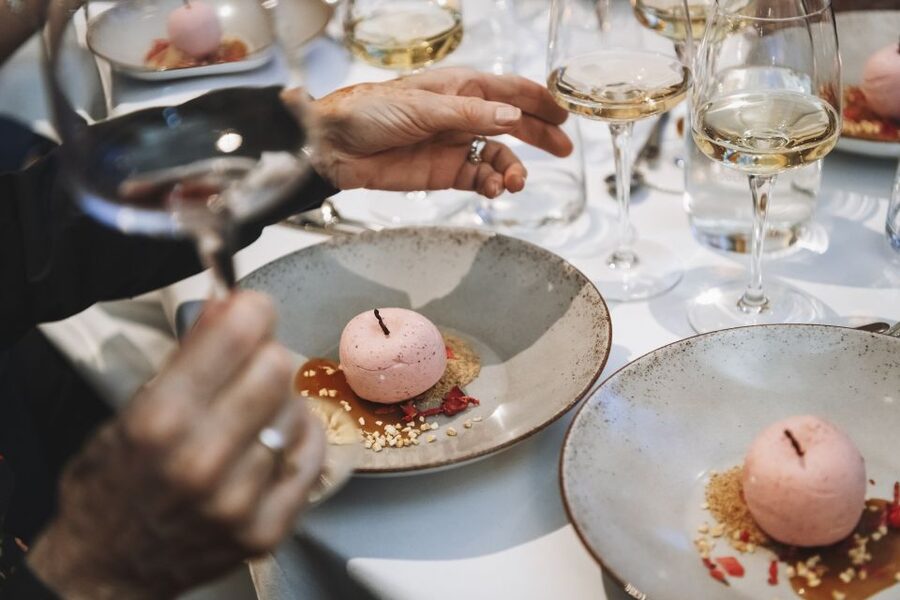
- More than 200 laureate artifacts tell stories of discoveries, peace efforts, ideas, and literature.
- Daily English and Swedish tours are included, so ask the entrance staff for the next start time.
- Audio, video, and hands-on displays make the museum more engaging than a simple collection of portraits.
- One to two hours is enough for a quick visit, while three hours suits anyone who reads every panel and watches the films.
- The museum sits on Stortorget in Gamla Stan, so it fits neatly into an Old Town walking day.
- Bistro Nobel is closed during spring for restoration work following water damage, but the shop remains open.
Why the Nobel Prize Museum works best as an Old Town stop
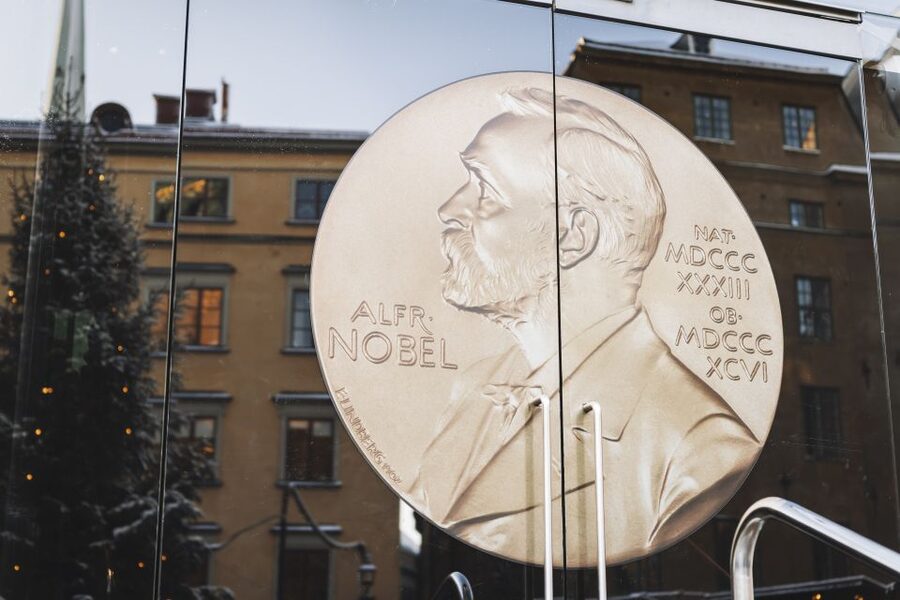
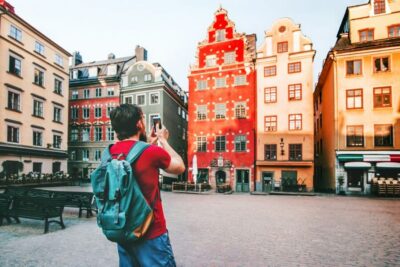
The museum is at Stortorget, the central square of Stockholm’s Gamla Stan. That makes the visit easy to add to a day of narrow lanes, historic buildings, and other Old Town sights. You do not need to build a separate trip around it unless the Nobel story is one of your main reasons for visiting Stockholm.
I would plan to arrive with at least an hour free. A quick pass gives you the basic story of Alfred Nobel and the prizes, but the museum rewards patience. The donated objects are often small and personal, and the audio and video material adds the explanation that a label alone cannot provide.
The setting also helps the museum feel connected to Stockholm. You are not visiting an isolated modern attraction on the edge of town. You enter from one of the city’s best-known squares, then step into a focused cultural museum that explains an international institution.
A few more Stockholm trips to weigh up
- Stockholm: Skansen Open-Air Museum Admission Ticket
★ 4.5 · 3,427 reviews - Stockholm Pass: Save up to 50% – Includes Vasa Museum Ticket
★ 4.1 · 2,392 reviews - Stockholm: Fotografiska Museum Entrance Ticket
★ 4.5 · 702 reviews
The opening story: Alfred Nobel and the prizes
Your visit begins with the story of Alfred Nobel and the origin of the prizes. The displays explain how the awards began, what the categories represent, and how the Nobel system recognizes work that benefits humanity.
This introductory material is useful even if you already know the broad outline. The museum also addresses the process around the prizes, including criteria and nominations. Those details give you a better sense of how much judgment and selection sit behind the ceremony.
I especially like this part for first-time visitors because it provides a framework for everything that follows. Without it, a display of laureate belongings can feel like a collection of unrelated keepsakes. With it, you understand why an object matters and how it fits into a larger scientific, literary, or political story.
The museum does not ask you to approach the Nobel Prize as a single subject. Instead, you move across several kinds of achievement. One display may point to a scientific breakthrough, while another follows a writer, a peace campaigner, or a person whose ideas changed public life.
More than 200 objects with personal stories
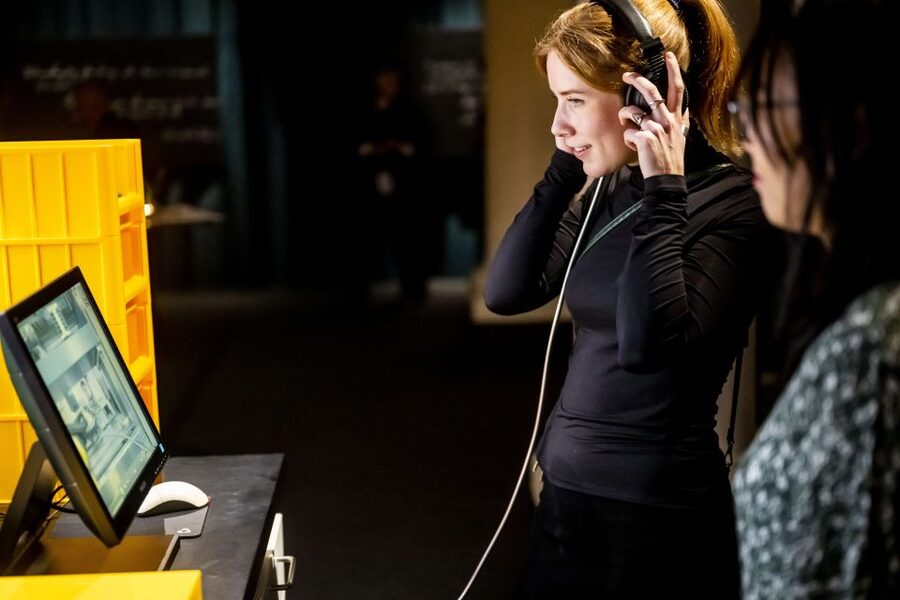
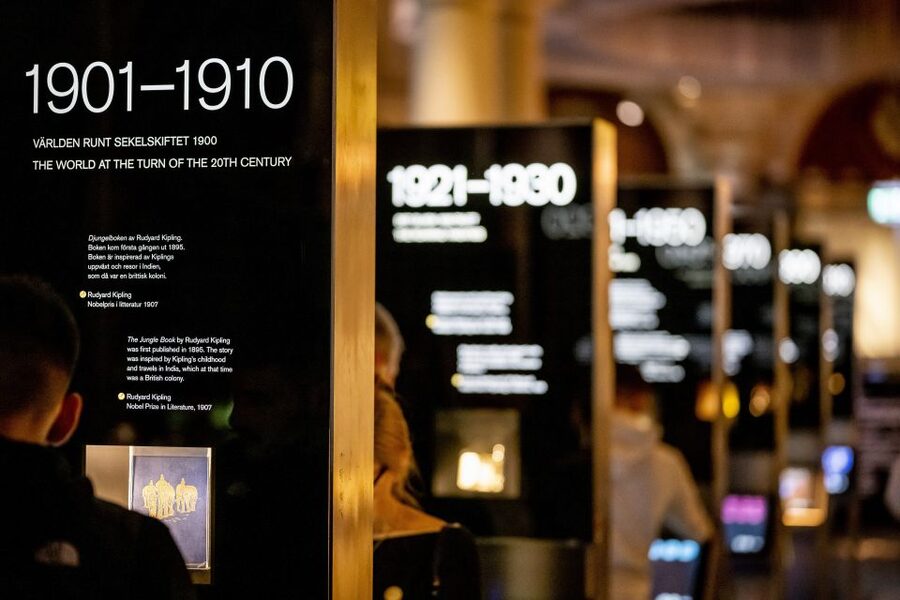
The permanent exhibition, titled These Things Changed the World, presents a large selection from the museum’s collection of laureate artifacts. More than 200 objects are used to show discoveries, courageous peace efforts, groundbreaking ideas, and innovative literature.
Do not expect every item to be a dramatic invention or a complete explanation of a scientific breakthrough. Some displays focus more on the personal belongings and life stories of prize winners. That is part of the museum’s character, but it can disappoint you if you arrive expecting a large technology museum packed with major machines.
The value comes from the connection between an ordinary-looking object and an extraordinary life. A personal item can give you a sense of the person behind the prize, while the accompanying text explains the work and achievement that brought international attention.
I recommend reading selectively rather than trying to absorb every panel. Pick the laureates who interest you most, then use the audio and video features to add context. If you have a teenager with you, the mix of inventions, personal stories, and short media pieces gives the visit more variety than a wall of text.
Audio and video make the exhibits easier to follow
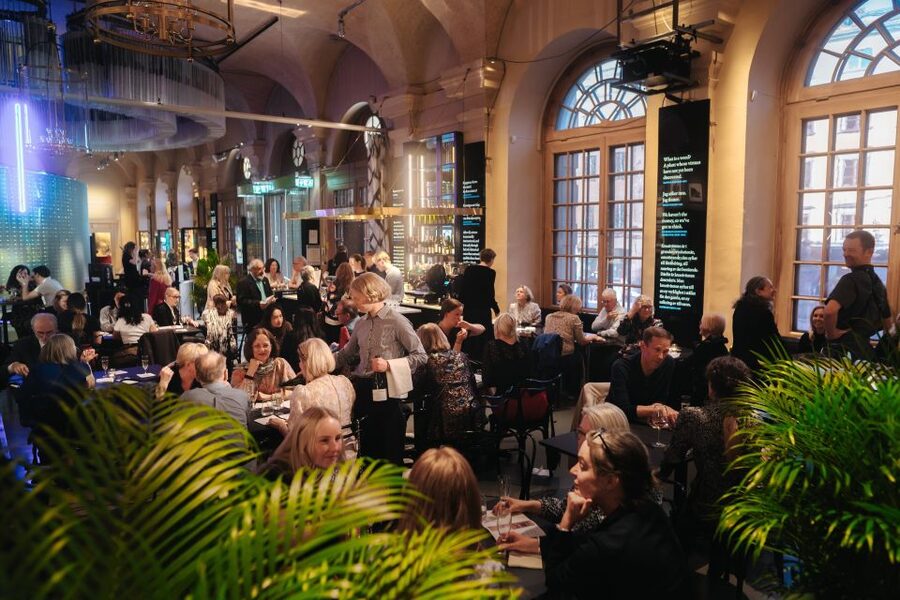
The museum uses a wide range of multimedia, including video and audio stories. These are among the most useful parts of the visit because the subject can otherwise become abstract. A name and prize category tell you very little about the person’s daily work, setbacks, or ideas.
The audio pieces are especially helpful when you want a more relaxed visit. You can listen as you move through the collection, rather than stopping to read every long label. The videos add another layer for visitors who prefer explanation through images and narration.
You should still expect some reading. The museum is small, so the experience depends on how much time you give each display. A fast visit gives you a clear outline. A slower visit, with films and object descriptions, reveals the small stories that make the collection memorable.
The media also helps families. Younger children may not follow every detail about nominations or prize categories, but short films and interactive elements offer a change of pace. Some children’s components have shown wear and may need attention, so families should expect an appealing but not flawless hands-on experience.
Same fjord country, a very different day out:
- Stockholm: City Archipelago Sightseeing Cruise with Guide
★ 4.3 · 10,798 reviews - Stockholm: Archipelago Boat Tour
★ 4.4 · 3,110 reviews - Stockholm: Highlights Boat Tour
★ 4.3 · 2,542 reviews - Stockholm: Ghost Walk and Historical Tour
★ 4.7 · 2,206 reviews
Join the included tour if the timing fits
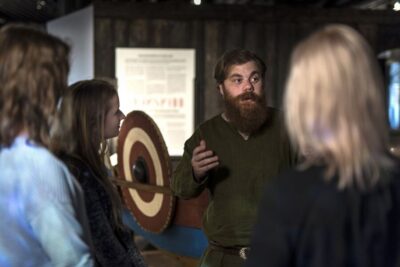
Daily guided tours in English and Swedish are included with admission. Ask the entrance staff about the next departure when you arrive. The English tour lasts about 30 minutes, based on the museum experience described by visitors, and it can give your visit a useful structure.
I would ask about the tour before beginning the self-guided displays. If you start reading everything immediately, you may find that the tour conflicts with the time you intended to spend in the galleries. The simplest plan is to note the tour time first, then explore until it begins.
A guide can explain the fun facts and connections that are easy to miss on your own. The tour also helps you cover the main parts of the museum without getting bogged down in every object description. Afterward, return to the exhibits that caught your attention.
The tour is not a separate paid upgrade. It is part of the entry ticket, which improves the value of the visit. Still, availability and start times matter, so do not assume you can join at any moment. Ask at the entrance rather than guessing.
If no suitable tour is available, the self-guided format works well. The displays are organized enough for independent exploration, and you can choose your own pace. Some visitors finish in around 30 minutes, while those who watch the films and read about the donated objects may spend two or three hours.
Temporary exhibitions add variety
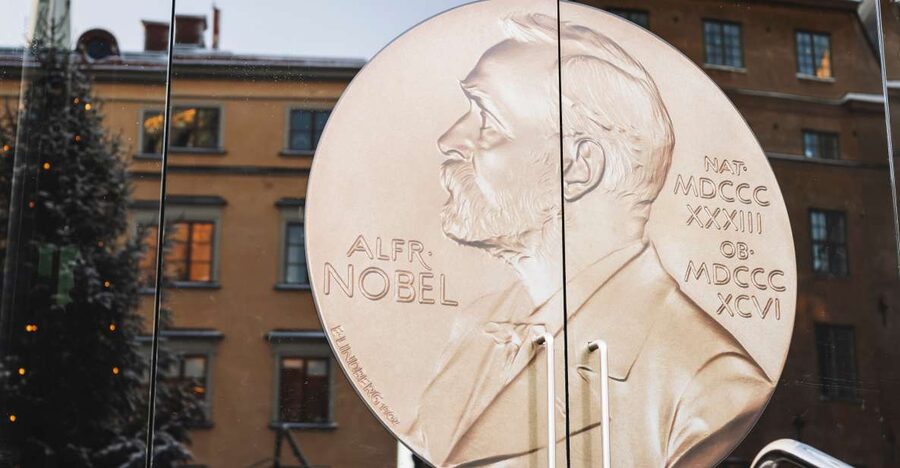
Your ticket includes access to temporary exhibitions and displays. These change the emphasis of the visit and can give you a reason to return if you have already seen the permanent collection.
The available details do not specify the theme or dates of the current temporary exhibition, so check what is showing when you plan your visit. Treat this section as a useful bonus rather than the sole reason to buy a ticket.
Temporary displays can also help balance the museum’s small size. The permanent collection gives you the core Nobel story, while the changing material may focus attention on a particular prize category, person, or idea.
The museum shop and the chocolate medal
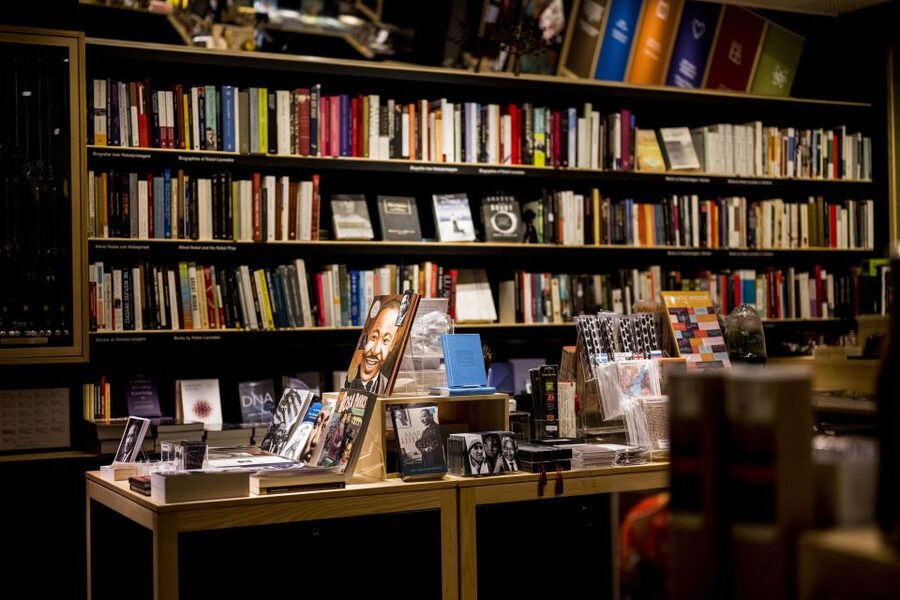
The shop offers a selective range of books, gifts, and souvenirs. It is worth a quick look if you want something tied to the museum rather than a generic Stockholm keepsake.
The most memorable item is the famous chocolate Nobel Prize medal. It is a playful souvenir and an easy gift, especially if you want something small that connects directly to the Nobel theme. You can browse without adding much time to your visit.
Books are likely to appeal most to adults who want to continue reading about laureates or the prize system after leaving. The shop gives the visit a natural ending, particularly if you have spent time with a laureate whose story caught your interest.
Bistro Nobel is not currently part of the visit
Bistro Nobel is closed during spring for restoration work after earlier water damage. That means you should not plan your museum stop around lunch or coffee there.
This matters because the bistro has traditionally been part of the Nobel experience, and some visitors specifically hope to eat at the museum. For now, arrange food elsewhere in Gamla Stan and treat the museum as a cultural stop rather than a meal stop.
The central location makes that easy. You can visit the museum between meals, then continue through the Old Town. Check the current status if dining at the bistro is important to you, since the closure information applies during spring.
How long should you allow?
For a quick orientation, allow about 30 to 60 minutes. This gives you time to see the main displays and get the basic story of Alfred Nobel and the prizes.
For a more satisfying visit, plan on one to two hours. That allows time for the permanent exhibition, selected videos, audio stories, and a short guided tour if the schedule fits.
Three hours may suit you if you enjoy reading every description and watching most of the available media. The museum is not large, so there is no need to force a long stay. Its strength is focused content, not a huge number of rooms.
The one-day ticket is valid for one day, so you have flexibility within the museum’s operating schedule. Check available starting times before booking, particularly if you want the English tour.
Is the $18 ticket good value?
At $18 per person, this is not the cheapest short museum visit in Stockholm. The value depends on your interest and your pace.
I think the price is fair if you care about science, literature, peace work, world history, or the people behind major ideas. The included guided tour, temporary exhibition access, videos, audio stories, and large artifact collection add more than a simple entry-only museum.
The ticket is less compelling if you plan to stay for only 20 minutes or if you want a large museum with full-size inventions and dramatic galleries. Several visitors found the museum surprisingly small, and that is the main limitation to keep in mind.
To get the most from $18, arrive early enough to ask about the English tour. Spend time with the audio and films, then browse the shop. A fast walk through the rooms will not show the museum at its best.
Free cancellation up to 24 hours before the visit and a reserve-now, pay-later option also make the booking easier to fit around a changing Stockholm schedule. These terms are useful, but the real value still comes from allowing enough time inside.
Accessibility and practical planning
The museum is wheelchair accessible. Its location on Stortorget makes it straightforward to find in Gamla Stan, and the central setting is helpful if you are planning a day on foot.
The ticket information lists English as the activity language and English as the host or greeter language. Daily tours are offered in English and Swedish, so confirm the next English session with the entrance staff.
There is no food or drink included with admission. With Bistro Nobel closed during spring restoration, plan your café or restaurant stop separately.
An online ticket provides quick entry, but the most important practical step is still asking about the tour time. That one question can shape the rest of your visit.
Who will enjoy this museum most?
I would recommend it to adults and older children who enjoy ideas, discovery, literature, peace work, and the personal stories behind famous achievements. It is also a good choice for a family with a curious teenager, since the museum combines objects, films, audio, and interactive material.
It suits a rainy afternoon particularly well because you can control the pace and spend more time with the media. It also works on a tight schedule because the museum is compact and central.
You may want to skip it if your main goal is a large science center with detailed explanations of machines and inventions. The displays often focus on laureates and their personal objects, not only on the technical substance of each breakthrough.
I also would not choose it as a meal stop while the bistro is closed. Visit for the museum itself, then eat nearby.
Should you book the Nobel Prize Museum?
Book it if you want a thoughtful, compact museum that links major awards to real people and their lives. The included 30-minute tour, when its timing suits you, is the best way to add structure and context to the self-guided displays.
Keep your expectations realistic about size. This is a focused museum, not an all-day attraction. At $18, it earns its price when you watch the films, listen to the audio stories, study the 200-plus artifacts, and give yourself one to two hours.
For a first Stockholm visit, it is an easy addition to a Gamla Stan walking day. If Nobel history, science, writing, or peace work interests you, I would book it. If you only have time for a very quick stop, save the money for a larger attraction and return when you can slow down.
FAQ
Where is the Nobel Prize Museum located?
The museum is located at Stortorget in Stockholm’s Old Town, Gamla Stan.
What does the admission ticket include?
The ticket includes museum entry, access to the special exhibition, and a museum tour.
Are guided tours included?
Yes. Daily guided tours in English and Swedish are included with the ticket. Ask the entrance staff for the available times.
How long is the ticket valid?
The ticket is valid for one day. Check availability for the available starting times.
Is the museum wheelchair accessible?
Yes. The Nobel Prize Museum is wheelchair accessible.
Is food included, and is Bistro Nobel open?
Food and drinks are not included. Bistro Nobel is closed during spring for restoration work following previous water damage.
Just added around Stockholm
- Stockholm: Evening Wildlife Safari with Midsummer Meal★ 4.2 · 130 reviews
- World War II Stockholm Old Town Walking Tour and Army Museum★ 4.6 · 4 reviews
- Stockholm: Archipelago Guided Boat & Walking Tour of Vaxholm★ 3.1 · 23 reviews
- Stockholm: Archipelago Islands Kayak Tour and Outdoor Picnic★ 4.9 · 150 reviews
- Vaxholm & Stockholm Archipelago: Guided Excursion, Day Trip★ 4.8 · 41 reviews
- Stockholm: Underground Metro Art Ride with a Local Guide★ 4.6 · 39 reviews
- Scandinavian Art, Architecture and Design Tour in Stockholm★ 4.5 · 11 reviews
- Stockholm: Sunset Hike in Tyresta National Park with Meal★ 5.0 · 79 reviews
Museums, compared.
Stockholm Pass: Save up to 50% – Includes Vasa Museum Ticket
Read our review →


Browse the lists this tour appears in