
Reviewed · MUSEUMS
Oslo: Paradox Museum Entry Ticket
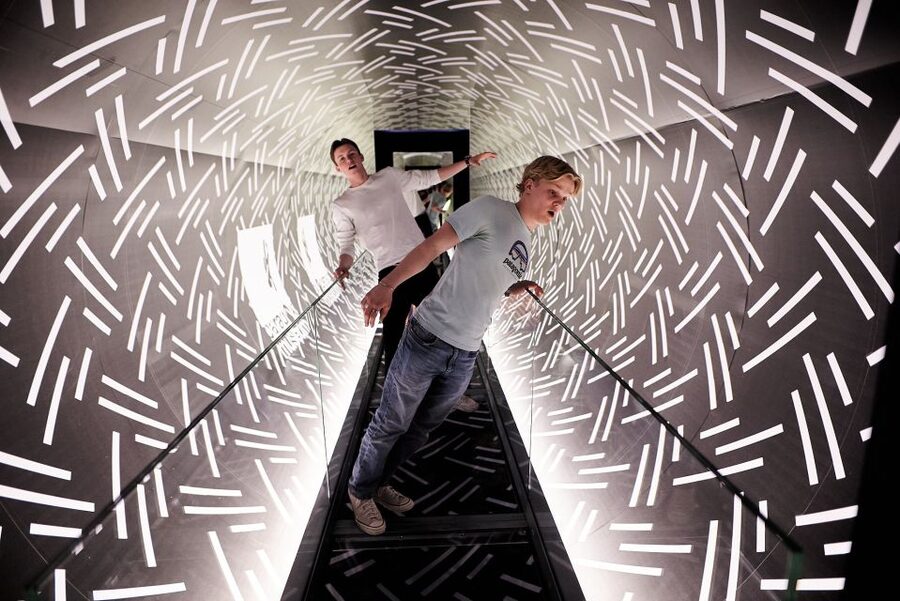
At Paradox Museum Oslo, floors tilt, bodies seem to shrink, and familiar rules of perspective stop making sense. The fun comes from discovering how quickly your brain accepts a false picture, then trying to fool your friends with the camera.
I like the clearly marked photo points, which save you from guessing where to stand, and the short explanations that connect each trick to perception, physics, and perspective. The main caution is value: at $29 per person, the museum is not cheap for an experience that many people finish in about an hour.
I also like the friendly staff and the freedom to move at your own pace. Just do not expect a guided tour with someone stationed at every exhibit. Some displays may need a little reading and experimenting before you understand the trick, and a few visitors found that photo help was limited.
In This Review
- Key points to know before you go
- Entering Oslo’s world of optical tricks
- What the one-hour route is like
- The best part: testing the illusion yourself
- Photo tips and the limits of staff help
- The science behind the fun
- Is $29 a fair price?
- Getting there and planning your visit
- Who will enjoy Paradox Museum Oslo?
- The Paradox Boutique on your way out
- My verdict: book it for the right kind of hour
- FAQ
- How long does Paradox Museum Oslo take?
- How much does admission cost?
- What does the ticket include?
- Is transportation included?
- Are food and drinks allowed inside?
- Where is the museum located?
- How early should I arrive?
- What languages are available?
- Is the museum wheelchair accessible?
- Can I cancel my booking?
Key points to know before you go
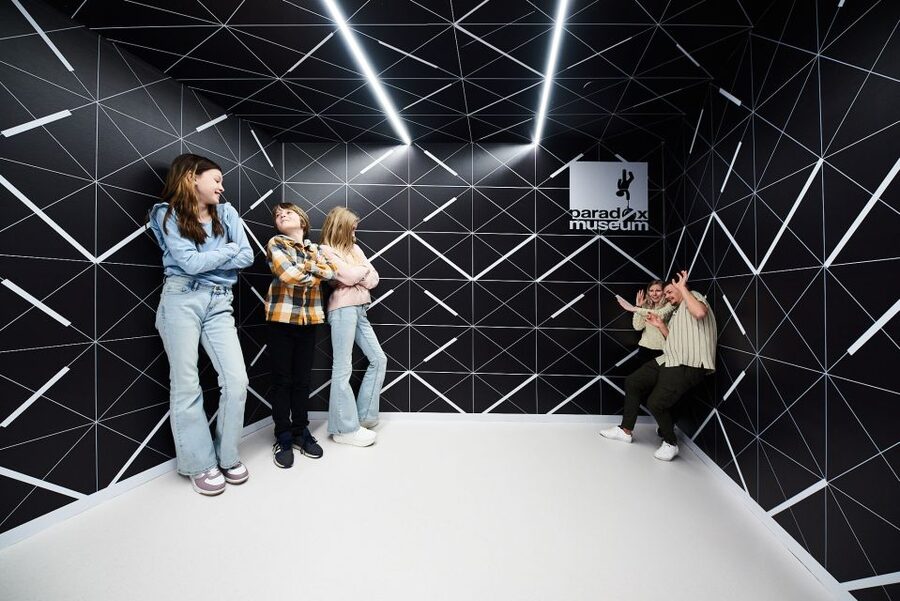
- More than 70 interactive exhibits: Expect visual tricks, strange rooms, hands-on displays, and puzzles that challenge your senses.
- Built for photos: Marked photo points show you where to stand for the intended effect.
- One-way route: Follow the signs from one exhibit to the next, rather than wandering freely through the museum.
- Useful science notes: Descriptions and QR codes explain how the illusions work.
- Central Oslo address: Nationaltheatret and Stortinget public transport stops are both only a couple of minutes away.
- About one hour: Solo visitors may move quickly, while families and groups can spend longer testing each installation.
Entering Oslo’s world of optical tricks
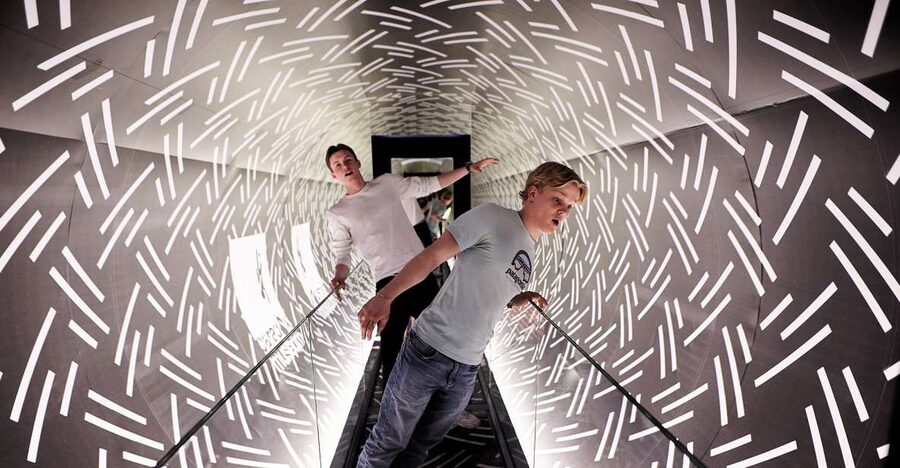
This is not a traditional museum where you quietly study objects behind glass. It is a hands-on set of rooms and installations designed to make you question what your eyes are reporting.
You will encounter more than 70 exhibits, though the exact pace depends on how long you spend at each one. Some take only a few seconds to understand. Others work best when you try different camera angles, swap places with a friend, or read the explanation before attempting the effect again.
That mix makes the museum useful for a short break in central Oslo. You can have a laugh, take unusual pictures, and learn a little about the way your brain fills in gaps and makes fast assumptions.
The experience is also easy to understand once you enter. Signs guide you along a one-way flow, so you do not need to work out which room comes next. This keeps the visit orderly, but it also means you cannot simply skip ahead and return whenever you like.
A few more Oslo trips to weigh up
- Kon-Tiki Museum Entrance Ticket
★ 4.5 · 1,096 reviews - The Fram Museum Admission Ticket
★ 4.5 · 490 reviews - Oslo: Oslo Discovery Tour with 2 Museums Included
★ 4.6 · 334 reviews
What the one-hour route is like
At the entrance, show your ticket and check in around 10 minutes before your booked time. Once inside, follow the signs through the exhibition areas.
The route moves from one visual or sensory trick to another. You might find rooms that change your sense of scale, installations that alter perspective, and displays that make still objects appear to move or change. The appeal is not only in seeing the effect. You become part of it.
In many places, the intended position is marked. These photo points are especially helpful if you are visiting with children or friends and want the picture to show the illusion clearly. Without the markings, it would be easy to stand at the wrong angle and produce an ordinary photograph.
Allow time to test each exhibit rather than racing through. A solo visit can take less than an hour if you only glance at each display. One person who visited alone completed the route quickly, while noting that a family or couple would probably pause longer. With children, you may spend extra time repeating the same illusion and taking several versions of the picture.
The museum is not presented as a formal lecture. Instead, short descriptions and QR codes explain the ideas behind the effects. If you are curious about why a room looks distorted or why two objects appear to change size, stop and read the notes. The explanations add value, especially for students and adults who want more than a photo backdrop.
The best part: testing the illusion yourself
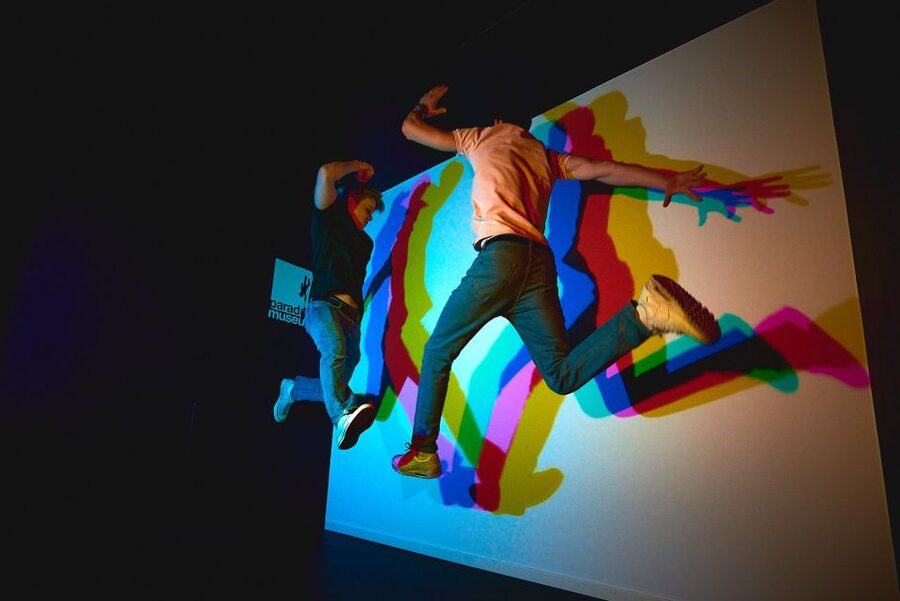
The museum works because you are not simply looking at an illusion from the outside. You step into the setup, follow the suggested position, and see your own image or surroundings behave in an unexpected way.
That makes it a good choice for a mixed-age group. Children can enjoy the surprise without needing to understand every principle. Older children and students can read the descriptions and connect the effects to physics, perspective, and perception. Adults often enjoy the same exhibits for a different reason: they reveal how easily the brain makes a confident mistake.
The displays are primarily visual, and some of the tricks are familiar from other illusion museums and optical effect attractions. That is a fair criticism if you have already visited similar places. The collection is put together in an attractive, playful way, but not every exhibit will feel new.
A few installations may also be more memorable than others. Some visitors found the larger displays particularly fun, while describing other exhibits as fairly average. One exhibit was reported as not working during a visit, so it is sensible to expect that an interactive display can occasionally be unavailable or less effective than intended.
Still, the stronger installations carry the visit. You are likely to remember the exhibits that make you look twice, especially when you can pose inside the effect and take the picture home.
Photo tips and the limits of staff help
Bring a phone with enough battery and storage. The museum is designed for photographs, and the marked points make it clear where the camera should be positioned.
If you are visiting as a couple or group, taking turns usually works well. One person stands in the installation while another takes the picture, then you switch. For the best result, follow the suggested angle instead of relying on a quick snapshot from the doorway.
Staff are friendly and often helpful. Some visitors received assistance with photos, and one staff member kindly offered to take pictures for a solo visitor. Kseniia, called the captain by one particularly enthusiastic visitor, was singled out for making the visit memorable.
Do not count on a staff member at every station, though. Several people found that photo help was available in only one area, or that they had to work out some effects themselves. A few exhibits were confusing at first because there was not enough immediate explanation.
That is not necessarily a problem. Part of the fun is trying to understand the trick. But if your main goal is to leave with polished photographs, you may need to be patient and ask staff when someone is available. A group with one person comfortable taking pictures will have an easier time.
Same fjord country, a very different day out:
- Oslo: Scenic Fjord Cruise with Audio Guide Commentary
★ 4.5 · 5,375 reviews - Oslo Nature Walks: Island Hopping Tour
★ 4.8 · 2,713 reviews - Oslo: 100% Electric Oslofjord Sightseeing Cruise
★ 4.4 · 2,041 reviews - Oslo: Fjord Evening Cruise with Shrimp Buffet
★ 4.5 · 1,956 reviews
The science behind the fun
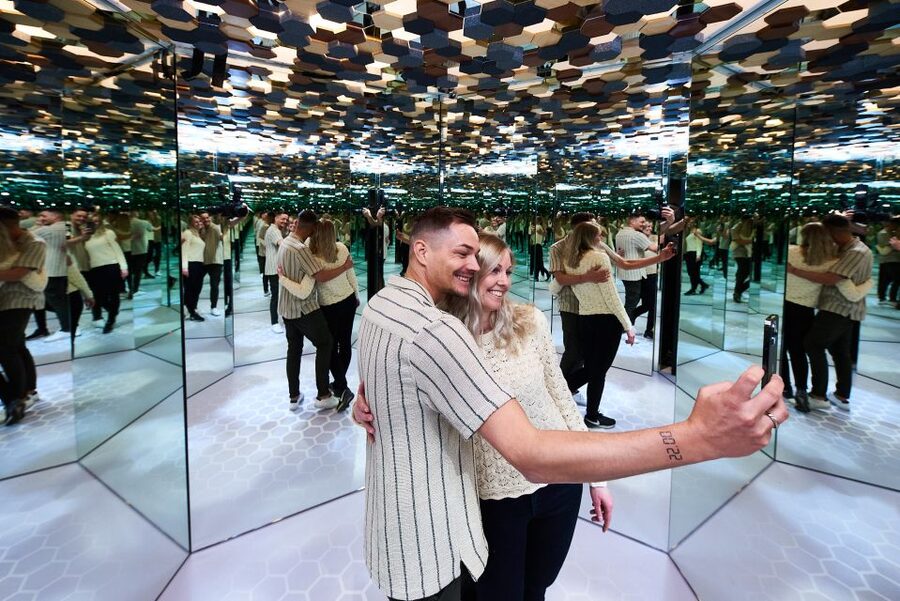
The museum’s educational value comes from showing, rather than merely telling, how perception works. Your eyes collect information, but your brain interprets it using perspective, context, expectation, and physical cues.
The exhibits turn those ideas into short, memorable demonstrations. You may notice that two equal objects look different because of their surroundings, or that a carefully arranged room makes ordinary proportions seem wrong. The point is not to memorize technical terms. It is to notice how quickly your mind turns confusing information into a clear but incorrect answer.
Descriptions beside the displays provide more context, while QR codes offer another way to learn about the setup. If you are visiting with a child, ask what they think is happening before reading the explanation. That simple pause turns a photo stop into a small lesson.
The museum is also useful for students because it links abstract ideas to something physical and amusing. Physics and perspective can seem dry on a page. Here, you see the result immediately.
Keep your expectations in check, however. This is an entertainment-led museum with educational notes, not a full science center or a guided class. The learning is informal and self-directed.
Is $29 a fair price?
Admission costs $29 per person. That is a significant price for a one-hour activity, especially if you are paying for several people.
The value depends on how you use the visit. If you rush through the route and take only a few pictures, the price may feel high. One visitor specifically described the experience as fun but pricey, while another found it affordable and spent about two hours inside.
Families may get better value because children tend to repeat the interactive displays and take longer at the photo points. Couples and friend groups can also make the most of it by posing for one another. If you are alone, you may move faster unless staff can help with pictures.
Oslo is an expensive city, so the price is not unusual for a central attraction. Even so, you should compare it with the amount of time you want from the visit. The advertised duration is one hour, but the actual stay can vary. A careful visitor who reads the explanations and retakes photos may spend longer.
The flexible booking terms help reduce the risk. You can reserve now and pay later, and you can cancel up to 24 hours in advance for a full refund. That matters if your Oslo plans depend on changing weather or transport.
Getting there and planning your visit
The museum is in Oslo Municipality, in the heart of the city. Nationaltheatret and Stortinget are the closest public transport stops, each only a couple of minutes away.
Because the museum is central and takes roughly an hour, it fits neatly between other Oslo plans. You could use it during a short city break, before a train or flight, or as an indoor option when the weather is poor. One visitor used it to fill time before a flight and found it worthwhile for that purpose.
Arrive about 10 minutes before your booked time so you can check in without rushing. Timed entry helps manage the flow, though the museum may still feel less crowded at quieter times. A February visit was described as relatively calm, but conditions can change.
Food and drinks are not allowed inside. Plan to eat before or after, rather than bringing a snack for the route. Transportation and refreshments are not included in the ticket.
The museum is wheelchair accessible. The host or greeter service is available in English and Norwegian, and the exhibition information is provided in those languages.
Who will enjoy Paradox Museum Oslo?
I would recommend it most to families, couples, groups of friends, students, and adults who like playful puzzles. It is particularly easy to share with other people because nearly every exhibit gives you a reason to pose, compare results, or try again.
Families should find something for children of different ages. Younger children can react to the visual effects, while older children can read the explanations and ask why the trick works. The hands-on format also gives children something to do, rather than asking them to look quietly at a display.
It is a sensible choice for a rainy hour in Oslo. You do not need a full day, special clothing, or background knowledge. The route is guided by signs, and the staff speak English and Norwegian.
I would be more cautious if you have already visited several paradox or weird-room attractions. Many visual tricks are not entirely new, and some displays may feel familiar. You may still enjoy the presentation and the larger installations, but the novelty could be lower.
Solo visitors can have fun, but the experience is more photo-friendly with a partner or group. Staff may help when available, but there is no promise of a photographer at each stop.
The Paradox Boutique on your way out
The visit ends near the Paradox Boutique, which sells games, souvenirs, and keepsakes linked to the museum’s theme.
You do not need to buy anything, and the shop is not part of the admission value in a practical sense. It is simply a final stop if you want a small puzzle or a reminder of the experience.
For families, it can be a useful place to look for something that continues the idea of perception and problem-solving at home. Keep it brief if you are watching your budget, since the ticket already costs $29 per person.
My verdict: book it for the right kind of hour
Paradox Museum Oslo is a cheerful, photo-focused break with enough science to give the fun some substance. I like the marked camera positions, the one-way route, the central location, and the chance to understand the tricks through descriptions and QR codes.
The weak points are clear: the visit can be short, not every exhibit will feel fresh, and staff may not be available to explain every display or take every picture. At $29, it makes the most sense when you visit with people who will pose, experiment, and spend time with the installations.
Book it if you want a playful indoor activity and enjoy taking funny, surprising photos. Skip it if you expect a large traditional museum, a guided science lesson, or a full afternoon of sightseeing. For most families and friend groups, it is a good one-hour addition to a central Oslo day, provided you accept that the price pays for interactive fun rather than a long visit.
FAQ
How long does Paradox Museum Oslo take?
The stated duration is one hour. You may spend longer if you take many photos, repeat exhibits, or read the descriptions and scan the QR codes.
How much does admission cost?
The listed price is $29 per person.
What does the ticket include?
The ticket includes admission to Paradox Museum Oslo, access to all exhibition areas, and access to the Paradox Boutique.
Is transportation included?
No. Transportation is not included in the ticket.
Are food and drinks allowed inside?
No. Food and drinks are not allowed inside the museum, and they are not included with admission.
Where is the museum located?
The museum is in Oslo Municipality, in the heart of Oslo. Nationaltheatret and Stortinget are the closest public transport stops, both a couple of minutes away.
How early should I arrive?
Show your ticket at the entrance and check in 10 minutes before your booked time.
What languages are available?
The host or greeter service is available in English and Norwegian. The additional information also lists English and Norwegian.
Is the museum wheelchair accessible?
Yes, Paradox Museum Oslo is wheelchair accessible.
Can I cancel my booking?
Yes. You can cancel up to 24 hours in advance for a full refund. You can also reserve now and pay later, which keeps your plans flexible.
Just added around Oslo
- 4 hours Best View of the Oslofjord Winter Edition★ 4.0 · 15 reviews
- Oslo Winter Highlights Bike Tour★ 5.0 · 36 reviews
- Unknown war. Oslo and Norway during 1940-45★ 5.0 · 74 reviews
- The Ultimate Norwegian Skiing Experience★ 5.0 · 16 reviews
- The Viking Planet Museum Ticket★ 4.0 · 197 reviews
- The Viking Planet Museum – Mini Group (4 adults)★ 4.0 · 16 reviews
- The Scenic Roadtrip, Oslo to Bergen via Flam & the Fjords★ 5.0 · 25 reviews
- Visit the Instaworthy Spots of Oslo’s Vigeland Park with a Local★ 5.0 · 4 reviews
Museums, compared.


Stockholm Pass: Save up to 50% – Includes Vasa Museum Ticket
Read our review →



Browse the lists this tour appears in