
Reviewed · WALKING TOURS
Oslo City Walks: Historic River Walk
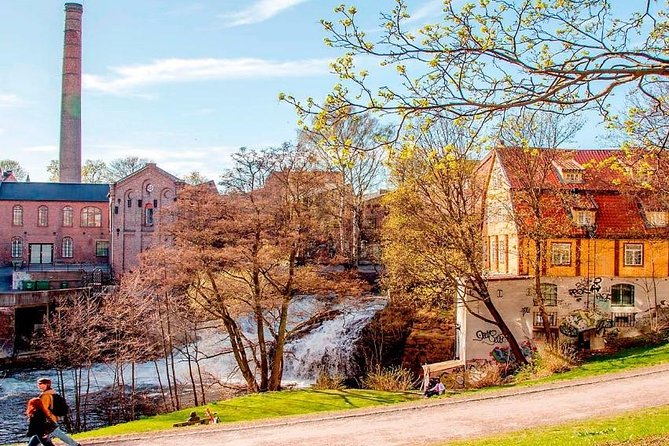
Akerselva is more than a pleasant stream through Oslo. It is the city’s old working river, a place where industry, parks, neighborhoods, and environmental repair meet. This two-hour walk follows that story from Oslo S toward Grønland, Beier Bridge, the Fairytale Bridge, and Mathallen.
I like the way the route mixes industrial history with green space, and I like the stop at Mathallen, where you can look at Norwegian and international food without paying for a meal as part of the tour. The main drawback is simple: this is a walking tour, not a sightseeing bus, and the weather can shape your experience. Good shoes and proper clothing matter.
In This Review
- Key points to know before you book
- Why Akerselva is the right river for an Oslo history walk
- From Grønland’s working past to modern city life
- Beier Bridge and the sound of falling water
- Crossing the Fairytale Bridge
- How a polluted river became a living ecosystem
- Mathallen, Oslo’s food destination
- What $52 means for the value
- Who will enjoy this walk most
- Practical advice for a smoother afternoon
- Should you book the Akerselva walk?
- FAQ
- Where does the Oslo Historic River Walk begin?
- What time does the tour start?
- How long does the experience last?
- Which languages are available?
- Is food included in the price?
- Is transport included?
- What should I wear and bring?
Key points to know before you book
- Akerselva tells Oslo’s industrial story: Follow the river from former factory districts to restored public spaces.
- Mathallen adds a food stop: Browse Oslo’s best-known food hall, but food and drinks cost extra.
- The route includes two memorable crossings: See the waterfall at Beier Bridge and walk across the Fairytale Bridge.
- A guide gives the walk its value: The tour depends on clear storytelling about Oslo’s past and environmental work.
- The meeting point is easy to find: Meet at the Oslo Visitor Center inside Østbanehallen at Oslo S.
- Plan for a steady two-hour walk: Arrive 10 minutes early, wear walking shoes, and dress for Norwegian weather.
Why Akerselva is the right river for an Oslo history walk
Many city walks focus on grand buildings and famous monuments. This one takes a different route. Akerselva gives you a look at how Oslo changed as a city, from an industrial center to a place that protects green corridors and public outdoor areas.
The river runs through the capital as a narrow strip of water, trees, paths, bridges, and former working districts. That mix is what makes the walk useful. You are not only looking at old buildings or listening to a list of dates. You are seeing how a river affected work, settlement, recreation, and city planning.
The tour begins at 14:00 from Oslo S. That timing works well if you arrive in Oslo by train, are staying near the central station, or want a structured afternoon activity. You meet the guide in front of the Oslo Visitor Center, inside Østbanehallen at Jernbanetorget 1.
I would arrive at least 10 minutes early. Oslo S is a large transport center, and Østbanehallen contains shops and food outlets, so give yourself time to find the visitor center rather than rushing in at the last minute.
The walk is led by an authorized Oslo guide and is offered in English or Norwegian. No guide name is provided when booking, so you should choose this tour for its route and subject rather than for a particular individual. The guide’s role matters, though. The strongest part of the walk is the explanation of how Oslo’s riverfront changed over time.
A few more Oslo trips to weigh up
- Oslo: Historic Myths & Legends Evening Walking Tour
★ 4.8 · 408 reviews - Oslo: History, Art and Secrets Tour
★ 4.7 · 62 reviews - Oslo City Walks – Historic River Walk
★ 5.0 · 31 reviews
From Grønland’s working past to modern city life
The first major theme is Grønland. Today, the area is known for city life, food, and a mix of cultures, but its connection to Akerselva was once tied closely to industry. The river supplied water and power, helping Oslo grow its manufacturing base.
That background gives the route more weight than a simple nature stroll. As you walk, you can picture the river as part of the city’s working machinery rather than just a scenic feature. The contrast between former industrial use and today’s parks and paths is one of the clearest ideas in the tour.
I like this part because it helps you read Oslo in layers. The city is not presented as an unchanging collection of pretty streets. Instead, you see a capital that has had to deal with pollution, industrial decline, redevelopment, and the need for more pleasant public spaces.
The route also gives you a break from central Oslo’s traffic and buildings. Akerselva is described as the city’s green lung, and that is a useful way to understand its role. Trees and walking paths create a calmer corridor through the urban area, even though you remain close to the city.
Do not expect a tour devoted only to architecture. The emphasis is the connection between nature, industry, and social change. If you want a long list of royal buildings or museum interiors, this will not be the best match. If you want to understand a less polished but more revealing side of Oslo, it is a strong choice.
Beier Bridge and the sound of falling water
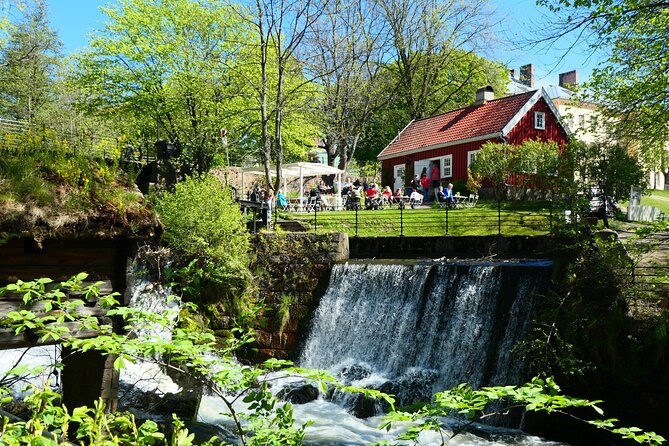
One of the route’s clear visual moments comes at Beier Bridge, where you see an impressive waterfall. The waterfall gives the river a sense of movement and power, and it helps explain why Akerselva mattered to Oslo’s industrial growth.
This is also a good example of why a guide helps. On your own, you can photograph the water and continue walking. With the tour, the waterfall becomes part of a wider explanation about the river’s former uses and its place in the city’s history.
The stop should appeal to anyone who enjoys small natural sights within a city. You do not need to leave Oslo to find water, trees, and a change of pace. The route brings those elements into the same story as factories and urban development.
The supplied details do not promise a long stop at Beier Bridge, so keep your expectations practical. It is one part of a two-hour walk, not a separate waterfall excursion. You will have time to see the setting and hear its context, but the pace will continue.
Crossing the Fairytale Bridge
The Fairytale Bridge adds a lighter note to the route. Its name suggests a decorative or storybook feel, and crossing it gives the walk a change of mood after the industrial history around the river.
Bridges are especially useful on a river walk because they let you look along the water and back toward the route you have already covered. Here, the crossing is part of the experience rather than just a way to reach the next street.
I would keep your camera ready, but do not treat the walk as a photo stop at every turn. The route has several points of interest, and the guide needs to keep the group moving through the two-hour schedule. You will get the most from it by listening while also taking in the river, greenery, and nearby city life.
The Fairytale Bridge also fits the tour’s larger contrast. Akerselva has a serious industrial past, but it is now used for leisure and public enjoyment. A bridge with a playful name, surrounded by greenery and walking paths, makes that shift easy to feel.
Same fjord country, a very different day out:
- Oslo: Scenic Fjord Cruise with Audio Guide Commentary
★ 4.5 · 5,375 reviews - Oslo Nature Walks: Island Hopping Tour
★ 4.8 · 2,713 reviews - Oslo: 100% Electric Oslofjord Sightseeing Cruise
★ 4.4 · 2,041 reviews - Oslo: Fjord Evening Cruise with Shrimp Buffet
★ 4.5 · 1,956 reviews
How a polluted river became a living ecosystem
The environmental part of the walk is one of its most useful features. Akerselva went from a polluted industrial river to a living ecosystem through extensive environmental work. The tour explains that change and points out the river’s flora and fauna.
That subject makes the walk relevant beyond Oslo. Cities across Europe have dealt with rivers damaged by factories, waste, and dense development. Akerselva shows what can happen when a city treats a river as a public resource that needs care rather than as a channel for industry.
You should not expect a detailed scientific field trip. The available information promises an explanation of the river’s restoration and its plant and animal life, but it does not list particular species or conservation sites. Think of this as a clear introduction to the river’s recovery and its place in modern Oslo.
I especially like this element because it keeps the walk from becoming a nostalgia tour. The point is not simply that old industry once stood here. You also learn how the city addressed damage and made the river more pleasant and useful.
The greenery may be welcome if you have spent the morning among central streets and indoor attractions. Still, remember that this remains an urban walk. The setting combines nature trails and parks with the city around them. That combination, rather than untouched countryside, is the appeal.
Mathallen, Oslo’s food destination
The stop at Mathallen gives the tour a practical and tasty middle point. Mathallen is Oslo’s food destination, with Norwegian and international delicacies under one roof. You can browse stalls, inspect local products, or buy something to eat after hearing how the river shaped the city.
Food is not included in the $52 price, so treat Mathallen as an optional spending stop rather than part of the admission cost. That is a fair arrangement. You can choose a snack, a drink, a small meal, or nothing at all, depending on your appetite and budget.
I would save room for this stop if food markets interest you. Mathallen gives you a chance to see a current side of Oslo after spending much of the walk learning about its industrial past. It also makes the route more useful for someone who wants both history and a sense of local food culture.
The limitation is that a two-hour tour cannot offer a full food tour and a full river walk at the same time. You will have time to explore the food hall, but the visit is not described as a guided tasting program. If you want a detailed introduction to Norwegian cuisine, plan to return to Mathallen on your own.
The food hall is also a convenient place to continue your afternoon. Since transport is not included, you are responsible for getting to and from the route, but the central meeting point makes the start straightforward. The walk’s endpoint is not specified, so ask the guide about your final location if you need to connect with another booking.
What $52 means for the value
At $52 per person, this is not the cheapest way to spend two hours in Oslo. You can walk beside a river without paying anything. The fee pays for the guide’s interpretation, the planned route, and the chance to connect several parts of the city that you might otherwise see separately.
The value is strongest if you are new to Oslo and want orientation with substance. The walk links Oslo S, Grønland, Akerselva, Beier Bridge, the Fairytale Bridge, and Mathallen in one outing. Doing that alone would cost less, but you would need to research the history, map the route, and decide what to notice.
The price is less convincing if you already know Akerselva well or prefer to explore at your own speed. The tour has a fixed start time, a two-hour schedule, and a guide-led pace. You also pay for food separately, and no transport is included.
For me, the price makes the most sense early in an Oslo visit. A good city walk can help you understand the capital before you spend time at museums and major sights. It also gives you a more ordinary view of Oslo, away from a checklist of famous attractions.
Who will enjoy this walk most
This experience suits you if you like history that can be seen on the ground. You will hear about industrialization, but you will also walk through the places shaped by it. That makes the information easier to remember than a talk delivered in a room.
It is a good fit for first-time visitors, curious walkers, and anyone interested in how cities clean up and reuse old industrial areas. The combination of parks, paths, bridges, a waterfall, and Mathallen gives the afternoon some variety.
Families with older children may also find the route more engaging than a formal museum visit, especially if bridges and water help hold their attention. The supplied details do not specify an age range, accessibility arrangements, group size, or exact walking distance, so you should ask the provider if those points matter for your party.
You should think twice if you dislike walking in changeable weather or need a tightly defined endpoint for a later activity. The instructions call for good walking shoes and weather-appropriate clothing, which tells you this is an outdoor experience from beginning to end.
Practical advice for a smoother afternoon
Wear shoes you can comfortably use for two hours. The route includes city streets, parks, and nature trails, and the exact surface conditions are not described in detail.
Dress in layers and check the forecast before leaving. Oslo weather can change, and there is no suggestion that the tour moves indoors when conditions turn poor. A light waterproof layer is a sensible choice, but the key requirement is simply to dress for the day.
Arrive at the Oslo Visitor Center 10 minutes early. Look for the center inside Østbanehallen at Oslo S, rather than waiting somewhere outside the station without checking the location.
Bring some money or a payment method for Mathallen. Food is not included, and the point of the stop is to give you a chance to explore Norwegian and international food options.
The tour lasts about two hours and starts at 14:00, but the available information does not give an exact end point. If you have a train, dinner reservation, or museum entry afterward, leave extra time.
English and Norwegian are the available tour languages. Free cancellation is offered up to 24 hours in advance, and you can reserve now and pay later if that option is offered at booking. Those terms help if your Oslo plans are still shifting.
Should you book the Akerselva walk?
Book it if you want Oslo explained through its river, not just through its grand sights. The best reasons are the industrial story, the environmental recovery of Akerselva, the waterfall at Beier Bridge, the Fairytale Bridge, and the stop at Mathallen.
I would especially recommend it near the start of a first Oslo visit. You get a useful sense of how the city grew and changed, while still enjoying trees, water, and open paths. The guide’s personality will affect the experience, but the route gives the walk a strong foundation.
Skip it if you want a food tasting tour, a bus ride, or a short activity with almost no walking. At $52, the tour is worth it when you value interpretation and a carefully connected route. It is less useful if you are happy to follow Akerselva alone with a map.
FAQ
Where does the Oslo Historic River Walk begin?
Meet the guide in front of the Oslo Visitor Center inside Østbanehallen at Oslo S, at Jernbanetorget 1, 0154 Oslo.
What time does the tour start?
The walk starts at 14:00.
How long does the experience last?
The tour lasts approximately two hours.
Which languages are available?
The live guide leads the tour in English or Norwegian.
Is food included in the price?
No. Food is not included, but the route stops at Mathallen, where you can buy Norwegian or international food separately.
Is transport included?
No. You need to arrange your own transport to and from the walking route.
What should I wear and bring?
Wear good walking shoes and dress according to the weather. You should arrive at the meeting point 10 minutes early.
Just added around Oslo
- 4 hours Best View of the Oslofjord Winter Edition★ 4.0 · 15 reviews
- Unknown war. Oslo and Norway during 1940-45★ 5.0 · 74 reviews
- Oslo Winter Highlights Bike Tour★ 5.0 · 36 reviews
- The Ultimate Norwegian Skiing Experience★ 5.0 · 16 reviews
- The Viking Planet Museum Ticket★ 4.0 · 197 reviews
- The Viking Planet Museum – Mini Group (4 adults)★ 4.0 · 16 reviews
- The Scenic Roadtrip, Oslo to Bergen via Flam & the Fjords★ 5.0 · 25 reviews
- Visit the Instaworthy Spots of Oslo’s Vigeland Park with a Local★ 5.0 · 4 reviews
Walking Tours, compared.
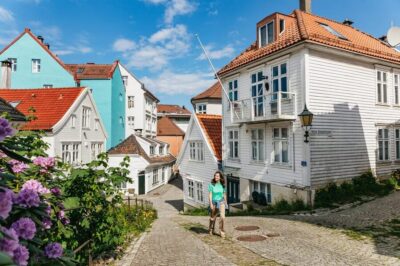
Past & Present Small Group Guided Walking Tour
Read our review →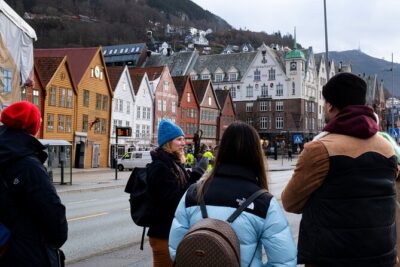
Walking Tour in Bergen of the Past and Present
Read our review →

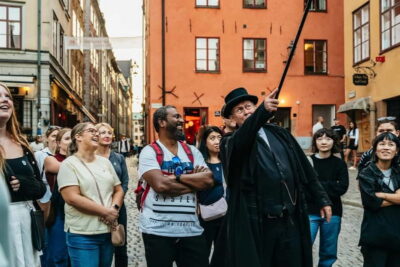
The Original Stockholm Ghost Walk and Historical Tour – Gamla Stan
Read our review →
Group Walking Tour – City Highlights – 2 Hours
Read our review →Browse the lists this tour appears in