
Reviewed · PRIVATE WALKING TOURS
Oslo: Historic Myths & Legends Evening Walking Tour
Oslo’s past gets more interesting after dark, when stories of trolls, nisse, and huldra give the city’s stone buildings a slightly mysterious edge. This two-hour walk links folklore with real places, from the wooden friezes inside City Hall to the walls and courtyards of Akershus Fortress.
I like the way the tour joins Norse mythology with ordinary city history, rather than treating legends as spooky entertainment alone. I also like its easy pace and useful introduction to central Oslo, with guides such as Maria and Anastasia adding humor, local tips, and plenty of time for questions.
The main drawback is practical: this is an outdoor walk, and Oslo evenings can be bitterly cold, especially in winter. The route is also not suitable for children under 13, wheelchair users, or people with mobility impairments.
In This Review
- Key points to know before you book
- Why folklore is a smart way to meet Oslo
- Meeting the guide at Oslo City Hall
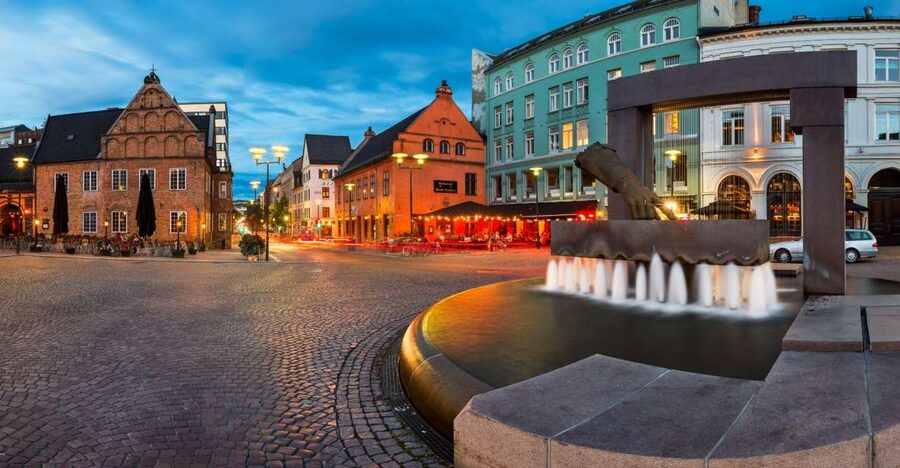
- Christiania Torv and the old city’s layered past
- Akershus Fortress, engineering and hard lives
- Bankplassen and Oslo’s audacious thefts
- Oslo Cathedral and the value of a walking route
- A guide-led introduction, not a full Oslo history course
- Is $42 a fair price for two hours?
- Evening conditions and what to bring
- Who should book this Oslo walking tour?
- Should you book the Historic Myths and Legends Evening Walking Tour?
- FAQ
- How long does the Oslo Historic Myths and Legends tour last?
- What is included in the tour price?
- Where does the tour meet?
- What language is the tour conducted in?
- Can I cancel the tour for a full refund?
- Is the tour suitable for children and wheelchair users?
Key points to know before you book
- Viking beliefs inside City Hall: Look for wooden friezes that show ideas from Norse mythology and help explain how old beliefs appear in Oslo’s public art.
- Folklore with a cultural purpose: Trolls, kind nisse, huldra, ghosts, and underground kingdoms are discussed as part of Norwegian culture, not as a ghost-hunting show.
- Akershus Fortress after dark: Hear about medieval defenses, prisoners, and the people who met grim fates behind the castle walls.
- A city crime story: At Bankplassen, the subject shifts to audacious thefts, robberies, and Oslo’s older justice system.
- Strong storytelling: Maria and Anastasia are among the guides praised for clear English, humor, enthusiasm, and helpful suggestions for the rest of your stay.
- Cold-weather planning matters: Comfortable shoes are required, and warm layers, gloves, and protection from wind are wise for winter departures.
Why folklore is a smart way to meet Oslo
A standard city walk can leave you with a list of names and dates. This one uses stories to help you remember the places. A belief in trolls tells you something about the fears and values of earlier Norwegian communities. A tale about a protective bell or a fear of flutes gives an old custom a human scale.
That makes the walk a good first-day activity. You get a basic map of central Oslo, then attach a story to each stop. Later, when you pass City Hall or walk near Akershus Fortress on your own, the buildings should feel less like isolated sights.
The tone is educational but relaxed. You are not signing up for a theatrical scare tour. The guide talks about ghosts and underground kingdoms, but the purpose is to explain why these stories mattered and how they remain part of Norwegian culture.
I would choose this tour if you enjoy folklore, old crimes, unusual local details, or history told through people rather than dates. If you want a formal architectural tour or a detailed account of Oslo’s political past, this walk may feel lighter and more story-led than you expect.
More Private Walking Tours in Oslo
- Oslo: Best of Oslo Walking Tour
★ 4.5 · 458 reviews - Oslo: Guided Walking Tour of Central Oslo
★ 4.7 · 438 reviews - Taste of Oslo Walking Tour
★ 4.5 · 282 reviews
Meeting the guide at Oslo City Hall
The meeting point is near the Swans fountain at the entrance to Oslo City Hall on Fridtjof Nansen’s Square. Give yourself enough time to find the fountain, particularly if you arrive after sunset or in poor weather.
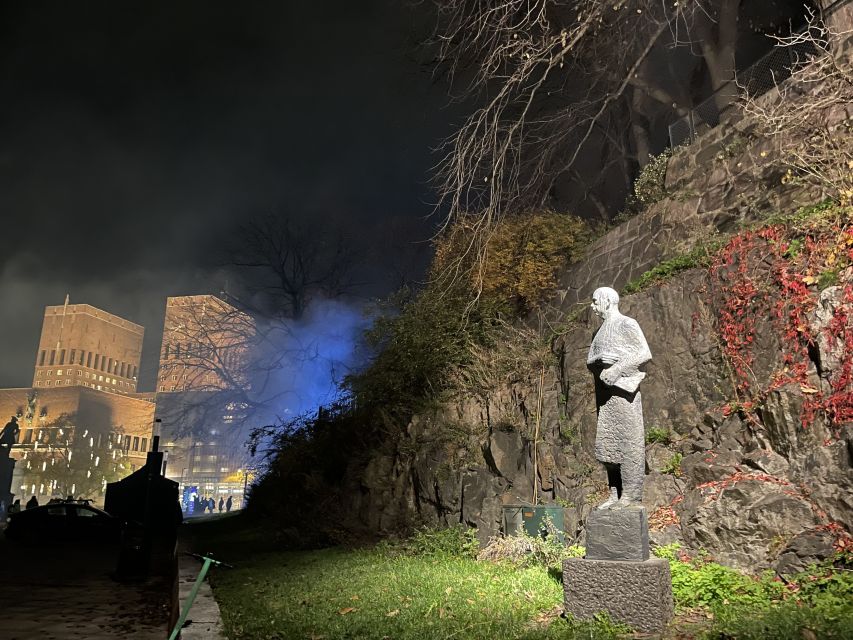
City Hall is an excellent starting point because it is both easy to locate and packed with visual material. The building’s wooden friezes depict Viking beliefs, giving the opening part of the walk a clear link between public art, national identity, and old Norse ideas.
Expect the guide to use the building as a prompt for stories about Viking expeditions and the people who once sailed the Nordic seas. The focus is not simply on famous warriors. The broader point is how legends, beliefs, and symbols shaped the way Norwegians understood danger, luck, protection, and the unknown.
This is also where the guide’s style matters most. Maria has been especially well received for combining warmth with a broad range of information, while Anastasia is praised for vivid storytelling and a strong command of English. Guide assignments can vary, so you should not book expecting one particular person, but the tour has a clear reputation for lively presentation.
Christiania Torv and the old city’s layered past
From City Hall, the route continues toward Christiania Torv, one of the key historic squares in central Oslo. Here, the walk shifts from broad Norse tradition to stories tied more closely to the city and its changing streets.
The value of this stop is not just the square itself. Your guide connects the setting with events and characters from Oslo’s past, showing how a public place can gather several layers of memory. You may hear stories that are not part of a typical sightseeing script, which is one reason this tour works well for people who have already wandered through the central shopping streets.
The evening setting adds atmosphere without turning the walk into a haunted attraction. In summer, the changing light can make the old buildings and streets feel especially inviting. In autumn and winter, darkness gives the legends more mood, but it also makes warm clothing essential.
The pace is designed for listening rather than rushing between photo stops. You can take pictures and ask questions, and the guide can point out other places to visit afterward. That practical advice is useful if this is your first evening in Oslo and you want to build a plan for the following days.
Akershus Fortress, engineering and hard lives
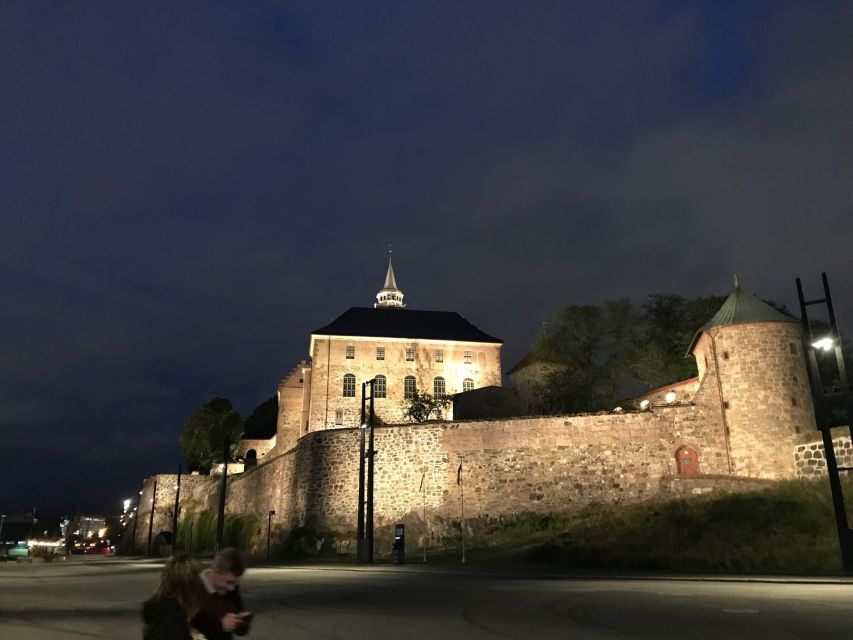
Akershus Fortress is the most substantial historic stop on the route. Its walls and defensive design show how seriously Oslo once had to think about protection. Instead of treating the fortress as a backdrop, the guide explains its engineering, its changing role, and the people who lived or suffered within its walls.
The fortress material is likely to appeal even if medieval warfare is not your main interest. You hear about the practical problem of defending a city, then move into stories of prisoners and the fates they faced. That contrast gives the site emotional weight. These are not only impressive walls. They also held people whose lives were shaped by law, punishment, and power.
You should expect outdoor walking around the fortress rather than an underground exploration. The tour specifically does not enter subterranean spaces, and it is not a ghost-hunting expedition. Stories of spirits and hidden kingdoms are used to explain cultural beliefs, while the route remains above ground and tied to real locations.
Akershus can be windy and cold. The fortress section may feel challenging in winter, especially when temperatures fall well below freezing. Still, several winter departures have been enjoyed in temperatures around minus 10 degrees Celsius, provided people dressed properly. I would bring a warm coat, hat, gloves, and shoes with a firm sole.
Same fjord country, a very different day out:
- Oslo: Scenic Fjord Cruise with Audio Guide Commentary
★ 4.5 · 5,375 reviews - Oslo Nature Walks: Island Hopping Tour
★ 4.8 · 2,713 reviews - Oslo: 100% Electric Oslofjord Sightseeing Cruise
★ 4.4 · 2,041 reviews - Oslo: Fjord Evening Cruise with Shrimp Buffet
★ 4.5 · 1,956 reviews
Bankplassen and Oslo’s audacious thefts
At Bankplassen, the subject turns toward crime. The guide tells stories of daring thefts and complicated robberies that once unsettled the city. This is a welcome change of pace after the mythology and fortress material.
The crime stories help explain how justice worked in earlier Oslo. You learn about the relationship between wrongdoing and punishment, and about the ways medieval society tried to maintain order. The emphasis is on the system and the people caught within it, rather than on crime as simple spectacle.
This part should suit you if you like the small, surprising facts that make a city memorable. A well-told theft story gives you a specific scene to remember, while the discussion of punishment adds context. It also keeps the tour from becoming too narrowly focused on Vikings and trolls.
The route may include other central landmarks, including Oslo Cathedral, but the precise flow can depend on the guide and starting time. The activity lasts two hours, so the walk aims for a broad, entertaining introduction rather than a detailed inspection of every building.
Oslo Cathedral and the value of a walking route
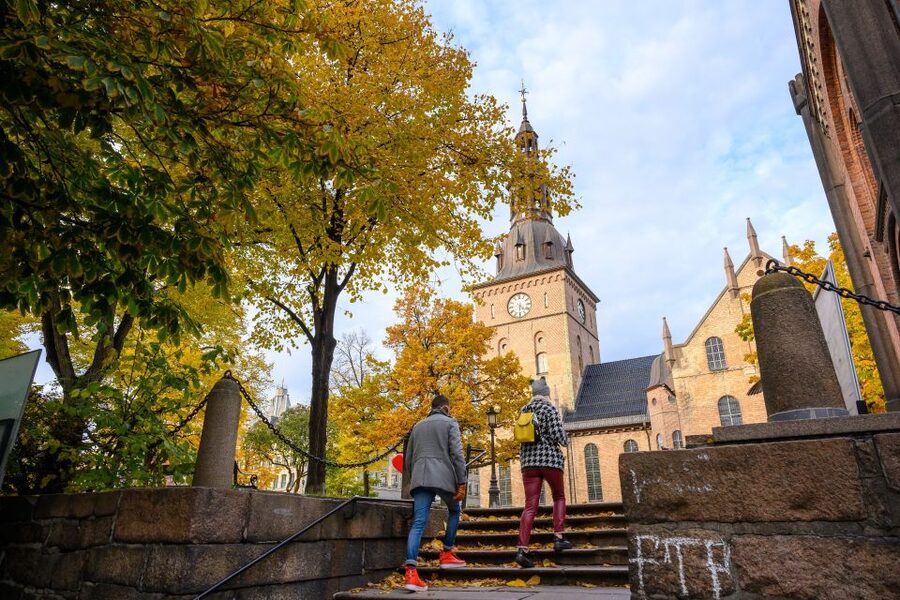
Oslo Cathedral adds another useful layer to the route. Religious buildings help show how beliefs changed and continued across time, from older Norse ideas to later Christian traditions. The cathedral also gives the guide another setting for discussing the city’s people, customs, and public life.
You should not expect a long interior visit or a specialist architectural lecture unless the guide’s presentation allows for it. The tour’s strength is the connection between locations. You move through the city while hearing why each place matters, instead of stopping for isolated facts.
The walking itself is manageable for people who are comfortable on their feet, and the pace is described as relaxed. Still, the activity is officially unsuitable for people with mobility impairments and wheelchair users. Uneven surfaces, weather, and the historic setting can make the route harder than the word relaxed suggests.
Comfortable shoes are the one item specifically required. I would treat that as a minimum, not a complete packing list. On summer evenings, normal walking shoes should be enough. From late autumn through winter, footwear with good grip and warm socks will make the experience much easier.
A guide-led introduction, not a full Oslo history course
The tour covers a broad span, from the origins of Norse beliefs through later episodes and, according to one winter experience, stories reaching into the Second World War. That range gives you useful context, but it also means the treatment of each subject is selective.
The guide is the main attraction. The best moments come from clear explanations, humor, and the ability to answer questions without losing the thread. Maria is often praised for being personable and helpful, and Anastasia for enthusiasm and vivid delivery. Other guides may lead the walk, but the English-language format is consistent.
I like the interactive approach. You can ask questions, share an anecdote, stop for a photograph, and still keep moving. That makes the tour feel less like a speech and more like a conversation, although the experience will naturally depend on the size and energy of your particular group.
Solo visitors can fit in easily because the route provides structure and conversation. Couples and adult families should also find it approachable. The official age limit is important: children under 13 are not considered suitable, even though older children and teenagers may enjoy the dramatic stories. A 13-year-old has been described as finding the tour especially engaging, which suggests that the lower age boundary is worth taking seriously.
Is $42 a fair price for two hours?
At $42 per person, the tour costs more than walking through central Oslo on your own, but you are paying for interpretation rather than access to a single attraction. The fee includes a live English-speaking guide and taxes. It does not include food, drinks, or hotel pickup and drop-off.
For a first visit, I consider the price reasonable if you want a guided orientation with a distinctive theme. You see several major central areas, learn how they connect, and receive suggestions for places to explore afterward. The value is strongest when you actively listen and ask questions.
The price is less appealing if you only want to photograph landmarks or if you prefer to read information at your own pace. You can visit much of the same central area independently. The tour earns its cost through storytelling, local context, and details you might otherwise walk past.
Free cancellation up to 24 hours before the start gives you useful flexibility, and you can reserve now and pay later. Check the available departure times when booking, since the exact start time is not fixed in the information provided.
Evening conditions and what to bring

The evening schedule changes the feel of the walk. In December, a departure from 4 to 6 p.m. can take place almost entirely in darkness. That can make the old streets and legends more atmospheric, but you need to dress for an outdoor activity rather than a casual dinner outing.
Winter feedback repeatedly points to wind as the main problem, not the walking distance. A warm coat alone may not be enough. Add gloves, a hat, and layers that protect your neck and ears. In cold weather, plan to arrive already dressed for standing outside while the group gathers.
Summer offers longer daylight and the possibility of a sunset. One October evening included a striking sunset, while other evening walks have been appreciated for seeing Oslo lit up. The same route can therefore feel quite different depending on the month.
Food and drinks are not included. Plan a meal before or after the walk rather than expecting refreshment stops during the two hours. Since the meeting point is near City Hall, you can organize the tour as part of an evening in central Oslo, but the activity itself is a walking and listening experience.
Who should book this Oslo walking tour?
I would book it for a first or second day in Oslo, especially if you want help getting your bearings without spending half a day in a museum. It is also a good pick for anyone drawn to folklore, Norse mythology, old crimes, and stories about how ordinary people understood danger and justice.
It suits solo visitors, couples, adult groups, and families with teenagers aged 13 or older. The relaxed pace and open question period make it friendly to people who want conversation rather than a fixed lecture.
I would skip it if you dislike cold-weather walking, need step-free access, or want a serious specialist tour devoted only to Viking archaeology. The mythology is central, but the walk also covers architecture, city history, crime, punishment, and local customs. Its appeal comes from that mix.
Should you book the Historic Myths and Legends Evening Walking Tour?
Book this tour if you want Oslo explained through stories instead of a simple list of sights. The strongest reasons are the City Hall friezes, the fortress tales, the unusual folklore, and guides such as Maria and Anastasia, who bring energy and humor to the route.
At $42, it offers solid value for a two-hour introduction, particularly on your first evening. Just dress for the forecast, wear proper shoes, and remember that this is a cultural history walk with legends, not a ghost hunt. If that sounds like your kind of evening, it is an easy recommendation.
FAQ
How long does the Oslo Historic Myths and Legends tour last?
The walking tour lasts two hours.
What is included in the tour price?
The price includes a live English-speaking guide and all taxes. Food, drinks, and hotel pickup and drop-off are not included.
Where does the tour meet?
Meet the guide near the Swans fountain at the entrance to Oslo City Hall on Fridtjof Nansen’s Square.
What language is the tour conducted in?
The tour is conducted in English with a live English-speaking guide.
Can I cancel the tour for a full refund?
Yes. You can cancel up to 24 hours in advance for a full refund.
Is the tour suitable for children and wheelchair users?
The activity is not suitable for children under 13, people with mobility impairments, or wheelchair users. Comfortable shoes are required.
More Walking Tours in Oslo
- Central Oslo Guided Walking Tour with Local Guide
★ 4.5 · 278 reviews - Oslo: Snowy Forest Torchlight Walk with Campfire
★ 4.6 · 254 reviews - Oslo: City Highlights Walking Tour
★ 4.8 · 197 reviews - Oslo: Grünerløkka Food & Culture Walking Tour
★ 4.5 · 161 reviews
More Historical Tours in Oslo
- Oslo: History, Art and Secrets Tour
★ 4.7 · 62 reviews - Oslo City Walks – Historic River Walk
★ 5.0 · 31 reviews - A Well Balanced History and Food Tour with Focus on the Scandinavian Kitchen
★ 4.5 · 29 reviews - Jewish Heritage Tour in Oslo
★ 5.0 · 16 reviews
Just added around Oslo
- 4 hours Best View of the Oslofjord Winter Edition★ 4.0 · 15 reviews
- Unknown war. Oslo and Norway during 1940-45★ 5.0 · 74 reviews
- Oslo Winter Highlights Bike Tour★ 5.0 · 36 reviews
- The Ultimate Norwegian Skiing Experience★ 5.0 · 16 reviews
- The Viking Planet Museum Ticket★ 4.0 · 197 reviews
- The Viking Planet Museum – Mini Group (4 adults)★ 4.0 · 16 reviews
- The Scenic Roadtrip, Oslo to Bergen via Flam & the Fjords★ 5.0 · 25 reviews
- Visit the Instaworthy Spots of Oslo’s Vigeland Park with a Local★ 5.0 · 4 reviews
Private Walking Tours, compared.

Past & Present Small Group Guided Walking Tour
Read our review →
Walking Tour in Bergen of the Past and Present
Read our review →

Group Walking Tour – City Highlights – 2 Hours
Read our review →
3h walking tour, small group max 10 people Copenhagen
Read our review →Browse the lists this tour appears in