
Reviewed · OSLO TOURS
Oslo Island Walks: Island Hopping Tour
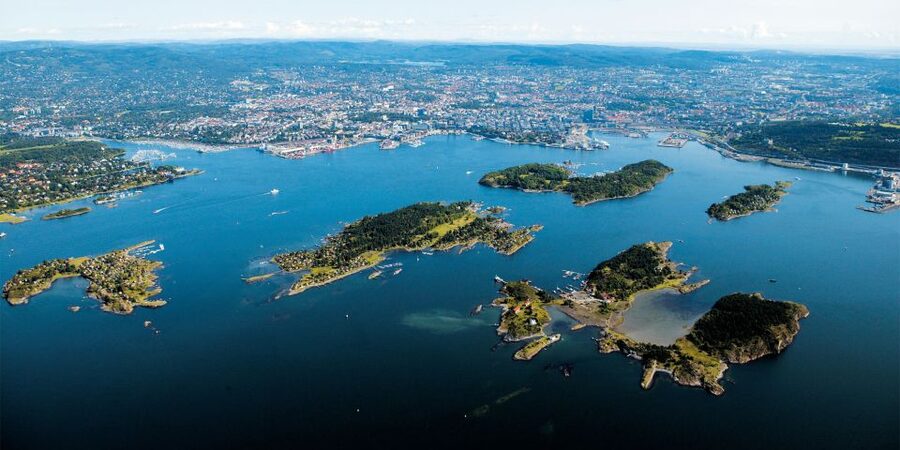
Oslo’s best city break may begin by leaving the city behind. This four-hour island-hopping walk uses ordinary public ferries to reach Hovedøya, Gressholmen, and Lindøya, where you trade traffic for rocky shores, forest paths, beaches, and summer cottages.
I like the mix of medieval ruins and coastal scenery, which gives the outing more substance than a simple boat ride. I also like the easy pace and friendly guiding style associated with Emran, Evan, Imran, Ole, and other Just Guide leaders. The main consideration is that you’ll walk on gravel, dirt, and stones, and the tour may feel more like a scenic introduction than a serious hike.
In This Review
- Key points to know before booking
- Why Oslo’s islands make such a good half-day outing
- Starting at Aker Brygge and crossing the fjord
- Hovedøya: monastery ruins and Napoleonic-era defenses
- Gressholmen: Oslo’s quieter side
- Lindøya: cabins, gardens, and a possible swim
- The ferry ride back to Oslo
- What the guides add to the experience
- Pace, fitness, and what to pack
- Is $59 a fair price?
- Who should book this island tour?
- Should you book Oslo Island Walks?
- FAQ
- How long does the Oslo Island Walks tour last?
- Where does the tour meet?
- What time should I arrive?
- Are ferry tickets included?
- Should I bring lunch?
- Is swimming possible during the tour?
Key points to know before booking
- Hovedøya combines a 12th-century abbey with beaches, birch woods, and old cannon fortifications.
- Gressholmen offers the quietest, most natural stop, with open fields, forest paths, and small inlets.
- Lindøya supplies the postcard charm, with wooden summer cottages, flower gardens, views, and possible swimming.
- The ferries are public transport, not a private sightseeing boat, so the tour feels local and practical.
- Your ticket remains useful for 20 hours after the tour, adding real value if you keep exploring Oslo.
- Bring lunch, water, a towel, and swimwear, since food is not provided and swimming may tempt you.
Why Oslo’s islands make such a good half-day outing
Oslo is easy to enjoy from its streets and museums, but the Oslofjord explains another side of the city. A short ferry ride takes you from the waterfront to islands where people walk, swim, picnic, garden, and spend summer weekends in small wooden cabins.
This tour works because it joins three different experiences in one morning. Hovedøya gives you history, Gressholmen gives you quiet open space, and Lindøya gives you a glimpse of Oslo’s cottage-island culture. You are not simply collecting ferry stops. You are seeing how the fjord functions as part of daily life.
The tour costs $59 per person and lasts about four hours. That is fair value if you want someone to handle the ferry timing, lead the walks, explain the places, and help you understand how Oslo’s public transport reaches the islands. The outing is less compelling if you are happy navigating ferries alone and already plan to buy a public transport pass.
That comparison matters. You can visit these islands independently, and the ferry ticket included with the tour can also be used on trams, buses, and trains in Zone 1 for 20 hours. You are paying mainly for the human element: local stories, a set route, and a guide who keeps the day moving.
Other Oslo days people book alongside this one:
- Oslo: Scenic Fjord Cruise with Audio Guide Commentary
★ 4.5 · 5,375 reviews - Oslo Nature Walks: Island Hopping Tour
★ 4.8 · 2,713 reviews - Oslo: 100% Electric Oslofjord Sightseeing Cruise
★ 4.4 · 2,041 reviews
Starting at Aker Brygge and crossing the fjord
Meet at the Aker Brygge tram stop beside the National Museum. Arrive 15 to 20 minutes early, around 10:15 for the stated 10:25 departure. Look for the guide holding a Just Guide sign and wearing a blue vest. The ferry departure is also listed as 10:30, so arriving early is wise.
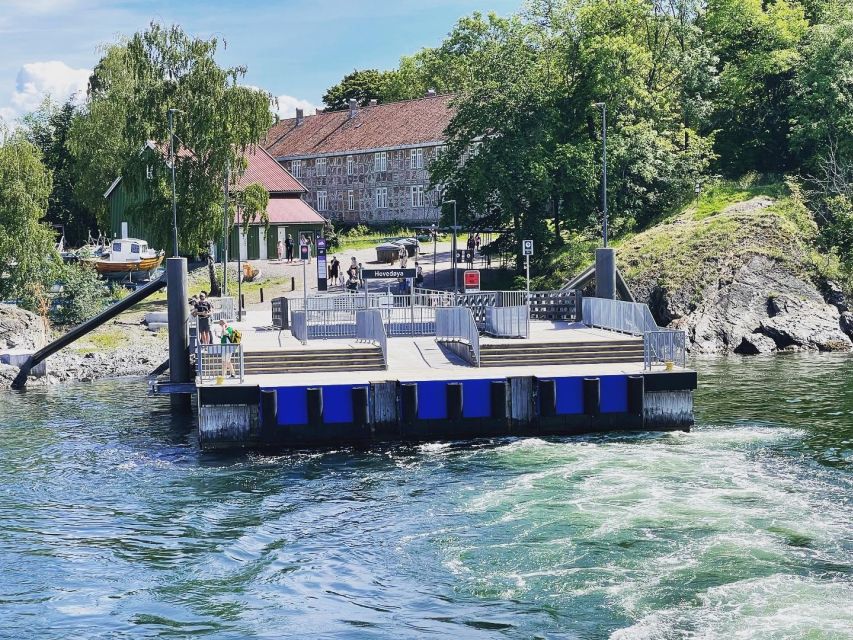
The first boat ride takes about five minutes. It is short, but it quickly changes your view of Oslo. The city waterfront opens behind you, and the fjord becomes the main feature rather than a strip of water between buildings.
This is public transportation, so do not expect a private cruise with reserved seating or onboard commentary. That is part of the appeal. You are using the same ferry system that connects Oslo residents with the islands, and the ride helps you understand the fjord as a living part of the city.
Hovedøya: monastery ruins and Napoleonic-era defenses
Hovedøya is the most historically important stop, and the tour allows about an hour here. The island’s central draw is the medieval abbey, founded nearly 1,000 years ago after English monks arrived to help Christianize Oslo following the Viking Age.
You walk among the remaining chambers and rooms, with the guide explaining how Norway moved from Norse traditions toward Christian Europe. The ruins are not presented as a grand, intact monument. Their appeal comes from the setting and the fragments: stone walls, open grass, and the sense of an institution that once held real power.
The historical explanation is useful because it gives the island a clear place in Norway’s story. Without context, the abbey could look like a pleasant pile of old stone. With a guide, you can picture the religious community, its buildings, and the changes that came with Christianity.
After the ruins, the route moves through pastures and birch forest. You then reach old fortifications and cannons linked to the Napoleonic Wars in the 1800s. This second historical layer makes Hovedøya more varied than a single abbey visit.
The coastal walking is one of the island’s pleasures. Expect rugged shorelines, viewpoints, and pauses near beaches. The route is described as gentle, but the ground is not paved throughout. Comfortable shoes matter, especially on stones and dirt paths.
One limitation is that the time on Hovedøya has to cover ruins, walking, scenery, and the ferry schedule. If you want a long, detailed study of the abbey or a full circuit of the island, this tour may feel brisk. It gives you a well-shaped introduction rather than unlimited time for independent wandering.
Gressholmen: Oslo’s quieter side
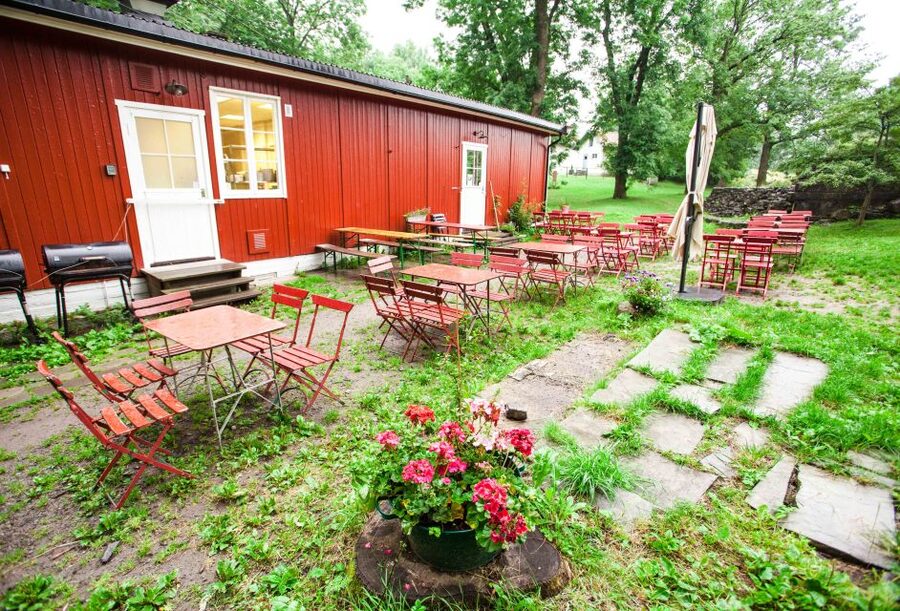
The next ferry takes about seven minutes, followed by roughly 35 minutes on Gressholmen. This is the shortest walking stop, and its appeal is not a major monument. Gressholmen is about open fields, woodland paths, quiet inlets, and the fresh air of the fjord.
The guide leads you along easy trails and points out the island’s more peaceful corners. Compared with Hovedøya, the mood changes. You leave the abbey and fortifications behind and get a simpler nature walk.
I would think of this stop as a reset between the two stronger contrasts. Gressholmen gives you room to notice the wind, water, trees, and empty stretches of ground. It is a good fit if you want a break from museums and city streets.
The tradeoff is clear. Thirty-five minutes is enough for a taste, not a long walk. If your main goal is hiking, birdwatching, or finding a secluded cove for a long stay, you may wish the schedule allowed more time here. The guide must keep the group together and catch the next ferry.
Same fjord country, a very different day out:
- Oslo: Fjord Evening Cruise with Shrimp Buffet
★ 4.5 · 1,956 reviews - Oslo: 3-Hour Highlights Bike Tour
★ 4.8 · 1,609 reviews - Oslo: 24 or 48-Hour Hop-On Hop-Off Sightseeing Bus Ticket
★ 4.1 · 1,470 reviews - Oslo: Guided Sightseeing Fjord Cruise on Premium Silent Boat
★ 4.7 · 1,390 reviews
Lindøya: cabins, gardens, and a possible swim
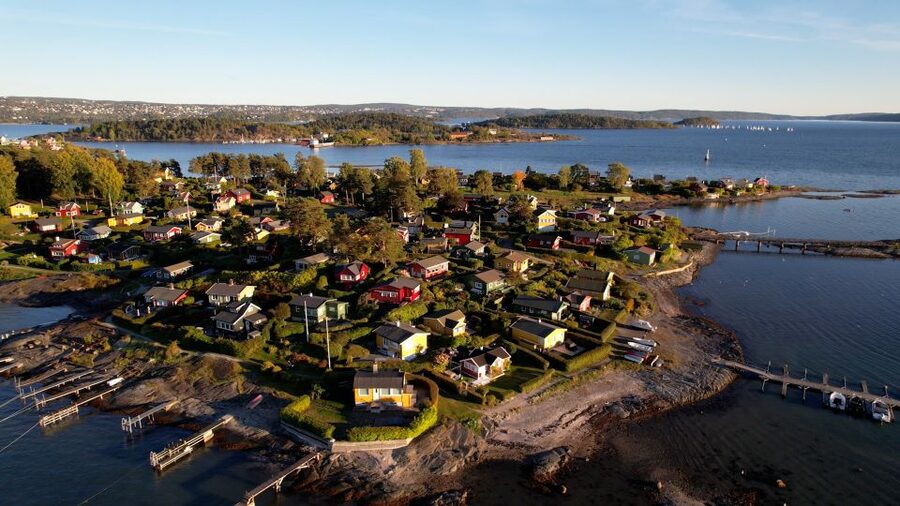
After about 15 minutes on the ferry, you reach Lindøya for the longest walking period, around one hour. This is the most charming stop for many people because it shows the Oslofjord as a place of summer leisure.
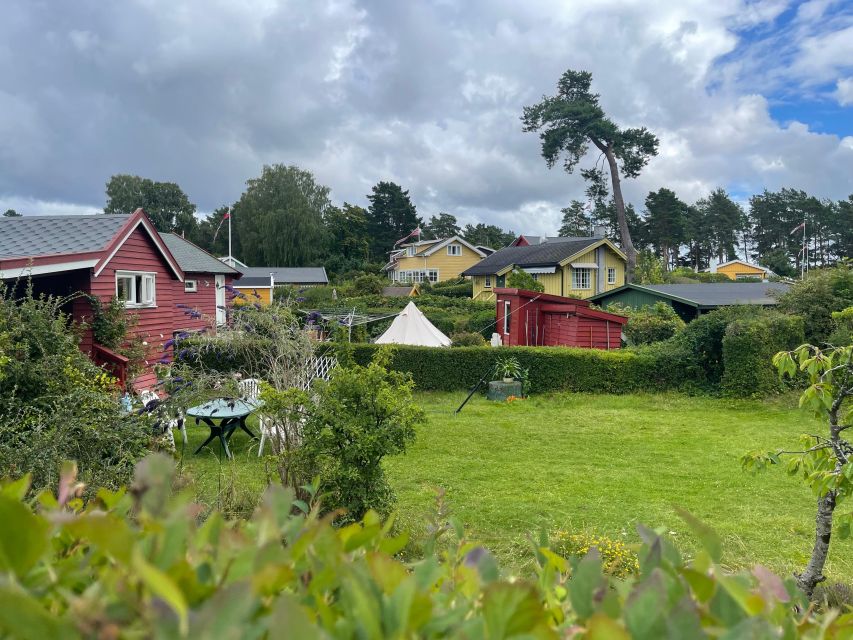
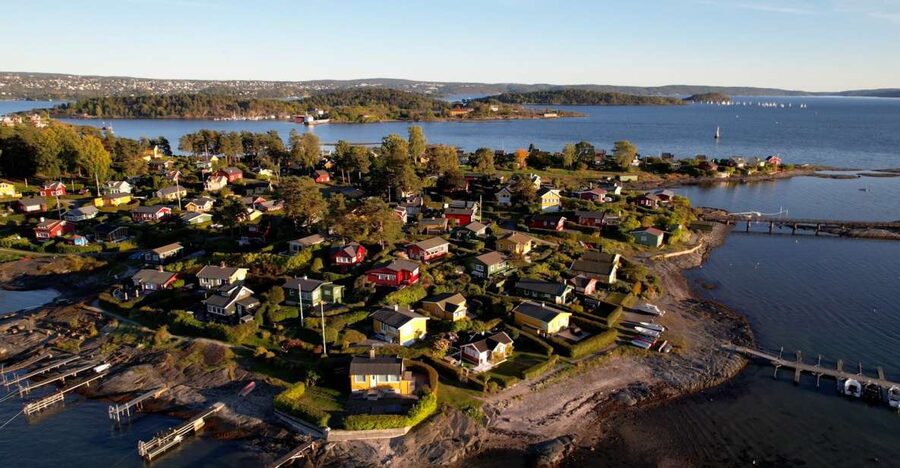
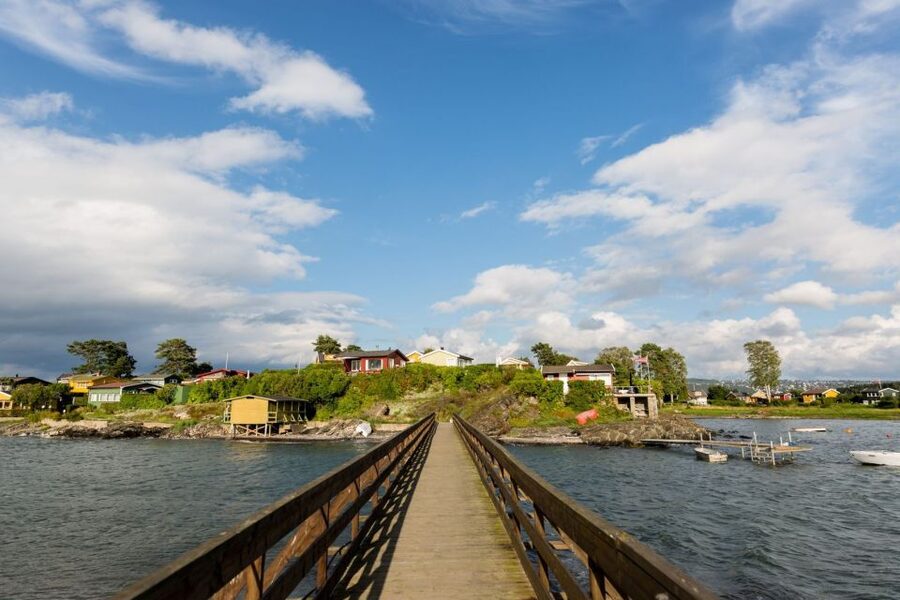
Traditional wooden cottages sit among flower-filled gardens, creating a sharp contrast with the rocky coast and open water. These are not grand holiday estates. The small cabins and tidy gardens offer a look at a more modest, deeply rooted Norwegian summer tradition.
The guide takes you around the island and to scenic lookout points. You can pause for photographs, enjoy views across the water and hills, and choose a picnic place. Several people appreciated the relaxed pacing here, while one person would have preferred more continuous walking and less time standing at individual spots. That is useful to know: the experience is a guided walk with pauses, not a fast hike.
Swimming is possible on the third island, so pack swimwear and a towel if the weather looks suitable. The tour does not promise a formal swimming stop or provide changing facilities, but the chance to cool off adds flexibility to the day.
Bring your own lunch. You can eat whenever you like, and there may be a local shop for snacks or ice cream. Still, you should not depend on finding a full meal. A backpack with food, water, swimwear, and a towel is the practical setup.
The ferry ride back to Oslo
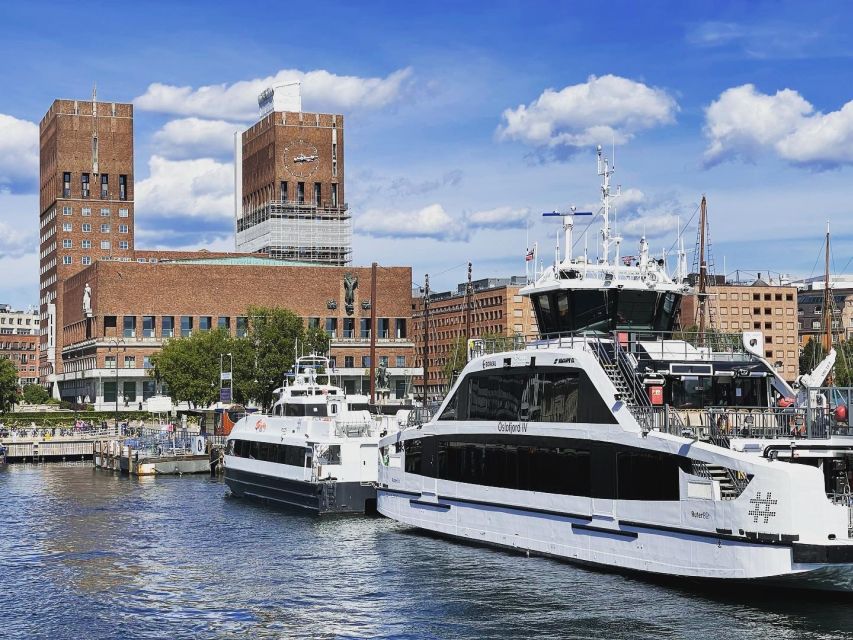
The final ferry takes about 14 minutes and returns you to the city center. This is a pleasant way to finish because the city comes back into view from the water.
You can look toward Akershus Fortress, Oslo City Hall, and the Aker Brygge waterfront as you arrive. The return crossing also helps tie the outing together. You have seen the fjord from the city, then experienced its islands, and now come back with a clearer sense of how close the natural areas are to central Oslo.
The ferry rides are not filler between walking stops. They provide changing views, a chance to rest, and a useful look at local transport. The boats are described as smooth and modern, but remember that this remains a regular public ferry service. Conditions, seating, and crowding can vary.
What the guides add to the experience
The strongest part of the tour is the guiding. Emran is often singled out for friendly stories and useful Oslo advice, while Evan, Imran, Ole, Ola, Em, and Roy are among the guides associated with the experience. The exact guide depends on the date.
The style appears personal rather than formal. Guides answer questions, talk with people in the group, share local anecdotes, and sometimes point out favorite spots. One guide has lived in Norway for more than 20 years, which allows the conversation to stretch beyond the islands into Oslo life and getting around the city.
The history is delivered in manageable portions. You get enough explanation to understand the abbey, the transition to Christianity, and the military remains without spending the entire walk in a lecture. Several people particularly liked the balance between information and free time.
That said, the depth can depend on the guide and on what interests the group. If you want a specialist lecture on medieval architecture, detailed cottage ownership, or bird migration, ask questions early. One useful suggestion is to request more detail about the abbey, individual houses, or wildlife if those subjects matter to you.
Pace, fitness, and what to pack
This is not a strenuous mountain hike, but it is not a fully paved sightseeing tour either. You will walk on gravel, dirt paths, and stones across three islands. Good walking shoes are more important than speed or athletic ability.
The tour is not suitable for children under nine, people with mobility impairments, or wheelchair users. The uneven ground and ferry access make that restriction practical rather than surprising.
Pack:
- Comfortable trail or walking shoes
- Water
- Weather-appropriate clothing
- A backpack
- Your lunch and snacks
- Swimwear and a towel if you might swim
Check the weather before leaving. Oslo’s fjord can feel wonderful in sunshine and exposed in poor weather. There is no need to overpack, but a light extra layer and rain protection can make the difference between a pleasant outing and a damp one.
The four-hour length is well suited to a morning or early afternoon. You still have time afterward for Oslo museums, the waterfront, or another city sight. If you want to spend a full day on one island, book independent ferry travel instead.
Is $59 a fair price?
The price is reasonable for a guided introduction, especially if you value history and do not want to manage ferry connections yourself. The included public transport ticket can be used for 20 hours after the tour, and that makes the package more useful than a ticket valid only during the outing.
The value drops if you already own a valid transport pass and feel confident planning the same route independently. The islands are accessible by public ferry, and independent visitors can choose their own length of stay. One practical advantage of going alone is the freedom to return to a favorite beach or extend time on Hovedøya.
You are paying for structure, interpretation, and company. The guides help you catch the right ferries, set a comfortable pace, and connect scattered sights into a story. For a first visit to Oslo, that convenience is worth more than the simple cost of the boat rides.
Free cancellation is available up to 24 hours before departure, and you can reserve now and pay later. Those terms help if your Oslo plans depend on weather or a changing itinerary.
Who should book this island tour?
I would recommend it to first-time Oslo visitors who want to see beyond the central streets. It suits people who enjoy gentle walking, ferry rides, coastal views, local history, and a picnic outdoors.
It also works well for photographers and anyone who wants a calmer half-day. Hovedøya supplies stone ruins and shore views, Gressholmen supplies quiet nature, and Lindøya supplies colorful cottages and gardens.
You may want another option if you use a wheelchair, have limited mobility, are traveling with a child under nine, or want a demanding hike. Independent visitors who prefer total freedom can also follow the ferry route alone, especially with a valid public transport pass.
Should you book Oslo Island Walks?
Book it if you want an easy, well-organized way to experience the Oslofjord and you appreciate a guide who can connect ruins, cottages, ferries, and city history. The combination of three distinct islands, a useful transport ticket, and a relaxed pace gives the $59 price solid value.
Skip it if you want long hikes, extensive time at the abbey, or a private boat experience. For most visitors with four hours to spare, this is a smart way to add fresh air and a wider view of Oslo to a city visit.
FAQ
How long does the Oslo Island Walks tour last?
The tour lasts four hours, including ferry rides and guided walks on Hovedøya, Gressholmen, and Lindøya.
Where does the tour meet?
Meet at the Aker Brygge tram stop next to the National Museum. The guide has a Just Guide sign and wears a blue vest.
What time should I arrive?
The stated meeting time is 10:15 AM. Arrive 15 to 20 minutes early. The ferry departure is listed around 10:25 to 10:30 AM.
Are ferry tickets included?
Yes. The tour includes a public transportation ticket that can also be used for 20 hours after the tour.
Should I bring lunch?
Yes. Bring your own lunch, water, and snacks. You may also find a local shop selling snacks or ice cream on the islands.
Is swimming possible during the tour?
Swimming is possible on Lindøya, the third island. Bring swimwear and a towel if you would like to swim and the weather is suitable.
Just added around Oslo
- 4 hours Best View of the Oslofjord Winter Edition★ 4.0 · 15 reviews
- Unknown war. Oslo and Norway during 1940-45★ 5.0 · 74 reviews
- Oslo Winter Highlights Bike Tour★ 5.0 · 36 reviews
- The Viking Planet Museum Ticket★ 4.0 · 197 reviews
- The Viking Planet Museum – Mini Group (4 adults)★ 4.0 · 16 reviews
- The Ultimate Norwegian Skiing Experience★ 5.0 · 16 reviews
- The Scenic Roadtrip, Oslo to Bergen via Flam & the Fjords★ 5.0 · 25 reviews
- Visit the Instaworthy Spots of Oslo’s Vigeland Park with a Local★ 5.0 · 4 reviews
Oslo Tours, compared.
Scenic Fjord Cruise with Audio Guide Commentary
Read our review →

24 or 48-Hour Hop-On Hop-Off Sightseeing Bus Ticket
Read our review →
Guided Sightseeing Fjord Cruise on Premium Silent Boat
Read our review →
Browse the lists this tour appears in