
Reviewed · OSLO TOURS
Oslo Nature Walks: Island hopping
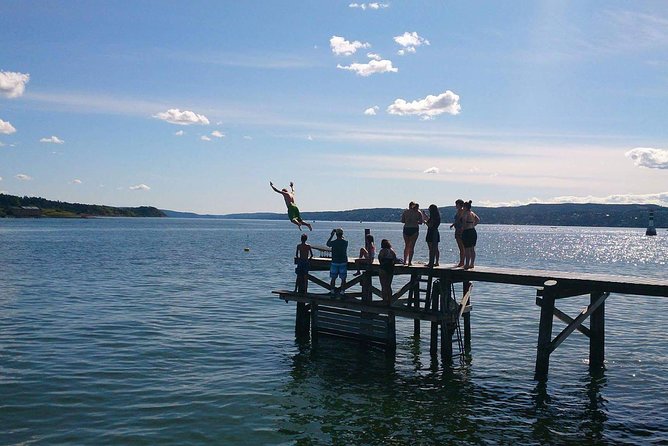
Oslo’s best escape may be only a short ferry ride from the city center. This island-hopping walk takes you to Hovedøya and a second island known for small cabins, giving you monastery ruins, woods, shoreline paths, and fresh views back toward Oslo.
I like the small groups of no more than 15 and the mix of ferry travel with easygoing walks. I also like the guides’ personal touch: Giovanni has brought cookies and hot water for tea or coffee on cold days, while Patrick, Shaf, Christian, and others are praised for making local history and daily life easy to follow. The main catch is simple: this is mostly a walking tour, not a long boat cruise, and a few people find the pace or price less appealing than exploring independently.
In This Review
- Key points to know before you book
- Why Oslo’s islands make a fine half-day outing
- Hovedøya: monastery ruins, woods, and a sense of the past
- The cabin island: a closer look at Oslo’s outdoor life
- What the guides add to a simple ferry-and-walk
- Ferry time, group size, and the rhythm of the tour
- Weather, footwear, and the practical details
- Is $71.26 a fair price?
- Who should book the island walk?
- Should you book it?
- FAQ
- Where does the tour start?
- Where does the tour end?
- How long does the experience last?
- Which islands are visited?
- What is included in the price?
- Is lunch included?
- Is the tour suitable for children?
- How many people can join?
- What happens if bad weather cancels the tour?
Key points to know before you book
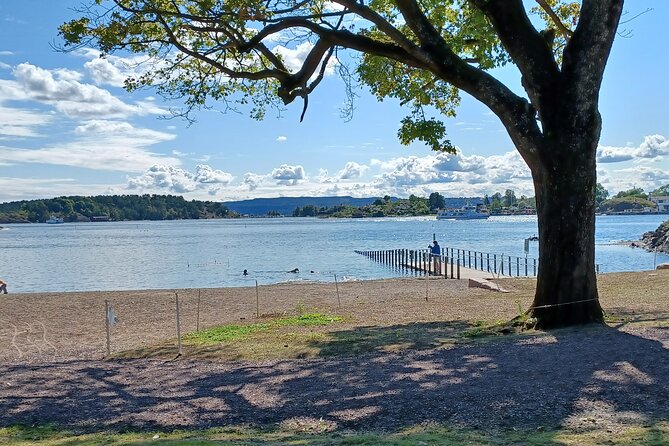
- Two islands, two different moods: Hovedøya brings monastery ruins and nature, while the cabin island offers a look at Oslo’s relaxed island life.
- Only about seven minutes between islands: The ferries connect the walking sections, but this is not mainly a sightseeing boat ride.
- A guide adds the local layer: Expect stories about Oslo culture, island history, plants, cabin life, and the Norwegian relationship with nature.
- Winter is possible, but dress properly: Walks can take place in cold weather, and paths may be harder underfoot.
- Bring lunch from April through September: A picnic stop is included, but food is not.
- The value depends on your style: At $71.26, you pay for guiding, ferry tickets, route planning, and company rather than transport alone.
Why Oslo’s islands make a fine half-day outing
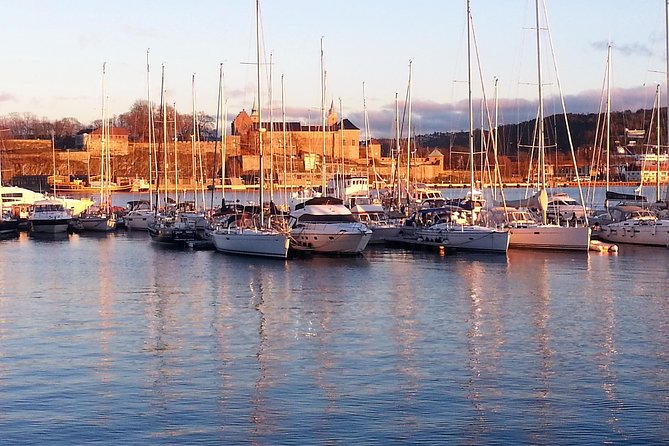
Oslo is unusually easy to leave behind. From the meeting point at Rådhusbrygge 4, you board a public ferry and soon trade streets and traffic for trees, rocks, water, and open views toward the city.
That change is the real reason to book this tour. You do not need to spend a full day arranging ferry routes, checking island stops, or working out how much time to allow on each shore. The guide handles the ferry ticket and leads the walks, while you get to watch Oslo recede across the fjord.
The experience lasts about three and a half hours. That is enough time to see two islands without turning the outing into a tiring full-day hike. The pace is generally moderate, which suits anyone who wants time for photos and conversation. If you prefer to walk quickly and cover a lot of ground, you may find it a little slow.
The 97 percent recommendation rate and 4.9 rating point to a consistently strong experience, but the details explain why. The best part is not a single grand sight. It is the combination of ferry rides, quiet paths, local stories, and a glimpse of how Oslo residents use their waterfront.
Other Oslo days people book alongside this one:
- Oslo: Scenic Fjord Cruise with Audio Guide Commentary
★ 4.5 · 5,375 reviews - Oslo Nature Walks: Island Hopping Tour
★ 4.8 · 2,713 reviews - Oslo: 100% Electric Oslofjord Sightseeing Cruise
★ 4.4 · 2,041 reviews
Hovedøya: monastery ruins, woods, and a sense of the past
Hovedøya is the first major stop and the more history-focused part of the route. You spend about an hour here, visiting the remains of an ancient monastery and walking through a protected natural area.
The ruins give the island a clear purpose beyond pleasant scenery. You can look at old stonework, hear about the island’s place in Oslo’s past, and then continue through nature rather than moving from one formal attraction to another. The setting makes the history feel tied to the land.
The route is not just a straight walk to the monastery and back. Guides lead along their own paths, chosen around ferry schedules and points of interest. Since the islands have limited signs, much of what you learn comes through the guide’s explanation.
That matters if you want context. You might see old ruins on your own, but you would not necessarily know how they connect to Oslo or why the island matters. Guides have also pointed out plants and natural features, adding a little more to the walk than dates and buildings.
Expect some uneven ground and, in places, climbing. One account describes the first island as involving quite a bit of uphill walking. That does not make Hovedøya a hard expedition, but you should be comfortable walking without assistance on small island paths.
The island also gives you some of the best city views. Oslo appears across the water in a way it cannot from a downtown pavement. Bring your camera, but do not spend every minute looking through it. The ferry crossings and shore paths are the parts that make the views special.
The cabin island: a closer look at Oslo’s outdoor life
After Hovedøya, the ferry ride to the second island takes roughly seven minutes. The short crossing is useful to know about because the tour is not designed for people seeking a long cruise around the fjord.
The second stop lasts about an hour and a half. It focuses on cabin life, local customs, and the way people use the islands as a break from city routines. Small houses and quiet paths replace the monastery ruins, so the two stops feel distinct rather than repetitive.
This is where the tour offers its most personal view of Norway. Instead of showing only major sights, the guide explains everyday traditions and the relationship between Oslo residents and the outdoors. You may hear about how the islands function, what makes cabin life appealing, and how the area fits into the city’s wider culture.
The exact second island can vary. The planned stop is described as a cabin island in the Oslo Fjord, and several accounts mention Lindøya. In winter, the route may include only two islands, while some warmer-weather outings have included Hovedøya and Lindøya. The guide’s route is shaped by conditions and ferry timing, so you should not expect an identical path every time.
The picnic stop is another practical plus. From April through September, you should bring your own lunch. You may eat beside the fjord or at another pleasant point along the walk, but lunch is not included in the price.
In colder months, the small comforts can make a real difference. Giovanni has provided cookies and hot water for coffee or tea, and another outing with Jon and Alysia included warm drinks and biscuits. These extras are not listed as guaranteed inclusions, so treat them as a welcome possibility rather than something to count on.
What the guides add to a simple ferry-and-walk
At first glance, you might wonder if you can simply buy a public ferry ticket and walk the islands alone. You can. One person specifically felt the independent option offered better value, arguing that the guide mainly organized tickets and walked with the group.
That is a fair concern at $71.26. The ferry itself is only one part of the cost, and the islands are not packed with major attractions. If you have researched Oslo already, enjoy finding your own route, and do not need much explanation, the tour may not be the best use of your money.
The guide is most useful when you want the islands interpreted. There are few signs, and much of the route is not marked by a park service. The guides choose their own paths and connect the ruins, cabins, plants, views, and local customs into one outing.
Different guides bring different styles. Giovanni is described as enthusiastic and warm. Patrick is noted for his friendly manner and personal insight into life in Norway. Shaf focuses on the islands and their links to central Oslo, while Christian mixes history, plants, and humor. Cath is praised for answering questions and keeping the group involved.
You may also get two guides on one outing, with one taking the Hovedøya section and another leading the Lindøya walk. That can give you more than one local viewpoint, though staffing and route details can change.
The strongest guides do not fill every second with facts. One description highlights a guide who let the group enjoy the scenery and kept the mood relaxed. That is important here. The islands reward pauses, quiet, and unhurried views. A guide who knows when to talk and when to let you look is a good fit for this setting.
Same fjord country, a very different day out:
- Oslo: Fjord Evening Cruise with Shrimp Buffet
★ 4.5 · 1,956 reviews - Oslo: 3-Hour Highlights Bike Tour
★ 4.8 · 1,609 reviews - Oslo: 24 or 48-Hour Hop-On Hop-Off Sightseeing Bus Ticket
★ 4.1 · 1,470 reviews - Oslo: Guided Sightseeing Fjord Cruise on Premium Silent Boat
★ 4.7 · 1,390 reviews
Ferry time, group size, and the rhythm of the tour
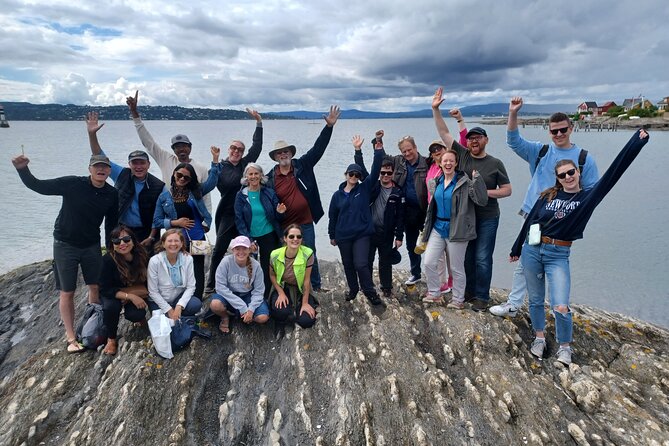
The public ferry is included, which removes one small but annoying task from your morning. You meet at Rådhusbrygge 4, near public transportation, and finish back at the same meeting point.
The ferry rides are short, but they help break up the walking. You get a seat, a change of view, and a chance to see the fjord from water level. Several accounts praise the smooth ride, though the boat time remains a small part of the total experience.
With a maximum of 15 people, the group is small enough for questions without feeling like a large shore excursion. The guide can usually keep the group together on narrow paths and adjust the explanation to the people present.
The 3.5-hour length works well if you have a free morning or afternoon in Oslo. It is long enough to feel like a proper outing, but short enough to fit around other city plans. If your Oslo visit is very brief, you should compare it with the city’s major museums and central sights first. One assessment put it plainly: if time is limited, other activities may deserve priority.
Weather, footwear, and the practical details

This activity depends on good weather. If conditions force a cancellation, you are offered another date or a full refund. You can also cancel for a full refund up to 24 hours before the start time, but changes or cancellations inside that window are not accepted.
Wear shoes suited to walking on small island paths. The tour is not recommended for children under 10, and you need to be able to walk comfortably. Winter conditions can make the ground more difficult, so warm layers and sensible footwear are essential.
The cold-weather accounts are encouraging, but they also make the lesson clear. One participant went from Australian summer temperatures to minus 8 Celsius and still enjoyed the outing, while another praised the guide for helping the group stay comfortable. That does not mean you should arrive underdressed. Oslo’s fjord weather can make a mild day feel much colder beside the water.
Bring water and, from April through September, lunch. A picnic break is included, but the meal is not. You should also leave room in your plan for the ferry schedule and avoid booking another fixed activity immediately afterward.
The tour is offered in English and uses a mobile ticket. Most people can take part, but the walking requirement matters more than any formal sightseeing skill. This is an outdoor activity, not a flat city stroll.
Is $71.26 a fair price?

The price is reasonable if you value a guide and want the route arranged for you. You receive a three-and-a-half-hour guided outing, ferry tickets, local context, and a small group. You are also paying for route planning that fits the boats and for access to stories that are not easy to find on the islands themselves.
The price is less convincing if your main goal is simply to ride a ferry and take a walk. Public transport gives you the basic island connection, and independent walkers can explore without paying a guiding fee. You might even use a 24-hour ferry ticket to add another island on your own afterward, as one participant did with Gressholmen.
I would see this as a good-value introduction rather than a bargain attraction. The value rises if you have limited knowledge of Oslo, want to ask questions, or prefer not to manage ferry logistics. It falls if you have already studied the islands, want a fast walk, or hope for an extended cruise.
Who should book the island walk?
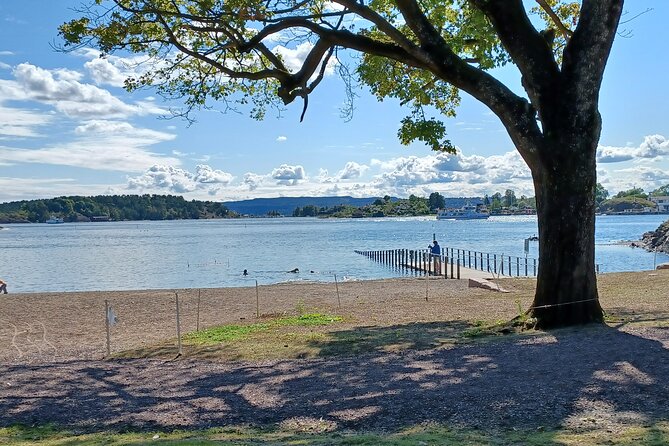
I would recommend it to adults, older children, couples, solo visitors, and small groups who want fresh air with some cultural background. It is especially useful early in an Oslo visit because it gives you a quick sense of the city’s setting and Norwegian outdoor habits.
It also works well for anyone who has seen enough downtown streets for one day. You remain close to Oslo, but the mood changes quickly once you reach the islands.
I would hesitate if you dislike uneven paths, cold weather, moderate walking, or planned group outings. I would also think twice if your schedule allows only one Oslo activity. The islands are beautiful, but they do not replace the city’s major museums and central sights for a first-time visitor with very little time.
Should you book it?
Book this tour if you want a guided outdoor break with ferry rides, monastery ruins, cabin culture, and broad Oslo views. The guides are the main reason to choose it, especially if you enjoy local stories more than a checklist of sights.
Skip it and explore independently if you are confident with public ferries, prefer setting your own pace, and mainly want scenery. For everyone else, $71.26 buys a well-shaped half-day and an easy way to see a side of Oslo that many city visitors miss.
FAQ
Where does the tour start?
The tour starts at Rådhusbrygge 4, 0160 Oslo, Norway.
Where does the tour end?
The activity ends back at the meeting point.
How long does the experience last?
It lasts approximately 3 hours and 30 minutes.
Which islands are visited?
The route includes Hovedøya and a cabin island in the Oslo Fjord. Several route descriptions identify the second island as Lindøya, and the exact route can vary with conditions and ferry schedules.
What is included in the price?
The price includes a guided tour and tickets for the public ferries.
Is lunch included?
No. From April through September, a picnic stop is included, but you must bring your own lunch.
Is the tour suitable for children?
It is not recommended for children under 10 years of age.
How many people can join?
The maximum group size is 15 people.
What happens if bad weather cancels the tour?
You will be offered a different date or a full refund if the experience is canceled because of poor weather.
Just added around Oslo
- 4 hours Best View of the Oslofjord Winter Edition★ 4.0 · 15 reviews
- Oslo Winter Highlights Bike Tour★ 5.0 · 36 reviews
- Unknown war. Oslo and Norway during 1940-45★ 5.0 · 74 reviews
- The Ultimate Norwegian Skiing Experience★ 5.0 · 16 reviews
- The Viking Planet Museum Ticket★ 4.0 · 197 reviews
- The Viking Planet Museum – Mini Group (4 adults)★ 4.0 · 16 reviews
- The Scenic Roadtrip, Oslo to Bergen via Flam & the Fjords★ 5.0 · 25 reviews
- Visit the Instaworthy Spots of Oslo’s Vigeland Park with a Local★ 5.0 · 4 reviews
Oslo Tours, compared.
Scenic Fjord Cruise with Audio Guide Commentary
Read our review →
24 or 48-Hour Hop-On Hop-Off Sightseeing Bus Ticket
Read our review →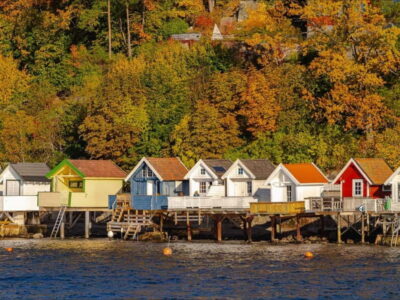
Guided Sightseeing Fjord Cruise on Premium Silent Boat
Read our review →
Browse the lists this tour appears in