
Reviewed · FOOD & DRINK TOURS
Oslo: Norwegian Food Tour & Hidden Gems City Walk
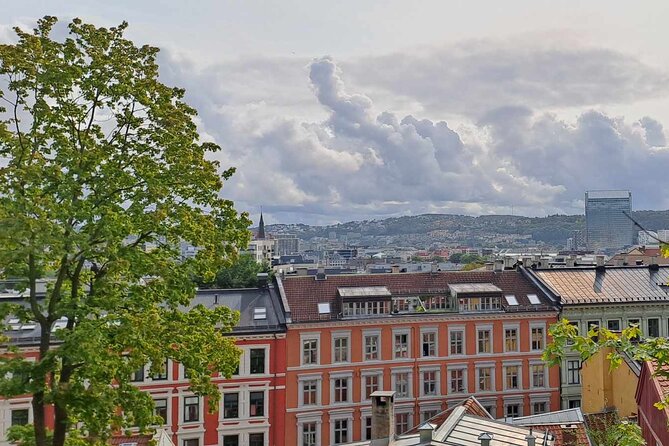
Oslo’s best surprise on this tour is the shift from city-center landmarks to quiet streets, river paths, old bridges, and colorful wooden houses in Grünerløkka. You begin near the Tiger sculpture, then eat your way through the city while a local guide connects the food to Norwegian customs and everyday life.
I like the small group limit of 10, which makes it easy to ask questions and keep the walk conversational. I also like the food pacing: creamy fish soup first, a farm-to-table main course later, and a warm waffle with brown cheese at the end. The main caution is simple: this is a walking tour with hills, not a sit-down food crawl, and drinks are not included.
In This Review
- Key points to know before you book
- Starting beside Oslo’s Tiger sculpture
- Youngstorget and the first bowl of fish soup
- Grünerløkka, river paths, and short steep climbs
- Birkelunden and the farm-to-table main course
- Waffles, brown cheese, and a warm finish
- How much food will you actually eat?
- Is $172.63 a fair price?
- Who will enjoy this Oslo walk?
- What to bring and how to plan the afternoon
- Should you book the Norwegian Food Tour and Hidden Gems City Walk?
- FAQ
- Where does the Oslo food tour start?
- How long is the experience?
- What food is included?
- Are drinks included?
- Is the tour physically demanding?
- What happens if the weather is poor?
Key points to know before you book
- Three Norwegian food stops: Expect creamy fish soup, a local farm-to-table meal, and waffles with brown cheese.
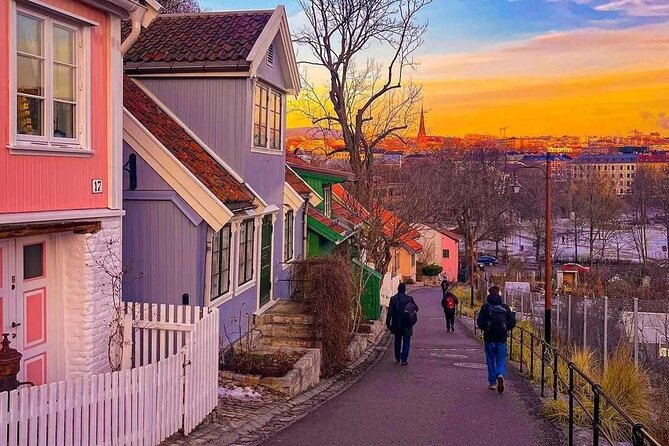
- A quieter side of Oslo: The route explores Grünerløkka, parks, viewpoints, street art, wooden houses, bridges, a river, and waterfalls.
- Small groups capped at 10: Guides such as Idunn, Annie, Anni, Eden, and Margarita can keep the experience personal and flexible.
- About 3 km of walking: Most of the route is flat, but short steep sections require decent fitness and comfortable shoes.
- Tram fare is covered: Public transportation is included for the ride back toward central Oslo.
- Budget for drinks: Beverages are not included, so plan to pay separately if you want something beyond water.
Starting beside Oslo’s Tiger sculpture
The tour begins at 12 noon beside the Tiger sculpture at Jernbanetorget, an easy meeting point near Oslo Central Station. This is useful if you are arriving by train, staying near the center, or want to fit the tour into a first afternoon in town.
The opening walk takes about 10 minutes. Your guide introduces the group and leads you toward Youngstorget, giving you a chance to get oriented before the first meal.
The Tiger is more than a convenient landmark. It is one of Oslo’s familiar public symbols, and the meeting point gives the guide an opportunity to place the modern city around you. Still, do not expect a long formal introduction here. The emphasis is on getting moving and reaching the first restaurant.
Small groups make a real difference at this point. With as many as 10 people, you can hear the guide without fighting for space, and you can ask about Norwegian customs, food, or the streets you are passing.
Several guides have received strong praise for their warmth and storytelling. Idunn is described as funny and approachable, while Annie and Anni are noted for making history easy to discuss. Margarita has also been praised for combining local facts with useful explanations of Norwegian culture.
Guide quality can vary from one departure to another, as it does with any walking tour. The format gives a good guide plenty of room to respond to your questions rather than deliver a memorized speech.
More food & drink tours in Oslo:
- Norwegian Food Tour & Hidden Gems of Oslo
★ 4.9 · 60 reviews - A Well Balanced History and Food Tour with Focus on the Scandinavian Kitchen
★ 4.5 · 29 reviews - The Copenhagen Culinary Experience Food Tour
★ 5.0 · 959 reviews
Youngstorget and the first bowl of fish soup
At Youngstorget, you stop at a local seafood restaurant known for its award-winning creamy fish soup. The stop lasts about 30 minutes, so it is a proper tasting rather than a quick sample eaten while standing.
This is a smart first course. Fish is central to Norwegian food culture, and a warm soup gives you a clear introduction without asking you to tackle an unfamiliar cured or fermented specialty right away. The soup has been a favorite part of the experience, and it also works well in cold weather.
If you cannot eat fish soup, alternatives are available. You should still provide information about allergies or dietary needs when booking, since menu details can change with the season and holidays.
The food stop is also a useful test of the tour’s balance. If you want three full restaurant meals, this will probably feel light. The experience is designed around tasting several foods while walking between neighborhoods, so portions are spread across the afternoon.
One practical issue deserves attention: the first restaurant has occasionally been affected by renovation or reopening delays. That can change the order of the route or remove this stop temporarily. The operator has acknowledged that this caused disappointment on one winter departure. If the fish soup is important to you, it is sensible to confirm the current food plan close to your tour date.
Grünerløkka, river paths, and short steep climbs
After Youngstorget, the tour turns toward Grünerløkka. This is the longest walking section, about an hour, and it is where the experience earns its title.
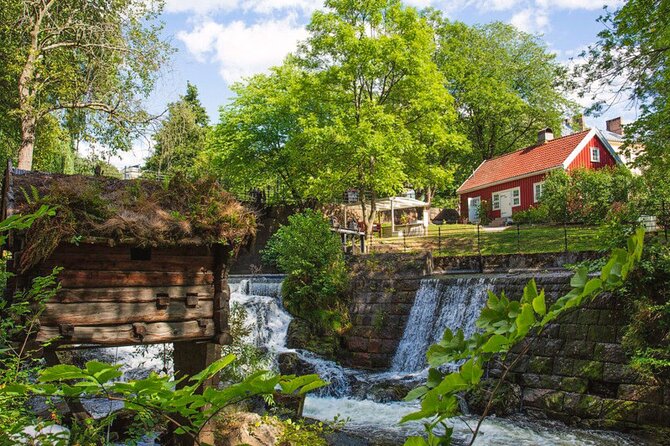
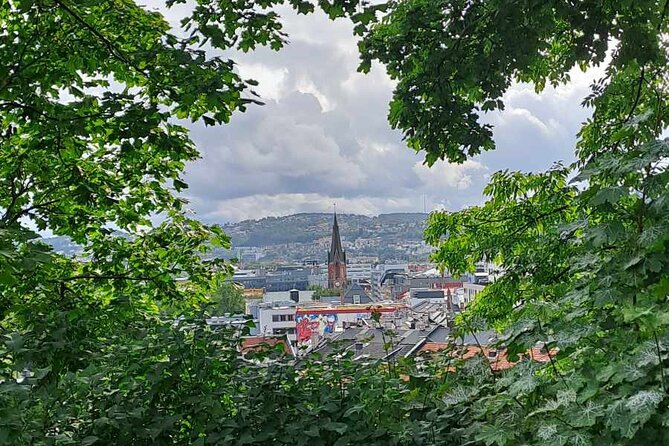
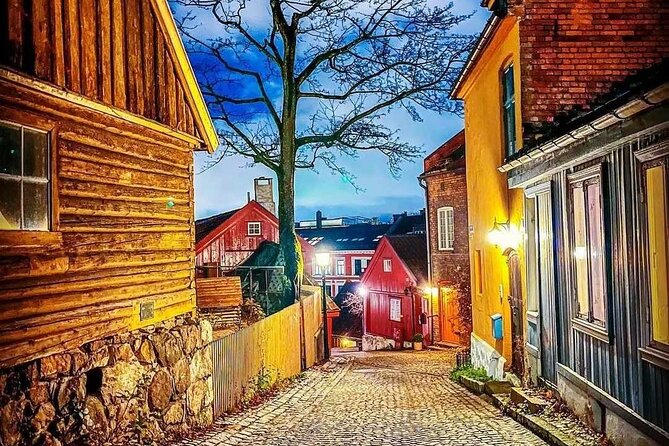
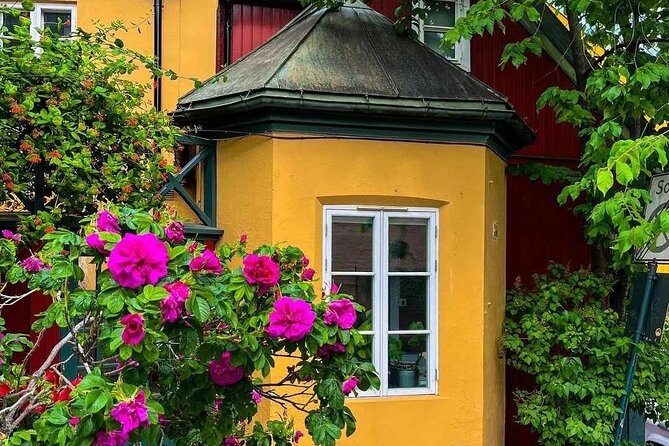
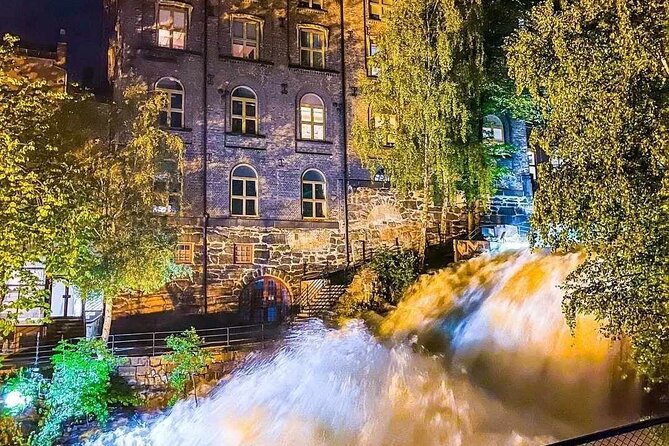
You are not simply crossing the city from one restaurant to another. The route includes parks, viewpoints, old bridges, street art, colorful wooden houses, a river, and waterfalls. These are the small urban details that are easy to miss if you stay on Karl Johans Gate and follow the usual sightseeing path.
The route is listed as about 3 km and mostly flat, with the highest point only about 45 meters above sea level. That sounds easy, and much of it is. The short uphill sections can still feel sharp, especially on wet or icy pavement.
Wear shoes with good grip. In winter, slippery roads may lead to small route changes, and cold weather can make a modest hill feel harder than it looks on a map. Bring water too. The walking helps space out the food, but this is not a lazy stroll from café to café.
The exact distance has felt longer to some people, particularly when the pace, hills, and extra neighborhood wandering are added together. You should plan for a solid amount of walking and avoid booking this on a day when your legs are already worn out from museum visits or a long train journey.
What I like most here is the change of scale. Central Oslo can feel neat and planned, while Grünerløkka gives you a more lived-in view of the capital. You see the kind of streets and local corners that rarely make a first-time sightseeing list.
The guide’s role matters greatly during this section. The strongest guides, including Idunn, Annie, Anni, and Margarita, have been praised for answering questions and mixing older Oslo stories with more recent neighborhood changes. The tour works best when you treat this as a conversation rather than a nonstop lecture.
There is one fair limitation. If you want a detailed course in Norwegian food history, you may find the explanations uneven. The focus is split roughly half between eating and seeing the city, so the guide may give you a broad cultural picture instead of a deep lesson on every ingredient.
Birkelunden and the farm-to-table main course
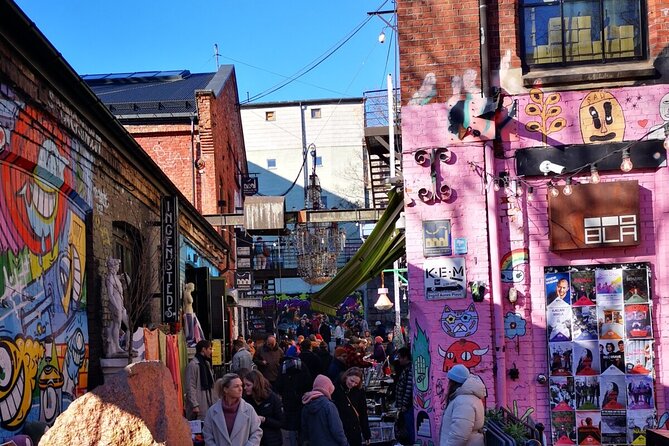
The next food stop is near Birkelunden, at a farm-to-table restaurant. The main course is intended to show off local ingredients, with descriptions of tasting portions that can include fish, cheese, cured meats, and several salads.
This is the most substantial food break of the walk. It gives you time to sit, eat, and compare flavors after the long neighborhood section.
Expect quality and variety more than a huge plate. One part of the experience has been described as a tasting-style meal with three different salads, along with local fish, cheese, and cured meats. That can be excellent for sampling, but it may not satisfy someone expecting a large restaurant lunch.
The lack of included drinks affects the value here. Food and public transportation are included, but beverages are not. Tap water may be available, while wine, beer, soft drinks, or coffee cost extra. At $172.63 per person, you should factor that into the total price.
That price is high for a three-hour activity if you judge it only by the amount of food. It becomes more reasonable if you want a private-feeling small group, three food experiences, neighborhood exploration, local stories, and tram transportation in one package.
The restaurant setting also gives the tour a welcome change of pace. You are not rushing from one bite to the next. The meal is a chance to rest, ask the guide about what you are eating, and let the conversation continue naturally.
After the meal, the tram ride back toward the center is included. This is a practical touch, especially after the hills. The tram also lets you see a bit more of Oslo without adding another long walk.
A few more Oslo trips to weigh up
- Oslo: Grünerløkka Food & Culture Walking Tour
★ 4.5 · 161 reviews - Oslo: Food Tasting and Walking Tour with a Local
★ 4.5 · 50 reviews - 3 Hours Walking Tour for Great Food in Oslo
★ 5.0 · 32 reviews - The Oslo Beer Adventure
★ 4.5 · 11 reviews
Waffles, brown cheese, and a warm finish
The final stop is on Karl Johans Gate, close to the starting area. Here you try a Norwegian waffle with brown cheese, a classic combination that is both sweet and savory.
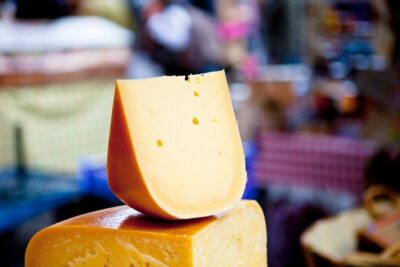
Brown cheese, known in Norway as brunost, has a caramel-like taste. It is not the same as a normal slice of yellow cheese, and pairing it with a waffle makes the final course memorable. Raspberry jam may also appear with the waffle, depending on the menu.
This is a good ending because it is simple, distinctly Norwegian, and comforting after the walk. The waffle portion has sometimes been described as generous, so it can feel more like dessert than a tiny closing sample.
The stated end point is Karl Johans Gate 8, less than a minute from the meeting area. Still, route arrangements can shift because of weather, restaurant changes, or neighborhood logistics. Ask your guide to confirm the final location and the easiest route back to your hotel before the group separates.
Some versions of the route have ended in the Grünerløkka area before the final return, requiring either a 10 to 15 minute tram ride or roughly a 30-minute walk back toward the center. The tram lines mentioned for that return are 11, 12, and 18. This is especially important in January, when daylight is limited and unfamiliar streets can feel less welcoming.
How much food will you actually eat?
I would describe this as a tasting walk with a meal, not a traditional food tour built around constant snacks.
The planned food sequence includes:
- Creamy fish soup at Youngstorget
- A farm-to-table main course near Birkelunden
- Norwegian waffles with brown cheese on Karl Johans Gate
The spacing works well for digestion. You eat, walk, eat again, then finish with dessert. The walk between stops keeps the day active and prevents the tour from becoming three heavy meals in quick succession.
Still, the amount may disappoint you if you arrive very hungry. One detailed account described the tour as more walking than tasting and wished for more small bites along the route. That is a fair expectation to set. The food is a central part of the experience, but so are the streets, views, and stories.
The menu may vary with the season and holidays. You should give allergy and dietary information when you book, and ask what alternatives are available if you do not eat fish or certain cured products.
Is $172.63 a fair price?
At $172.63, this is not a bargain food walk. Oslo is an expensive city, and the price covers food, the guide, the small-group format, and public transportation. It does not cover drinks.
I see the value in the format rather than the quantity. You are paying for a local-led route through areas you might not find on your own, plus access to restaurants selected for local food rather than simply famous tourist appeal.
The strongest case for the price is your first day in Oslo. A good guide can help you understand where neighborhoods fit, what foods to order later, and how the city’s local culture differs from its main sights.
The weaker case is if you mainly want a large lunch. You could spend less by eating at one restaurant and walking Grünerløkka on your own. You would, however, need to research the route, find suitable restaurants, manage transport, and create the stories yourself.
The 96 percent recommendation rate and 4.7 rating from 73 reviews suggest that the overall format works very well for most people. I would still read the details carefully before booking, since the lower ratings focus on clear issues: limited food quantity, no included drinks, walking that felt longer than expected, and occasional changes caused by restaurant availability.
Who will enjoy this Oslo walk?
I would recommend it to you if you want a first look at local Oslo beyond the main sights. It is especially useful if you have already planned the major museums and landmarks and want an afternoon that feels more neighborhood-based.
It suits people who enjoy talking with a guide, trying several local foods, and walking at a moderate pace. Families can enjoy it too, provided everyone can manage the hills and the weather.
It is less suitable if you have limited mobility, dislike uneven or slippery streets, or want a pure food crawl with frequent bites. It may also disappoint you if you expect a full historical tour of Oslo, Norway’s national story, or detailed explanations of every dish.
The small group helps solo visitors and couples feel included. It also gives families and friends room to ask questions without holding up a large crowd.
Book as far ahead as you can if your dates are fixed. The experience is booked, on average, about 55 days in advance, which suggests that popular travel periods may fill early.
What to bring and how to plan the afternoon
Wear comfortable walking shoes with good grip. Even though the route is mostly flat, the steep sections and possible winter conditions deserve respect.
Bring water, especially since drinks are not included. If you want a beer, wine, coffee, or soft drink with the meal, plan to pay separately.
Allow flexibility around weather and restaurant changes. The route may be adjusted if roads are slippery or conditions are poor, and the menu can change during holidays and different seasons.
The tour begins at noon and lasts about three hours. Free cancellation is available up to 24 hours before the start time. Poor weather may lead to a different date or a full refund.
Should you book the Norwegian Food Tour and Hidden Gems City Walk?
Book it if you want Oslo served in small, well-spaced courses: fish soup, local ingredients, and a waffle with brown cheese, with Grünerløkka and its riverside corners filling the space between meals.
I especially like this tour for a first or second day in the city, when a local guide can help you get your bearings and point you toward places you would not easily find alone. Just arrive ready to walk, budget for drinks, and understand that the food is a tasting experience rather than an all-you-can-eat lunch.
At $172.63, the tour asks a lot. Its value depends on how much you care about the guide, the small group, and the neighborhood route. If those matter as much as the food, it is a strong introduction to Oslo. If you want maximum food for your money, choose a restaurant meal and explore the city independently.
FAQ
Where does the Oslo food tour start?
It starts at the Tiger sculpture beside Jernbanetorget, at 0154 Oslo, near Oslo Central Station. The start time is 12 noon.
How long is the experience?
The tour lasts about three hours. The route is described as approximately 3 km, with about an hour of walking through Grünerløkka and a tram ride included.
What food is included?
Food includes creamy fish soup, a farm-to-table main course, and Norwegian waffles with brown cheese. Menus can vary by season and holidays.
Are drinks included?
No. Beverages are not included. You should budget separately for drinks beyond water.
Is the tour physically demanding?
You should have moderate physical fitness. Most of the route is flat, but it includes some short, steep sections, and winter weather can make roads slippery.
What happens if the weather is poor?
The experience requires good weather. If it is canceled because of poor conditions, you can be offered another date or a full refund. You can also cancel for a full refund up to 24 hours before the start time.
More Walking Tours in Oslo
- Oslo: Best of Oslo Walking Tour
★ 4.5 · 458 reviews - Oslo: Guided Walking Tour of Central Oslo
★ 4.7 · 438 reviews - Oslo: Historic Myths & Legends Evening Walking Tour
★ 4.8 · 408 reviews - Taste of Oslo Walking Tour
★ 4.5 · 282 reviews
More Food in Oslo
- Flavors of Oslo: Food & Beer Tour
★ 4.8 · 4 reviews - The Nordic Food Walk Stockholm
★ 4.5 · 642 reviews - Copenhagen Culinary Food Tour with 6+ Tastings of Danish Classics
★ 5.0 · 541 reviews - Copenhagen’s oldest and original food tour (Est. 2011).
★ 4.8 · 442 reviews
Just added around Oslo
- 4 hours Best View of the Oslofjord Winter Edition★ 4.0 · 15 reviews
- Unknown war. Oslo and Norway during 1940-45★ 5.0 · 74 reviews
- Oslo Winter Highlights Bike Tour★ 5.0 · 36 reviews
- The Ultimate Norwegian Skiing Experience★ 5.0 · 16 reviews
- The Viking Planet Museum Ticket★ 4.0 · 197 reviews
- The Viking Planet Museum – Mini Group (4 adults)★ 4.0 · 16 reviews
- The Scenic Roadtrip, Oslo to Bergen via Flam & the Fjords★ 5.0 · 25 reviews
- Visit the Instaworthy Spots of Oslo’s Vigeland Park with a Local★ 5.0 · 4 reviews
Food & Drink Tours, compared.
Copenhagen Culinary Food Tour with 6+ Tastings of Danish Classics
Read our review →
Copenhagen’s oldest and original food tour (Est. 2011).
Read our review →
Stockholm Small Group Food Tour with 7 Classic Food Tastings
Read our review →
Politically Incorrect Beer Tasting Walking Tour
Read our review →
3 Hour Guided Food Walk Tour in Alesund, Norway
Read our review →Browse the lists this tour appears in