
Reviewed · SELF-GUIDED TOURS
Oslo Viking Quest: Exploration Game and Tour
Oslo Viking Quest turns a city walk into a Viking-themed puzzle hunt, sending you through central Oslo from the Nobel Peace Center to Akershus Fortress. You use your phone to solve 11 challenges, uncover stories about the city, and decide your own pace rather than follow a guide’s fixed schedule. I like the freedom to start anytime and the way the game gives children, friends, or couples a reason to look closely at familiar sights.
I also like the low listed price of $7.20 per person and the route’s mix of major landmarks, from the Royal Palace and Storting to Oslo Cathedral and the Resistance Museum. The main caution is weather and puzzle clarity. One challenge can be harder to understand, and this is best on a dry, reasonably mild day since you spend the whole time outdoors and on foot.
In This Review
- Key points to know
- A puzzle walk through Oslo’s civic heart
- Why the flexible format works
- Starting at the Nobel Peace Center
- Oslo City Hall and the city’s public face
- The Nils Sigurd Aas stop and Oslo’s public art
- The Royal Palace and Norway’s monarchy
- The University of Oslo and the Storting
- Oslo Cathedral and a pause for reflection
- War history at the Resistance Museum
- Finishing at Akershus Fortress
- What the $7.20 price really gets you
- The clues, weather, and practical limits
- Who should book Oslo Viking Quest?
- FAQ
- How long does Oslo Viking Quest take?
- What is the price?
- Is the experience guided by a person?
- How many puzzles are included?
- What language is the game offered in?
- Where does the quest start and end?
- Can I start at a set departure time?
- Can I cancel for a refund?
- Should you book it?
Key points to know
- 11 interactive challenges guide you through central Oslo while adding a simple game to the sightseeing.
- The route covers major sights, including City Hall, the Royal Palace, the Storting, Oslo Cathedral, and Akershus Fortress.
- You control the clock, with no fixed itinerary and the ability to pause and resume.
- The listed price is unusually low, especially for a private activity shared only with your own group.
- Allow about 75 minutes for the core route, but side trips can stretch the outing to several hours.
- No physical guide is included, so you need a charged phone, patience with clues, and a willingness to explore independently.
A puzzle walk through Oslo’s civic heart
This is not a traditional guided tour with a person leading you from stop to stop. It is a mobile exploration game. Your access code opens the quest, and the phone provides the next challenge after you find the answer at each location.
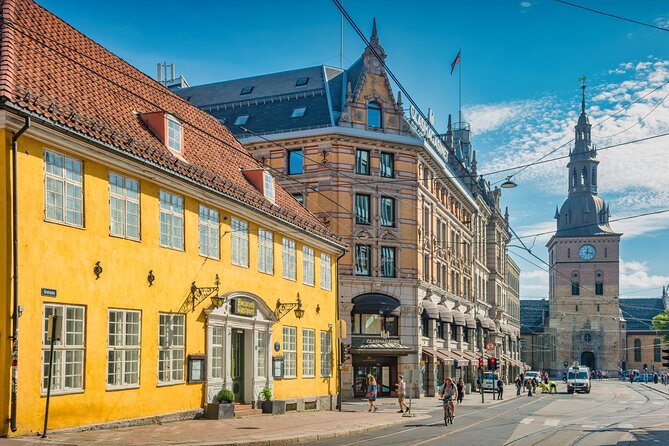
The route begins at Rådhusgata 30B and ends at the Scandinavian Star Memorial near Akershusstranda. Along the way, you pass through the central part of Oslo and meet places tied to government, royalty, religion, art, war, and peace. That range gives the walk more substance than a simple photo checklist.
The game uses a Viking storyline to connect the puzzles and history content. You are not just told to look at a building. You are asked to inspect your surroundings and find information that moves the story forward. That small change matters. It makes you pay attention to details you might otherwise walk past.
The basic playing time is about one hour and 15 minutes. That is a useful estimate if you are fitting the activity between meals, museums, or a train departure. Still, the route is flexible, and the game does not force you to rush. One person extended the outing to several hours by adding side trips, which is easy to do in central Oslo.
A few more Oslo trips to weigh up
- Oslo: Scenic Fjord Cruise with Audio Guide Commentary
★ 4.5 · 5,375 reviews - Oslo To Bergen Self-Guided Full Day Trip with Flåm Railway And Fjord Cruise
★ 4.0 · 69 reviews - Self-Guided 22-Hour Round Trip From Oslo To Sognefjord With Flåm Railway
★ 4.5 · 54 reviews
Why the flexible format works
The strongest feature is control. You can start any time during the stated operating window of 5:00 AM to 9:00 PM, from Monday through Sunday. That makes the quest easier to fit around weather, arrival times, a museum visit, or a late breakfast.
You can also pause and resume. If a café catches your eye, a shop needs browsing, or you want to spend more time at Akershus Fortress, you are not locked into a guide’s timetable. The activity is private, so only your own group takes part.
That format suits independent sightseeing. You set the pace, discuss the clues together, and choose how much time to give each stop. It also helps families and mixed-age groups, since the puzzle gives younger participants an active job while adults take in the setting.
The tradeoff is the lack of a human guide. Nobody is there to explain a difficult clue, answer follow-up questions, or adjust the route to your interests. The history content is built into the game, but it will not feel like a detailed lecture from a local historian.
Starting at the Nobel Peace Center
The Nobel Peace Center is a fitting first stop because it frames Oslo through questions of war, peace, conflict resolution, and public debate. The center presents the Nobel Peace Prize and the ideas connected with it, while also linking culture and politics.
Here, the challenge asks you to look around for the answer that sends you to the next location. That approach works well at a place designed for reflection and public engagement. You begin by observing rather than simply following a map pin.
The center itself may deserve more time than the puzzle requires. If you want to visit the exhibitions properly, treat that as a separate stop and allow extra time beyond the 75-minute game estimate. The quest is an introduction to the place, not a replacement for a museum visit.
Oslo City Hall and the city’s public face
Oslo City Hall is next, a major municipal building that houses the city council, administration, and other public offices. The current building was constructed between 1931 and 1950, with work interrupted during the Second World War.
This stop adds useful civic context. You move from the international ideals of the Nobel Peace Center to the practical business of running Norway’s capital. The puzzle encourages you to inspect the building and its surroundings for details.
City Hall is also a good reminder that the route is not only about royal monuments. Oslo’s identity is tied to local government and public life as much as to grand ceremonial buildings. If you are fond of architecture or urban history, this part of the route should hold your attention.
Same fjord country, a very different day out:
- Oslo Nature Walks: Island Hopping Tour
★ 4.8 · 2,713 reviews - Oslo: 100% Electric Oslofjord Sightseeing Cruise
★ 4.4 · 2,041 reviews - Oslo: Fjord Evening Cruise with Shrimp Buffet
★ 4.5 · 1,956 reviews - Oslo: 3-Hour Highlights Bike Tour
★ 4.8 · 1,609 reviews
The Nils Sigurd Aas stop and Oslo’s public art
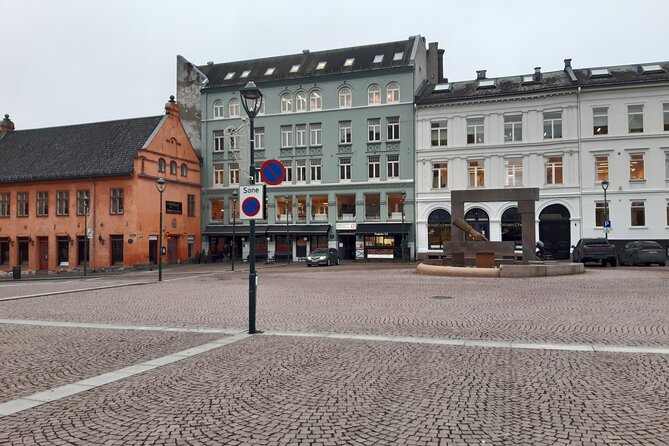
The quest then points you toward work connected with Nils Sigurd Aas, a major Norwegian sculptor of modern Norwegian art. He is particularly known for the statue of Haakon VII in June Seventh Square and for designing Norwegian coins, including the 10-krone and 20-krone pieces.
This is one of the more distinctive stops because it shifts the subject from institutions to public art. A sculpture can be easy to overlook when you are moving between headline sights. The game gives you a reason to stop and consider who made it and how art becomes part of a city’s daily life.
The information about Aas also gives the walk a practical sense of place. You are not only seeing famous buildings. You are learning about an artist whose work may appear in squares, streets, and even your pocket change.
The Royal Palace and Norway’s monarchy
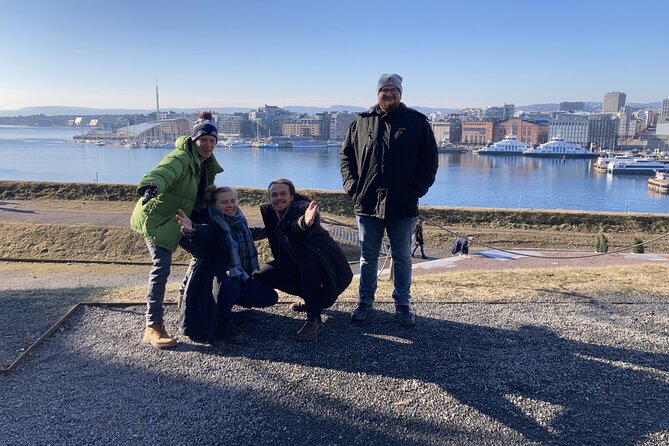
The Royal Palace was built in the first half of the 19th century as the Norwegian residence of the French-born Charles III John, who was king of both Norway and Sweden. It is one of the route’s clearest headline sights.
The palace gives the game a change of scale. After City Hall and public sculpture, you reach a setting connected with monarchy and national ceremony. The puzzle asks you to examine the area for clues, so the building becomes part of the game rather than a quick photograph from a distance.
Keep your expectations realistic. The activity takes you to the Royal Palace, but the supplied information does not promise an interior visit or a palace tour. Think of this as an exterior landmark stop within a wider city walk.
The University of Oslo and the Storting
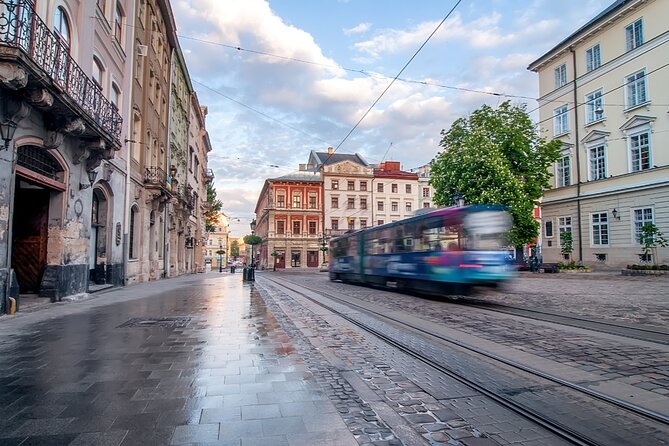
The University of Oslo adds an academic note to the route. It is Norway’s oldest university and was known as the Royal Frederick University until 1939. This stop gives you a look at another institution that helped shape the capital’s public life.
The university section may appeal most to people who enjoy seeing how a city’s institutions fit together. The route has already introduced peace work, municipal government, monarchy, and art. The university adds education to that mix.
Next comes the Storting building on Karl Johans gate, the seat of Norway’s parliament. It opened in 1866 and was designed by Swedish architect Emil Victor Langlet. The building makes the political theme more direct, and the puzzle asks you to search for details before continuing.
Together, these two stops show why the activity works as an overview of Oslo. You are not spending the whole walk in one historic district or focusing on a single theme. Instead, you get short introductions to the institutions that shape national life.
Oslo Cathedral and a pause for reflection
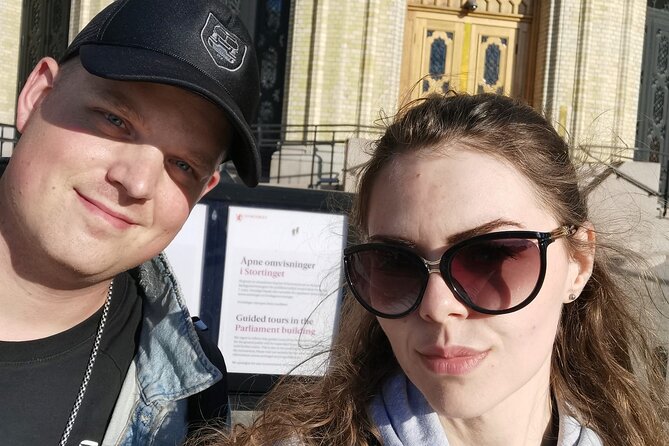
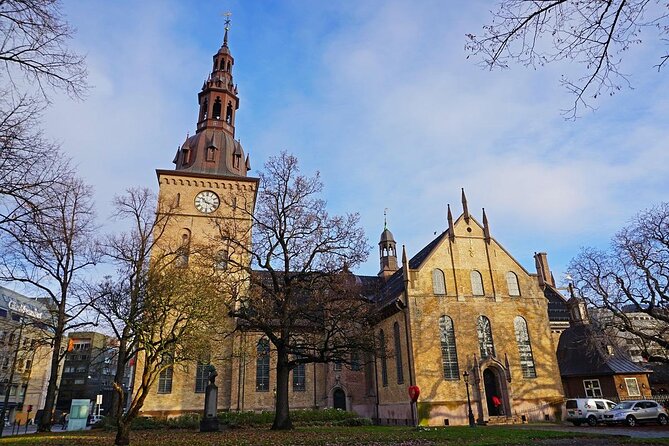
Oslo Cathedral, formerly Our Savior’s Church, is the main church of the Church of Norway Diocese of Oslo and the parish church for the downtown area. The present building dates from 1694 to 1697.
The cathedral remains in use for public events involving the Norwegian Royal Family and the Norwegian Government. That gives it both religious and civic importance. On the quest, you look around for the answer to another challenge, turning the building into an observation exercise.
This can be a useful point to slow down. The game’s route is compact, but you do not need to treat every stop as a quick clue station. Since you can pause and resume, you can give the cathedral more attention if it interests you, then continue when ready.
War history at the Resistance Museum
The route later reaches the Norway’s Resistance Museum at Akershus Fortress. Also known as the Norwegian Home Front Museum, it focuses on Norwegian resistance during the German occupation from 1940 to 1945.
Its collection includes equipment, photographs, and documents from the war years. This is a more serious stop than the playful Viking framing might suggest, and it adds important weight to the walk. Oslo’s story is not only royal, political, or architectural. It also includes occupation, resistance, and the choices made during wartime.
The quest introduces the setting, but the information provided does not include museum admission as part of the game. If you want to go inside, check the separate admission details before booking and allow time beyond the stated tour duration.
Finishing at Akershus Fortress
Akershus Fortress provides a strong final setting. The medieval castle was built to protect Oslo and serve as a royal residence. It brings together several threads from the route: defense, monarchy, government, and the city’s long development.
The end point is listed at the Scandinavian Star Memorial on Akershusstranda. That gives you a clear finish rather than returning you to the starting point. Plan your route accordingly, especially if you have a timed reservation elsewhere.
The fortress area is also where the activity’s historical range feels most complete. You begin with modern questions about peace and public involvement, then finish among medieval defenses and wartime memories. The Viking storyline may be light, but the physical route gives you a useful walk through several layers of Oslo.
What the $7.20 price really gets you
At $7.20 per person, the value is easy to see if you want a self-guided introduction to central Oslo. You receive mobile access to the quest, 11 interactive puzzle challenges, the Viking storyline, and history content covering nine listed locations.
You are paying for a structured activity, not transportation, food, museum admission, or a personal guide. That distinction matters. If you want expert commentary or help interpreting every building, choose a live tour instead. If you want an inexpensive reason to walk, look around, and learn in small pieces, this price is hard to criticize.
Group discounts are available, which may make the activity even more appealing for families or friends. Since the experience is private to your group, the cost can also compare well with a private guided outing, though the level of personal explanation is very different.
One useful point is that the low price does not mean you must finish quickly. You can pause, add side trips, and stretch the route. The person who extended the game to several hours did so by exploring beyond the core path, not because the puzzle itself requires that much time.
The clues, weather, and practical limits
The main practical weakness is clue difficulty. One piece of feedback describes some hints as hard to understand, so you should expect to spend a little time testing an answer rather than assume every step will be obvious.
That is not necessarily bad for a puzzle game, but patience helps. Play with a group if you can. Two or three people looking at a building, sign, or public artwork may solve a clue faster than one person working alone.
Weather matters more. The activity is outdoors and depends on walking between stops. A rainy or very cold day can turn a fun challenge into a chore. Choose a dry period if possible, wear suitable shoes, and remember that the flexible start time lets you wait for better conditions.
The activity is offered in English. Confirmation arrives when you book, and service animals are allowed. It is near public transportation, and most people can participate, but the supplied details do not promise a specific accessibility route or list the walking distance.
Free cancellation is available if you cancel at least 24 hours before the local start time. Changes or cancellations inside that window are not accepted for a refund.
Who should book Oslo Viking Quest?
I would choose this for families, couples, friends, and independent visitors who want a playful overview of central Oslo. It is especially useful early in a visit because it helps you get oriented while introducing major sights and public institutions.
It also suits people who dislike fixed tours. You do not need to meet a guide at a strict departure time, and you can pause whenever you want. The private format keeps the activity focused on your own group.
I would hesitate if you want deep historical explanation, indoor sightseeing, or a carefully guided architectural tour. The quest gives you short stories and clues, not a long conversation with a local expert. I would also avoid booking it for a day of heavy rain or severe cold.
FAQ
How long does Oslo Viking Quest take?
The approximate duration is one hour and 15 minutes. You can extend the outing by taking side trips, and the game can be paused and resumed.
What is the price?
The listed price is $7.20 per person. Group discounts are available.
Is the experience guided by a person?
No. A physical tour guide is not included. You receive mobile access to the quest and complete the route independently.
How many puzzles are included?
The experience includes 11 interactive puzzle challenges.
What language is the game offered in?
The activity is offered in English.
Where does the quest start and end?
It starts at Rådhusgata 30B, 0151 Oslo, Norway. It ends at the Scandinavian Star Memorial on Akershusstranda, 0150 Oslo.
Can I start at a set departure time?
There is no fixed itinerary. The activity is available Monday through Sunday from 5:00 AM to 9:00 PM during the stated operating period, so you choose when to begin.
Can I cancel for a refund?
Yes. You can receive a full refund if you cancel at least 24 hours before the experience start time. Cancellations or changes made less than 24 hours before the start are not refunded.
Should you book it?
Book Oslo Viking Quest if you want an inexpensive, flexible way to see central Oslo while solving clues with your own group. The route covers an impressive range of places, and the ability to pause makes it easy to add museums, cafés, or extra sightseeing.
Skip it if your priority is a live guide, detailed commentary, or an indoor activity for poor weather. For the right kind of day, though, this is a smart little introduction to Oslo: part city walk, part history lesson, and part friendly competition.
Just added around Oslo
- 4 hours Best View of the Oslofjord Winter Edition★ 4.0 · 15 reviews
- Unknown war. Oslo and Norway during 1940-45★ 5.0 · 74 reviews
- Oslo Winter Highlights Bike Tour★ 5.0 · 36 reviews
- The Ultimate Norwegian Skiing Experience★ 5.0 · 16 reviews
- The Viking Planet Museum Ticket★ 4.0 · 197 reviews
- The Viking Planet Museum – Mini Group (4 adults)★ 4.0 · 16 reviews
- Visit the Instaworthy Spots of Oslo’s Vigeland Park with a Local★ 5.0 · 4 reviews
- The Ultimate Study of the Human Form at Vigeland’s Sculpture Park with a Local★ 4.0 · 14 reviews
Self-Guided Tours, compared.

Scenic Fjord Cruise with Audio Guide Commentary
Read our review →
Molde: Atlantic Ocean Road & Varden Audio Guide Bus Tour
Read our review →

Ålesund and Surrounding Islands Audio Guide Tour
Read our review →


Browse the lists this tour appears in