

Reviewed · MUSEUMS
Entrance ticket to The Viking Museum
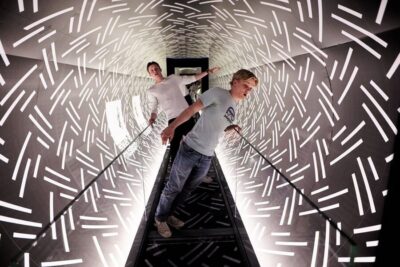
The most memorable part of Stockholm’s Viking Museum is Ragnfrid’s Saga, an 11-minute ride through the Viking Age. You follow Ragnfrid, her husband Harald, and their family from Frösala Farm into raids in the west and slave trading in the east. Light, sound, scenery, and a moving vehicle make this more like a short theatrical show than a standard museum display.
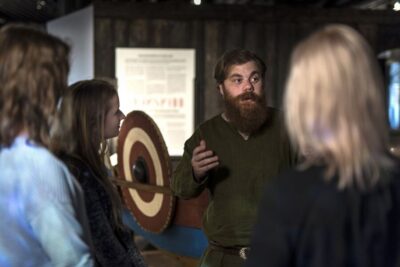
I like the mix of real archaeological objects and hands-on replicas, which helps connect Viking life to ordinary work, travel, belief, and family life. I also like being able to ask questions of staff dressed in Viking clothing instead of relying only on wall panels. The multilingual audio guide is useful, too, especially when you want to explore at your own pace.
The main consideration is scale. This is a fairly small museum, and much of it involves reading panels and looking at displays. At $22.68 per person, the ticket makes better sense if you value the ride, films, and guided interpretation, but it may feel expensive if you want a large collection of rare objects or a highly interactive attraction.
In This Review
- Key points to know before you go
- Entering Stockholm’s Viking Museum
- What the exhibitions actually teach you
- Ragnfrid’s Saga and the Viking ride
- Talking with staff in Viking clothing
- Films, projections, replicas, and reading panels
- Is $22.68 a fair price?
- Who will enjoy this museum most?
- Planning a visit that feels worthwhile
- My verdict on the Viking Museum
- FAQ
- Where is The Viking Museum located?
- How much does admission cost?
- How long does a visit take?
- Is a mobile ticket available?
- Is the experience offered in English?
- What is Ragnfrid’s Saga?
- Does the ticket include admission?
- Can I ask questions during the visit?
- Can I cancel for a full refund?
Key points to know before you go
- Ragnfrid’s Saga lasts about 11 minutes: This atmospheric ride follows a Viking family through farming, raiding, and forced trade.
- The museum visit takes about one to two hours: You can move quickly, or spend more time with the panels, films, replicas, and staff.
- The displays cover everyday life as well as warfare: Shipbuilding, farm life, Norse mythology, travel, and raids all receive attention.
- A multilingual audio guide is included: You can learn in your own language while exploring independently.
- Staff in Viking clothing answer questions: Their informal explanations add useful context to the artifacts and displays.
- The $22.68 price rewards interest more than speed: The museum offers a compact experience, so allow enough time to read and use the interpretive features.
Entering Stockholm’s Viking Museum
The Viking Museum presents the Viking Age through several layers rather than one long collection of cases. You’ll see archaeological objects, watch films and projections, hear sound effects, and find replicas that let you think about how people lived and worked.
That mixture matters because Viking history is often reduced to helmets, swords, and raids. Here, the emphasis is broader. You learn about shipbuilding and long-distance journeys, but you also encounter farming, household life, Norse beliefs, and the grim reality of slavery.
The museum is in Stockholm and is close to public transportation. The ticket is mobile, so you can keep it on your phone rather than arrange a paper voucher. Confirmation is provided when you book, and service animals are allowed.
A normal visit takes about one to two hours. You can cover the main displays in less time, but rushing would make the ticket less worthwhile. Give yourself enough time to listen to the audio guide, watch the films, inspect the objects, and catch the ride without treating the museum as a quick photo stop.
A few more Stockholm trips to weigh up
- Stockholm: Skansen Open-Air Museum Admission Ticket
★ 4.5 · 3,427 reviews - Stockholm Pass: Save up to 50% – Includes Vasa Museum Ticket
★ 4.1 · 2,392 reviews - Stockholm: Nobel Prize Museum and Exhibition Entry Ticket
★ 4.3 · 994 reviews
What the exhibitions actually teach you
The displays explain several sides of Viking life. Raids and military power are part of the story, but they are not the whole story. You’ll also learn how ships supported travel, trade, exploration, and attacks, and how life at a farm shaped the daily routine of many Norse people.
The museum also separates fact from popular legend. Norse mythology appears throughout the exhibition, and the presentation shows how myth, belief, and historical evidence can overlap without being the same thing. That is useful if your knowledge comes mainly from television, films, or modern Viking-themed entertainment.
The archaeological objects give the exhibition weight. They are not simply decorative props, though the collection is not huge. The museum combines them with replicas and reconstructed settings so you can picture how tools, clothing, boats, homes, and customs fitted together.
I find that approach helpful for families and first-time learners. A case of objects can be hard to interpret on its own. A replica or staged setting gives the object a job and a place in daily life. You may not leave with a long list of dates, but you should come away with a clearer sense of how Viking society functioned.
Ragnfrid’s Saga and the Viking ride
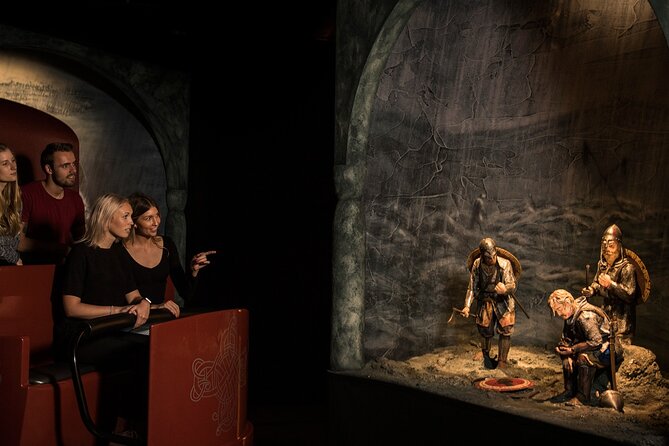
The ride is the museum’s main theatrical feature. You begin at Frösala Farm with Ragnfrid and her husband Harald, then follow their journey into a darker world of raiding and slave trading.
The 11-minute story uses sound, light, scenery, and atmospheric settings. Ragnfrid narrates the journey, giving the experience a personal point of view instead of presenting events as a dry sequence of facts. The attack in the forest is meant to feel tense, and the changing scenes give the ride a stronger emotional effect than a simple audio presentation.
The subject matter is not entirely light. Plundering and the slave trade are part of the story, so the ride introduces the less romantic side of the Viking Age. That honesty is valuable, particularly if you want more than a cheerful warrior fantasy.
The ride has divided opinion. Some people find it exciting and memorable, especially children and adults who enjoy theatrical effects. Others find the vehicle and story too simple, or even cheesy. If you expect a serious historical film or a major theme-park attraction, keep your expectations modest. It is a short museum ride with a clear storyline, not a full-scale production.
I would treat it as one part of the visit rather than the entire reason to go. Its best quality is atmosphere. The exhibition supplies the facts and objects, while Ragnfrid’s Saga gives you a compact emotional picture of travel, danger, and family life.
Talking with staff in Viking clothing
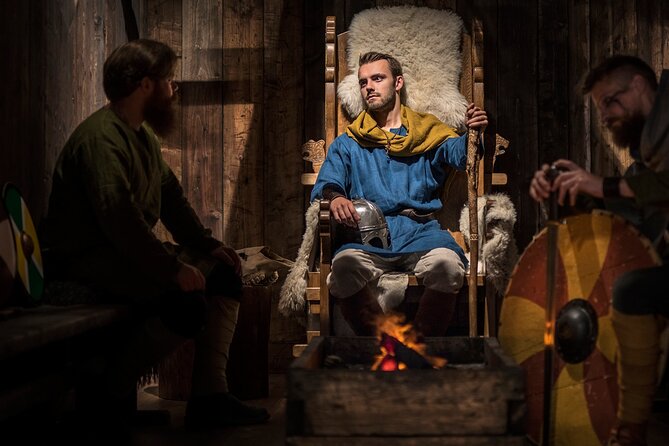
Staff in Viking clothing are available to answer questions as you explore. This is one of the most useful features for anyone who prefers conversation to reading every panel.
You can ask about an object, a Viking custom, ship construction, farming, mythology, or the difference between popular stories and archaeological evidence. The value depends partly on when you visit and which staff member is at a display, but the format is friendly and informal.
There are also guided presentations at various times in different languages. If you want that added explanation, check the schedule when you arrive and try to match your visit to a presentation in your preferred language. The separate audio guide gives you more control, while a live explanation can make difficult topics easier to follow.
The staff are especially useful for families. Children can ask direct questions instead of being expected to read long blocks of text. Teenagers may respond better to the ride, films, and objects than to the panels, though the museum does contain a fair amount of reading.
Same fjord country, a very different day out:
- Stockholm: City Archipelago Sightseeing Cruise with Guide
★ 4.3 · 10,798 reviews - Stockholm: Archipelago Boat Tour
★ 4.4 · 3,110 reviews - Stockholm: Highlights Boat Tour
★ 4.3 · 2,542 reviews - Stockholm: Ghost Walk and Historical Tour
★ 4.7 · 2,206 reviews
Films, projections, replicas, and reading panels
The museum uses movies, projections, and sound effects to break up the traditional display format. These elements help establish a sense of place and movement, especially when the subject is a voyage or a raid that cannot be shown through surviving objects alone.
Still, this is not an entirely interactive attraction. You should expect an old-style museum with artifacts and information panels, supported by a few newer presentation techniques. If your ideal museum has constant buttons, games, and digital activities, the experience may feel restrained.
The replicas are a strong counterpoint to the reading. They let you look closely at Viking material culture without treating every object as something too precious to approach. The sensory side of the exhibition helps younger children understand that the Viking Age was built from ordinary materials, labor, food, tools, and travel, not just famous battles.
I would not plan the entire day around this museum. The visit is compact, and its exhibits are best appreciated as part of a Stockholm schedule that includes other historical sights. If you want an extensive collection of artifacts, you may finish sooner than expected.
Is $22.68 a fair price?
The admission costs $22.68 per person. That is not a bargain for a small museum, so value depends on what you want from the visit.
The price includes entry to the exhibition and Ragnfrid’s Saga. You also receive access to the multilingual audio guide, films, projections, replicas, and the chance to speak with staff. If you use those features and stay for close to two hours, the cost is easier to justify.
The calculation changes if you only look at the ride. At 11 minutes, it is too short to support the full ticket on its own. The ride is a bonus within a museum visit, not a separate attraction worth paying for by itself.
You should also compare it with the rest of your Stockholm plans. One especially practical point is that some people prefer spending more time at the Vasa Museum, which offers a much larger preserved ship and a different level of collection depth. That does not make the Viking Museum a poor choice, but it does mean you should choose it for its storytelling and Viking-life focus rather than for the biggest collection in town.
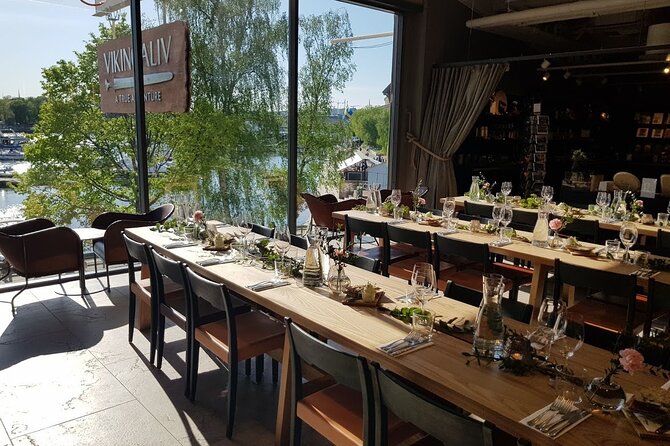
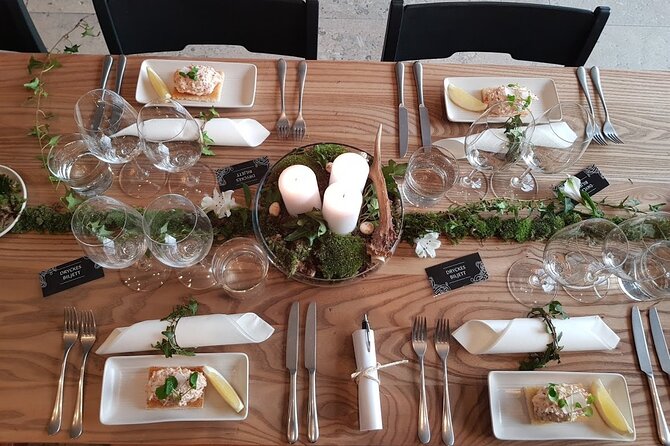
The nearby café can add value if you want a meal during a museum day. Reindeer meatballs are one suggested Swedish option, and the restaurant serves Swedish cuisine. The gift shop also carries Viking-themed items and other interesting merchandise, though neither the meal nor shopping is included in the ticket price.
Who will enjoy this museum most?
I would recommend the Viking Museum to several types of visitors:
- First-time Viking-history learners: The exhibition gives you a broad introduction without requiring previous knowledge.
- Families with younger children: The ride, replicas, projections, and staff in Viking clothing provide breaks from reading.
- Fans of Norse mythology: Mythology appears throughout the museum and is linked to the wider story of Viking life.
- People who prefer a compact attraction: You can cover the museum in one to two hours and combine it with other Stockholm sights.
- Visitors who enjoy historical storytelling: Ragnfrid’s personal narration adds drama and makes the past easier to picture.
I would be more cautious if you want a large archaeological collection, dense academic detail, or cutting-edge interactive technology. The museum has information, but the collection is limited in size and the presentation still relies heavily on panels.
Teenagers may be harder to predict. Some will enjoy the ride and visual effects, while others may find the storytelling too simple. If your group includes older children or teenagers, point out the darker subjects, ask questions at the displays, and avoid presenting the ride as the whole attraction.
Planning a visit that feels worthwhile
Since the museum is often booked about 26 days ahead, booking online can help you fit it into a fixed Stockholm schedule. The mobile ticket is convenient, though advance booking may not always be essential if the museum has space when you arrive.
The most useful thing to plan is your timing. Check when any live guide presentation is offered in your language, then allow time before or after it for independent exploration. This gives you both the direct contact of a live explanation and the freedom of the audio guide.
A one-hour visit is possible if you focus on the main displays and ride. For better value, plan closer to two hours. Read the panels that interest you, stop at the artifact stations, watch the films, and leave room for questions.
The experience is offered in English, and the audio guide is multilingual. Most people can participate, and service animals are permitted. Since the museum is near public transportation, it is a practical stop for a day of sightseeing without arranging special transport.
The cancellation terms are straightforward but important. You can receive a full refund if you cancel at least 24 hours before the start time. Changes or cancellations made less than 24 hours ahead are not accepted for a refund, and the cut-off follows Stockholm local time.
My verdict on the Viking Museum
Book this museum if you want a short, approachable introduction to Viking life with a mix of objects, storytelling, and visual effects. The best parts are the breadth of the subject, the chance to ask questions, and Ragnfrid’s Saga, which gives the visit a memorable center.
Think twice if you are mainly seeking a large collection or a thrilling ride. The museum is small, the price is fairly high for the amount of space, and the panels may feel too text-heavy for children who need constant activity.
For many people, the sensible choice is to treat it as a focused Stockholm stop, not an all-day museum. Book it when the Viking Age interests you enough to spend time with the details, and check the live guide schedule so you get more than a quick walk-through. If that sounds right, the ticket offers a friendly and useful way to move beyond the familiar horned-helmet image and see the Vikings as farmers, sailors, traders, storytellers, raiders, and people living with difficult choices.
FAQ
Where is The Viking Museum located?
The Viking Museum is in Stockholm, Sweden, and is near public transportation.
How much does admission cost?
The listed price is $22.68 per person.
How long does a visit take?
The expected visit lasts about one to two hours, depending on how much time you spend with the displays, films, audio guide, and ride.
Is a mobile ticket available?
Yes. The admission ticket is available as a mobile ticket.
Is the experience offered in English?
Yes. The experience is offered in English, and a multilingual audio guide is available.
What is Ragnfrid’s Saga?
Ragnfrid’s Saga is an 11-minute Viking ride. It follows Ragnfrid and her husband Harald from Frösala Farm through Viking journeys, plundering in the west, and slave trading in the east.
Does the ticket include admission?
Yes. Admission to The Viking Museum is included.
Can I ask questions during the visit?
Yes. Staff in Viking clothing are available to answer questions as you explore.
Can I cancel for a full refund?
Yes, if you cancel at least 24 hours before the experience begins. Cancellations or changes made less than 24 hours before the start time are not accepted for a refund.
Just added around Stockholm
- Stockholm: Evening Wildlife Safari with Midsummer Meal★ 4.2 · 130 reviews
- World War II Stockholm Old Town Walking Tour and Army Museum★ 4.6 · 4 reviews
- Stockholm: Archipelago Guided Boat & Walking Tour of Vaxholm★ 3.1 · 23 reviews
- Stockholm: Archipelago Islands Kayak Tour and Outdoor Picnic★ 4.9 · 150 reviews
- Stockholm: Underground Metro Art Ride with a Local Guide★ 4.6 · 39 reviews
- Vaxholm & Stockholm Archipelago: Guided Excursion, Day Trip★ 4.8 · 41 reviews
- Scandinavian Art, Architecture and Design Tour in Stockholm★ 4.5 · 11 reviews
- Stockholm: Sunset Hike in Tyresta National Park with Meal★ 5.0 · 79 reviews
Museums, compared.


Stockholm Pass: Save up to 50% – Includes Vasa Museum Ticket
Read our review →



Browse the lists this tour appears in