
Reviewed · MUSEUMS
Maihaugen Museum/The Norwegian Olympic Museum, Lillehammer.
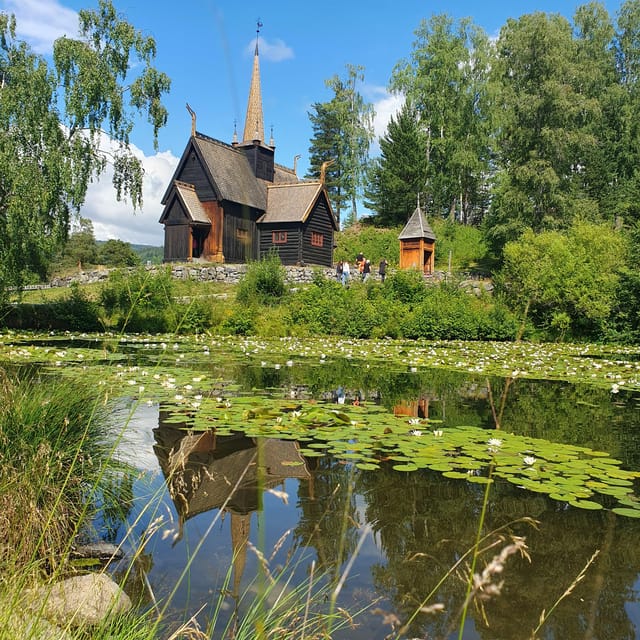
Maihaugen’s great strength is its sweep of Norwegian life. In one day, you can move from a 1200s stave church to old farm buildings, then into furnished homes from the 20th century and the modern story of Norway’s Olympic triumphs. It is less a single museum than a small historical town spread across a large site.
I like two things here: the chance to see original buildings in a real outdoor setting, and the clear indoor exhibitions that put Norway’s past into context. The main caution is seasonal access. In winter, many outdoor houses may be closed, so the indoor museums can be the better reason to come.
In This Review
- Key points to know before visiting
- Starting at the visitor center in Lillehammer
- Garmo stave church and medieval Norway
- Farm buildings from the 16th through 19th centuries
- The 1900s, shown through homes you can recognize
- Indoor exhibitions that explain the bigger picture
- The Norwegian Olympic Museum and Lillehammer 1994
- The Norwegian Postal Museum in summer
- Food, shops, and the practical rhythm of a full day
- Summer or winter: choose the right version of Maihaugen
- Is the $19 admission good value?
- Who should visit Maihaugen?
- Should you book Maihaugen?
- FAQ
- Where is Maihaugen located?
- How long is the admission valid?
- What is included in the admission?
- Is the Norwegian Postal Museum open all year?
- Is Maihaugen open during winter?
- Is the museum wheelchair accessible?
- Can I cancel my booking?
Key points to know before visiting
- Garmo stave church dates from the 1200s: This is Maihaugen’s most memorable single building and a fine introduction to Norway’s medieval wooden architecture.
- More than 200 buildings cover eight centuries: Farmsteads, workshops, homes, and public buildings show how daily life changed over time.
- The 20th-century houses make recent history personal: You can follow changing Norwegian design and domestic life decade by decade.
- The Norwegian Olympic Museum is included: Original objects, films, and interactive displays focus especially on Oslo 1952 and Lillehammer 1994.
- Summer adds the Norwegian Postal Museum: Look for the old train and postal carriage, along with other postal-history displays.
- A full day is realistic: The site is large, and you will get more from it if you allow time for both the outdoor grounds and indoor exhibitions.
Starting at the visitor center in Lillehammer
Begin inside the Visitor Center, where the counter and hosts are located. This is the practical first stop for orientation, tickets, and current information about which buildings and exhibitions are open.
Maihaugen is open throughout the year, but it changes character with the seasons. Summer is the main period for the open-air museum, with more houses open, extra places to eat, hosts in historic buildings, traditional crafts, and animals among the old farm buildings.
The experience is not a fixed guided tour with a set route. You explore at your own pace, which gives you freedom but also means you should pay attention to the map or signs. The grounds cover a lot of space, and one visitor found the lack of a clear order made the visit feel longer than necessary. I would take a few minutes at the entrance to decide what you most want to see.
An English-speaking host or greeter is available, but no individual guide name or guaranteed personal tour is provided. If you are expecting a continuous guided walk, adjust your expectations. Maihaugen works better as a self-guided cultural visit, with staff and hosts adding information at selected points.
A few more Scandinavia trips to weigh up
- Stockholm: Skansen Open-Air Museum Admission Ticket
★ 4.5 · 3,427 reviews - Stockholm Pass: Save up to 50% – Includes Vasa Museum Ticket
★ 4.1 · 2,392 reviews - Kon-Tiki Museum Entrance Ticket
★ 4.5 · 1,096 reviews
Garmo stave church and medieval Norway
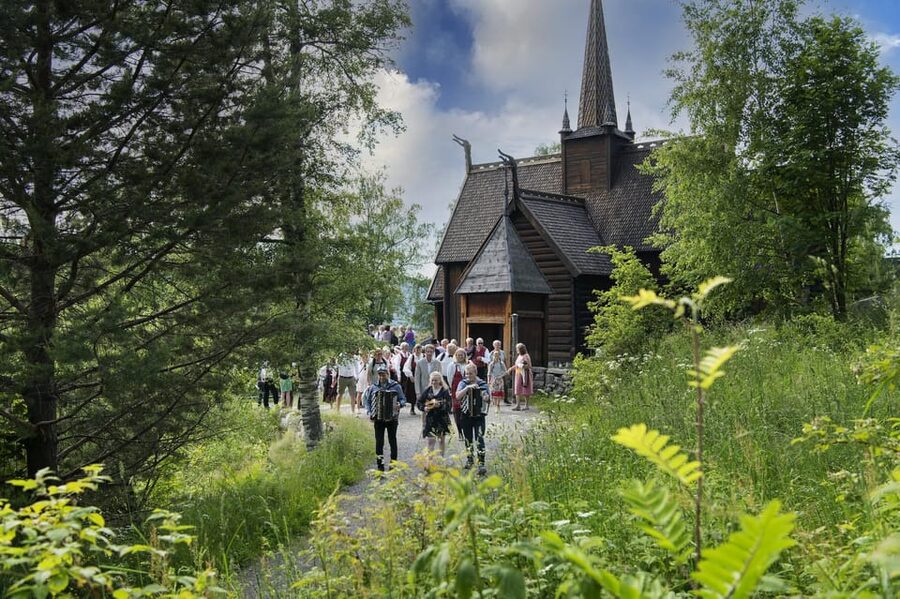
Make Garmo stave church one of your first outdoor stops. Dating from the 1200s, it gives the museum a powerful focal point and shows the remarkable timber-building tradition associated with Norway.
The church was moved to Maihaugen, as were many of the museum’s historic structures. Here, it is presented as part of a wider cultural setting rather than as an isolated object in a glass case. Its wooden construction and compact form help explain how religious buildings could be both practical and highly distinctive.
You should not expect a large cathedral interior. The appeal is the age, the craftsmanship, and the connection to rural Norwegian life. The church is especially worthwhile if you are interested in architecture, medieval Europe, or Scandinavian building traditions.
This is also a good place to slow down. The outdoor grounds can tempt you into ticking off one building after another, but Garmo rewards a careful look at its construction and setting. It is one of the places that gives Maihaugen its sense of time stretching far beyond the 20th century.
Farm buildings from the 16th through 19th centuries
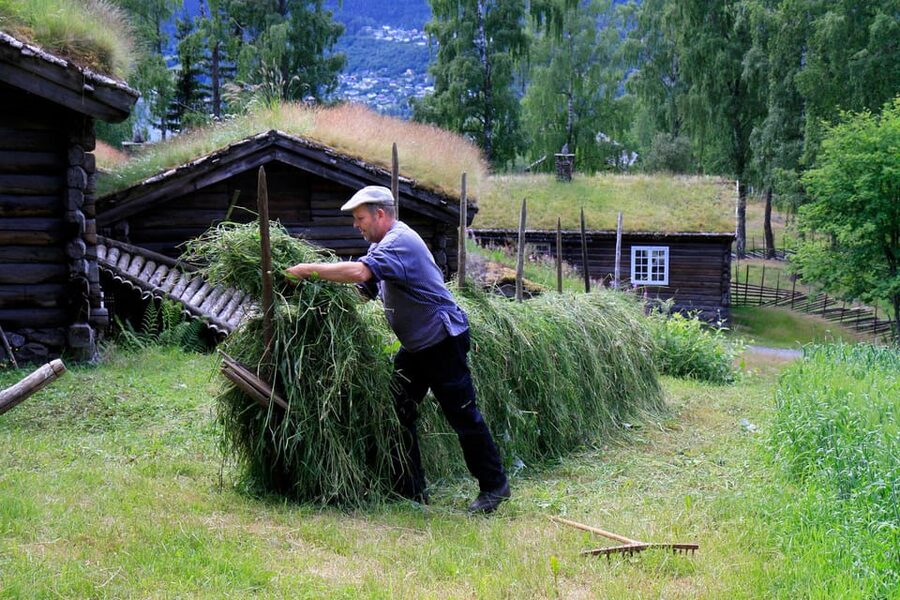
From the church, continue into the older farm sections. These buildings show how rural families lived and worked from the 1500s through the 1800s. You may find homes, barns, workshops, and other structures arranged to suggest working farm communities rather than a collection of unrelated objects.
The value here is in the ordinary details. A grand palace can tell you about a country’s rulers, but farm buildings reveal how most people cooked, stored food, worked, and organized family life. The sun-darkened timber, simple interiors, and practical layouts make the past easier to picture.
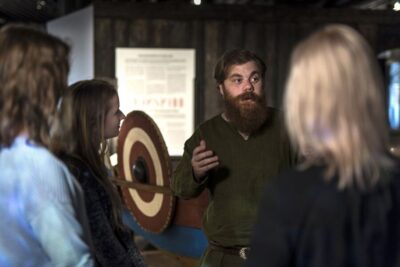
In summer, the setting becomes more active. Animals graze near the historic buildings, and traditional crafts may be demonstrated. Hosts and actors can appear inside some houses, helping explain how the spaces were used. These activities are seasonal, so you should not count on the same level of access outside the main summer period.
The outdoor area is spread out, and the visit includes walking between buildings. Wear comfortable shoes and give yourself time. If you rush, the houses can blur together. Instead, choose a few farm compounds and look closely at how each one is organized.
The 1900s, shown through homes you can recognize
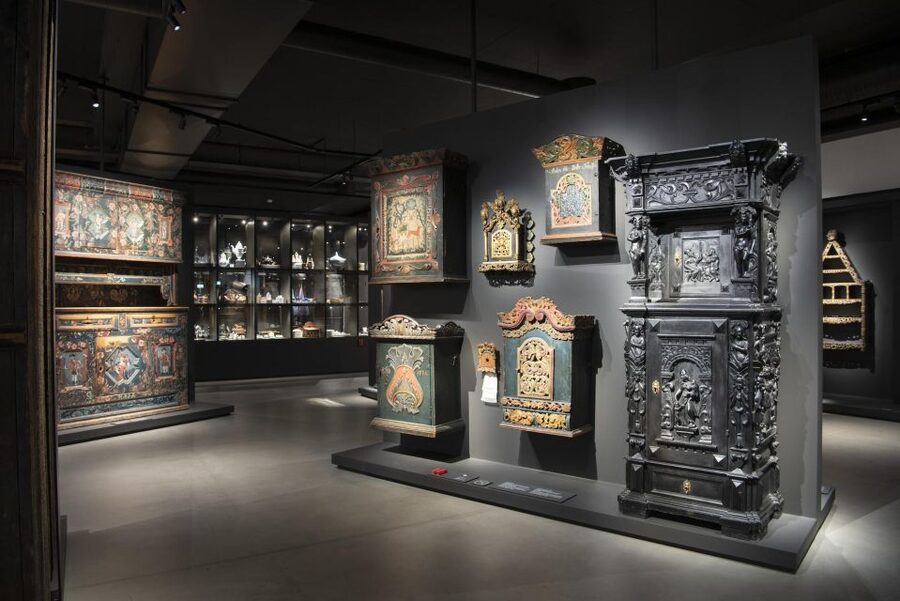
Maihaugen’s collection of 20th-century houses is one of its most accessible ideas. You can see homes from different decades and follow the changes in Norwegian domestic life, taste, technology, and design.
This section makes recent history feel surprisingly tangible. A medieval building can seem distant, but a house from the 1900s may look familiar enough to remind you of a grandparent’s home or a room from your own childhood. The progression through the decades shows that history is not only about kings, wars, and monuments. It is also about furniture, household routines, building materials, and changing ideas of comfort.
I especially like this part for families and younger visitors. Children may connect more readily with a house that resembles something they know than with a centuries-old structure. Adults can use the homes to discuss how quickly daily life changed during the last century.
The drawback is that not every building will be open at every time of year. In winter, only a small number of outdoor houses may be accessible, and you may end up viewing some interiors through windows. That does not make the visit worthless, but it changes the balance. The indoor museums become much more important during the colder months.
Same fjord country, a very different day out:
- Stockholm: City Archipelago Sightseeing Cruise with Guide
★ 4.3 · 10,798 reviews - Copenhagen: Canal Cruise with Guide
★ 4.6 · 9,115 reviews - From Bergen: The Original Fjord Cruise to Mostraumen
★ 4.7 · 8,440 reviews - Tromsø: Reindeer Sledding & Feeding with a Sami Guide
★ 4.8 · 6,417 reviews
Indoor exhibitions that explain the bigger picture
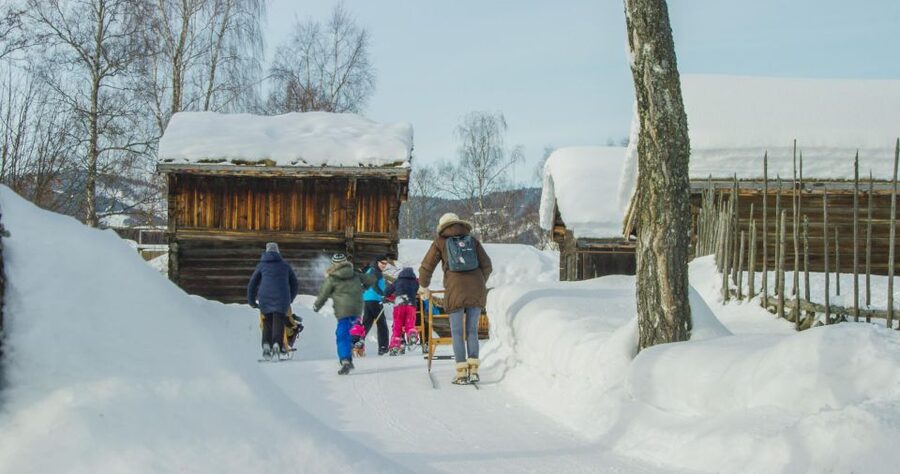
The indoor section is the museum’s most reliable part in every season. It offers a clearer overview of Norwegian history and culture than you can get from wandering through individual houses alone.
The exhibition Impulses helps place Norwegian culture in a wider story of ideas, objects, and influences. The exact displays can vary, but the point is to show that Norwegian life did not develop in isolation. Outside influences were adapted to local conditions, materials, customs, and communities.
We Won the Land looks at Norway’s relationship with land and settlement. This makes a useful companion to the farm buildings outside, since you can connect broad national themes with the practical realities of rural life.
I would visit the indoor exhibitions either first or midway through your day. Starting indoors gives you a framework for the outdoor buildings. Visiting after the farm sections lets you make sense of what you have just seen. In either case, the indoor displays help prevent Maihaugen from becoming a simple collection of old houses.
One visitor rated this covered section far above the winter outdoor visit because it presented Norway’s historical development in a clear and accessible way. That is useful advice for planning: if your schedule gives you only a short stop in winter, prioritize the indoor exhibitions and the Olympic Museum.
The Norwegian Olympic Museum and Lillehammer 1994
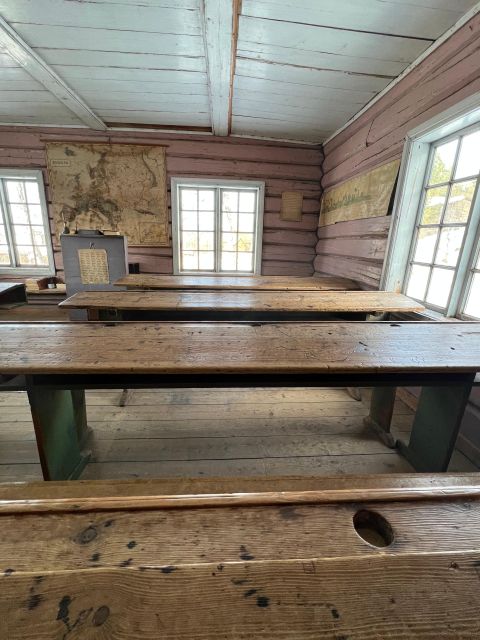
The Norwegian Olympic Museum is included in your admission and sits on the same site as Maihaugen. It shifts the subject from farms and churches to sport, national identity, and modern Norway.
The exhibition covers the Olympic Games from ancient times to the present, with special attention to Oslo 1952 and Lillehammer 1994. Original objects, interactive installations, and films bring the events to life. You do not need to be a serious sports fan to find value here. The displays also show how major international events shaped the way Norway presented itself to the world.
Lillehammer 1994 is the natural focus. The Games remain a major part of the town’s modern identity, and the museum lets you see the event beyond medal tables. Films and objects give the story a human scale, while the interactive elements can keep younger visitors interested.
This museum is an important balance to Maihaugen’s older buildings. After seeing rural life from centuries ago, you can trace Norway into the modern era and consider how the country’s public image changed. It also makes Maihaugen a good choice for mixed-interest groups. One person can focus on architecture and social history while another spends time with Olympic memorabilia.
Allow enough time here rather than treating it as a quick add-on. The ticket covers it, and it provides a different kind of experience from the outdoor grounds.
The Norwegian Postal Museum in summer
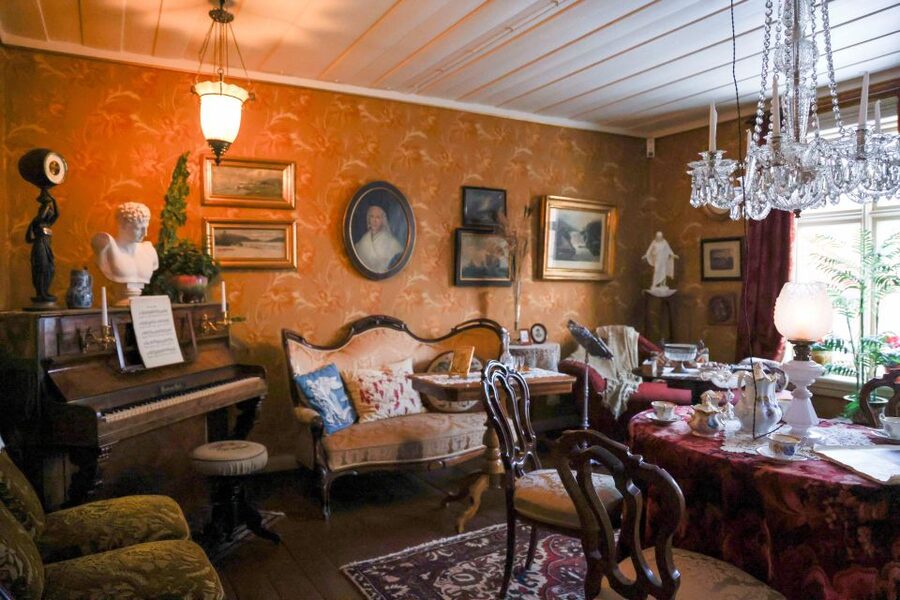
During the summer season, your admission also includes the Norwegian Postal Museum. It has preserved and presented Norwegian postal history since 1947.
The highlight is an old train with a postal carriage. That single object helps make the subject concrete. Postal systems are easy to overlook, but they tell you how people communicated, moved goods, and connected remote communities before modern digital services.
The Postal Museum is a seasonal extra, so you should not plan around it if you are visiting outside summer. When it is open, it adds another layer to the day without requiring a separate ticket.
It is also a useful stop if the weather turns poor. Maihaugen combines outdoor and indoor displays, so you can move between the two rather than losing the whole day to rain.
Food, shops, and the practical rhythm of a full day
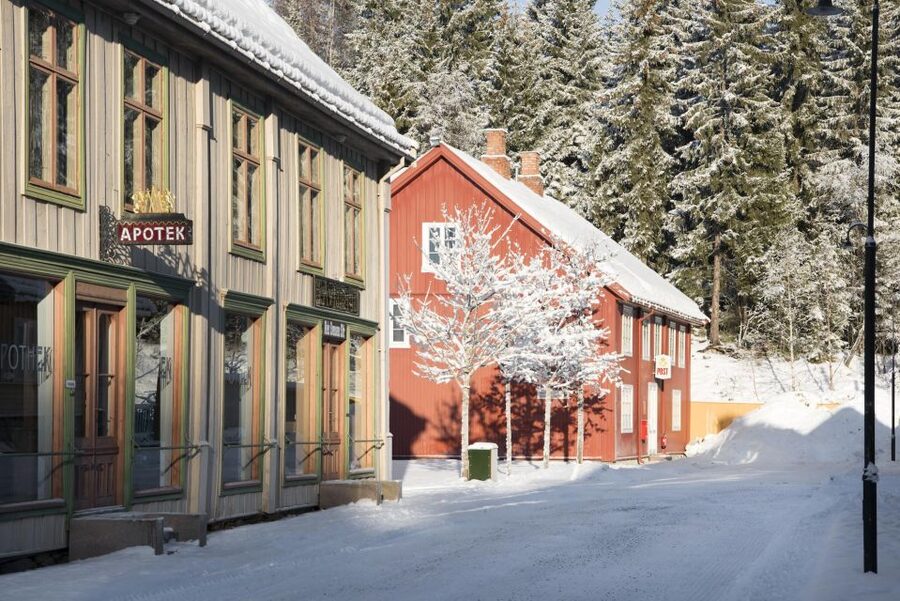
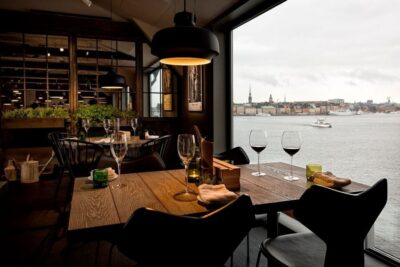
The main building has a cafeteria open all year. During summer, additional places to eat operate around the open-air museum. Food and drinks are not included in the $19 admission, so plan for that separately.
Because the grounds are extensive, the cafeteria is more than a convenience. A break helps you avoid museum fatigue, especially if you are visiting with children or trying to see the outdoor houses, indoor exhibitions, Olympic displays, and Postal Museum in one day.
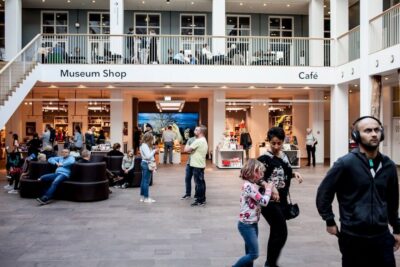
The museum shop sells quality design products, making it a practical place to look for Norwegian gifts. The selection is broader than a typical souvenir counter, with design items and handmade-style products that connect to the museum’s focus on craft and everyday life.
A full day is sensible if you want to see the main sections without rushing. You can spend less time if you focus on the Olympic Museum and the central indoor exhibitions, but the open-air grounds reward a slower visit.
Transportation to Maihaugen is not included, so you must arrange your own way to the museum. Once there, go to the Visitor Center first. The site is wheelchair accessible, though the outdoor setting and distances between buildings are worth keeping in mind when planning your pace.
Summer or winter: choose the right version of Maihaugen
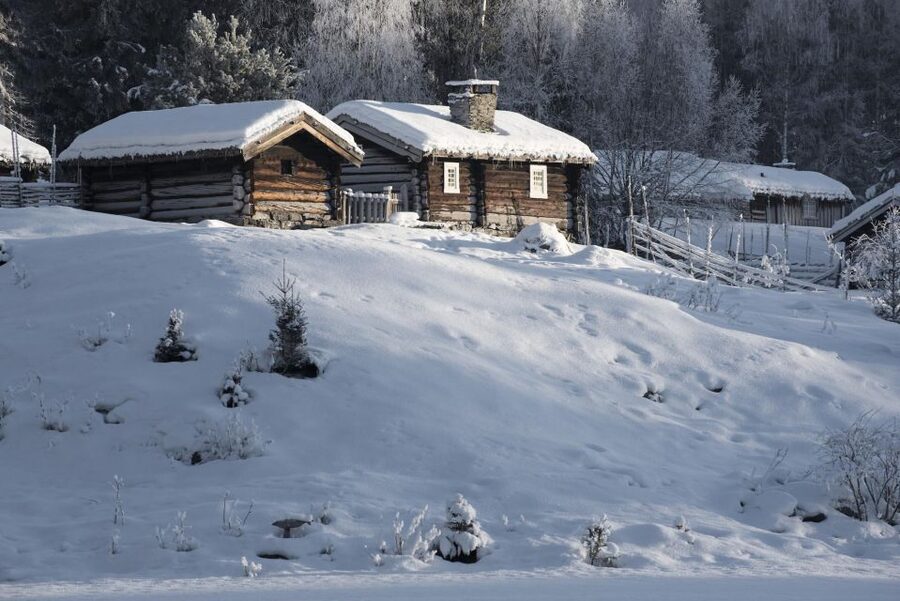
Summer is the strongest season for the complete Maihaugen experience. More outdoor buildings are open, hosts and actors may be present, traditional crafts are easier to see, and farm animals add life to the historic setting. The Norwegian Postal Museum is also open during summer.
Winter has a different appeal but requires more careful planning. Maihaugen remains open, and the indoor exhibitions and Norwegian Olympic Museum provide solid reasons to visit. However, many outdoor houses may be closed, leaving you to look through windows or read about them from outside.
If your main goal is the open-air museum, choose summer. If you are in Lillehammer during winter and care most about Norwegian history, design, or Olympic sport, the visit can still be worthwhile, but set aside less time for the outdoor buildings.
The first weekend of Advent brings Maihaugen’s Christmas Market. Historic houses are decorated for the season, and stalls sell Norwegian crafts, local food, handmade goods, and Christmas decorations. It is a special event rather than a normal museum day, so expect the emphasis to shift toward shopping and seasonal activities.
Is the $19 admission good value?
At $19 per person for one day, the ticket covers several separate experiences: the open-air museum, indoor exhibitions, outdoor displays, the Norwegian Olympic Museum, and the Norwegian Postal Museum during summer.
That is good value if you use the ticket as a full-day pass. The price becomes less attractive if you arrive late, visit in winter expecting every historic house to be open, or skip the indoor museums. The Olympic Museum alone gives the visit a modern focus, while the outdoor grounds provide the largest share of the physical setting.
Families can get particularly good value because the site offers variety. Children can see animals and old homes, adults can study architecture and social history, and sports fans have a dedicated museum. The main cost beyond admission is food, drinks, and transportation to the site.
Free cancellation up to 24 hours before the visit and a reserve-now, pay-later option make the booking fairly flexible. The ticket is valid for one day, with starting times checked during booking.
Who should visit Maihaugen?
I would recommend Maihaugen to you if you want more than a quick photo stop in Lillehammer. It suits people interested in Norwegian architecture, rural life, design, family history, and the development of modern society.
It is also a smart choice for families. The mix of historic houses, animals, indoor displays, and Olympic material gives children several ways into the subject. You do not need to read every panel to have a worthwhile day.
The site is less suitable if you want a short, tightly organized guided tour. The grounds are large, the route is not always obvious, and winter access to the houses can be limited. Visitors who prefer everything in one compact building may find the outdoor section tiring.
Should you book Maihaugen?
Book it if you have a full day in Lillehammer, especially from late spring through summer, and want a broad look at Norwegian life from the 1200s to the present. Make Garmo stave church, the old farms, the 20th-century houses, and the Olympic Museum your core stops.
In winter, book with a different plan. Give priority to the covered exhibitions and Norwegian Olympic Museum, and treat the outdoor buildings as a bonus rather than the main event. At $19, the combination remains worthwhile, but the season greatly affects what you can enter and experience.
FAQ
Where is Maihaugen located?
Maihaugen is located in Lillehammer, in Innlandet County, Norway.
How long is the admission valid?
The ticket is valid for one day.
What is included in the admission?
Admission includes the Maihaugen open-air museum, indoor exhibitions, outdoor exhibitions that are available during the season, and the Norwegian Olympic Museum. The Norwegian Postal Museum is included during summer.
Is the Norwegian Postal Museum open all year?
No. The Norwegian Postal Museum is open during the summer season.
Is Maihaugen open during winter?
Yes. Maihaugen is open all year, but many outdoor buildings and activities may have limited access during winter.
Is the museum wheelchair accessible?
Yes, the activity is listed as wheelchair accessible.
Can I cancel my booking?
Yes. You can cancel up to 24 hours in advance for a full refund. You can also reserve now and pay later.
Just added around Scandinavia
- Stockholm: Evening Wildlife Safari with Midsummer Meal★ 4.2 · 130 reviews
- Wilderness Tour with Snowmobile & Ice Fishing★ 4.9 · 28 reviews
- World War II Stockholm Old Town Walking Tour and Army Museum★ 4.6 · 4 reviews
- Vossevangen: Nærøyfjord Full-Day Guided Kayaking Trip★ 4.8 · 4 reviews
- West Sweden: Sea Kayak Delight in Nature Reserves★ 5.0 · 6 reviews
- From Svolvær: Whale Watching Day Trip to Andenes★ 3.8 · 27 reviews
- Voss: Family Rafting on the Vosso River★ 4.7 · 23 reviews
- Voss: Thrilling Whitewater Rafting Guided Trip★ 4.6 · 56 reviews
Museums, compared.
Stockholm Pass: Save up to 50% – Includes Vasa Museum Ticket
Read our review →

Browse the lists this tour appears in