
Reviewed · WALKING TOURS
The Vigeland Park in Oslo: Insta-Perfect Walk with a Local
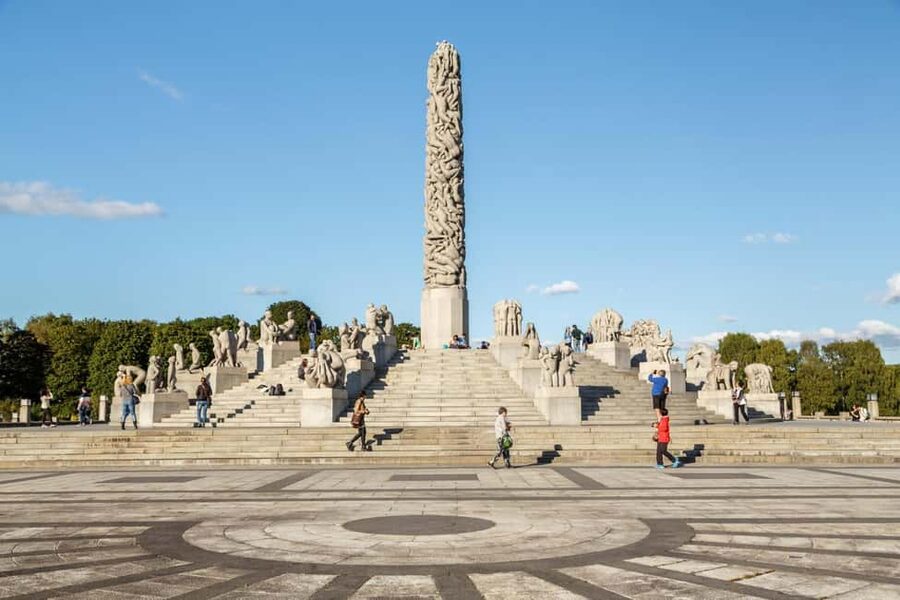
Vigeland Park is more than a quick photo stop. It is an open-air collection of Gustav Vigeland’s human sculptures, arranged along broad paths in Frogner Park, and this 90-minute walk gives you a local guide to help make sense of it. You’ll photograph the famous Monolitten, hear about Vigeland’s work and vision, and see parts of the park that are easy to rush past.
I like the small group size, capped at eight, because it gives you a better chance to ask questions and adjust the pace. I also like the practical local angle: Maria, one of the guides, has shared public transportation advice in advance and offered useful suggestions for cafés, food, and places to try next.
The main drawback is the price, $124 per person for 90 minutes. That can be fair if you value personal guidance and photography help, but it is a lot for a short walk in a public park. The route also involves walking and is not suitable for people with mobility impairments.
In This Review
- Key points at a glance
- Starting outside Oslo City Museum
- Why Vigeland Park works so well for photographs
- Making sense of Gustav Vigeland’s work
- A local view of Frogner Park
- How the 90 minutes may feel
- What $124 per person buys you
- Who will get the most from this walk
- Maria’s practical touch
- Weather, pace, and what to pack
- Should you book the Vigeland Park walk?
- FAQ
- Where does the Vigeland Park walk begin?
- Where does the activity end?
- How long does the tour last?
- Which languages are available?
- How many people can join the group?
- Is the tour suitable for people with mobility impairments?
- Are transportation, museum, and monument tickets included?
- What should I bring?
Key points at a glance
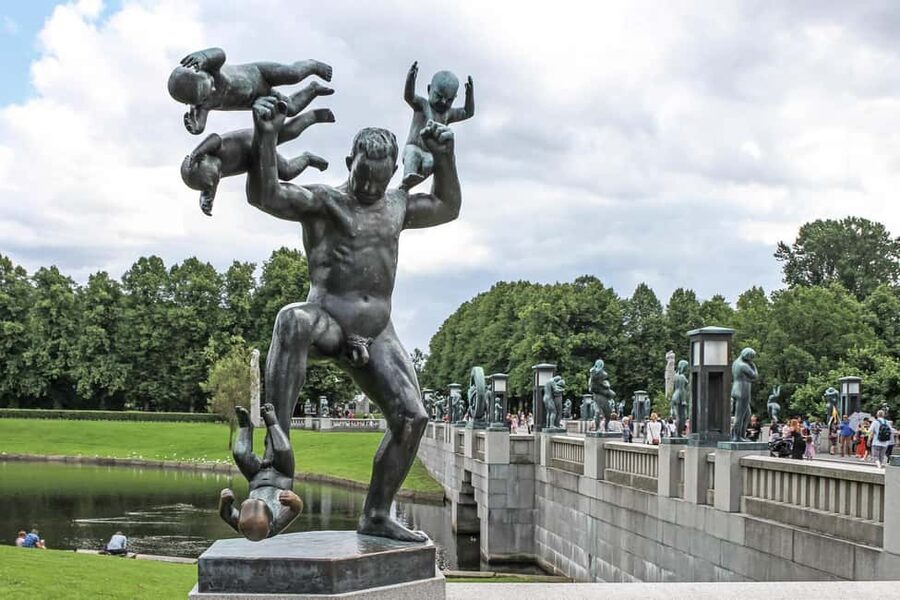
- Monolitten is the visual centerpiece: Expect time around Vigeland Park’s best-known landmark and other strong photo locations.
- Maria has made the local advice practical: Her guidance has included public transportation information before the meeting.
- Vigeland’s ideas are part of the walk: This is not only a photo hunt. You’ll get context about the sculptor’s work and vision.
- Eight people is the maximum: A small group makes it easier to ask questions and request a slower or faster pace.
- The route can change: Weather, walking pace, and group interests can affect the stops.
- You finish where you start: Meet outside the main entrance to the Oslo City Museum in Frogner Park, then return there at the end.
Starting outside Oslo City Museum
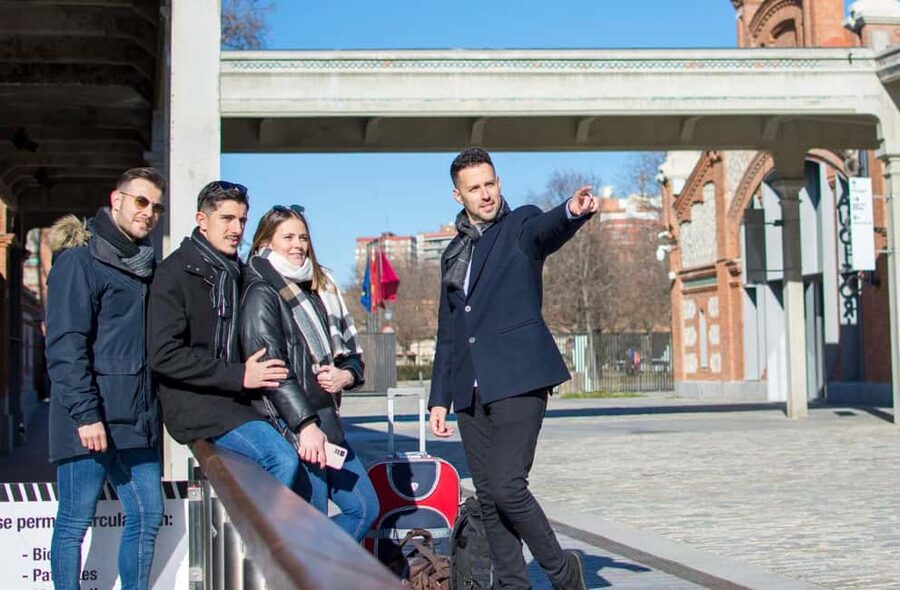
Your meeting point is outside the main entrance to the Oslo City Museum in Frogner Park. This is a useful arrangement because you begin inside the park area rather than spending part of your 90 minutes walking in from another part of Oslo.
You should arrive with comfortable shoes, water, weather-appropriate clothing, and a charged smartphone. The phone matters here. Photography is a central part of the walk, and you will want enough battery for photos, maps, and any notes you make during the tour.
The guide speaks English or Norwegian. Since the activity is hosted by an independent local, the personality and style can vary by departure. That can be a plus if you enjoy a less scripted walk, though you should not expect the same presentation from every guide.
The activity ends back at the meeting point. That makes it easy to continue exploring Frogner Park afterward, return to your hotel, or use public transportation for your next stop. Transportation costs are not included, so plan for those separately if you need them.
A few more Oslo trips to weigh up
- Oslo: Best of Oslo Walking Tour
★ 4.5 · 458 reviews - Oslo: Guided Walking Tour of Central Oslo
★ 4.7 · 438 reviews - Oslo: Historic Myths & Legends Evening Walking Tour
★ 4.8 · 408 reviews
Why Vigeland Park works so well for photographs
Vigeland Park gives you plenty to photograph without requiring a long journey across Oslo. The sculptures, paths, open views, and carefully arranged public spaces create a natural sequence of photo stops.
The main appeal is variety. You can take wide shots showing the park’s layout, closer images of individual figures, and simple street-style pictures that include the paths and surrounding daily life. The guide’s role is to help you spot the places that work best for social posts while also explaining what you are looking at.
Monolitten is the obvious highlight. This tall column of carved human figures is one of the park’s most recognizable sights, and the tour specifically points you toward it for photographs. You should expect other stops around the park as well, but the exact route is not fixed.
That flexibility matters. Weather can change the best place to stop, and a group interested in sculpture may spend more time listening while a group focused on photography may move between viewpoints more quickly. The itinerary also adapts to walking pace and personal interests.
A small group helps here. With no more than eight people, it should be easier to pause for a photo without holding up a large crowd. You can also ask the guide to explain a particular sculpture or suggest another angle.
Making sense of Gustav Vigeland’s work
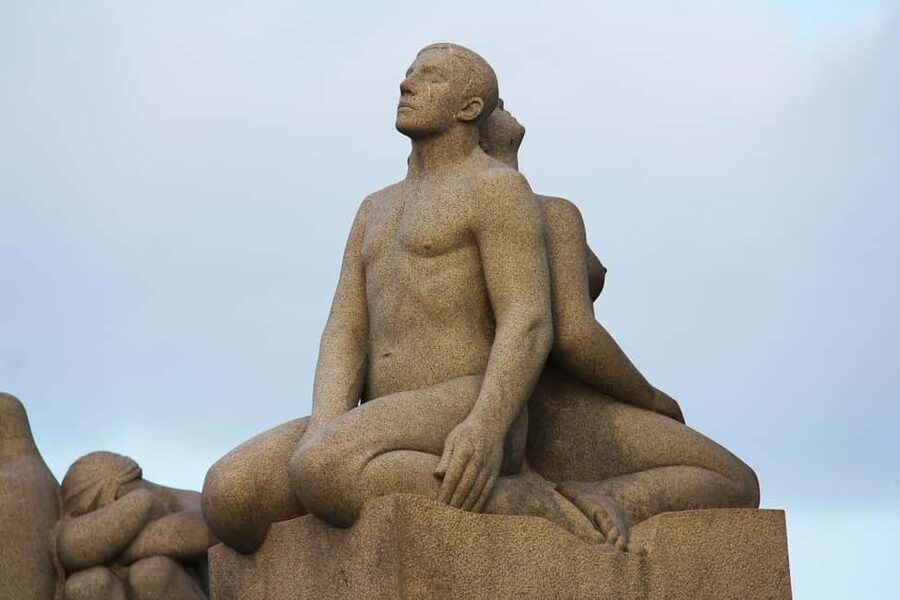
A guide adds value in a park where the sheer number of sculptures can become overwhelming. Without context, you may take a few pictures, admire the stonework, and move on. With a local explanation, you have a better chance of understanding the themes and choices behind the display.
The walk includes discussion of Vigeland’s work and vision. That is an important part of the experience, especially if you are not familiar with the sculptor before arriving. You are not simply collecting images for your phone. You are also learning how the park’s art fits together.
The supplied information does not give a detailed list of every sculpture visited, so you should not book this expecting a guaranteed stop at a specific minor work. Monolitten is identified as a main photo location, while the remaining stops may change with weather and group interests.
That uncertainty is worth accepting if you prefer a personal walk over a rigid checklist. If you want to see every major sculpture in a precise order, a self-guided visit with a park map may suit you better. This activity is designed around local interpretation, photos, and a flexible pace.
A local view of Frogner Park
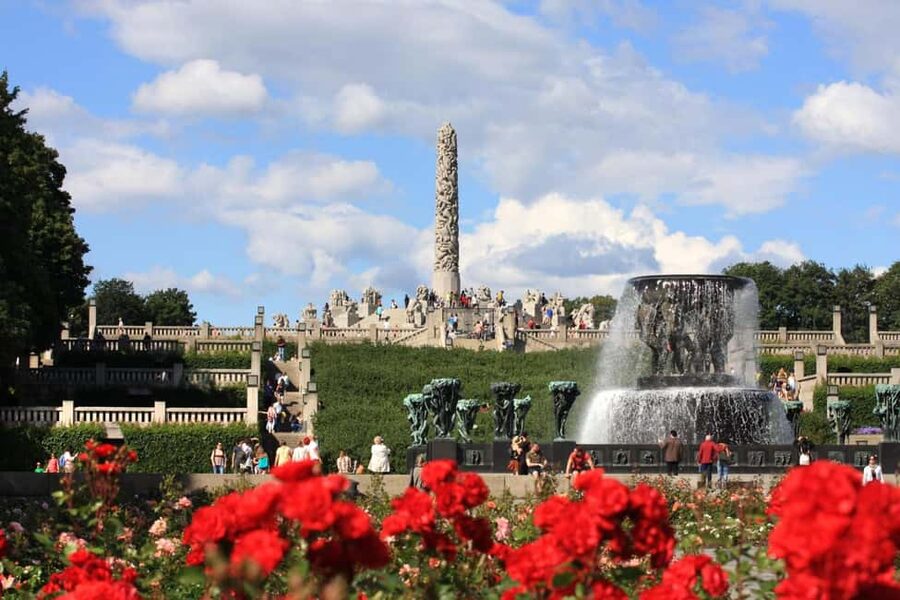
The walk is presented as more than a tour of the sculpture grounds. It also aims to show everyday Oslo life through charming neighborhoods, markets, alleyways, and ordinary corners near the park.
The exact neighborhoods, markets, and alleyways are not specified, so you should treat this as a broad promise rather than a fixed route. Your guide may shape the walk around the group and the conditions that day.
This local angle can be useful at the start of an Oslo visit. You can ask for ideas about trendy cafés, food, and upcoming places to try. The recommendations are personalized rather than part of a standard restaurant list, which makes them more useful if you tell the guide what you enjoy.
Keep your expectations sensible. The activity lasts only 90 minutes, so it cannot provide a full tour of Oslo’s neighborhoods or food scene. Think of it as a short orientation around Vigeland Park, with suggestions for what to do next.
The best use of the time is to ask direct questions. If you need public transportation advice, restaurant ideas, or suggestions for the rest of your Oslo stay, bring those questions with you. Maria has provided transport information before meeting, which suggests that practical help is part of the service, not an afterthought.
Same fjord country, a very different day out:
- Oslo: Scenic Fjord Cruise with Audio Guide Commentary
★ 4.5 · 5,375 reviews - Oslo Nature Walks: Island Hopping Tour
★ 4.8 · 2,713 reviews - Oslo: 100% Electric Oslofjord Sightseeing Cruise
★ 4.4 · 2,041 reviews - Oslo: Fjord Evening Cruise with Shrimp Buffet
★ 4.5 · 1,956 reviews
How the 90 minutes may feel

The tour has enough time for a focused visit, but not enough for a slow study of every sculpture. You will likely spend the opening portion meeting the guide and getting oriented near the Oslo City Museum entrance.
From there, the walk moves through the park’s notable sights and photo locations. Monolitten is the clearest named stop. Other scenic spots and parts of the park may be added depending on weather, pace, and what interests the group.
Along the way, the guide provides historical facts and anecdotes about Oslo’s culture and Vigeland’s artistic ideas. The mix of walking, photography, and explanation should keep the visit active rather than turning it into a long lecture.
The final part returns you to the starting point. Since the activity is compact, you can fit it into a morning or afternoon without giving up an entire day. Check the available starting times when booking, since the listed schedule does not specify one universal departure time.
A 90-minute limit is both a strength and a weakness. It works well for a first look, a shore excursion-style stop, or a short visit between other plans. It may feel rushed if you want long pauses for every sculpture or if your group walks slowly.
What $124 per person buys you
At $124, this is a premium short tour. You are not paying for admission to a museum, monument, or transportation. Those costs are excluded, and the park walk itself does not depend on a paid entry ticket.
The price covers a local guide, a small group, and personalized recommendations. The strongest value comes from the human part of the tour: help finding photo locations, explanations of Vigeland’s work, and advice tailored to your interests.
I would consider it reasonable for someone who wants a private or intimate outing and does not want to research the park beforehand. It is less convincing for a budget-minded visitor who is happy to walk through the park alone and read about the sculptures independently.
The available format also matters. Private or small-group options are offered, though the exact price and arrangement can depend on the booking choice. A private departure could make the cost easier to justify if you want control over the pace or have specific photography goals.
For two people, the total cost becomes significant. Before booking, ask yourself what you want from the visit. If the answer is a quick look at famous sculptures, save the money. If you want a local introduction, personal questions answered, and stronger use of your limited time, the fee has a clearer purpose.
Who will get the most from this walk
This activity suits first-time visitors who want a friendly introduction to one of Oslo’s best-known public art sites. It also works for people who care about photography but would rather have a local point out the strongest views than find them by trial and error.
It is a good match for solo visitors and couples who value conversation. The small group limit keeps the setting more personal than a large sightseeing coach tour.
You may also appreciate it if you want to connect Vigeland’s sculptures with Oslo’s daily life. The local recommendations can help you plan the rest of your day, especially if you ask for food and café suggestions.
The tour is less suitable for visitors with limited mobility. The activity is a walking tour, and the supplied details specifically say it is not suitable for people with mobility impairments. Comfortable shoes are essential, and weather-appropriate clothing is not optional in Oslo.
It may also disappoint serious art historians looking for a long, detailed lecture. The walk is short and photo-focused, with historical context added along the way. For a deeper art study, you would need more time than this format provides.
Maria’s practical touch
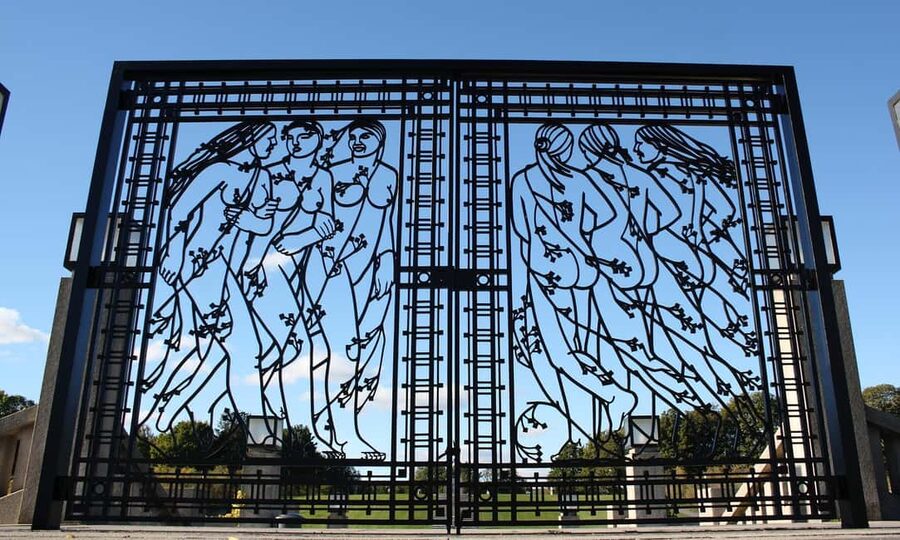
Maria is the only guide name connected with the information provided, and her strengths are easy to identify. She checked in before the meeting, sent public transportation information, and discussed Vigeland’s work and artistic vision during the walk.
That early contact can remove a common Oslo headache: figuring out how to reach Frogner Park. It also gives you a chance to clarify meeting details before you arrive.
Her approach appears to combine art interpretation with practical help. I like that balance. A guide who can explain the sculptures but also tell you how to get around Oslo is more useful than someone who only recites dates.
You should still remember that the activity may be led by an independent local other than Maria. The language options are English and Norwegian, and the guide assigned to your departure may have a different style.
Weather, pace, and what to pack

This is an outdoor walk, so weather can change the shape of the visit. Stops may vary depending on conditions, and the group’s walking pace also affects the route.
Bring a charged smartphone if you want to photograph the park. Water and comfortable shoes will make the walk easier, while weather-appropriate clothing protects you from Oslo’s changeable conditions.
No personal expenses are included. You should budget separately for food, drinks, transportation, and any museum or monument entry you choose to add before or after the walk.
Free cancellation is available up to 24 hours before the activity for a full refund. You can also reserve now and pay later, which helps if your Oslo schedule is still shifting.
Should you book the Vigeland Park walk?
Book it if you want a short, personal introduction to Vigeland Park, especially if you care about taking good photos and want help understanding the sculptures. The combination of Monolitten, local stories, transport advice, and food recommendations makes the walk more useful than a simple stroll.
Skip it if $124 feels too high for 90 minutes or if you are comfortable exploring public parks on your own. Vigeland Park can be visited without this activity, and the tour does not include transport, museum tickets, or monument entry.
My practical advice is to book this for the first part of an Oslo stay, not the final hour before departure. You can use the guide’s local suggestions afterward, and you will have time to return to the park if a sculpture or photo spot deserves another look.
FAQ
Where does the Vigeland Park walk begin?
Meet your guide outside the main entrance to the Oslo City Museum in Frogner Park.
Where does the activity end?
The walk ends back at the meeting point outside the Oslo City Museum.
How long does the tour last?
The activity lasts 1.5 hours, or 90 minutes. Starting times depend on availability.
Which languages are available?
The live guide speaks English or Norwegian.
How many people can join the group?
The group can include up to eight travellers. Private and small-group options are available.
Is the tour suitable for people with mobility impairments?
No. The activity is listed as unsuitable for people with mobility impairments.
Are transportation, museum, and monument tickets included?
No. Entry tickets for transportation, museums, and monuments are not included.
What should I bring?
Bring comfortable shoes, water, weather-appropriate clothing, and a charged smartphone.
Just added around Oslo
- 4 hours Best View of the Oslofjord Winter Edition★ 4.0 · 15 reviews
- Unknown war. Oslo and Norway during 1940-45★ 5.0 · 74 reviews
- Oslo Winter Highlights Bike Tour★ 5.0 · 36 reviews
- The Ultimate Norwegian Skiing Experience★ 5.0 · 16 reviews
- The Viking Planet Museum Ticket★ 4.0 · 197 reviews
- The Viking Planet Museum – Mini Group (4 adults)★ 4.0 · 16 reviews
- The Scenic Roadtrip, Oslo to Bergen via Flam & the Fjords★ 5.0 · 25 reviews
- Visit the Instaworthy Spots of Oslo’s Vigeland Park with a Local★ 5.0 · 4 reviews
Walking Tours, compared.
Past & Present Small Group Guided Walking Tour
Read our review →
Walking Tour in Bergen of the Past and Present
Read our review →

The Original Stockholm Ghost Walk and Historical Tour – Gamla Stan
Read our review →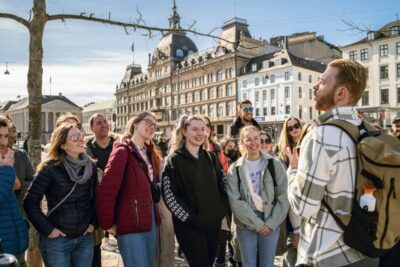
Group Walking Tour – City Highlights – 2 Hours
Read our review →Browse the lists this tour appears in