
Reviewed · MUSEUMS
Copenhagen: Danish War Museum Entry Ticket
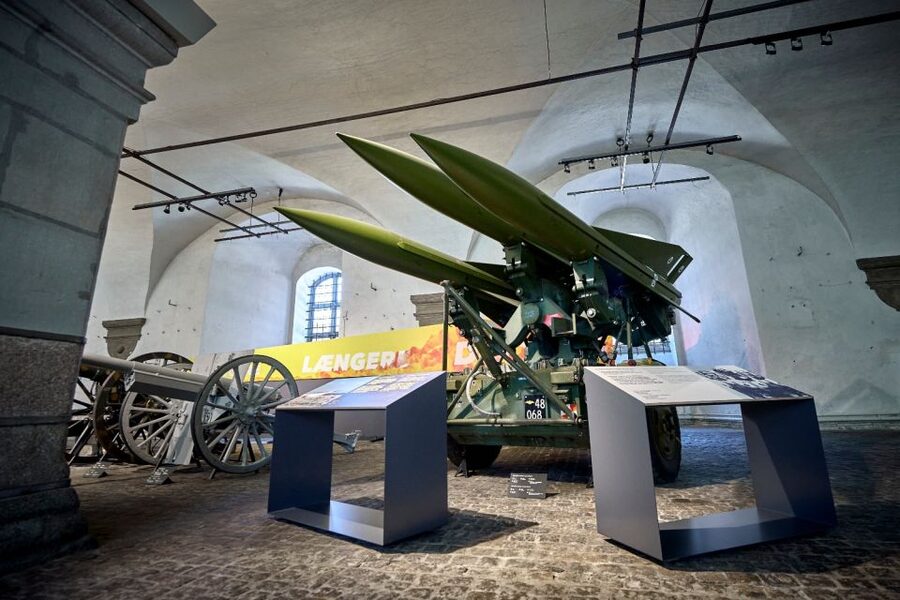
The Danish War Museum puts centuries of conflict under one roof, inside a 1604 Arsenal building ordered by Christian IV. Its first-floor hall stretches 163 meters, making it the longest room in the Nordic countries. I like the sheer variety here, from shining knightly armor to a military vehicle damaged by a roadside bomb in Afghanistan. I also like that the museum gives war a human scale with Danish stories from the seven seas, told while you rest in a hammock.
The main drawback is practical: there is currently no elevator to the first floor, where much of the exhibition space is found. You can bring your own wheelchair or baby carriage, but the stair access may limit what some visitors can see. At $20 per person, this is a good-value stop for anyone who wants more than a quick display of weapons, though it may be less rewarding if military history is not your thing.
In This Review
- Key points to know before you go
- Entering the 1604 Arsenal building
- From knightly armor to Sweden’s wars
- The 19th-century conflict with England
- Hammocks and Danish stories from the seven seas
- World War II and the Cold War
- The Afghanistan vehicle and modern military service
- The American Civil War uniform and the 150-year-old biscuit
- The new exhibition asks what drones change
- What $20 gets you for a full day
- Who will get the most from this visit
- Practical advice for a better visit
- Should you book the Danish War Museum?
- FAQ
- Where is the Danish War Museum located?
- How much does admission cost?
- How long is the ticket valid?
- What period does the museum cover?
- What is special about the first-floor hall?
- What unusual objects can you see?
- Does the museum have an exhibition about drones?
- Is the museum accessible by wheelchair or baby carriage?
Key points to know before you go
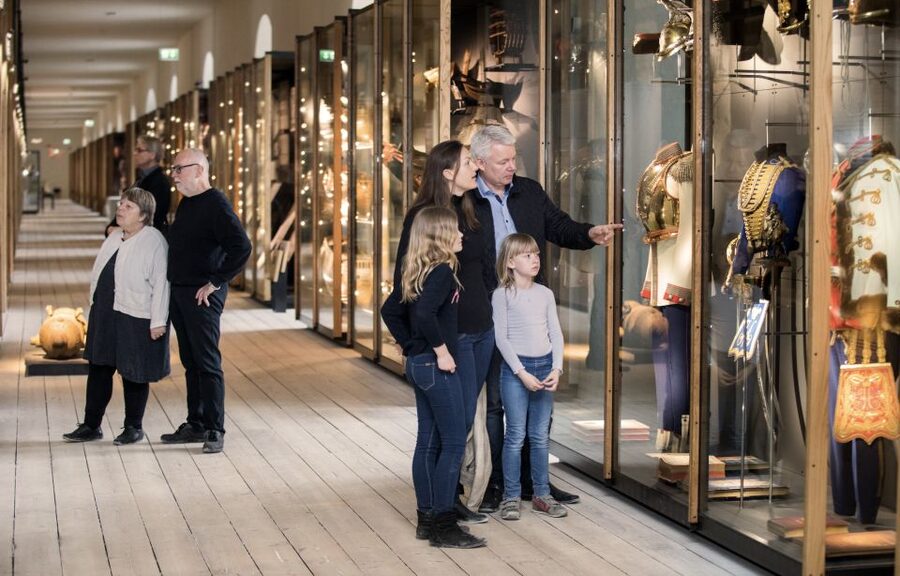
- The 163-meter first-floor hall gives the museum an unusual sense of scale and space.
- Exhibits cover the 1500s through the War in Afghanistan, linking older European conflicts with Denmark’s modern military role.
- The objects are often unexpected, including a ship made from bones, a 150-year-old biscuit, and a complete American Civil War uniform.
- The hammock area adds a quieter pause, with Danish tales connected to the seven seas.
- A new drone exhibition asks difficult questions about surveillance, autonomous weapons, and the future of warfare.
- Accessibility needs planning, since there is no elevator to the first floor, although personal wheelchairs and baby carriages are allowed.
Entering the 1604 Arsenal building
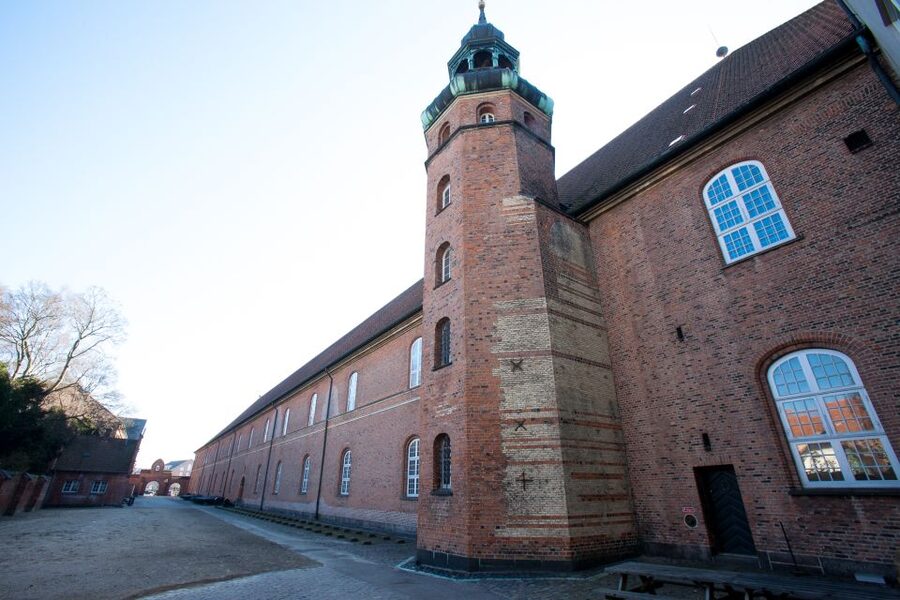
Your visit begins in a building that is part of the story. The Danish War Museum occupies the historic Tøjhus, an Arsenal built in 1604 under Christian IV. It once functioned as an armory, so the setting is not a modern shell filled with old objects. The building was created for military use.
That matters because the museum’s large interior helps you understand how weapons and equipment were stored and displayed in earlier centuries. Instead of moving through a series of small, disconnected rooms, you get a long central hall with room for substantial objects and broad historical themes.
The first-floor hall runs for 163 meters. That is a striking feature even before you stop to study individual objects. I would give yourself time to look up, down, and along the length of the room. The scale helps explain why this is more than a quick museum visit.
The ticket is valid for one day, so you do not need to race through the displays. You can spend time with the objects that catch your eye, take a pause in the hammock area, and return to a section if the first pass leaves you with questions.
A few more Copenhagen trips to weigh up
- Copenhagen: National Museum of Denmark Entry Ticket
★ 4.5 · 960 reviews - Copenhagen: Amalienborg Palace Museum Entry Ticket
★ 4.3 · 291 reviews - Exhibition – Home of Carlsberg
★ 4.5 · 281 reviews
From knightly armor to Sweden’s wars
The displays begin with Denmark’s military past from the 1500s onward, while also showing armor and weapons associated with earlier Danish knights. The shining armor is an immediate visual draw. It helps you picture the physical demands of warfare before modern firearms, engines, and electronic systems changed the battlefield.
I like this early section because armor is easy to understand at a glance. You do not need a long explanation to see how much metal a soldier carried, or how protection and movement had to be balanced. The weapons make the same point in a more direct way.
The museum also covers Denmark’s 17th-century war with Sweden. This period is important for understanding Denmark as a kingdom surrounded by competing powers. The display does not treat war as an abstract list of dates. Objects give the conflict a material presence, showing what armies carried, wore, and used.
You will find weapons from different centuries, but the value comes from comparing them. A visitor interested in design can follow changes in materials and firepower. Someone with less background can simply watch the technology grow more complex and more destructive.
The 19th-century conflict with England
The museum continues into the 19th century and Denmark’s conflict with England. This section broadens the picture beyond wars with neighboring Sweden. It reminds you that Denmark’s military story was shaped not only by land campaigns, but also by its position on important sea routes.
The sea theme becomes especially useful later in the visit, but it begins here through the country’s wider military concerns. Denmark’s connection to the water is not just scenery. Ships, trade, naval power, and access to the coast all affected how the country defended itself.
One of the more unusual objects in the museum is a ship model made from bones. It may sound like a curiosity, and it is certainly memorable, but it also gives the collection a personal and unexpected edge. Military museums can sometimes become a parade of uniforms and weapons. An object like this breaks up that rhythm and encourages you to ask who made it, why it was made, and what life looked like away from the battlefield.
Hammocks and Danish stories from the seven seas
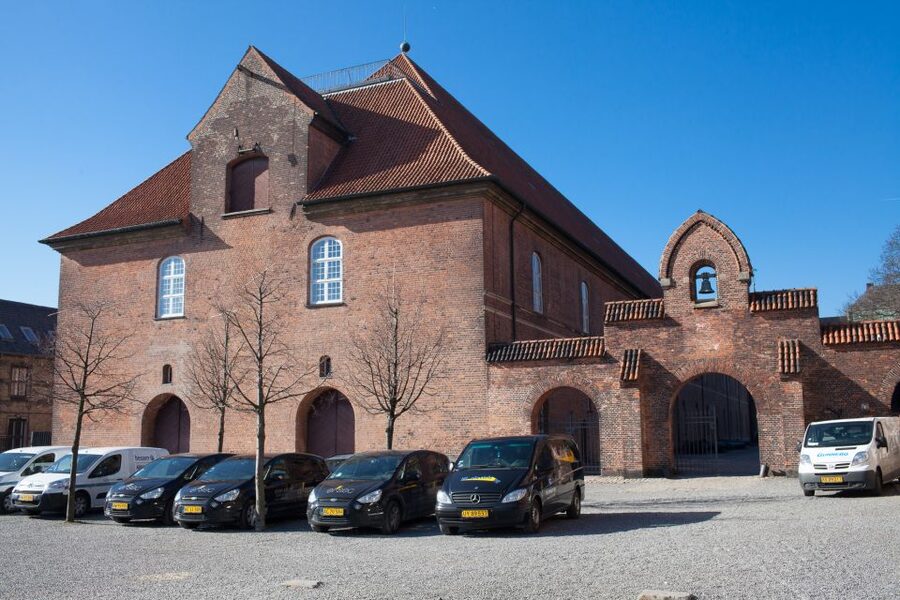
The hammock area is one of the museum’s most distinctive touches. After looking at armor, weapons, and military equipment, you can sit back and listen to Danish stories from the seven seas.
This pause changes the pace of the visit. You are not being asked to study another object or read another wall panel. Instead, the hammock offers a more relaxed way to connect Denmark’s military past with its seafaring identity.
I would not skip it simply because it sounds less serious than the war displays. A museum visit can become tiring when every room demands close reading. The hammock gives you space to rest and lets the sea stories add a different kind of context.
It is also a useful stop for families or mixed-age groups. One person can take a break while another continues looking at the exhibits. The provided details do not specify how long the stories last or whether they are available at set times, so check the museum’s current arrangements when you arrive.
Same fjord country, a very different day out:
- Copenhagen: Canal Cruise with Guide
★ 4.6 · 9,115 reviews - Copenhagen: Hop-On Hop-Off Bus Tour with Boat Tour Option
★ 3.9 · 4,122 reviews - Private Walking Grand Tour of Copenhagen
★ 5.0 · 3,953 reviews - From Copenhagen: Lund and Malmö 2-Country Tour
★ 4.7 · 2,772 reviews
World War II and the Cold War
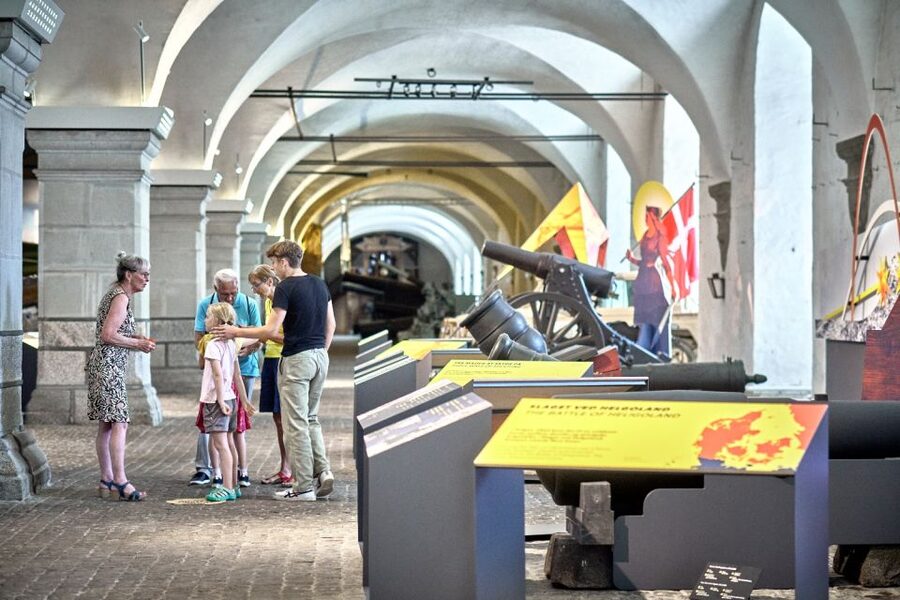
The museum then brings Denmark into the 20th century, including World War II and the Cold War. These sections connect military events to the modern country you see today.
World War II is a key turning point because it sits close enough to the present to feel familiar, yet far enough away for the objects to carry historical distance. The Cold War section adds a different mood. It deals with a period shaped by tension, preparation, and the threat of conflict rather than one single battlefield.
The museum’s strength here is the long view. You can compare the concerns of earlier armies with those of the modern Danish defense. The basic questions remain recognizable: How do you protect a country? What equipment do you need? How do you respond when a threat is unclear or changes quickly?
If you prefer a focused museum with one narrow subject, the broad time span may feel like a lot. If you like seeing connections across centuries, it is one of the ticket’s main advantages.
The Afghanistan vehicle and modern military service
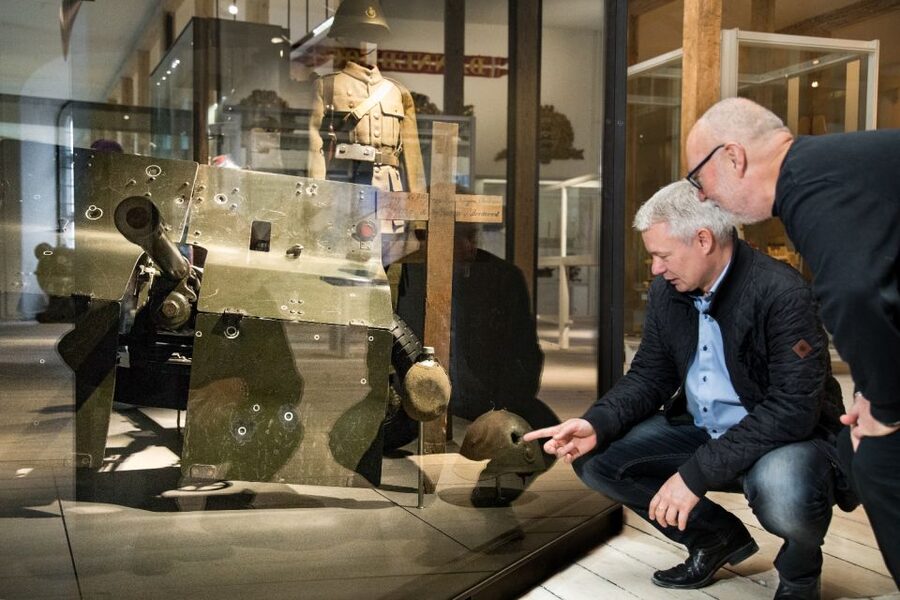
The museum does not stop with older wars. It reaches the War in Afghanistan and Denmark’s role in 21st-century conflicts.
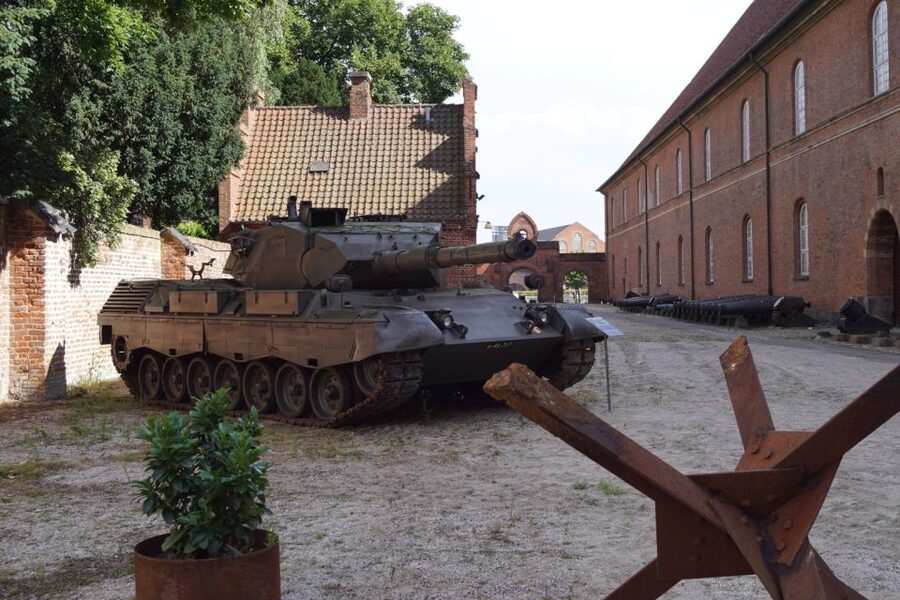
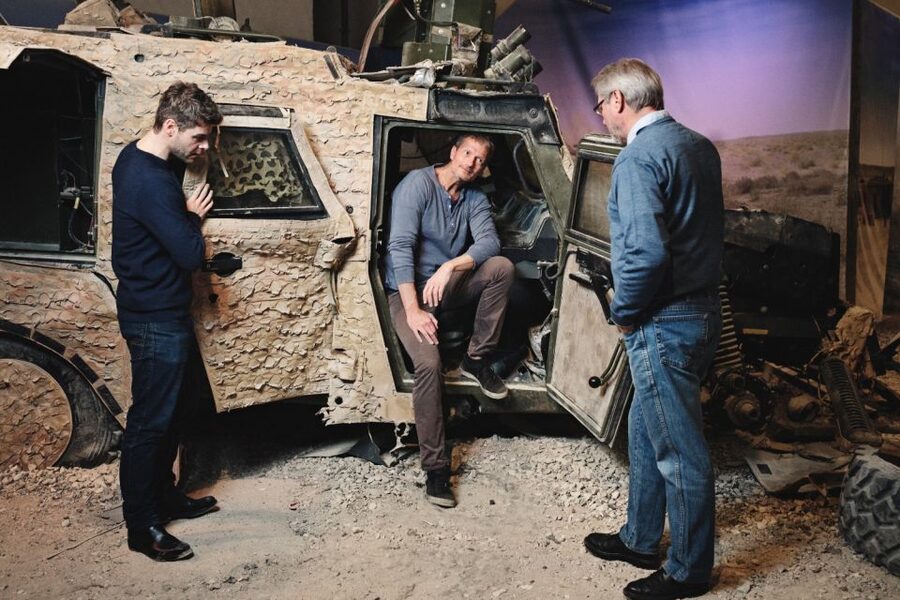
One especially striking object is a military vehicle that ran over a roadside bomb in Afghanistan. Everyone inside survived. The vehicle makes modern warfare feel immediate in a way that a date on a wall cannot. It shows the kind of danger faced by service members and the protective role of military engineering.
This is also where the museum becomes less about polished weapons and more about risk, survival, and the practical realities of deployment. You may find yourself thinking about the people who used the equipment, not only the equipment itself.
The modern displays are valuable for visitors who want Denmark’s military story brought up to date. They also prevent the museum from becoming a collection focused only on kings, armor, and historic European battles.
The American Civil War uniform and the 150-year-old biscuit

The collection includes two objects that are memorable for very different reasons. One is the world’s only complete example of a uniform from the American Civil War. The other is a 150-year-old biscuit.
The uniform gives the museum an international reach. You are not limited to Denmark’s own battlefields. A complete uniform can show how a soldier looked, what he wore, and how military clothing reflected the practical needs of a particular conflict.
The biscuit is smaller and less grand, but that is exactly why it catches attention. Food brings military history down to an everyday level. Armies need uniforms and weapons, but they also need supplies that can survive long storage and difficult journeys.
Together, these objects make the collection feel less predictable. You can admire a large display, then stop for a small item that raises a different question. I find that kind of contrast helps a museum visit stay interesting over several hours.
The new exhibition asks what drones change
The museum’s new spot exhibition focuses on drones and asks a direct question: Have drones changed the way we wage war?
This is the most current part of the visit. News from Ukraine and other battlefields has made drone warfare familiar even to people who do not follow military technology closely. The exhibition looks at how unmanned aerial weapons monitor areas, carry bombs, and create fear among both soldiers and civilians.
The subject is not presented as simple progress. Cameras and sensors can see people from above, making it harder to feel safe or unseen. The exhibition also raises a harder future question: Could drones become killing machines that operate on their own?
You can also consider the defensive side. Can Denmark’s current defense systems stop a drone attack? That question gives the display a practical focus. It is not only about futuristic machines. It asks how present-day armed forces respond to a weapon already appearing in current conflicts.
For me, this section gives the visit its strongest link to today. The older exhibits show how warfare developed over centuries. The drone display asks what may happen next, while leaving you to think through the moral and military consequences.
What $20 gets you for a full day
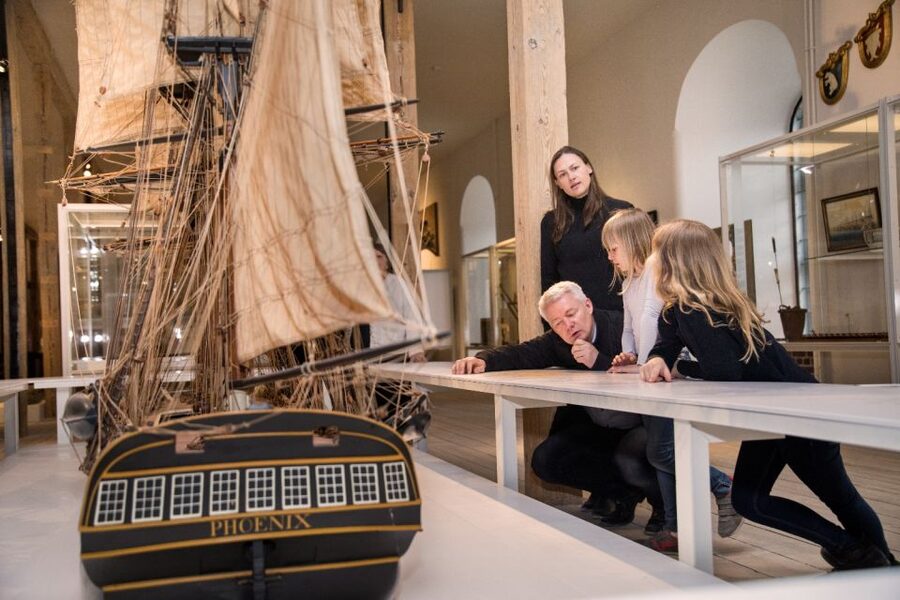
At $20 per person, the ticket offers solid value if you are prepared to spend time with the collection. You are paying for entry to a museum that covers roughly five centuries of Danish military history, not for a short guided presentation or a single famous object.
The value improves if you enjoy museums that reward slow looking. The 163-meter hall, armor, weapons, naval material, 20th-century displays, Afghanistan vehicle, and drone exhibition provide enough range for a substantial visit.
The price is less compelling if you only have time for a quick walk-through. The museum’s strength is its breadth, and breadth takes time. You should also consider the building’s access issue before booking. No elevator currently reaches the first-floor exhibitions, and bringing a wheelchair or baby carriage is possible, but that does not remove the need to manage the stairs.
The ticket is valid for one day. You can reserve now and pay later, and cancellation is available up to 24 hours in advance for a full refund. Those terms are useful if your Copenhagen schedule is still changing, but the main value comes from the museum itself.
Who will get the most from this visit
I would recommend the Danish War Museum to anyone interested in military equipment, Danish history, naval stories, or the way modern technology changes conflict. It also suits visitors who like to compare very old objects with current events in one place.
Families can find plenty of visual material, especially the armor, vehicles, and unusual objects. The hammock area gives younger visitors a change of pace, although the overall subject matter includes war, danger, and death, so parents should decide how much explanation is right for their children.
The museum also works well for a rainy day in Copenhagen. The long hall gives you room to move at your own speed, and the collection has enough variety to hold attention beyond a single display case.
I would be more cautious if stairs are difficult for you. Since there is no elevator to the first floor, ask about the current access arrangements before you commit. The museum is working on accessibility issues, but that does not solve the immediate limitation.
Practical advice for a better visit
Give yourself more than a rushed hour if you want to read the displays and make sense of the time periods. The ticket is valid for one day, so you have flexibility, but the information spans many centuries and several types of conflict.
Start by taking in the full length of the main hall. Then move back to objects that interest you. This prevents the 163-meter room from becoming a blur of armor, uniforms, and weapons.
Save time for the unusual items. The bone ship model, old biscuit, complete Civil War uniform, and Afghanistan vehicle are the pieces most likely to stay in your memory after the visit.
Do not leave the drone exhibition until the very end if current affairs matter to you. It gives the earlier sections a useful frame, showing that military change is not finished with aircraft, vehicles, or electronic surveillance.
Finally, build in a quiet pause for the hammock stories. The museum asks you to think about conflict, but the sea stories offer a human and cultural counterpoint. That balance makes the visit feel more rounded than a simple display of arms.
Should you book the Danish War Museum?
Book it if you want a serious but varied museum visit, especially if armor, weapons, naval history, modern deployments, or drone warfare interest you. The 1604 Arsenal and the 163-meter hall give the experience a strong setting, while the bone ship, biscuit, Civil War uniform, and Afghanistan vehicle keep the collection from feeling repetitive.
At $20, I consider it worthwhile for a full visit. You should skip it only if you have little interest in military subjects, very limited time, or difficulty reaching the first floor. For everyone else, it offers a useful look at how Denmark’s wars, defenses, and military choices changed from the age of knights to the age of drones.
FAQ
Where is the Danish War Museum located?
The museum is in the Zealand Region of Denmark, inside the historic Tøjhus Arsenal building in Copenhagen.
How much does admission cost?
The entry ticket costs $20 per person.
How long is the ticket valid?
The ticket is valid for one day. Starting times depend on availability.
What period does the museum cover?
The exhibitions cover Danish military history from the 1500s to the present day, including the War in Afghanistan.
What is special about the first-floor hall?
The first-floor hall is 163 meters long and is described as the longest room in the Nordic countries.
What unusual objects can you see?
The collection includes a ship model made from bones, a 150-year-old biscuit, a military vehicle that survived a roadside bomb in Afghanistan, and the world’s only complete American Civil War uniform.
Does the museum have an exhibition about drones?
Yes. A new spot exhibition examines how drones affect modern warfare and asks how they may shape future battlefields.
Is the museum accessible by wheelchair or baby carriage?
You may bring your own wheelchair or baby carriage, but there is currently no elevator to the first-floor exhibitions.
Just added around Copenhagen
- a day at North Zealand Castle Tour★ 4.5 · 19 reviews
- The Hunt For The Six Forgotten Giants★ 5.0 · 45 reviews
- Copenhagen Walking Tour with Food Testing (smorrebrod dish & snap)★ 4.5 · 10 reviews
- walking tour – Copenhagen and Christiansborg 3 hours★ 4.0 · 7 reviews
- The Six Forgotten Giants Trolls Hunt with Minibus★ 4.5 · 27 reviews
- The Philosopher’s Last Walk: An audio tour on the life of Søren Kierkegaard★ 4.5 · 5 reviews
- Malmö Full Day Private Trip, Sightseeing Tour & Lunch Option★ 5.0 · 93 reviews
- The Forgotten Giants Private Tour★ 5.0 · 3 reviews
Museums, compared.


Stockholm Pass: Save up to 50% – Includes Vasa Museum Ticket
Read our review →


Browse the lists this tour appears in