
Reviewed · MUSEUMS
Art and Museum Tour of Oslo
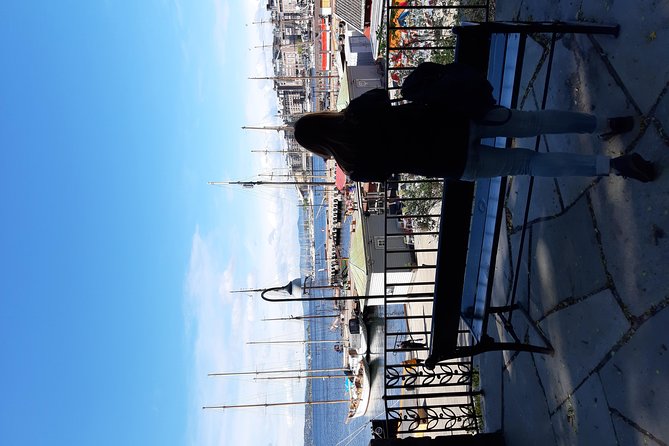
Oslo’s art story reaches far beyond Munch. This private, four-hour walking tour lets you connect paintings, public buildings, royal landmarks, and the old city streets, with an art historian guiding the way. You can choose one or two museums instead of being locked into a fixed route.
I like the flexible format and the chance to see Oslo through both art and city history. I also like that the tour can include places as different as the Astrup Fearnley Museum, the medieval Akershus Fortress, and the island-like museum area at Bygdøy. The main consideration is time: four hours is enough for a strong introduction, but not enough to see every museum on the menu.
In This Review
- Key points to know before booking
- Starting with Oslo’s art, architecture, and waterfront
- Aker Brygge and Oslo’s modern waterfront
- The Royal Palace, Parliament, and Oslo’s main streets
- Akershus Fortress and the 17th-century city
- Choosing the National Gallery and Munch
- Astrup Fearnley for modern art
- Bygdøy’s museums and the museum-island option
- Adding the Opera House and Vigeland Park
- What the guide adds to the experience
- Price, group size, and practical value
- Who should book this Oslo tour
- My call on this private art walk
- FAQ
- How long does the Art and Museum Tour of Oslo last?
- Is this a private tour?
- What is included in the tour?
- Which museums can I choose?
- Does the tour include Munch’s The Scream?
- How much are museum entrance fees?
- Can Vigeland Park be added?
- Does the tour offer pickup?
- Can cruise ship passengers book the tour?
- What is the cancellation policy?
Key points to know before booking
- Private group of up to 10: You get a guide for your own party rather than joining a large sightseeing group.
- Choose your museum focus: Pick from the National Gallery, Astrup Fearnley, or museums on Bygdøy, including the Viking Ship Museum, Kon-Tiki, Fram, and the Museum of Wooden Architecture.
- A broad Oslo route: The walk can cover Aker Brygge, the Royal Palace, Parliament, the main streets, Akershus Fortress, and the 17th-century Kvadraturen district.
- Art historian guidance: The tour is led by a professional art historian and Blue Badge guide, with Tanya named among the guides connected with the experience.
- Optional tram extension: Vigeland Park can be added, with about 10 minutes of tram travel to reach it.
- Plan for extra admission costs: Museum entry is listed at 100 Norwegian kroner per person, while the tour itself is shown with free admission.
Starting with Oslo’s art, architecture, and waterfront
The clever part of this tour is its range. You are not simply taken from one gallery to another. The route uses central Oslo as a living introduction to Norwegian art, politics, royal life, trade, and urban design.
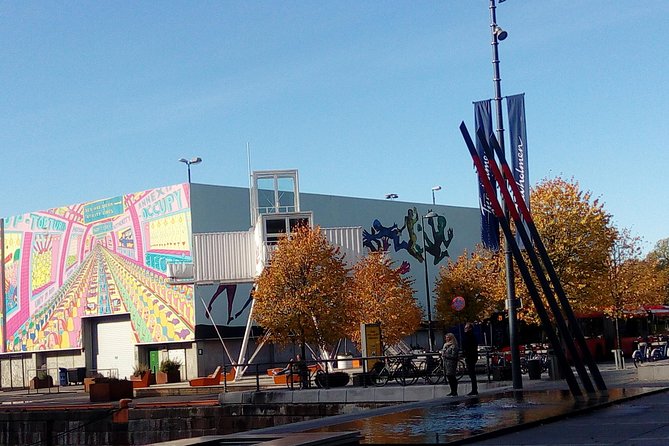
The four-hour outing is on foot, so comfortable shoes matter. You begin in the city center and move through areas that show several versions of Oslo at once. Aker Brygge gives you the modern waterfront, while Kvadraturen, also called the old city center of the 17th century, offers a much older street plan.
That contrast helps you understand why the museum choices matter. If you see Norwegian paintings without seeing the city that shaped them, the country’s art can feel detached from place. Here, the guide can connect the works to Oslo’s streets and public spaces as you go.
A private tour also gives you room to ask for the kind of explanation you actually want. You might prefer painting and sculpture, architecture and urban history, or a mix of both. The guide can adjust the balance rather than delivering the same script to every group.
A few more Oslo trips to weigh up
- Kon-Tiki Museum Entrance Ticket
★ 4.5 · 1,096 reviews - Oslo: Paradox Museum Entry Ticket
★ 4.3 · 799 reviews - The Fram Museum Admission Ticket
★ 4.5 · 490 reviews
Aker Brygge and Oslo’s modern waterfront
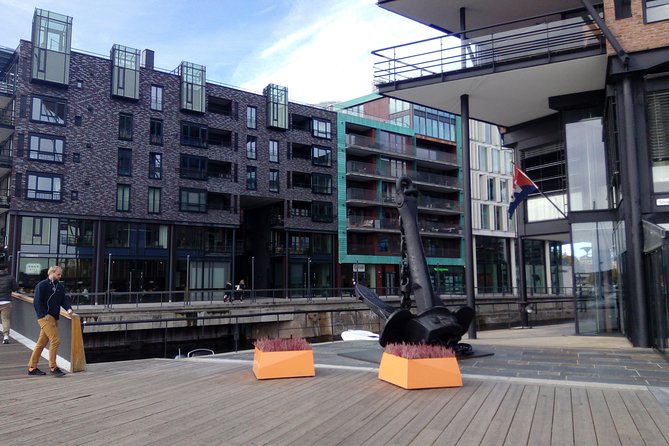
Aker Brygge is one of the tour’s named stops, and it provides a useful change of pace from museums and historic buildings. The former industrial waterfront has become one of central Oslo’s best-known public areas, with space to walk along the harbor and view the city from the water’s edge.
The attraction here is not a single monument. It is the setting and the contrast. Oslo’s newer waterfront identity comes into view before you turn toward older districts and historic sites.
If modern art is your priority, Aker Brygge also places you near the Astrup Fearnley Museum of Modern Art. This private museum is one of the available choices, so you can pair the waterfront walk with contemporary works rather than focusing only on 19th-century painting.
This option suits you if you want a museum visit that feels different from a classic national collection. It may be less suitable if your main goal is specifically to see Munch’s best-known work. For that, you should select the National Gallery option instead.
The Royal Palace, Parliament, and Oslo’s main streets
The walk through 19th-century Oslo includes the Royal Palace, Parliament, and the city’s main streets. These stops give the tour a civic center. You are looking at the institutions and grand avenues that helped shape modern Norway, not just passing attractive buildings without context.
The Royal Palace adds a royal note, while Parliament brings the country’s political life into the route. The value of having an art historian guide here is that the city’s visual character becomes part of the discussion. You can ask how public buildings, streets, and monuments fit into Norway’s artistic development.
This section is also practical for first-time visitors. It gives you a compact orientation to the center and helps you recognize where the main sights sit in relation to one another. Since the experience lasts about four hours, the guide can keep this portion moving and protect time for your selected museum.
Do not expect a dedicated palace interior visit based on the information provided. The Royal Palace is listed as part of the walking route, so treat it as an exterior and city-history stop unless your guide confirms otherwise.
Akershus Fortress and the 17th-century city
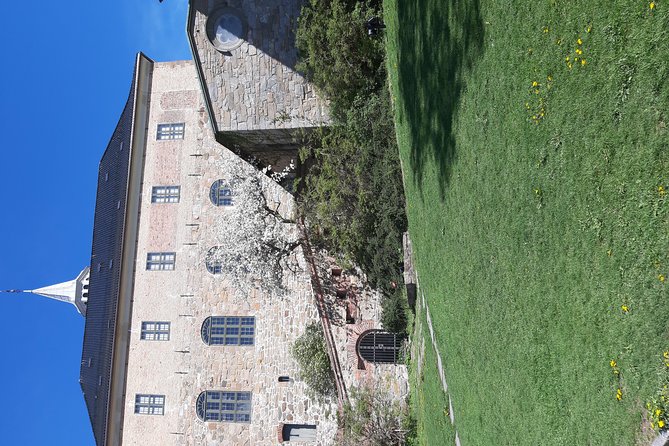
Akershus Fortress brings a medieval layer to the day. Its presence near the harbor helps explain Oslo’s older defensive role and gives the walking tour a stronger sense of place than a museum-only outing would provide.
The tour also visits Kvadraturen, the city center associated with the 17th century. This is a useful stop for anyone who enjoys seeing how a city was rebuilt and organized over time. The route links the fortress, older streets, and newer waterfront areas into one readable story.
You should think of this as an overview rather than a full fortress tour. Four hours must cover several districts and one or two museums, so the amount of time inside each historic area will depend on your selected plan and the interests of your group.
Still, this combination is a strong reason to choose the experience over a standard art gallery visit. You get paintings and sculpture, but you also see the physical city that frames them.
Same fjord country, a very different day out:
- Oslo: Scenic Fjord Cruise with Audio Guide Commentary
★ 4.5 · 5,375 reviews - Oslo Nature Walks: Island Hopping Tour
★ 4.8 · 2,713 reviews - Oslo: 100% Electric Oslofjord Sightseeing Cruise
★ 4.4 · 2,041 reviews - Oslo: Fjord Evening Cruise with Shrimp Buffet
★ 4.5 · 1,956 reviews
Choosing the National Gallery and Munch
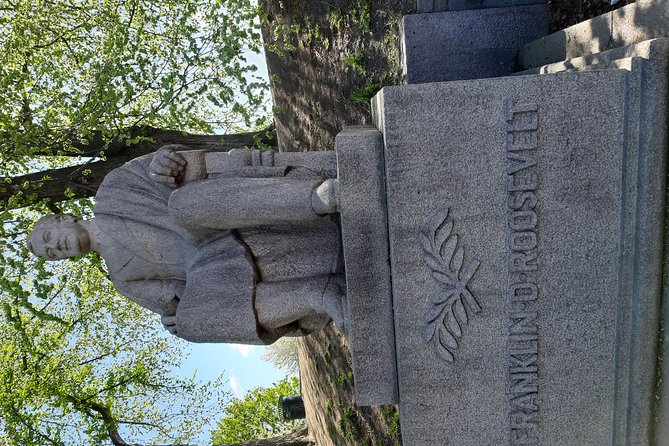
The National Gallery option is the clearest choice for a first visit centered on Norwegian art. The tour specifically includes Munch’s The Scream and other works by Edvard Munch, along with French Impressionist paintings.
That combination gives you more than one famous image. Munch helps place Norwegian art on the international map, while the Impressionist works provide a wider European comparison. An art historian can help you look beyond the name on the wall and understand how styles, subjects, and artistic ideas relate.
One important planning point deserves attention. The tour details refer to the National Gallery, while one booking account specifically wished the museum portion had included the National Museum. You should confirm the exact museum name and current collection arrangements before paying, particularly if seeing the National Museum is a firm priority.
The museum fee is listed as 100 Norwegian kroner per person. That is a modest extra cost compared with the private group price, but you should still budget for it because the tour price and museum admissions are treated separately in the supplied information.
Astrup Fearnley for modern art
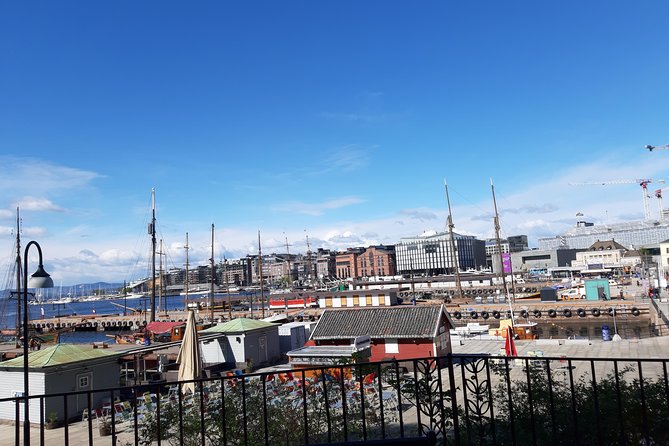
The Astrup Fearnley Museum gives you a different artistic experience from the National Gallery. It is a private museum of modern art, and it works especially well with the Aker Brygge portion of the walk.
Choose this museum if you want contemporary art or if someone in your group has already seen Munch elsewhere. The guide’s art background should be useful here because modern works often benefit from explanation, though the precise collection on view can change.
The tradeoff is simple. You cannot give equal time to every style in a four-hour tour. A modern-art choice means less time for the National Gallery or Bygdøy museums. Tell the guide what you want before the tour starts, and ask how the route will be divided.
The fee is again listed as 100 kroner per person for museum entry. The private nature of the tour makes the value strongest for a group that wants discussion and a tailored route, rather than a quick visit with little explanation.
Bygdøy’s museums and the museum-island option
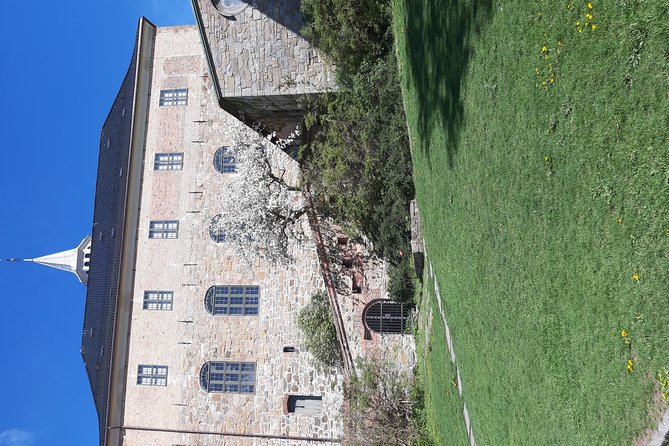
Bygdøy offers several choices, and this is where the tour can become more specialized. The available museums include the Viking Ship Museum, Kon-Tiki, Fram, and the Museum of Wooden Architecture.
The Viking Ship Museum is the natural pick if you want early Scandinavian material and famous maritime objects. Kon-Tiki focuses on the expedition connected with Thor Heyerdahl, while Fram centers on the polar ship. The Museum of Wooden Architecture offers a different view of Norwegian culture through buildings and construction.
These are not interchangeable choices. The Viking Ship Museum and Fram suit different interests from the National Gallery, and you should make that clear when booking. If your group is divided between art and exploration history, the private format lets you discuss a compromise with the guide.
One account describes choosing the museum area at Bygdøy and getting clear directions from Tanya, who waited at the Hotel Continental. The details suggest that meeting arrangements can be handled carefully, but you should still confirm your exact pickup point and route in advance.
The supplied information calls this area the Island of Museums, while also noting that it is not technically an island. That small distinction is useful when planning. Do not assume every Bygdøy museum can fit into the same four-hour schedule. Select one main focus, or at most two closely related stops.
Adding the Opera House and Vigeland Park
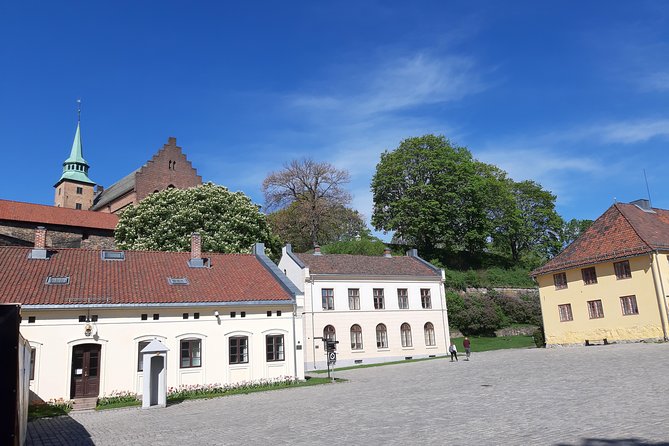
The new National Opera House can be included in the city route. Its modern design gives the day another architectural counterpoint to the Royal Palace, fortress, and older streets.
Vigeland Park is also available as an addition, but reaching it takes about 10 minutes by tram. That travel time matters in a four-hour tour, especially if you also want a museum and the central walking route.
The park is a good choice if sculpture and outdoor art appeal to you. It changes the rhythm of the day, taking you from galleries and civic buildings into a public setting where sculpture is the main subject.
You should not try to add every optional stop. The National Gallery, Bygdøy, the Opera House, and Vigeland Park represent separate priorities. Ask the guide to build a sensible route around one main museum choice and one secondary interest.
What the guide adds to the experience
The guide is described as a professional art historian and Blue Badge guide. That matters because this tour is not simply transport between famous places. The strongest part should be the explanations that connect objects, buildings, and artistic movements.
Tanya is named in one detailed account, and the same account describes her as conscientious with directions and generous with time. Another description emphasizes an enthusiastic and thorough approach. One useful criticism was the wish for the National Museum to be included, which tells you to discuss the exact museum plan before the day begins.
The guide may be multilingual. That can help mixed-language groups, though you should confirm the language you need at booking.
Because the tour is private, you can ask for more time on a particular painting or cut short a stop that does not suit your group. This is a real advantage over a fixed group walk. It also means the quality of your day depends partly on clear communication about your interests.
Price, group size, and practical value
The listed price is $445.68 per group of up to 10 people. For one person, that is expensive. For a full group, the cost works out to about $44.57 each before museum admission, which makes the private format much easier to justify.
The price includes a Blue Badge guide, a professional guide, and a professional art historian guide. Museum entrance fees are listed separately at 100 Norwegian kroner per person. The admission section also shows free admission for the tour, so read the final booking details carefully and allow for the stated museum charges.
At roughly four hours, this is a half-day experience. It suits a first morning or afternoon in Oslo, especially if you want an introduction that combines several districts rather than spending the entire day in one museum.
Pickup is offered, and the tour is near public transportation. Cruise ship passengers must provide the ship name, docking time, disembarkation time, and re-boarding time when booking. Do not cut the timing close: no refund is provided if you miss the tour because your ship arrives late or fails to arrive.
The experience is private, and most people can participate. Smart-casual clothing is requested. The walking route and possible tram ride make sensible shoes more important than dressing up.
Who should book this Oslo tour
I would choose this tour for a small group with mixed interests. One person can focus on Munch, another on modern art, and someone else on ships or Norwegian architecture. The private format gives the guide a chance to balance those requests.
It also suits first-time visitors who want orientation as well as museum time. A standard gallery visit may show you excellent art but leave you unsure how the city fits together. This route covers the center, waterfront, fortress, older streets, and selected collections in one compact outing.
Families and groups with varied energy levels may also appreciate the ability to adjust the pace. The information says most people can participate, but the exact balance of walking, museum time, and public transportation should be discussed if anyone in your group has limitations.
I would hesitate if your only goal is an extended museum visit. Four hours must cover a great deal, and the tour is designed as a broad introduction. I would also hesitate if the National Museum is essential and the exact inclusion cannot be confirmed.
Cancellation is free up to 24 hours before the start time. Inside that window, the amount paid is not refunded, and changes are not accepted. The cutoff uses Oslo local time.
My call on this private art walk
Book it if you want Oslo explained as a city of art, politics, waterfront life, and old fortifications, with the freedom to choose your main museum. The guide’s art background, the private group format, and the option to include Tanya’s carefully handled meeting arrangements make it a strong choice for a focused half-day.
Before booking, settle three points: which museum you will visit, whether the National Museum is included or not, and how much time you want to give Vigeland Park or Bygdøy. For a full group of up to 10, the price can be fair. For one or two people seeking a long gallery visit, a standard museum ticket and independent walk may offer better value.
FAQ
How long does the Art and Museum Tour of Oslo last?
The tour lasts approximately four hours.
Is this a private tour?
Yes. Only your group participates, and the group can include up to 10 people.
What is included in the tour?
A Blue Badge guide, a professional guide, and a professional art historian guide are included.
Which museums can I choose?
You can choose one or two museums from options including the National Gallery, Astrup Fearnley Museum of Modern Art, Viking Ship Museum, Kon-Tiki, Fram, and the Museum of Wooden Architecture.
Does the tour include Munch’s The Scream?
The National Gallery option includes a visit to see Munch’s The Scream and other Munch paintings.
How much are museum entrance fees?
Museum entrance fees are listed as 100 Norwegian kroner per person.
Can Vigeland Park be added?
Yes. Vigeland Park can be included, and reaching it takes about 10 minutes by tram.
Does the tour offer pickup?
Yes, pickup is offered. Cruise ship passengers must provide ship and docking details when booking.
Can cruise ship passengers book the tour?
Yes, but they must provide the ship name, docking time, disembarkation time, and re-boarding time. No refund is issued if the tour is missed because the ship is late or does not arrive.
What is the cancellation policy?
You can cancel for a full refund up to 24 hours before the experience starts. Cancellations or changes made less than 24 hours before the start time are not accepted and are not refunded.
Just added around Oslo
- 4 hours Best View of the Oslofjord Winter Edition★ 4.0 · 15 reviews
- Oslo Winter Highlights Bike Tour★ 5.0 · 36 reviews
- Unknown war. Oslo and Norway during 1940-45★ 5.0 · 74 reviews
- The Ultimate Norwegian Skiing Experience★ 5.0 · 16 reviews
- The Viking Planet Museum Ticket★ 4.0 · 197 reviews
- The Viking Planet Museum – Mini Group (4 adults)★ 4.0 · 16 reviews
- The Scenic Roadtrip, Oslo to Bergen via Flam & the Fjords★ 5.0 · 25 reviews
- Visit the Instaworthy Spots of Oslo’s Vigeland Park with a Local★ 5.0 · 4 reviews
Museums, compared.

Stockholm Pass: Save up to 50% – Includes Vasa Museum Ticket
Read our review →


Browse the lists this tour appears in