
Reviewed · MUSEUMS
City Excursion (museums free). Tour of Oslo City’s Hidden Gems
The best part of this Oslo tour is its mix of big city sights and quieter corners. You walk across the sloping roof of the Norwegian National Opera, trace centuries of royal and military history at Akershus Fortress, then finish among Gustav Vigeland’s striking statues.
I like the private format, which lets you ask questions and adjust the focus. I also like the strong variety: architecture, harbor views, sculpture, history, and civic life all fit into four hours. The main drawback is cost. At $503.60 for up to 12 people, it can be good value for a full group, but expensive for one or two people. You also pay for your own food, drinks, and public transport.
In This Review
- Key points to know before booking
- A useful first look at Oslo in four hours
- Walking the roof of Oslo’s Opera House
- Akershus Fortress and Oslo’s medieval story
- Tjuvholmen’s art, architecture, and waterfront mood
- One hour with Vigeland’s 200 sculptures
- Oslo City Hall and the Nobel Peace Prize
- Why the private format matters
- Is $503.60 a fair price?
- Who will enjoy this tour most?
- Practical ways to get more from the morning or afternoon
- Should you book Oslo’s city tour?
- FAQ
- How long does the Oslo city tour last?
- Where does the tour begin and end?
- Is transportation included?
- Are admission tickets included?
- How large can the private group be?
- Can I cancel for a full refund?
Key points to know before booking
- The Opera House roof gives you a free, memorable view over Oslo Harbor and the fjord.
- Akershus Fortress adds medieval and royal history without an admission charge.
- Vigeland Park takes about an hour, making it the main walking portion of the tour.
- The private group format allows you to ask for extra stops or change the emphasis, though the advertised route may need adjusting.
- Transport is not included, so plan on walking and using public transportation if needed.
- The $503.60 group price works best when shared among several people.
A useful first look at Oslo in four hours
This tour is designed as an orientation rather than a deep visit to every attraction. You see several of Oslo’s best-known places, get historical background along the way, and receive suggestions for the rest of your stay.
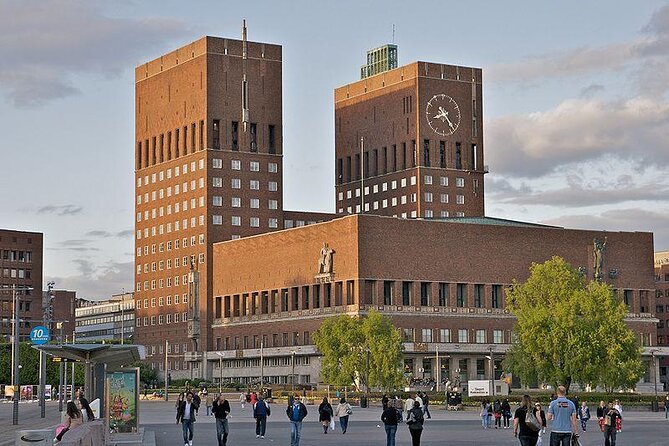
The meeting point is Oslo City Hall at Rådhusplassen 1. The tour ends there as well. Pickup is offered, but private transportation is not included, so confirm the pickup arrangement before setting out.
The route covers a lot of ground. You should be comfortable walking outdoors for several hours, climbing onto the Opera House roof, and moving through a large sculpture park. Wear sensible shoes and dress in smart casual clothing, with enough protection for changing Norwegian weather.
The advertised stops add up to about three hours and 15 minutes. The remaining time allows for walking between places, transitions, and conversation with your guide. That sounds generous, but Oslo is spread across several districts, so the guide may need to keep the group moving.
A few more Oslo trips to weigh up
- Kon-Tiki Museum Entrance Ticket
★ 4.5 · 1,096 reviews - Oslo: Paradox Museum Entry Ticket
★ 4.3 · 799 reviews - The Fram Museum Admission Ticket
★ 4.5 · 490 reviews
Walking the roof of Oslo’s Opera House
The Norwegian National Opera & Ballet is an excellent opening stop because it gives you an immediate sense of modern Oslo. Its white, angled exterior reaches up from the harbor, and the building is designed for people to walk across the roof rather than simply admire it from outside.
You get about 30 minutes here. That is enough to climb the broad roof surface, look back toward the city, and take in the fjord. The building is free to visit from the outside, so this stop delivers a worthwhile view without adding an admission charge.
I especially like this part for first-time visitors. Oslo’s waterfront has changed greatly in recent years, and the Opera House helps you understand the city’s relationship with the harbor. It is also an easy place to orient yourself before heading to older parts of town.
The roof is not a flat observation deck. You are walking on an inclined surface, so take care if it is wet or icy. Anyone with limited mobility should ask about the route in advance. The tour requires moderate physical fitness, and this is one reason why.
Akershus Fortress and Oslo’s medieval story
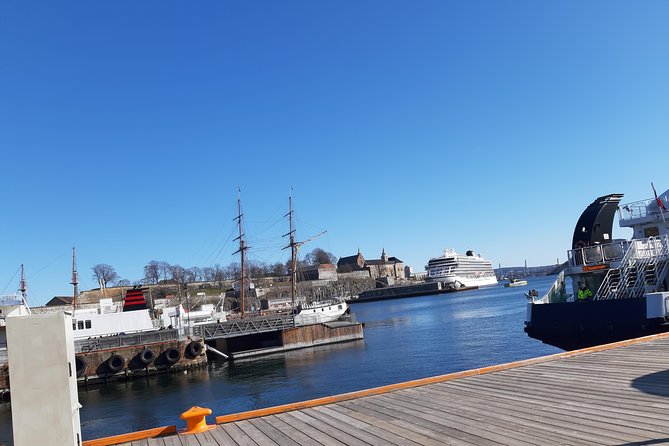
From the modern Opera House, the tour shifts to one of Oslo’s oldest major sites. Akershus Fortress occupies the end of a headland and has protected the city for centuries.
Construction began in 1299 under King Håkon V. The medieval castle was completed in the 1300s and survived several attacks because of its strategic position. Later, King Christian IV changed the castle into a Renaissance residence, giving the site a mix of military, medieval, and royal associations.
You spend about 30 minutes at the fortress. That is enough for a guided introduction and a look at the setting, but not enough for a slow examination of every building or museum area. Think of this as a focused historical stop rather than a full fortress visit.
The outdoor setting is part of the appeal. You get open views toward the harbor and a sense of why this headland mattered. The fortress also gives the tour a useful time contrast: the Opera House represents present-day Oslo, while Akershus connects you with the city’s older power center.
Admission is listed as free. Still, access to specific interiors can sometimes depend on opening conditions, so ask your guide what is available on the day. The experience may be less satisfying if you expect a long indoor castle tour.
Tjuvholmen’s art, architecture, and waterfront mood
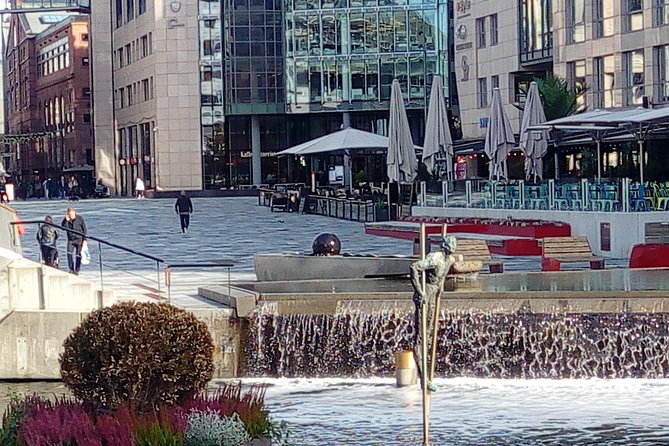
Tjuvholmen is one of Oslo’s newer districts, with modern buildings, galleries, outdoor art, and waterfront spaces. It provides a different view of the city from both the Opera House and Akershus.
The stop lasts about 30 minutes. The area includes the Astrup Fearnley Museum, a sculpture park, a beach, and restaurants with attractive waterfront positions. The tour focuses on seeing the district and its public art rather than giving you a museum visit with dedicated gallery time.
This is a good place to notice how Oslo uses public space. Architecture, art, restaurants, and the water are placed close together, so you can see how the newer harbor districts function as parts of daily city life.
The limitation is time. Half an hour passes quickly, especially if you want to enter the museum, stop for a meal, or study the art installations. Food and drinks are not included, and this is not scheduled as a lunch break. If Tjuvholmen interests you, ask your guide for the best way to return later.
Same fjord country, a very different day out:
- Oslo: Scenic Fjord Cruise with Audio Guide Commentary
★ 4.5 · 5,375 reviews - Oslo Nature Walks: Island Hopping Tour
★ 4.8 · 2,713 reviews - Oslo: 100% Electric Oslofjord Sightseeing Cruise
★ 4.4 · 2,041 reviews - Oslo: Fjord Evening Cruise with Shrimp Buffet
★ 4.5 · 1,956 reviews
One hour with Vigeland’s 200 sculptures
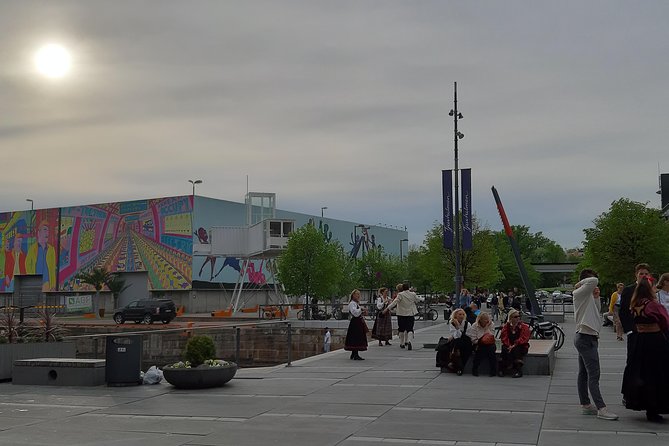
Vigeland Park is the centerpiece of the tour. You spend about an hour walking among more than 200 sculptures by Gustav Vigeland, created in bronze, granite, and cast iron.
The park is not simply a collection of statues placed around a green area. The works form a large public art setting, and the scale makes a guided walk useful. Your guide can explain the overall arrangement, point out notable figures, and help you read the themes running through the sculptures.
I would allow this stop to set the pace for the day. The park requires walking, and an hour gives you enough time to see the major sections without rushing through every piece. If sculpture is your main interest, you may wish the tour spent longer here. If you prefer museums or indoor history, the hour might feel long.
The park is free to enter, which helps the tour’s value. It also gives you one of Oslo’s most distinctive experiences without another ticket. The outdoor setting means weather matters, so bring comfortable shoes and suitable clothing.
A previous guest singled out the sculpture garden as the favorite part of the day, and I can understand why. It is unusual, visually memorable, and quite different from the city’s harbor architecture and fortress walls.
Oslo City Hall and the Nobel Peace Prize
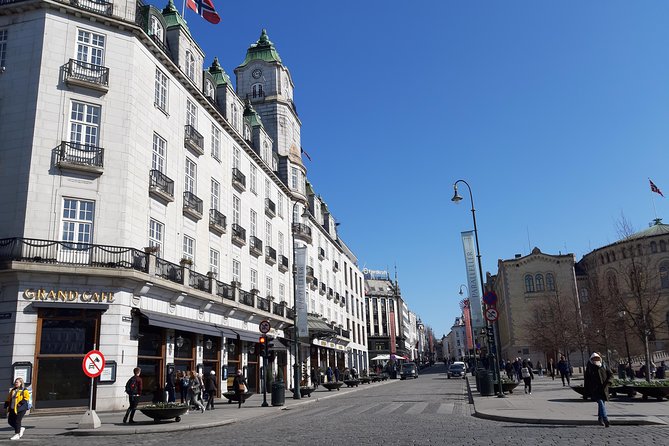
The final major stop is Oslo City Hall, a landmark associated with national romantic architecture and the Nobel Peace Prize ceremony. The tour allows about 45 minutes here, and admission is included.
City Hall gives the tour a civic finish. After the Opera House, fortress, waterfront art district, and sculpture park, you end with a building tied to public life and international recognition.
Access to the inside is subject to public opening conditions. That detail matters. The tour includes City Hall, but you should not assume that every interior room will be available at every time. If entering the building is a priority, confirm the day’s access with your guide.
The tour starts and ends at City Hall, which is convenient if you are staying near central Oslo. It also gives you a clear meeting point for the rest of your day.
Why the private format matters
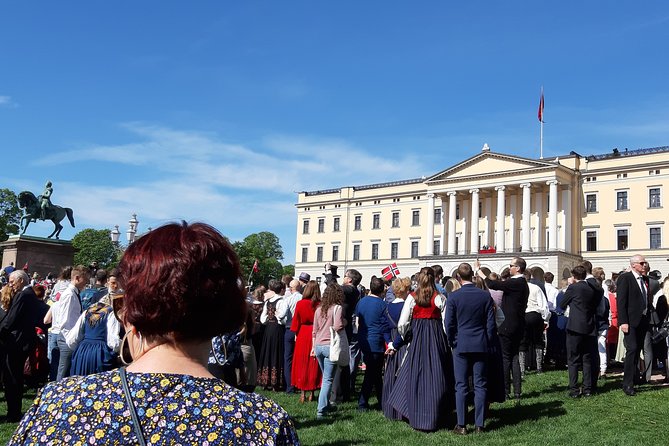
A private tour for only your group can be a major advantage in Oslo. You are not sharing the guide with strangers, and you can ask for more explanation at the places that interest you most.
The private setup is especially useful for families, couples, and small groups with different interests. One person may care about royal history, another about public art, and another about city planning. A good guide can adjust the conversation while keeping the route on time.
There is also a practical benefit: the tour can offer suggestions for the rest of your visit. If you are in Oslo for only a short stay, that advice can help you decide how to use your remaining hours.
Still, private tours require clear communication. One negative experience connected to this format involved a late start and uncertainty about what the group wanted to see. Other feedback described a guide who added places beyond the main route and provided interesting information. These contrasting outcomes point to a useful tip: before the tour begins, confirm the route, timing, pickup point, and any priorities you have.
Do not assume that private means every requested stop will fit. The listed route already fills four hours, and added museums or neighborhoods may require dropping one of the planned stops.
Is $503.60 a fair price?
The price is $503.60 per group of up to 12 people. That is not a cheap walking tour, but group size changes the calculation.
For 10 to 12 people, the cost works out to roughly $42 to $50 per person. For six people, it is about $84 per person. For two people, it is more than $250 each, before food or transportation. The value is strongest when several people share the booking.
The fee pays for a private Blue Badge guide and a four-hour route through major parts of Oslo. Most of the sights do not charge admission, and City Hall admission is included. You are mainly paying for the guide’s time, planning, local explanation, and the convenience of a private group.
You are not paying for private transport, public transit tickets, bottled water, food, or drinks. That makes this partly a walking tour, even if pickup is offered. Ask how the group will move between distant stops so you can budget time and transport costs.
If you want a private introduction to Oslo and have a larger group, the price can be reasonable. If you are a solo visitor or couple, a smaller shared walking tour may offer better value, unless privacy is your main priority.
Who will enjoy this tour most?
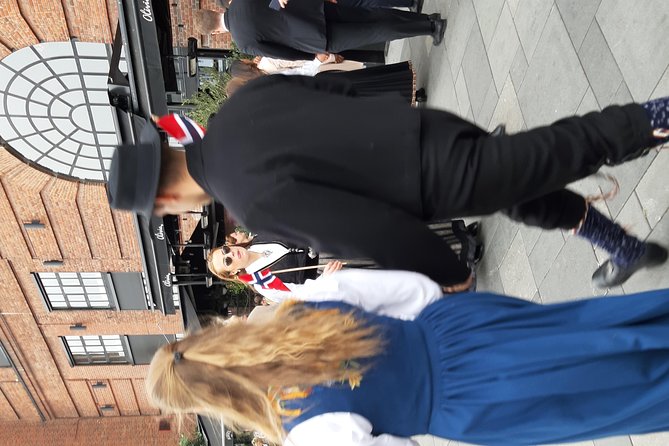
I would recommend it to first-time visitors who want a quick orientation before exploring Oslo independently. It is also a good fit for families or groups who want one guide and a flexible conversation rather than a large scheduled group.
Art lovers will appreciate the Opera House, Tjuvholmen’s outdoor installations, and Vigeland Park. History-minded visitors will get useful context at Akershus Fortress and City Hall. The range is the point: you do not spend four hours on only one subject.
The tour may be less suitable if you want long indoor visits, extensive museum time, or a relaxed meal during the route. No specific museum admission is listed, and the schedule moves between several sites.
It may also be a poor match for anyone who finds extended walking difficult. The Opera House roof, fortress grounds, Tjuvholmen, and Vigeland Park all involve outdoor movement. Service animals are allowed, but the moderate fitness requirement still applies.
Practical ways to get more from the morning or afternoon
Tell the guide what matters most to you before you start. If you care about sculpture, protect the full Vigeland Park hour. If you prefer history, ask for more time at Akershus and City Hall, though another stop may need to be shortened.
Treat this as an introduction, not your only Oslo activity. The tour gives you enough information to decide where to return, especially at Tjuvholmen, Akershus Fortress, or Vigeland Park.
Plan your clothing around walking and weather. Smart casual is the stated dress code, but comfort matters more than formality. Bring water, since bottled water is not provided, and expect to pay separately for any food or drinks.
Book ahead if your schedule is fixed. The activity is often reserved well before the date, with an average booking lead time of about 50 days. Free cancellation is available until 24 hours before the start time. Changes or cancellations inside that window are not accepted for a refund.
Should you book Oslo’s city tour?
Book this tour if you want a private, guide-led introduction that combines modern architecture, royal history, public art, sculpture, and civic Oslo in four hours. It is particularly good value for a larger group, and Vigeland Park is a strong reason to choose it.
Think twice if you are traveling alone or as a couple and mainly want museum interiors. The price is high for a small party, transportation is extra, and some stops receive only 30 minutes.
My advice is to book it early, confirm the pickup and route, and tell the guide your priorities. With those expectations set, this is a practical way to get your bearings fast and find the places worth revisiting on your own.
FAQ
How long does the Oslo city tour last?
The tour lasts approximately four hours.
Where does the tour begin and end?
It begins at Oslo City Hall, Rådhusplassen 1, 0037 Oslo, Norway, and ends back at the meeting point.
Is transportation included?
Private transportation, public transportation tickets, bottled water, food, and drinks are not included. Pickup is offered, but the provided information does not specify the transport arrangement.
Are admission tickets included?
The Opera House, Akershus Fortress, Tjuvholmen Sculpture Park, and Vigeland Park are listed with free admission. Admission to Oslo City Hall is included, subject to public access.
How large can the private group be?
The tour is private and can include up to 12 people in your group.
Can I cancel for a full refund?
Yes. You can cancel at least 24 hours before the experience start time for a full refund. Cancellations or changes made less than 24 hours before the start time are not accepted for a refund.
Just added around Oslo
- 4 hours Best View of the Oslofjord Winter Edition★ 4.0 · 15 reviews
- Unknown war. Oslo and Norway during 1940-45★ 5.0 · 74 reviews
- Oslo Winter Highlights Bike Tour★ 5.0 · 36 reviews
- The Viking Planet Museum Ticket★ 4.0 · 197 reviews
- The Viking Planet Museum – Mini Group (4 adults)★ 4.0 · 16 reviews
- The Ultimate Norwegian Skiing Experience★ 5.0 · 16 reviews
- The Scenic Roadtrip, Oslo to Bergen via Flam & the Fjords★ 5.0 · 25 reviews
- Visit the Instaworthy Spots of Oslo’s Vigeland Park with a Local★ 5.0 · 4 reviews
Museums, compared.

Stockholm Pass: Save up to 50% – Includes Vasa Museum Ticket
Read our review →


Browse the lists this tour appears in